
 Carmen J. Moore

Technology has revolutionized the way we interact with the world around us, but it also comes with its risks. Security cameras, once a tool for surveillance and protection, can now be vulnerable to hacking through wifi connections.
With the advancement of wireless technology, security cameras are often connected to the internet for remote monitoring and control. However, this connectivity opens up the possibility of unauthorized access by hackers looking to exploit security loopholes.
In this article, we will explore the techniques and methods used by hackers to infiltrate security cameras through wifi networks, as well as provide tips on how to protect your devices from potential cyber threats.
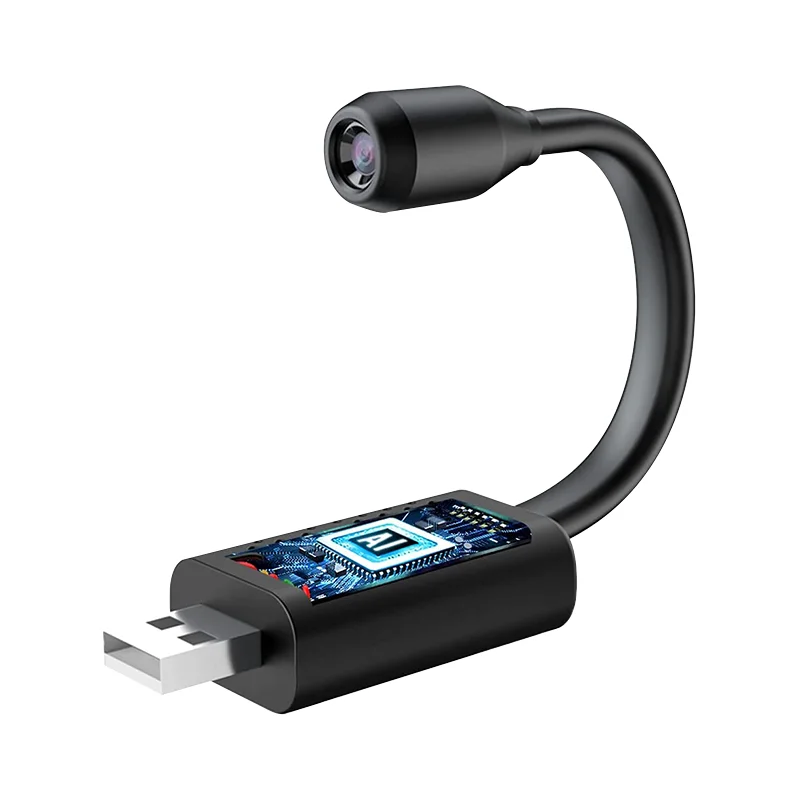

Ways to Access Security Cameras Wirelessly
- Using Default Credentials: Some security cameras come with default usernames and passwords, which can be easily found online. Try logging in with these default credentials to access the camera.
- Exploiting Vulnerabilities: Security cameras may have security vulnerabilities that can be exploited to gain unauthorized access. Look for known vulnerabilities in the camera model and exploit them.
- Sniffing Wi-Fi Networks: By sniffing Wi-Fi networks, you can intercept the data packets sent between the security camera and the server, allowing you to access the camera feed.
- Brute Force Attacks: Use brute force attacks to guess the username and password of the security camera. This method involves trying different combinations of usernames and passwords until the correct one is found.
Risks and consequences of hacking cameras
While hacking security cameras through wifi may seem like a harmless or even fun activity, there are serious risks and consequences associated with this illegal practice.
1. Privacy invasion
Hacking into someone’s security cameras allows unauthorized access to their private spaces, leading to a severe invasion of privacy. This violation can have long-lasting emotional and psychological effects on the victims.
2. Legal implications
Hacking security cameras is a criminal offense that can result in legal consequences, including fines, imprisonment, and a permanent criminal record. It is important to understand that hacking is illegal and unethical.
Steps to secure your wifi network
Securing your wifi network is crucial to prevent unauthorized access and potential hacking attempts. Follow these steps to enhance the security of your wifi network:
1. Change the default SSID and password
Tip: Avoid using easily guessable passwords and opt for a strong alphanumeric combination.
2. Enable WPA2 encryption
Ensure that your wifi network is encrypted with WPA2 (Wi-Fi Protected Access 2) to add an extra layer of security.
By following these steps, you can significantly reduce the risk of unauthorized access to your wifi network and protect your connected devices from potential security threats.
Legal Implications of Hacking Security Cameras
Hacking into security cameras without authorization is illegal and can lead to severe consequences. It is a violation of privacy and security laws in most jurisdictions, including the United States and many other countries.
Consequences of hacking security cameras:
1. Criminal Charges: Hacking security cameras can result in criminal charges, including unauthorized access to computer systems, invasion of privacy, and theft of information.
2. Civil Lawsuits: Victims of security camera hacking can also file civil lawsuits for damages, invasion of privacy, and emotional distress.
3. Fines and Penalties: Hackers caught accessing security cameras illegally may face fines, penalties, and even imprisonment.
It is important to respect the privacy and security of others and to always seek proper authorization before attempting to access any security camera systems.
Common vulnerabilities in wifi-enabled cameras
1. Default login credentials: Many wifi-enabled cameras come with default login credentials that are widely known or easily guessable. Hackers can easily access the camera by using these default credentials.
2. Lack of encryption: Some cameras may not encrypt the data transmitted over the network, making it vulnerable to interception and unauthorized access.
3. Outdated firmware: Cameras with outdated firmware may have known security vulnerabilities that hackers can exploit to gain access to the device.
4. Weak password policies: Cameras that allow weak passwords or do not enforce strong password policies are at risk of being hacked through brute force attacks.
5. Insecure network configuration: Cameras connected to insecure or public wifi networks are more susceptible to hacking as the network itself may lack proper security measures.
Recommendations for protecting your security cameras
1. Change the default username and password: Make sure to change the default login credentials on your security cameras to unique and strong ones to prevent unauthorized access.
2. Update firmware regularly: Keep your security cameras updated with the latest firmware to patch any security vulnerabilities that may exist.
3. Enable encryption: Enable encryption protocols such as WPA2 on your wifi network to secure the communication between your security cameras and the network.
4. Use a firewall: Set up a firewall to monitor and control the incoming and outgoing traffic on your network, providing an additional layer of security.
5. Disable remote access: If you do not need remote access to your security cameras, disable this feature to reduce the risk of unauthorized access.
6. Regularly monitor camera activity: Keep an eye on the activity of your security cameras to detect any suspicious behavior or unauthorized access.


I had an experience with a camera system that was really easy to set up but I didn't realize the default password was still active. Thankfully, I changed it right away. It's scary to think how many people may miss that step and leave their cameras vulnerable.
What are some common security cameras that are particularly vulnerable to hacking? It would be helpful to know which models to avoid.