
 Carmen J. Moore

When it comes to setting up a security camera system, choosing the right lens size is crucial for capturing clear and detailed images. The lens size of a security camera determines how wide or narrow the field of view will be, which directly impacts the camera’s ability to monitor and record activity.
Understanding the different lens sizes available for security cameras is essential in selecting the right one for your specific needs. A smaller lens size, such as 2.8mm, provides a wider field of view, making it ideal for monitoring large areas like parking lots or warehouses. On the other hand, a larger lens size, such as 12mm, offers a narrower field of view, perfect for focusing on specific details or long-distance surveillance.
One of the key factors to consider when determining the lens size for your security camera is the desired coverage area. Are you looking to monitor a wide area or zoom in on specific points of interest? By understanding your surveillance goals, you can choose a lens size that best suits your needs and ensures optimal video quality.
Tips for Choosing the Right Security Camera Lens Size
When it comes to selecting the right security camera lens size for your surveillance needs, there are a few key factors to consider. Here are some tips to help you make the best choice:


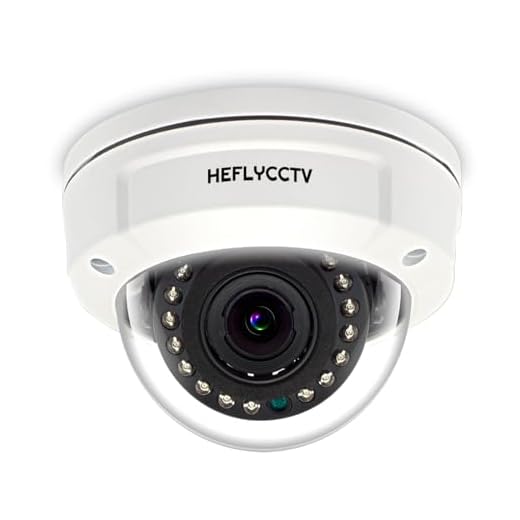
1. Determine the Field of View (FOV)
Before choosing a lens size, you need to determine the field of view you want to capture. Consider the area you want to monitor and the level of detail you require. A wider field of view requires a shorter focal length, while a narrow field of view needs a longer focal length.
2. Consider the Distance to the Subject
The distance between the camera and the subject also plays a crucial role in selecting the right lens size. If you need to monitor objects that are far away, a longer focal length is necessary, while closer subjects require a shorter focal length.
- For long-distance monitoring, consider a lens with a focal length of 12mm or higher.
- For short-distance monitoring, opt for a lens with a focal length of 2.8mm to 8mm.
By considering these factors and understanding your surveillance needs, you can choose the right security camera lens size to ensure optimal performance and coverage.
Understanding the Basics of Security Camera Lens Size
When choosing a security camera for your surveillance needs, one of the crucial factors to consider is the lens size. The lens size determines the field of view, focal length, and image quality of the camera. Understanding the basics of security camera lens size can help you make an informed decision when selecting a camera for your security setup.
Factors to Consider:
- Focal Length: The focal length of the lens determines how zoomed in or out the camera’s view will be. A smaller focal length provides a wider field of view, while a larger focal length results in a narrower field of view with more zoom.
- Field of View: The field of view is the area that the camera can capture. It is influenced by the lens size, focal length, and sensor size of the camera. A wider field of view is suitable for monitoring large areas, while a narrower field of view is better for focusing on specific details.
By understanding these basics of security camera lens size, you can choose the right lens size that meets your surveillance requirements and ensures optimal performance for your security system.
Factors to Consider When Determining Security Camera Lens Size
When choosing the right lens size for your security camera, there are several important factors to consider:
1. Field of View
The field of view (FOV) determines how much area the camera can cover. A larger lens size will provide a narrower FOV, allowing you to focus on specific areas in more detail. On the other hand, a smaller lens size will offer a wider FOV, capturing more of the scene but with less detail.
2. Distance and Resolution
The distance between the camera and the subject, as well as the desired resolution, play a crucial role in selecting the right lens size. If you need to monitor objects that are far away, a larger lens size with a longer focal length is recommended for better clarity and detail. For closer subjects or wider coverage, a smaller lens size may be more suitable.
Importance of Choosing the Correct Lens Size for Security Cameras
Choosing the correct lens size for security cameras is crucial for ensuring optimal surveillance and monitoring. The lens size directly affects the field of view and image quality of the camera. Here are some reasons why selecting the right lens size is important:
- Field of View: The lens size determines how much of the area the camera can capture. A larger lens size provides a narrower field of view, while a smaller lens size offers a wider field of view. Selecting the appropriate lens size based on the surveillance area is essential for capturing the desired view.
- Image Quality: The lens size impacts the image quality of the camera. A lens that is too small may result in distorted or pixelated images, while a lens that is too large may not capture enough detail. Choosing the correct lens size ensures clear and sharp images for effective surveillance.
- Focus and Clarity: The correct lens size helps in achieving proper focus and clarity in the camera’s footage. A mismatched lens size can lead to blurred or out-of-focus images, compromising the effectiveness of the surveillance system.
- Low-Light Performance: Different lens sizes have varying light-gathering capabilities, which affect the camera’s performance in low-light conditions. Choosing a lens size optimized for low-light environments ensures better visibility and image quality in challenging lighting situations.
Overall, selecting the correct lens size for security cameras is essential for maximizing the camera’s performance, ensuring clear and detailed surveillance footage, and enhancing the overall security of the monitored area.
How to Measure and Calculate Security Camera Lens Size
Choosing the right lens size for your security camera is crucial in ensuring that you capture the desired field of view with the right level of detail. Here are some steps to help you measure and calculate the correct lens size:
- Determine the Distance: Measure the distance from the camera to the area you want to monitor.
- Calculate the Field of View: Use a field of view calculator to determine the width and height of the area you want to capture.
- Calculate the Lens Size: Based on the field of view and distance, calculate the required lens size using the formula: Lens Size (mm) = (Distance to Object x Sensor Size) / Field of View.
- Consider the Aperture: The aperture of the lens also plays a crucial role in determining the amount of light that enters the camera. Choose an appropriate aperture based on the lighting conditions in the area.
By following these steps and calculations, you can ensure that you select the right security camera lens size for your specific surveillance needs.
Different Types of Security Camera Lenses and Their Applications
Security cameras come with a variety of lenses that determine the field of view, focal length, and zoom capabilities of the camera. Choosing the right lens for your security camera is crucial to achieve the desired surveillance coverage. Here are some common types of security camera lenses and their applications:
| Lens Type | Field of View | Applications |
|---|---|---|
| Fixed Lens | Narrow to Wide | Ideal for monitoring specific areas such as entrances, hallways, or cash registers. |
| Varifocal Lens | Adjustable | Offers flexibility to adjust the field of view and zoom level as needed. Suitable for areas with changing surveillance needs. |
| Zoom Lens | Variable | Allows operators to zoom in on distant objects for detailed monitoring. Great for locations requiring close-up surveillance. |
| Fisheye Lens | 360-Degree View | Provides a panoramic view of the surroundings, making it perfect for wide open spaces or large areas that need comprehensive coverage. |
Understanding the different types of security camera lenses and their applications will help you choose the right lens for your specific surveillance needs.
Common Mistakes to Avoid When Selecting Security Camera Lens Size
Choosing the right security camera lens size is crucial for capturing clear and detailed images. However, there are common mistakes that people often make when selecting a lens size for their security cameras. Here are some mistakes to avoid:
- Ignoring the Field of View: Not considering the field of view you need can lead to choosing a lens size that doesn’t cover the area you want to monitor effectively.
- Overlooking Focal Length: Failing to match the focal length of the lens with the distance to the target area can result in blurry or out-of-focus images.
- Not Considering Sensor Size: For optimal performance, make sure the lens size is compatible with the sensor size of your camera.
- Underestimating Lighting Conditions: Neglecting to choose a lens size that is suitable for the lighting conditions of the area can lead to poor image quality in low light or overexposure in bright light.
Conclusion
By avoiding these common mistakes, you can ensure that you select the right security camera lens size for your specific surveillance needs, resulting in clear and accurate footage.
Expert Recommendations for Optimal Security Camera Lens Size Selection
Choosing the right security camera lens size is crucial for ensuring optimal surveillance coverage. Here are some expert recommendations to help you select the best lens size for your security camera:
1. Determine the desired field of view: Consider the area you want to monitor and the level of detail you need to capture. A wider field of view requires a shorter focal length lens, while a narrower field of view needs a longer focal length lens.
2. Calculate the focal length: Use the formula Focal Length = (Distance x Sensor Size) / Field of View to calculate the appropriate focal length for your security camera.
3. Consider the camera’s resolution: Higher resolution cameras require lenses with higher resolving power to capture clear and detailed images.
4. Test different lens sizes: If possible, test different lens sizes to see which one provides the best coverage and image quality for your specific surveillance needs.
By following these expert recommendations, you can ensure that you choose the right security camera lens size for your surveillance system.


