
 Carmen J. Moore

Security cameras have become an essential part of home security systems, providing a sense of safety and peace of mind for homeowners. But what about renters?
Many renters wonder if they are allowed to install security cameras in their rental properties. The answer to this question is not always straightforward and can vary depending on the landlord, lease agreement, and local laws.
While some landlords may be open to the idea of renters installing security cameras, others may have restrictions or specific rules in place. It’s important for renters to carefully review their lease agreement and communicate with their landlord before making any modifications to the property.
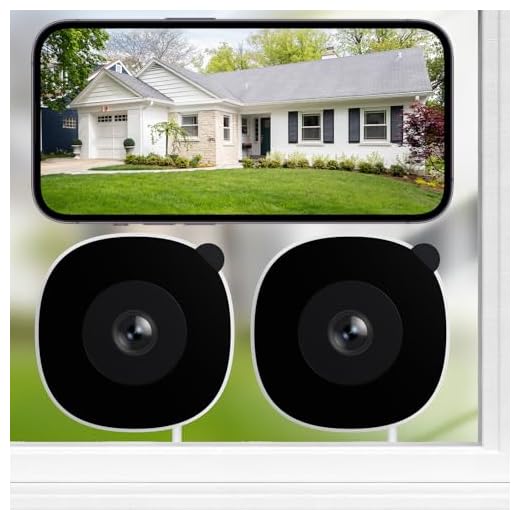


Is It Allowed To Install Security Cameras In Rental Properties?
When it comes to installing security cameras in rental properties, the rules and regulations can vary depending on the landlord, lease agreement, and local laws. In some cases, landlords may allow tenants to install security cameras as long as they follow certain guidelines and obtain permission.
Before installing security cameras in a rental property, it is important for tenants to communicate with their landlord and review their lease agreement. Some landlords may have specific rules regarding security cameras, such as requiring tenants to use a certain type of camera or limiting the placement of cameras.
If the lease agreement does not explicitly address security cameras, tenants should seek permission from the landlord before installing them. This can help avoid any potential conflicts and ensure that the installation is done in accordance with the landlord’s preferences.
In some cases, landlords may even be willing to install security cameras themselves or provide access to a security system for the rental property. This can be a convenient and cost-effective option for tenants who want added security but are not allowed to install their own cameras.
| Pros | Cons |
|---|---|
| Increased security and peace of mind | Potential damage to property during installation |
| Deterrence of potential intruders | Privacy concerns for other tenants or neighbors |
| Ability to monitor the property remotely | Potential disputes with landlord or neighbors |
In summary, while tenants may be allowed to install security cameras in rental properties, it is important to first review the lease agreement and seek permission from the landlord. By following the proper procedures and guidelines, tenants can enhance the security of their rental property while maintaining a positive relationship with their landlord.
Legal Aspects of Installing Security Cameras in Rental Properties
When it comes to installing security cameras in rental properties, there are legal considerations that tenants need to be aware of. In most cases, renters are allowed to install security cameras inside their rental units as long as they do not violate the terms of their lease agreement or infringe on the privacy rights of other tenants.
Before installing security cameras, renters should review their lease agreement to see if there are any restrictions on surveillance equipment. Some landlords may have specific rules about the type of cameras that can be installed or where they can be placed.
Additionally, renters should ensure that their security cameras comply with local laws and regulations regarding surveillance and privacy. This may include obtaining consent from neighbors if the cameras capture areas outside of the renter’s unit.
If renters have any questions or concerns about installing security cameras in their rental property, they should communicate with their landlord or property manager to ensure that they are following the law and respecting the rights of others.
Landlord’s Permission for Installing Security Cameras
As a renter, it’s important to understand the rules and regulations regarding the installation of security cameras in your rental property. In most cases, renters are required to obtain permission from their landlord before installing any security cameras.
Why You Need Permission
Installing security cameras can impact the structure of the property and may involve drilling holes or running cables, which could potentially damage the property. Landlords have the right to approve or deny any alterations to the property, including the installation of security cameras.
How to Request Permission
If you are considering installing security cameras in your rental property, it’s best to consult your lease agreement first. Some leases may already have provisions regarding security camera installations. If there are no specific rules in your lease, you should contact your landlord or property management company to request permission in writing.
| Key Points to Include in Your Request: |
|---|
| Explanation of the reason for installing security cameras |
| Details on the type and placement of cameras |
| Assurance that you will cover all installation costs |
Privacy Concerns When Installing Security Cameras
While installing security cameras can enhance safety and security in a rental property, it also raises concerns about privacy. Renters need to consider the following privacy issues before installing security cameras:
- Recording in Common Areas: Recording in common areas such as hallways, parking lots, or shared spaces can infringe on the privacy of other tenants.
- Audio Recording: Recording audio without consent may violate privacy laws. It’s important to inform others if audio recording is taking place.
- Pointing Cameras at Neighbor’s Property: Pointing cameras towards a neighbor’s property may lead to legal issues and invade their privacy.
- Data Security: Ensure that the footage recorded by security cameras is securely stored and protected from unauthorized access.
- Notification: Informing tenants about the presence of security cameras can help alleviate privacy concerns and create transparency.
It’s crucial for renters to balance security needs with privacy considerations when installing security cameras in a rental property.
Benefits of Having Security Cameras in Rental Properties
Installing security cameras in rental properties can provide numerous benefits for both landlords and tenants. Here are some key advantages:
- Enhanced Security: Security cameras act as a deterrent to potential intruders and can help prevent vandalism, theft, and other crimes on the property.
- Peace of Mind: Tenants can feel safer knowing that there are security cameras in place to monitor the property and ensure their safety.
- Remote Monitoring: Landlords can remotely access the camera feeds to check on the property in real-time, especially if they are not located nearby.
- Evidence Collection: In the unfortunate event of a crime or dispute, security camera footage can serve as crucial evidence to resolve the issue.
- Property Protection: Security cameras can help monitor common areas, parking lots, and entry points, reducing the risk of unauthorized access or damage to the property.
Overall, investing in security cameras for rental properties can contribute to a safer and more secure living environment for both landlords and tenants.
Types of Security Cameras Suitable for Rental Properties
When considering installing security cameras in a rental property, it’s important to choose the right type of camera that meets your needs while also being landlord-friendly. Here are some types of security cameras that are suitable for rental properties:
Wireless Cameras: Wireless security cameras are easy to install and can be moved around without the need for drilling holes or running cables, making them ideal for renters.
Indoor Cameras: Indoor cameras are compact and discreet, perfect for monitoring the inside of your rental property without drawing too much attention.
Outdoor Cameras: Outdoor cameras are weatherproof and designed to withstand the elements, providing added security for the exterior of your rental property.
Smart Cameras: Smart security cameras offer features like motion detection, two-way audio, and smartphone integration, allowing you to monitor your rental property remotely.
Before installing security cameras in your rental property, always check with your landlord or property management company to ensure you are following any regulations or guidelines regarding surveillance equipment.
Installation Process of Security Cameras in Rental Properties
Installing security cameras in rental properties can provide an added layer of protection and peace of mind for tenants. However, it’s important to follow certain guidelines and procedures to ensure a smooth installation process:
1. Obtain Permission
Before installing security cameras, renters should always obtain permission from the landlord or property management company. Review the lease agreement to understand any restrictions or requirements related to installing security cameras.
2. Choose the Right Camera Placement
When selecting the placement for security cameras, consider areas that need monitoring such as entryways, common areas, and parking lots. Ensure the cameras are positioned in a way that maximizes coverage while respecting the privacy of other tenants.
- Install cameras at eye level for optimal viewing angles.
- Avoid pointing cameras directly at neighboring properties.
By following these guidelines and working closely with the landlord or property management, renters can successfully install security cameras in their rental properties.
Cost of Installing Security Cameras in Rental Properties
When it comes to installing security cameras in rental properties, the cost can vary depending on several factors. Here are some key considerations:
- Equipment Cost: The cost of security cameras can range from affordable to expensive, depending on the brand, features, and quality. It’s essential to research different options and choose a system that fits your budget.
- Installation Fee: If you’re not comfortable installing the cameras yourself, you may need to hire a professional installer. This can add to the overall cost of the security camera system.
- Monthly Monitoring Fee: Some security camera systems require a monthly monitoring fee for services like cloud storage, remote access, and alerts. Be sure to factor this cost into your budget.
- Additional Features: If you want advanced features like night vision, motion detection, or two-way audio, you may need to invest in higher-end cameras, which can increase the overall cost.
- Legal Compliance: Before installing security cameras in a rental property, make sure you comply with local laws and regulations. Some areas have specific rules about where cameras can be placed and how they can be used.
Overall, the cost of installing security cameras in rental properties can vary widely depending on your needs and preferences. It’s important to consider all factors and choose a system that provides the level of security you require within your budget constraints.

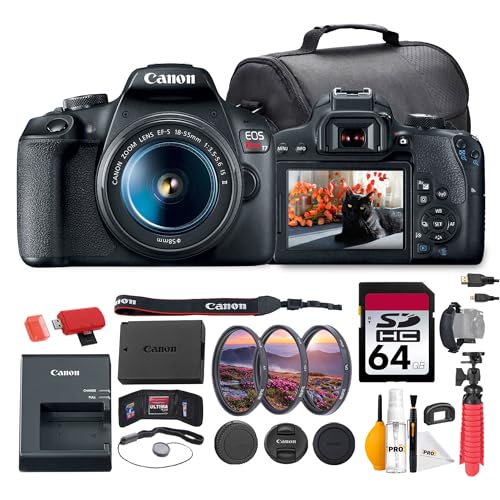

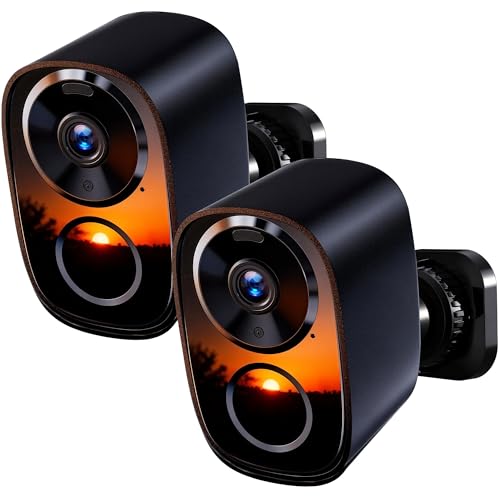


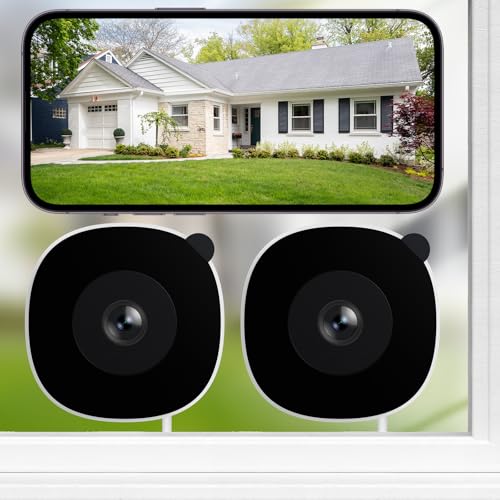
I disagree that renters should always need permission. What if it's a matter of personal safety? Sometimes I think landlords should be more understanding.
I recently installed a couple of wireless security cameras in my rental unit. I spoke to my landlord first, and he was totally on board with it as long as I agreed to not drill any holes. It’s been a great experience so far. I feel much safer, and I can monitor the property from my phone. Just make sure to keep the cameras pointed towards my unit and not out into common areas to respect neighbors' privacy.
I’m a bit confused about the rules for installing security cameras as a renter. Do I need to get written permission from my landlord even if my lease doesn’t specifically mention cameras?