
 Carmen J. Moore

Outdoor security cameras are essential for protecting your home or business from potential threats and intruders. With a wide range of options available on the market, choosing the right camera can be overwhelming. Here are some key factors to consider when selecting an outdoor security camera to ensure the safety and security of your property.
First and foremost, consider the resolution and video quality of the camera. High-definition (HD) cameras provide clear and crisp images, making it easier to identify any potential threats. Look for cameras with at least 1080p resolution for optimal performance.
Another important factor to consider is the field of view of the camera. A wider field of view allows the camera to capture more area and reduce blind spots. Consider cameras with a field of view of 120 degrees or more for comprehensive coverage.


Factors to Consider
When choosing an outdoor security camera, there are several factors you should consider to ensure you select the right one for your needs:
- Resolution: Look for a camera with high resolution for clear images and videos.
- Field of view: Consider the field of view the camera offers to ensure it covers the necessary area.
- Night vision: Opt for a camera with night vision capabilities for 24/7 surveillance.
- Weather resistance: Choose a camera that is weatherproof to withstand outdoor conditions.
- Power source: Decide whether you want a wired or wireless camera based on your preferences.
- Storage: Determine how you want to store your footage, whether through cloud storage or a local SD card.
- Remote access: Look for cameras that offer remote access to view live footage from anywhere.
Location and Coverage
When choosing an outdoor security camera, it is crucial to consider the location where you will be installing it. Make sure the camera has a clear view of the area you want to monitor, without any obstacles blocking the view. The camera should be placed high enough to prevent tampering but also within reach for maintenance.
Additionally, think about the coverage area you want the camera to capture. Some cameras offer a wide-angle view, while others are more focused. Consider the size of the area you want to monitor and choose a camera that can provide the necessary coverage.
Resolution and Clarity
One of the most important factors to consider when choosing an outdoor security camera is the resolution and clarity of the footage it captures. Higher resolution cameras will provide clearer images and make it easier to identify details such as faces or license plates.
Look for cameras with at least 1080p resolution, but if you can afford it, consider a 4K camera for even sharper images. Keep in mind that higher resolution cameras may require more storage space, so make sure you have a plan for storing and managing your footage.
Weather Resistance
When choosing an outdoor security camera, it is crucial to consider its weather resistance rating. Look for cameras that are specifically designed to withstand various weather conditions, such as rain, snow, extreme heat, and cold temperatures. A weather-resistant camera will ensure reliable performance and longevity, even in harsh outdoor environments.
Check the IP (Ingress Protection) rating of the camera, which indicates its level of protection against dust and water. A higher IP rating means better protection against the elements. Additionally, opt for cameras with a durable construction and weatherproof housing to ensure they can withstand any weather conditions.
| Key Considerations: |
| 1. IP rating for dust and water resistance |
| 2. Durable construction and weatherproof housing |
| 3. Ability to withstand rain, snow, heat, and cold |
Power Source
When choosing an outdoor security camera, it is essential to consider the power source. There are generally two options for powering outdoor cameras:
- Wired: Wired outdoor cameras are connected to a power source via a cable. This ensures a continuous power supply and eliminates the need for battery changes. However, installation may be more complex due to the need for wiring.
- Wireless: Wireless outdoor cameras are powered by batteries or solar panels. They offer more flexibility in terms of installation as they do not require wiring. However, you will need to regularly change or recharge the batteries to ensure continuous operation.
Connectivity Options
When choosing an outdoor security camera, one important factor to consider is the connectivity options it offers. Different cameras come with different connectivity features, so it’s essential to choose one that fits your needs.
Wireless Connectivity
Wireless security cameras offer easy installation and flexibility in terms of camera placement. They connect to your home Wi-Fi network, allowing you to monitor your property remotely through a smartphone or computer. Make sure to check the camera’s Wi-Fi range and signal strength to ensure reliable connectivity.
Wired Connectivity
Some outdoor security cameras use wired connections, such as Ethernet cables, for data transmission. While wired cameras may require more complex installation, they often provide a more stable connection and can be more secure against hacking or interference. Consider the distance from the camera to your router when choosing a wired option.
Storage and Recording
When choosing an outdoor security camera, it’s important to consider how the footage will be stored and recorded. There are two main options for storage: cloud storage and local storage.
Cloud Storage: With cloud storage, the footage from your outdoor security camera is saved to a remote server maintained by the camera manufacturer. This allows you to access your footage from anywhere with an internet connection. However, you may need to pay a subscription fee for cloud storage, and there may be limitations on the amount of footage you can store.
Local Storage: Local storage means that the footage is saved directly to a physical device, such as a microSD card or a network-attached storage (NAS) system. This option gives you more control over your footage and eliminates the need for a subscription fee. However, you may need to regularly back up your footage to ensure it doesn’t get lost or overwritten.
Consider your storage needs and preferences when choosing an outdoor security camera to ensure that you have a reliable and convenient way to store and access your footage.
Remote Viewing
One of the key features to consider when selecting an outdoor security camera is remote viewing capability. This allows you to access live footage from your camera remotely via a smartphone, tablet, or computer. Look for cameras that offer easy-to-use mobile apps or web interfaces that enable you to check in on your property from anywhere at any time.
Remote viewing can provide peace of mind when you are away from home, as you can monitor your property and receive alerts if any suspicious activity is detected. Make sure to choose a camera with reliable remote viewing functionality to ensure you can always keep an eye on your surroundings.
Budget and Cost
When choosing an outdoor security camera, it’s important to consider your budget and the total cost of the system. Outdoor security cameras come in a wide range of prices, from affordable options to high-end models with advanced features. Before making a purchase, determine how much you are willing to spend on a security camera system.
Keep in mind that the cost of the camera is not the only expense to consider. You may also need to invest in additional equipment such as storage devices, cables, and installation services. Factor in these costs when planning your budget for an outdoor security camera system.
While it’s tempting to opt for the cheapest option available, remember that quality and reliability are crucial when it comes to security cameras. Investing in a higher-quality camera may save you money in the long run by providing better performance and durability.
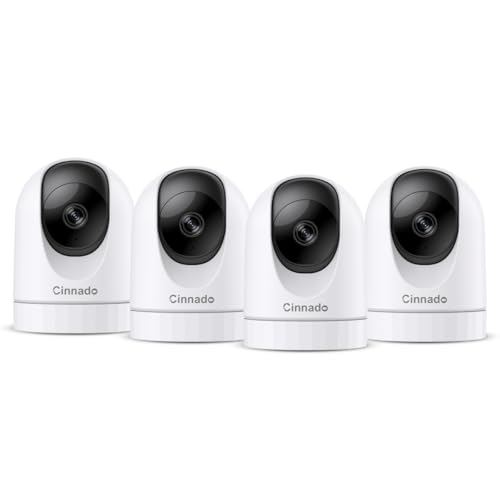


I recently purchased a wireless outdoor security camera with night vision. I was surprised by how clear the footage is at night compared to my last camera. It was also easy to install since it didn't require wiring. Just a heads up, though, I have to charge the batteries every few months, which is a bit of a hassle.
What’s the best resolution for an outdoor camera if I want to recognize faces clearly? Is 1080p enough, or should I go for 4K?
I've been using a 1080p camera, and it works well, but I've heard 4K is even sharper for detail. Depends on your budget too!
I disagree with the recommendation for 120 degrees field of view. In my experience, anything wider can distort the image, making it hard to recognize details.
That's a valid point. I think it depends on the area being monitored. A wider view is great for open spaces, but not so much in tighter areas.
Can someone explain the difference between cloud storage and local storage for these cameras? Which is generally recommended?