
 Carmen J. Moore

In today’s digital age, security cameras are ubiquitous in homes, businesses, and public spaces. While these cameras are intended to enhance security and provide peace of mind, they also raise concerns about privacy and vulnerability to hacking.
With the rise of internet-connected cameras, the potential for unauthorized access has increased. Hackers can exploit security vulnerabilities in camera systems to gain access to live feeds, recordings, and even control the cameras remotely.
While manufacturers strive to improve the security of their camera systems, the reality is that many cameras still have weaknesses that can be exploited by hackers with the right skills and tools.
The Vulnerability of Security Cameras
Security cameras are an essential tool for monitoring and protecting homes, businesses, and public spaces. However, these devices are not immune to hacking and other security vulnerabilities. Hackers can exploit weaknesses in security camera systems to gain unauthorized access to live feeds, recorded footage, and even control of the cameras themselves.


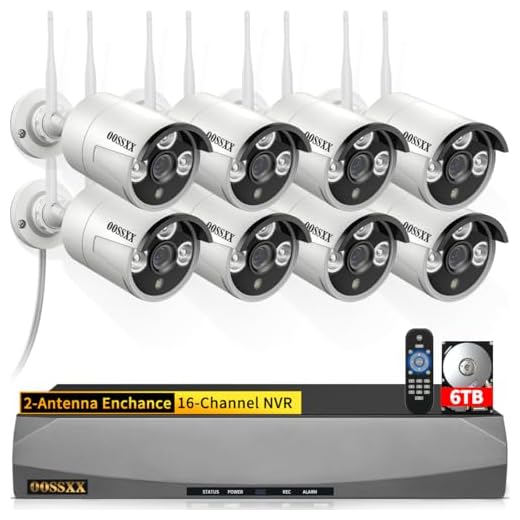
One common vulnerability is weak or default passwords. Many users fail to change the default password on their security cameras, making it easy for hackers to guess or brute-force their way into the system. It is essential to use strong, unique passwords for all security devices and regularly update them to prevent unauthorized access.
Another vulnerability is outdated firmware. Security camera manufacturers release firmware updates to fix security flaws and improve performance. Failure to install these updates leaves cameras vulnerable to exploitation by hackers. Regularly check for and install firmware updates to ensure the security of your camera system.
Additionally, insecure network connections and lack of encryption can also make security cameras vulnerable to hacking. Hackers can intercept unencrypted data transmitted between the camera and the monitoring device, gaining access to sensitive information. Use secure network connections and enable encryption to protect your security camera system from unauthorized access.
Overall, it is crucial to be aware of the vulnerabilities that security cameras face and take proactive steps to secure them. By regularly updating passwords, firmware, and ensuring secure network connections, you can help protect your security cameras from hacking and unauthorized access.
Overview of Security Camera Systems
Security camera systems are essential for monitoring and protecting homes, businesses, and public spaces. These systems consist of cameras that capture video footage and record it for later viewing. They are often connected to a central monitoring station or accessible remotely via the internet.
Modern security camera systems come equipped with advanced features such as motion detection, night vision, and two-way audio communication. They can be wired or wireless, and some models even offer cloud storage for easy access to recorded footage.
Types of Security Cameras
There are several types of security cameras available, including dome cameras, bullet cameras, and PTZ (pan-tilt-zoom) cameras. Each type has its own set of features and benefits, depending on the specific surveillance needs.
Overall, security camera systems play a crucial role in deterring criminal activity, monitoring suspicious behavior, and providing valuable evidence in case of incidents. With the right system in place, you can enhance the security of your property and have peace of mind knowing that you are always keeping an eye on what matters most.
Potential Risks of Security Cameras
While security cameras provide an added layer of protection for homes and businesses, they also come with potential risks that need to be considered:
| 1. | Privacy Concerns: Security cameras may invade the privacy of individuals if not properly positioned or secured. |
| 2. | Hacking Threats: Hackers can exploit vulnerabilities in security camera systems to gain unauthorized access to the footage. |
| 3. | Data Breaches: If security camera systems are not adequately protected, they can be vulnerable to data breaches, leading to the exposure of sensitive information. |
| 4. | Physical Tampering: Security cameras can be physically tampered with or disabled, compromising the security of the premises. |
| 5. | Legal Compliance: Failure to comply with privacy laws and regulations when installing or using security cameras can result in legal consequences. |
Common Methods of Hacking
Hacking into security cameras can be achieved through various methods, including:
- Brute Force Attacks: Hackers attempt to gain access by trying different username and password combinations until they find the correct one.
- Phishing: Sending fake emails or messages to trick users into revealing their login credentials.
- Exploiting Vulnerabilities: Taking advantage of security weaknesses in the camera’s software or firmware.
- Default Credentials: Many users forget to change the default login details, making it easy for hackers to access the camera.
- Packet Sniffing: Intercepting network traffic to capture sensitive information, such as login credentials.
By understanding these common hacking methods, users can take steps to protect their security cameras from unauthorized access.
Impact of Security Camera Breaches
When security cameras are breached, the consequences can be severe and far-reaching. Here are some of the potential impacts of a security camera hack:
Data Privacy Concerns
One of the most significant impacts of a security camera breach is the violation of data privacy. Hackers may gain access to sensitive footage, compromising the privacy of individuals and businesses captured on camera.
Security Risks
A security camera breach can also pose serious security risks. Hackers may use the compromised cameras to gather information about a target’s security vulnerabilities or to conduct surveillance for malicious purposes.
Ways to Protect Your Security Camera
1. Change the default username and password: One of the easiest ways hackers gain access to security cameras is through default login credentials. Make sure to change the default username and password to a strong, unique combination.
2. Update your camera’s firmware: Manufacturers regularly release firmware updates to patch security vulnerabilities. Keep your security camera up to date with the latest firmware to protect against potential hacks.
3. Use a strong Wi-Fi password: Ensure your Wi-Fi network is secure by using a strong password that is not easily guessed. A secure network will help prevent unauthorized access to your security camera.
Best Practices for Securing Security Cameras
Securing your security cameras is crucial to prevent unauthorized access and potential hacking. Follow these best practices to enhance the security of your camera system:
| 1. Change Default Passwords: | Always change the default passwords of your security cameras to unique, strong passwords to prevent easy access by hackers. |
| 2. Keep Firmware Updated: | Regularly update the firmware of your security cameras to patch any vulnerabilities and ensure the latest security features. |
| 3. Use Secure Networks: | Connect your security cameras to secure, encrypted networks to prevent eavesdropping and unauthorized access. |
| 4. Disable Unused Features: | Disable any unused features or services on your security cameras to reduce the attack surface and minimize security risks. |
| 5. Implement Access Control: | Limit access to your security cameras to authorized users only and implement strong access control measures to prevent unauthorized entry. |
Legal Implications of Camera Hacking
Unauthorized access to security cameras is a serious offense that can lead to legal consequences. Hacking into a camera without permission violates privacy laws and can result in criminal charges.
Violation of privacy is a key concern when it comes to camera hacking. Individuals have the right to privacy in their homes, workplaces, and public spaces. Unauthorized access to security cameras infringes upon this right and can lead to civil lawsuits.
Potential penalties for camera hacking include fines, imprisonment, and civil damages. Individuals found guilty of hacking into security cameras may face legal action from both authorities and affected parties.
Protecting against legal risks requires individuals and businesses to secure their camera systems properly. Implementing strong passwords, regularly updating software, and monitoring for suspicious activity are essential steps to prevent unauthorized access and potential legal consequences.
Industry Efforts to Enhance Camera Security
As the threat of hacking into security cameras continues to grow, the industry is taking proactive steps to enhance camera security. One key initiative is the development and implementation of more robust encryption protocols to protect the data transmitted between cameras and monitoring systems.
Collaboration with Cybersecurity Experts
To stay ahead of evolving cyber threats, camera manufacturers are collaborating with cybersecurity experts to identify vulnerabilities and develop patches to address them. Regular security audits and testing are also conducted to ensure that cameras meet industry standards for data protection.
Additionally, industry organizations are working on establishing best practices for camera security, including guidelines for secure installation, password management, and software updates. By promoting awareness and education among users, the industry aims to reduce the risk of unauthorized access to security cameras.


I had an experience where my security camera was hacked. I noticed strange logins from unfamiliar locations. I ended up changing my passwords and updating the firmware, but it was a scary situation. I wish I had known about the risks earlier.
How can I tell if my security camera is vulnerable to hacking? Are there specific signs I should look for?
I don’t think hacking is as big of a threat as it’s made out to be. Most people don't have anything worth stealing, right?
That might be true for some, but privacy invasion can happen to anyone. It’s better to be safe than sorry.
I'm debating between a wired vs. wireless security camera system. Which do you think is more secure against hacking?
Wireless cameras can be more vulnerable to hacking if not set up correctly. But wired systems can also have vulnerabilities if not properly secured.
What exactly do you mean by 'secure networks'? Can I just use my regular Wi-Fi?
A secure network typically means using a strong password and encryption methods like WPA3. While a regular Wi-Fi can be secure, it's important to ensure it's properly configured.
It's essential to consider privacy implications when installing security cameras. Being aware of where you point them can help avoid privacy invasions.