
 Carmen J. Moore

Security cameras are essential tools for monitoring and protecting your property. They provide a sense of security and peace of mind, especially in today’s world where safety is a top priority. However, when installing a security camera, one common question that arises is whether or not it needs to be grounded.
Grounding a security camera is an important safety measure that helps protect the camera, its components, and your property from electrical surges and lightning strikes. By grounding the camera, you create a path for the electrical current to safely dissipate into the ground, reducing the risk of damage or malfunction.
While not all security cameras require grounding, it is generally recommended to do so to ensure their proper functioning and longevity. Consult the manufacturer’s guidelines and local electrical codes to determine if grounding is necessary for your specific camera model.
Do I Need to Ground a Security Camera?
Grounding a security camera is an important consideration to ensure the safety and proper functioning of the device. While some security cameras may not require grounding, it is generally recommended to ground them to prevent electrical issues and ensure reliable operation.
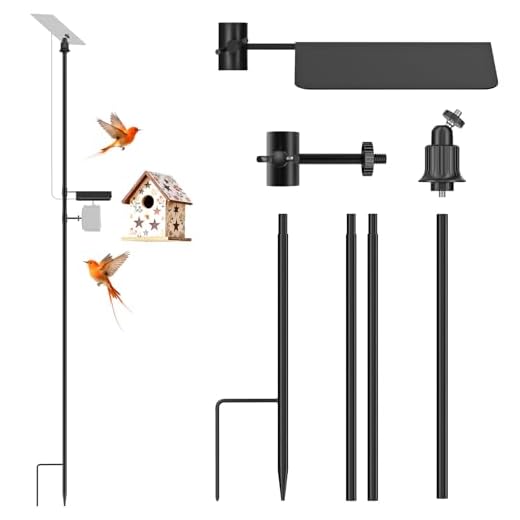


Why Grounding is Important
Grounding helps protect the camera from power surges, static electricity, and other electrical disturbances that could damage the device or affect its performance. It also helps prevent electrical shock hazards and ensures compliance with safety regulations.
How to Ground a Security Camera
To ground a security camera, you can connect the camera’s grounding wire to a suitable grounding point, such as a grounding rod or the grounding terminal of a power supply. It is important to follow the manufacturer’s instructions and local electrical codes when grounding a security camera.
Importance of Grounding for Security Cameras
Grounding is essential for security cameras as it helps protect the equipment from electrical surges and lightning strikes. By providing a path for excess electrical current to safely dissipate into the ground, grounding prevents damage to the camera and ensures the safety of the surrounding area.
Proper grounding also helps reduce interference and improve the overall performance of the security camera system. Without proper grounding, the camera may experience issues with image quality, data transmission, and overall reliability.
Therefore, it is highly recommended to ensure that security cameras are properly grounded to protect the equipment, enhance performance, and maintain a safe operating environment.
Benefits of Grounding Your Security Camera
Grounding your security camera can provide several benefits, including:
1. Improved safety: Grounding your security camera helps protect it from power surges and lightning strikes, reducing the risk of electrical shock or damage to the camera.
2. Enhanced performance: Proper grounding can improve the overall performance of your security camera system by ensuring a stable electrical connection and reducing interference.
3. Compliance with regulations: Some building codes and regulations may require grounding for electrical devices, including security cameras, to ensure safety and proper functioning.
4. Longevity: Grounding your security camera can extend its lifespan by preventing electrical issues that may lead to malfunctions or premature failure.
5. Peace of mind: Knowing that your security camera is properly grounded can give you peace of mind, knowing that it is protected and functioning effectively to keep your property secure.
Grounding Requirements for Security Cameras
Grounding a security camera is an important step to ensure the safety and proper functioning of the device. Here are some key grounding requirements to keep in mind:
- Ensure that the camera is properly grounded to prevent electrical shock hazards.
- Follow the manufacturer’s guidelines for proper grounding techniques.
- Use a grounding wire to connect the camera to a grounding rod or a grounding bus bar.
- Make sure that the grounding connection is secure and tight to provide a good electrical connection.
- Regularly inspect the grounding connection to ensure that it is intact and in good condition.
By following these grounding requirements, you can help protect your security camera system and ensure its optimal performance.
How to Properly Ground a Security Camera
Grounding a security camera is essential to ensure the safety and proper functioning of the device. Here are some steps to help you properly ground your security camera:
1. Use a Grounding Wire
Start by using a grounding wire that is specifically designed for electrical grounding. This wire should be connected to the grounding terminal on the camera and then securely attached to a grounding rod or other suitable grounding point.
2. Follow Manufacturer’s Instructions
Always follow the manufacturer’s instructions when grounding your security camera. These instructions will provide specific guidance on how to properly ground the camera to prevent electrical hazards and ensure optimal performance.
By following these steps and taking proper precautions, you can ensure that your security camera is safely and effectively grounded.
Common Mistakes in Grounding Security Cameras
When it comes to grounding security cameras, there are some common mistakes that people make that can lead to issues with the system. Here are a few of the most common mistakes:
1. Not properly grounding the camera: Failing to properly ground the camera can lead to electrical interference and potential damage to the equipment.
2. Using the wrong grounding method: It’s important to use the correct grounding method for your specific camera system. Using the wrong method can result in ineffective grounding.
3. Neglecting to test the ground: After installing the grounding system, it’s essential to test it to ensure that it’s working correctly. Neglecting this step can lead to problems down the line.
4. Ignoring local building codes: Make sure to check local building codes and regulations regarding grounding requirements for security cameras. Failure to comply with these codes can result in fines or other penalties.
By avoiding these common mistakes and following proper grounding practices, you can ensure that your security camera system functions effectively and safely.
When to Seek Professional Help for Grounding
While grounding a security camera can often be done by following manufacturer instructions or online tutorials, there are certain situations where it may be best to seek professional help. Here are some scenarios where you should consider contacting a professional:
1. Complex Wiring Systems
If your property has a complex wiring system or if you are unsure about how to properly ground your security camera within the existing setup, it is advisable to consult with a professional electrician. They will have the expertise to assess the wiring and ensure that the grounding is done correctly.
2. Safety Concerns
If you have safety concerns about working with electrical components or if you are unsure about the safety implications of improper grounding, it is best to seek help from a professional. They can not only ensure the safety of the installation process but also prevent any potential hazards that may arise from improper grounding.



I installed a security camera last year and didn't ground it initially. After a storm, it malfunctioned, and I had to replace it. Following the grounding instructions really helped in my recent installation. It's reassuring to know that grounding can prevent future issues.
Thanks for sharing your experience! Grounding can indeed safeguard against electrical surges and improve camera longevity.
How does grounding compare to using surge protectors for security cameras? Are they equally effective, or is one better?
I think grounding isn’t always necessary. I have a camera that’s been working fine for years without being grounded. It seems to be an optional step for some setups.
While some cameras may function without grounding, it’s recommended for safety and to protect against electrical issues. Always check your manufacturer’s guidelines.
Good article! I'm curious if the grounding requirements differ for wireless cameras compared to wired ones. Would the installation process be the same?
What specific tools do I need to ground my security camera properly?
Just a tip: make sure to check local codes about grounding, as they can vary widely.