
 Carmen J. Moore

Hospital security cameras play a crucial role in ensuring the safety and security of patients, staff, and visitors within healthcare facilities. While the primary function of these cameras is to capture video footage, there is often confusion surrounding whether or not they also record sound.


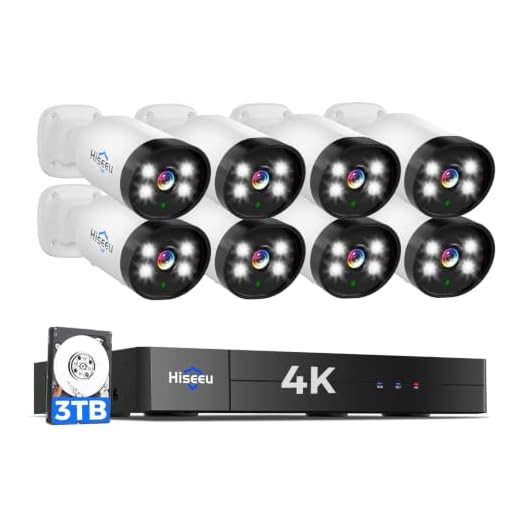
Many people wonder if hospital security cameras have the capability to record audio along with video, raising concerns about privacy and confidentiality. The answer to this question is not always straightforward and can vary depending on the specific system in place at a given hospital.
It’s important to note that laws and regulations regarding audio recording in healthcare settings can differ from state to state and country to country. Some hospitals may choose to disable audio recording on their security cameras to comply with privacy laws and protect sensitive information.
Are Hospital Security Cameras Recording Sound?
Hospital security cameras are essential for maintaining a safe and secure environment for patients, staff, and visitors. These cameras are typically used to monitor activity in various areas of the hospital and help deter criminal activities. One common question that arises is whether hospital security cameras record sound along with video footage.
Legal Considerations
It is important to note that the recording of audio in a hospital setting is subject to strict regulations and laws. In many jurisdictions, recording audio without consent is illegal, and hospitals must comply with these laws to protect patient privacy and maintain legal compliance.
Technical Capabilities
While some hospital security cameras are equipped with microphones that can capture sound, not all cameras are designed to record audio. Hospitals may choose to disable audio recording capabilities to avoid legal issues and ensure patient confidentiality. It is essential for hospitals to carefully review their security camera systems and settings to determine whether sound is being recorded.
| Pros | Cons |
|---|---|
| Enhanced security monitoring | Potential legal implications |
| Improved situational awareness | Privacy concerns |
| Ability to capture additional evidence | Security camera system complexity |
Sound Recording in Hospital Security Cameras
Many hospital security cameras are equipped with audio recording capabilities, allowing them to capture not only video but also sound. This feature can be valuable for monitoring and enhancing security measures within healthcare facilities.
Benefits of Sound Recording
Sound recording in hospital security cameras can provide additional context to video footage, helping security personnel to better understand incidents and respond effectively. It can also help in investigations and evidence collection, as audio recordings can capture conversations, alarms, or other sounds that may be crucial in determining what happened during an event.
Considerations and Privacy Concerns
While sound recording can be beneficial, it is important to consider privacy concerns and legal regulations. In some regions, there are laws governing the use of audio recording in public spaces, including hospitals. It is essential for healthcare facilities to ensure that they comply with these regulations and obtain consent when necessary to avoid violating patient privacy rights.
| Pros | Cons |
|---|---|
| Enhances security measures | Potential privacy concerns |
| Provides additional context | Legal regulations to consider |
| Useful for investigations | Consent may be required |
Privacy Concerns of Sound Recording
While security cameras in hospitals can be crucial for ensuring safety and security, the inclusion of sound recording capabilities raises significant privacy concerns. Sound recording can capture sensitive conversations between patients and healthcare providers, violating their confidentiality and privacy rights.
Furthermore, the recorded audio may contain personal information, such as medical history or financial details, which could be exploited if accessed by unauthorized individuals. Patients and staff may feel uncomfortable knowing that their conversations are being recorded, creating a chilling effect on communication and trust within the healthcare setting.
Legal Implications
Sound recording in hospitals may also raise legal issues regarding consent and compliance with privacy laws. Patients and healthcare providers must be informed and give explicit consent for audio recording, in accordance with legal requirements.
Failure to adequately address privacy concerns related to sound recording in hospital security cameras could result in legal repercussions, including lawsuits and regulatory penalties.
Laws and Regulations on Audio Recording
When it comes to audio recording in hospital security cameras, there are several laws and regulations that govern the use of such technology. These laws vary by country and jurisdiction, but generally, they aim to protect the privacy and rights of individuals while ensuring the security and safety of the premises.
In the United States, for example, the federal Wiretap Act prohibits the interception of oral communications without consent. This means that in most cases, hospitals must inform individuals if they are being recorded and obtain their consent. Additionally, some states have two-party consent laws, which require all parties involved to consent to the recording.
Key points to consider:
- Check local and federal laws regarding audio recording in hospital security cameras.
- Obtain consent from individuals before recording audio in a hospital setting.
- Ensure compliance with privacy regulations to avoid legal consequences.
Benefits of Sound Recording in Hospitals
1. Enhanced Security: Sound recording in hospitals can help enhance security measures by capturing audio evidence of incidents, such as altercations, threats, or suspicious activities.
2. Improved Patient Care: Sound recording can aid in monitoring patient interactions with healthcare providers, ensuring quality care and adherence to protocols.
3. Training and Education: Recorded audio can be used for training staff on communication skills, conflict resolution, and proper patient care practices.
4. Legal Protection: Sound recordings can serve as valuable evidence in legal proceedings, providing clarity on situations and helping to protect hospitals from liability claims.
5. Accountability: Having sound recordings can promote accountability among staff, as they know their interactions are being monitored and can be reviewed if necessary.
6. Incident Investigation: In case of incidents or disputes, sound recordings can provide valuable information for investigation and resolution.
7. Compliance and Regulation: Sound recording can help hospitals comply with regulations related to patient safety, privacy, and security, ensuring a safe and secure healthcare environment.
Best Practices for Sound Recording in Healthcare Facilities
Sound recording in healthcare facilities can be a valuable tool for enhancing security and improving patient care. However, there are important considerations and best practices that should be followed to ensure that sound recording is used effectively and ethically.
| 1. Obtain Consent: | Before implementing sound recording in any healthcare setting, it is essential to obtain consent from patients, staff, and visitors. Inform stakeholders about the purpose of the recordings and how the data will be used. |
| 2. Protect Privacy: | Ensure that sound recordings are stored securely and only accessed by authorized personnel. Implement measures to protect the privacy of individuals whose voices may be captured. |
| 3. Maintain Compliance: | Adhere to relevant laws and regulations governing the recording of sound in healthcare facilities. Stay informed about changes in legislation and update policies accordingly. |
| 4. Use Sound Judiciously: | Record sound only when necessary for security or patient care purposes. Avoid recording sensitive conversations or private interactions unless there is a clear justification. |
| 5. Regularly Audit and Review: | Conduct regular audits of sound recordings to ensure compliance with policies and identify any issues or areas for improvement. Review recordings for training and quality assurance purposes. |
By following these best practices, healthcare facilities can leverage sound recording technology effectively while respecting the rights and privacy of individuals in their care.
Technology Advancements in Audio Surveillance
Audio surveillance technology has seen significant advancements in recent years, allowing for more sophisticated and efficient monitoring capabilities. One of the key developments in this field is the integration of high-quality microphones with security cameras, enabling comprehensive audio and video recording in hospital settings.
Modern audio surveillance systems are designed to capture clear and crisp sound, even in noisy environments such as hospitals. This is achieved through the use of noise-canceling technology and advanced audio processing algorithms that filter out background noise and enhance the clarity of recorded audio.
Furthermore, some audio surveillance systems offer features such as two-way audio communication, allowing security personnel to interact with individuals in real-time. This can be particularly useful in emergency situations where immediate communication is crucial for ensuring the safety and security of patients and staff.
| Advancements in Audio Surveillance | Description |
|---|---|
| Noise-canceling technology | Reduces background noise for clearer audio recording. |
| Two-way audio communication | Enables real-time interaction between security personnel and individuals. |
| Advanced audio processing algorithms | Enhance audio quality and filter out unwanted noise. |


Does anyone know if hospitals generally inform patients that they’re being recorded with audio? It seems like it would be really important for patient privacy.
I disagree with the idea that audio recording is always beneficial. Privacy should come first, especially when dealing with sensitive patient information.
I used to work in a hospital where we had security cameras with audio. It was helpful for investigating incidents, but there were some tense moments when patients found out they were being recorded. It made some of them very uncomfortable. I think transparency is crucial in these situations.
Thanks for sharing your experience! I can see how that could create trust issues. Did the hospital have any specific policies in place to handle that?