
 Carmen J. Moore

Wireless security cameras have become increasingly popular for home and business surveillance. They offer flexibility, ease of installation, and remote monitoring capabilities. However, one common question that arises is whether all wireless security cameras need to be plugged in to a power source.
While some wireless security cameras do require a power source for continuous operation, there are also battery-powered options available. These battery-powered cameras offer the advantage of being truly wireless, as they do not need to be connected to a power outlet. This makes them ideal for locations where running power cables is difficult or impractical.


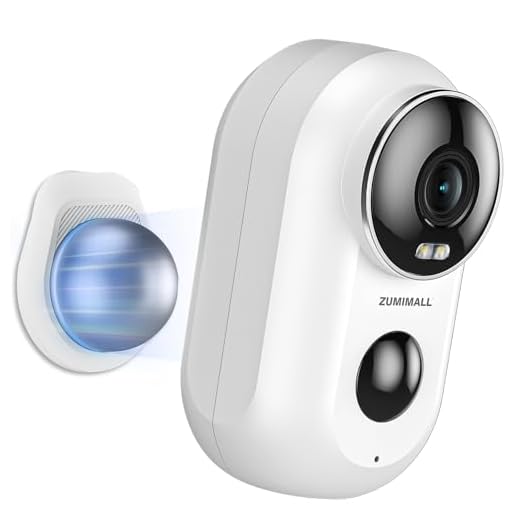
It’s important to carefully consider your needs and the specific features of the camera you choose when deciding whether it needs to be plugged in. Factors such as battery life, power consumption, and intended placement should all be taken into account to ensure you select the right wireless security camera for your situation.
Are Wireless Security Cameras Truly Wireless?
While wireless security cameras are marketed as “wireless,” they are not entirely free of wires. Most wireless security cameras still require a power source to operate, which means they need to be plugged into an electrical outlet. This power requirement makes them not entirely wireless in the traditional sense.
However, many wireless security cameras connect to the internet via Wi-Fi, allowing you to monitor your property remotely without the need for physical cables. This wireless connectivity enables you to access live footage and receive alerts on your smartphone or computer, providing a convenient way to keep an eye on your home or business.
| Pros of Wireless Security Cameras | Cons of Wireless Security Cameras |
|---|---|
| Easy installation without the need for complex wiring | May require frequent recharging or battery replacement |
| Remote access and monitoring from anywhere with an internet connection | Dependent on a stable Wi-Fi network for optimal performance |
| Flexible placement options for optimal camera positioning | Limited range compared to wired cameras |
In conclusion, while wireless security cameras offer greater flexibility and convenience compared to wired cameras, they still require a power source and may have limitations in terms of range and battery life. It’s essential to consider these factors when choosing a security camera system for your property.
Understanding the Power Source
Wireless security cameras can vary in terms of their power source requirements. While some wireless cameras are battery-powered, others may require a constant power source to function properly.
Battery-Powered Cameras
Battery-powered wireless cameras offer flexibility in terms of installation as they do not require a constant power source. However, it is important to regularly check and replace the batteries to ensure uninterrupted operation.
Plugged-In Cameras
Some wireless security cameras need to be plugged into a power source at all times to function. This type of camera eliminates the need for battery changes but may limit placement options due to the proximity to an electrical outlet.
Benefits of Battery-Powered Cameras
Battery-powered security cameras offer several advantages over wired cameras. Here are some key benefits:
1. Easy Installation: Battery-powered cameras are easy to install since they don’t require any wiring or electrical outlets. This makes them a great option for renters or those who want a hassle-free setup.
2. Flexibility: With battery-powered cameras, you can place them virtually anywhere without being limited by the availability of power outlets. This flexibility allows you to cover more areas of your property.
3. Portable: Battery-powered cameras are portable, making them easy to move around as needed. This is particularly useful if you want to monitor different areas of your home or if you move frequently.
4. Power Outage Protection: Battery-powered cameras continue to function even during power outages, ensuring that your property remains secure at all times.
5. DIY-Friendly: Since battery-powered cameras are wireless, they are often easier to set up and manage on your own, saving you time and money on professional installation.
Overall, battery-powered security cameras provide a convenient and reliable solution for home surveillance without the need for constant power sources.
Challenges of Wired Cameras
While wired security cameras offer reliable power source and continuous recording capabilities, they come with their own set of challenges.
Limited Placement Options
Wired cameras require a physical connection to a power outlet, limiting where they can be installed. This can be a challenge in areas where power sources are limited or difficult to access.
Complex Installation Process
Installing wired cameras involves running cables through walls or ceilings, which can be time-consuming and may require professional help. This adds to the overall cost and complexity of setting up a wired security camera system.
Factors to Consider When Choosing a Camera
When choosing a wireless security camera, there are several factors to consider to ensure you select the right one for your needs:
- Power Source: Determine if the camera needs to be plugged in or if it runs on battery power. This will impact where you can install the camera and how often you need to recharge or replace batteries.
- Indoor vs. Outdoor: Consider where you plan to place the camera. Outdoor cameras need to be weatherproof and have features like night vision for optimal performance.
- Resolution: Higher resolution cameras provide clearer images, but they may also require more storage space. Choose a resolution that meets your needs without sacrificing quality.
- Field of View: The field of view determines how much area the camera can cover. Wide-angle lenses are ideal for monitoring large spaces, while narrow lenses are better for focusing on specific areas.
- Connectivity: Check if the camera offers Wi-Fi connectivity for easy installation and remote access. Some cameras may also support Ethernet or cellular connections for more stability.
Conclusion
By considering these factors, you can choose a wireless security camera that meets your requirements and provides reliable surveillance for your home or business.
Installation and Maintenance of Wireless Cameras
Installation: Setting up wireless security cameras is relatively easy compared to wired systems. Simply mount the camera in the desired location, connect it to your Wi-Fi network, and adjust the settings as needed. Some cameras may require a power source, while others are battery-operated for added flexibility.
Maintenance: Regular maintenance of wireless cameras is essential to ensure optimal performance. This includes checking the camera’s battery or power source, cleaning the lens and housing, and updating the firmware regularly to protect against security vulnerabilities. It is also important to monitor the camera’s connectivity to the network and troubleshoot any issues promptly.
Security and Reliability of Power Supply
When it comes to wireless security cameras, the power supply is a critical aspect of their functionality. Ensuring a reliable and secure power source is essential to maintaining the continuous operation of the cameras.
Security
Having a secure power supply for your wireless security cameras is important to prevent any tampering or unauthorized access. Make sure to use high-quality power sources and secure the power cables to prevent any potential breaches.
Reliability
Reliability of the power supply is crucial for uninterrupted surveillance. Opt for power sources that have backup options such as batteries or generators in case of power outages. This ensures that your security cameras stay operational at all times, providing continuous monitoring and protection.
Future Trends in Wireless Security Cameras
As technology continues to advance, the future of wireless security cameras looks promising. Here are some trends to watch out for:
| 1. Artificial Intelligence (AI) Integration | AI-powered cameras will be able to detect and analyze suspicious activities more accurately, reducing false alarms. |
| 2. Cloud Storage | More cameras will offer cloud storage options for secure data backup and easy access to recordings from anywhere. |
| 3. 4K and Beyond | Higher resolution cameras will become more common, providing clearer and more detailed footage for enhanced security. |
| 4. Smart Home Integration | Wireless security cameras will increasingly work seamlessly with other smart home devices, offering a more connected and automated security system. |
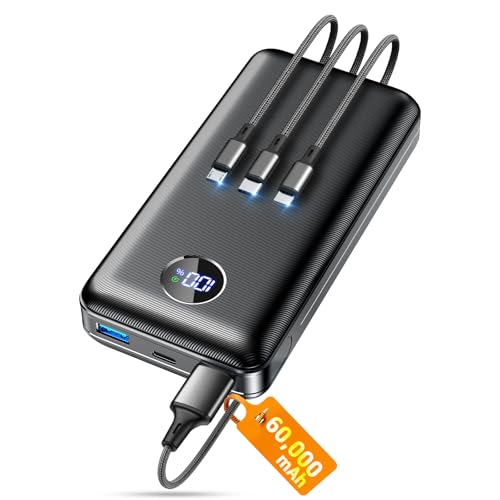
| 5. Long Battery Life | Improvements in battery technology will lead to longer-lasting wireless cameras, reducing the need for frequent recharging. |



I recently installed a battery-powered camera and it's been great! I love not being tied to a power outlet.
I recently installed a wired camera system because I wanted uninterrupted recording. While it was a hassle to run cables, I do feel more secure knowing it’s always powered. Just be aware that the placement options are limited. I can’t move them easily if I change my mind later.
I faced the same issue with my wired cameras. They work great, but I wish I had more flexibility in placement!
Wired systems do offer reliability, but battery-powered options can provide greater flexibility if you're willing to manage battery life.
Do battery-powered security cameras really last as long as advertised? I’ve seen some say they can last months, but I’m curious about real-world usage.
I'm curious, do battery-powered security cameras have a specific lifespan? How often should I expect to change the batteries?