
 Carmen J. Moore

Security cameras have become an essential tool in safeguarding properties and ensuring safety. However, when it comes to rental properties, the question arises: Can you install security cameras without infringing on the tenants’ rights?
Landlords often face a dilemma when it comes to balancing security needs with tenants’ privacy concerns. While some jurisdictions have specific laws governing the use of surveillance cameras in rental properties, it is important for landlords to navigate this issue carefully to avoid legal issues and maintain positive landlord-tenant relationships.
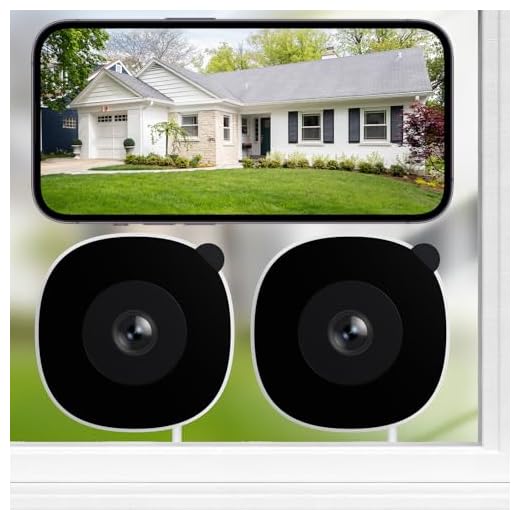


Key Considerations for Installing Security Cameras on Rental Property
When considering installing security cameras on a rental property, there are several key factors to take into account to ensure compliance, privacy, and effectiveness.
1. Legal Regulations
Before installing security cameras, it is crucial to familiarize yourself with the legal regulations governing surveillance in rental properties. This includes understanding local laws regarding privacy, consent, and where cameras can be placed.
2. Tenant Consent
Obtaining consent from tenants is essential before installing security cameras. Clearly communicate the purpose of the cameras, how data will be used, and ensure tenants understand their rights regarding surveillance.
Consider these factors carefully to ensure that security cameras are installed in a way that respects the privacy and rights of tenants while enhancing the security of the rental property.
Legal Requirements and Regulations
When installing security cameras on a rental property, it is crucial to be aware of the legal requirements and regulations that govern the use of surveillance systems. Here are some key considerations:
1. Privacy Laws
Make sure to familiarize yourself with local, state, and federal privacy laws that pertain to the use of security cameras. These laws dictate where cameras can be placed, how footage can be used, and the rights of tenants in regards to surveillance.
2. Consent of Tenants
Before installing security cameras, it is essential to obtain the informed consent of your tenants. Clearly communicate the purpose of the cameras, where they will be placed, and how the footage will be used. Failure to obtain consent could lead to legal consequences.
- Inform tenants about the presence of security cameras.
- Provide written documentation of consent.
- Respect tenants’ privacy rights.
By adhering to legal requirements and regulations, you can ensure that the installation of security cameras on your rental property is both effective and legally compliant.
Landlord-Tenant Agreement
When it comes to security cameras on a rental property, it’s important for landlords and tenants to have a clear agreement in place. Here are some key points to consider:
- Consent: Landlords should obtain written consent from tenants before installing security cameras on the property.
- Placement: The placement of security cameras should be discussed and agreed upon by both parties to ensure privacy and security concerns are addressed.
- Access: Tenants should be informed about who has access to the footage captured by the security cameras and under what circumstances it can be accessed.
- Maintenance: Landlords are responsible for the maintenance and upkeep of the security cameras to ensure they are functioning properly.
- Removal: If security cameras are no longer needed or if the tenant requests their removal, landlords should comply with the request in a timely manner.
Privacy Concerns and Rights
When installing security cameras on a rental property, it is crucial to consider the privacy concerns and rights of the tenants. Tenants have a reasonable expectation of privacy within their rented space, and landlords must respect this right.
Legal Requirements
Landlords must adhere to legal requirements regarding the installation and use of security cameras in rental properties. This may include obtaining consent from tenants, informing them of the presence of cameras, and ensuring that the cameras are not placed in areas where privacy may be violated.
It is important for landlords to understand the laws and regulations governing surveillance in rental properties to avoid infringing on the privacy rights of tenants.
Respecting Tenant Privacy
Landlords should communicate openly with tenants about the presence of security cameras, their purpose, and how the footage will be used. By establishing clear guidelines and respecting tenant privacy, landlords can maintain a positive relationship with their tenants while ensuring the safety and security of the property.
Types of Security Cameras
When considering installing security cameras on a rental property, it’s important to choose the right type of camera for your specific needs. Here are some common types of security cameras:
1. Dome Cameras: Dome cameras are typically mounted on the ceiling and provide a 360-degree view of the area. They are discreet and difficult to tamper with.
2. Bullet Cameras: Bullet cameras are long and cylindrical in shape, making them ideal for outdoor use. They are often visible and act as a deterrent to potential intruders.
3. PTZ Cameras: PTZ (pan-tilt-zoom) cameras can be remotely controlled to pan, tilt, and zoom to focus on specific areas. They offer flexibility in monitoring.
4. Wireless Cameras: Wireless cameras are easy to install and provide flexibility in camera placement. They connect to the internet wirelessly for remote viewing.
5. Thermal Cameras: Thermal cameras detect heat signatures, making them ideal for monitoring in low-light or no-light conditions. They are often used in industrial settings.
Consider your specific security needs and the layout of your rental property when choosing the right type of security camera.
Placement and Coverage Area
When installing security cameras on a rental property, the placement and coverage area are crucial factors to consider. Here are some key points to keep in mind:
1. Strategic Placement
- Place cameras at entry points such as doors and windows to capture any potential intruders.
- Ensure cameras are positioned high enough to prevent tampering or vandalism.
- Consider placing cameras in common areas like the parking lot or hallway for comprehensive coverage.
2. Coverage Area
- Determine the range and field of view of each camera to ensure adequate coverage of the property.
- Adjust camera angles to eliminate blind spots and maximize surveillance coverage.
- Consider installing additional cameras for larger properties or areas with high foot traffic.
Remote Monitoring and Access
One of the key benefits of installing security cameras on a rental property is the ability to remotely monitor and access the footage. With modern security camera systems, you can access live video feeds and recorded footage from your rental property at any time and from anywhere with an internet connection.
This remote monitoring capability allows landlords to keep an eye on their properties even when they are not physically present. It provides peace of mind and the ability to quickly respond to any security incidents or emergencies.
Maintenance and Upkeep
When installing security cameras on a rental property, it is important to consider the maintenance and upkeep of the system. Regular maintenance is essential to ensure that the cameras are functioning properly and capturing clear footage. This may involve cleaning the cameras regularly, checking for any damage or malfunctions, and replacing any faulty equipment.
In addition, it is important to keep the software and firmware of the security cameras up to date to ensure optimal performance. Regularly updating the software can help prevent security vulnerabilities and ensure that the cameras are able to capture high-quality footage.
It is also important to regularly review the footage captured by the security cameras to check for any suspicious activity or incidents. This can help landlords or property managers address any security concerns and take appropriate action if necessary.
| Regular Cleaning | Check for Damage | Software Updates |
| Check for Malfunctions | Review Footage | Replace Faulty Equipment |
Cost and Budgeting
When considering installing security cameras on a rental property, it is important to factor in the cost and budgeting involved. The cost of security cameras can vary widely depending on the quality, features, and quantity of cameras needed. In addition to the cost of the cameras themselves, you will also need to budget for installation, wiring, and any additional equipment such as monitors or recording devices.
It is recommended to obtain quotes from multiple security camera providers to compare prices and services. You should also consider ongoing costs such as maintenance, monitoring fees, and potential upgrades in the future. Creating a detailed budget that includes all expenses related to the security camera installation will help you make an informed decision and ensure that you are prepared for any additional costs that may arise.
Benefits of Having Security Cameras
Having security cameras on a rental property offers numerous benefits for both landlords and tenants. Here are some of the key advantages:
1. Deterrent to Crime
Security cameras act as a powerful deterrent to potential criminals. The presence of cameras can discourage burglars, vandals, and other intruders from targeting the property, helping to keep both the rental unit and its occupants safe.
2. Enhanced Property Protection
Security cameras provide continuous monitoring of the rental property, allowing landlords to keep an eye on the premises even when they are not physically present. This can help prevent unauthorized entry, property damage, and other security issues.
Additionally, in the event of a security breach or incident, footage from the cameras can serve as valuable evidence for law enforcement and insurance purposes.


I recently installed security cameras at my rental property after discussing it with my tenants. I found that being transparent about their placement and purpose really helped in getting their consent. We even signed a simple agreement outlining the details, which eased their privacy concerns.
What are the main legal regulations I should be aware of when considering security cameras for my rental property?