
 Carmen J. Moore
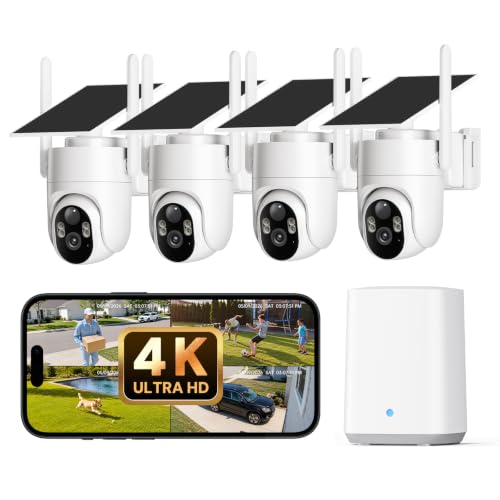
Wireless security cameras have become increasingly popular in recent years due to their ease of installation and flexibility in placement. However, one common concern with wireless cameras is their vulnerability to interference and jamming.
It is possible for wireless security cameras to be jammed by devices that emit radio frequency signals. Jamming devices can disrupt the wireless connection between the camera and the monitoring system, rendering the camera ineffective.

While some wireless security cameras may have built-in features to detect and counteract jamming attempts, they are not immune to all types of interference. It is important for users to be aware of the potential risks and take measures to protect their security camera systems.
Can Wireless Security Cameras Be Jammed
Wireless security cameras can be vulnerable to jamming attacks, which can disrupt their signal and prevent them from recording or transmitting footage. Jamming devices emit radio signals on the same frequency as the camera, causing interference and blocking the camera’s communication with its base station or recording device.
While some wireless security cameras may have built-in anti-jamming features to mitigate these attacks, determined intruders with the right equipment can still potentially jam the camera’s signal. It is important to choose high-quality security cameras with strong encryption and security protocols to reduce the risk of jamming.
Understanding Wireless Security Cameras
Wireless security cameras are a popular choice for homeowners and businesses looking to enhance their security measures. These cameras use Wi-Fi or other wireless technologies to transmit video footage to a central hub or cloud storage, allowing users to monitor their property remotely.
One of the key advantages of wireless security cameras is their easy installation process. They can be placed virtually anywhere within the range of the wireless signal, making them versatile and adaptable to different surveillance needs.
However, it’s important to note that wireless security cameras are not immune to potential vulnerabilities. One common concern is the possibility of jamming the wireless signal to disrupt the camera’s transmission. Jamming devices can interfere with the camera’s ability to send video footage, rendering it temporarily ineffective.
To mitigate the risk of jamming attacks, it’s essential to choose wireless security cameras with strong encryption protocols and secure network settings. Additionally, positioning the cameras strategically and using multiple cameras to cover different angles can help minimize the impact of jamming attempts.
Overall, understanding the capabilities and limitations of wireless security cameras is crucial for maximizing their effectiveness in enhancing security and surveillance efforts.
Potential Vulnerabilities
While wireless security cameras offer convenience and flexibility, they are not without vulnerabilities. One potential weakness is the possibility of signal jamming. Attackers can use devices that emit radio frequency interference to disrupt the wireless signals of security cameras, rendering them ineffective.
Another vulnerability is the reliance on Wi-Fi networks for communication. If the Wi-Fi network is compromised or the internet connection is disrupted, the security camera may lose its ability to transmit video footage to the cloud or remote monitoring devices.
Additionally, some wireless security cameras may have default or weak passwords, making them susceptible to hacking attempts. It is important for users to change the default passwords and regularly update the firmware of their cameras to mitigate this risk.
Methods of Jamming
There are several methods that can be used to jam wireless security cameras:
- Signal Jamming: A signal jammer can disrupt the frequency bands used by wireless cameras, causing interference and preventing the cameras from transmitting video data.
- Physical Obstruction: Placing physical obstacles such as metal barriers or walls between the camera and the receiver can block the camera’s signal.
- Wireless Interference: By introducing other wireless devices that operate on the same frequency as the security cameras, interference can disrupt the camera’s signal.
- Power Interruption: Cutting off the power supply to the cameras or their receivers can effectively disable the surveillance system.
Protecting Your Wireless Security Cameras
Wireless security cameras are vulnerable to jamming attacks, which can disrupt their signal and compromise your security. To protect your wireless security cameras from jamming, consider the following tips:
- Choose encrypted wireless cameras that offer secure transmission of video feeds.
- Change the default login credentials on your cameras to prevent unauthorized access.
- Enable two-factor authentication for an added layer of security.
- Keep your cameras’ firmware up to date to patch any vulnerabilities.
- Position your cameras strategically to minimize signal interference.
- Consider setting up a separate network for your security cameras to isolate them from other devices.
- Install physical barriers around your cameras to prevent tampering.
Final Thoughts
While wireless security cameras can be jammed by sophisticated attackers, it is important to note that there are ways to mitigate this risk. Make sure to choose a secure password for your camera’s network, enable encryption, and regularly update your camera’s firmware to protect against potential vulnerabilities. Additionally, consider using a mix of wired and wireless cameras for added security. By taking these precautions, you can help prevent unauthorized access to your surveillance system.


I recently installed a wireless security camera system and was shocked to learn about jamming. I chose a camera with built-in anti-jamming features, but I'm still worried. I've noticed that my Wi-Fi sometimes drops. Could this affect my camera's reliability?
Yes, a weak Wi-Fi signal can definitely affect your camera's performance. It's important to ensure a stable internet connection for your wireless cameras. You might consider adding a Wi-Fi extender or setting up a dedicated network for your cameras.
I disagree with the idea that jamming is a major concern for most users. Most people aren't going to use jammers, right?
While it might not be common, it does happen. It’s better to be aware and prepared than to regret it later.
I'm curious about how common jamming really is. Are there specific types of jamming devices that are often used against wireless security cameras?
Good question! I've read that the most common devices are simple signal jammers that can be purchased online. They’re not super sophisticated but can cause major disruptions.