
 Carmen J. Moore
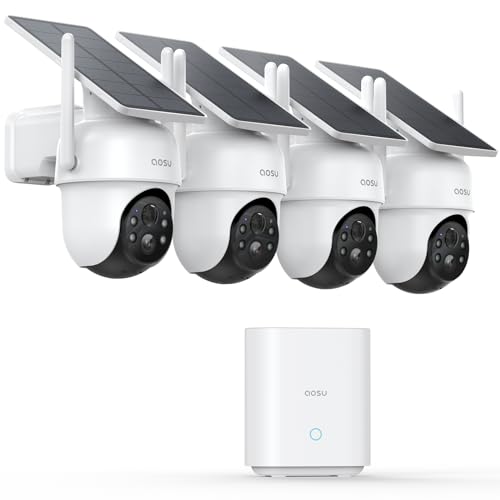
Security cameras are designed to enhance safety and protect property, but concerns about hacking have raised questions about their vulnerabilities.
One common question that arises is whether a security camera can be hacked if it is turned off.
While it may seem logical that a camera that is powered off would be secure from hacking, the reality is more complicated.
Security Camera Vulnerabilities
Security cameras, like any other electronic device, are vulnerable to hacking if proper security measures are not implemented. Even when a security camera is turned off, it can still be susceptible to hacking if it is connected to a network. Hackers can exploit vulnerabilities in the camera’s firmware or software to gain unauthorized access.


Some common security camera vulnerabilities include weak passwords, outdated firmware, lack of encryption, and insecure network configurations. Hackers can use various techniques, such as brute force attacks or malware, to compromise a security camera’s security.
To protect against potential hacking threats, it is recommended to regularly update the camera’s firmware, use strong and unique passwords, enable encryption, and secure the network the camera is connected to. Additionally, implementing multi-factor authentication and regularly monitoring the camera for any suspicious activity can help enhance security and prevent unauthorized access.
Risks of Hacking
While security cameras can provide valuable surveillance and peace of mind, they also come with the risk of being hacked. Here are some potential risks associated with hacking security cameras:
1. Unauthorized Access
Hackers may gain unauthorized access to your security camera system, allowing them to view live feeds or recorded footage without your knowledge. This invasion of privacy can be unsettling and may compromise the security of your property.
2. Manipulation of Footage
Hackers could manipulate footage captured by the security camera to create false evidence or cover up their activities. This can have serious consequences in legal matters or investigations, leading to wrongful accusations or the obstruction of justice.
It is important to take proactive measures to secure your security camera system and minimize the risk of hacking.
Offline Camera Security
When a security camera is turned off, it is not actively transmitting data and is theoretically less vulnerable to hacking. However, it is still possible for a hacker to gain access to a camera that is powered off if they have physical access to the device. In some cases, hackers can exploit vulnerabilities in the camera’s firmware or software even when it is not actively recording or transmitting data.
It is important to note that physical security measures, such as placing cameras in secure locations and using tamper-resistant hardware, can help mitigate the risk of offline camera hacking. Additionally, keeping camera firmware up to date and using strong passwords can also help enhance the security of offline cameras.
| Offline Camera Security Measures: |
| 1. Secure camera placement |
| 2. Use tamper-resistant hardware |
| 3. Keep firmware updated |
| 4. Use strong passwords |
Can Hackers Access Off Cameras?
Security cameras are designed to enhance safety and provide surveillance in various environments. However, there is a growing concern about the security of these devices, especially when they are turned off. Can hackers still access security cameras when they are off?
While it may seem logical that a camera that is powered off is secure from hacking, the reality is that some security cameras can still be vulnerable to hacking even when they are turned off. Hackers can exploit security vulnerabilities in the camera firmware or network protocols to gain unauthorized access.
It is essential for security camera owners to be aware of these risks and take necessary precautions to protect their devices. This includes keeping security cameras updated with the latest firmware, using strong passwords, and implementing additional security measures such as firewalls and encryption.
Firmware Updates Importance
Firmware updates are crucial for maintaining the security of your security camera, even when it’s turned off. Updated firmware often includes patches for vulnerabilities that hackers can exploit to gain unauthorized access to your camera.
By regularly updating your camera’s firmware, you can ensure that it is equipped with the latest security features and protections. This helps to reduce the risk of hacking and unauthorized access, even when the camera is not actively in use.
Benefits of Firmware Updates:
- Improved Security: Firmware updates often include security patches that address known vulnerabilities.
- Enhanced Performance: Updates may also improve the overall performance and functionality of your security camera.
Secure Your System
Protecting your security camera system from potential hacking requires proactive measures. Here are some steps you can take to secure your system:
- Change default passwords: Ensure that you change the default passwords on your cameras and network devices to strong, unique passwords.
- Update firmware: Regularly update the firmware on your cameras and network devices to patch any security vulnerabilities.
- Enable encryption: Use encryption protocols such as WPA2 for your Wi-Fi network to secure the communication between your cameras and the network.
- Use a firewall: Install a firewall to monitor and control incoming and outgoing network traffic to prevent unauthorized access to your system.
- Disable remote access: If you do not need remote access to your cameras, disable this feature to reduce the risk of unauthorized access.
- Monitor activity: Keep an eye on the activity logs of your security camera system to detect any suspicious behavior or unauthorized access.
Malware Protection
One of the key ways to protect your security camera system from being hacked, even when it’s off, is to implement robust malware protection measures. Malware, such as viruses, worms, and trojans, can infiltrate your system and compromise its security, allowing hackers to gain unauthorized access.
To protect your security camera system from malware attacks, be sure to:
| 1. Install antivirus software: | Ensure that your security cameras and the devices they are connected to have updated antivirus software installed to detect and remove any malware threats. |
| 2. Regularly update software: | Keep your security camera system’s software up to date with the latest security patches and updates to prevent vulnerabilities that hackers can exploit. |
| 3. Use strong passwords: | Set strong, unique passwords for your security cameras and devices to prevent unauthorized access. Avoid using default or easy-to-guess passwords. |
| 4. Enable firewalls: | Utilize firewalls to monitor and control incoming and outgoing network traffic, adding an extra layer of protection against malware attacks. |
By implementing these malware protection measures, you can significantly reduce the risk of your security camera system being hacked, even when it’s turned off.
Encryption Techniques
Encryption is a crucial component in securing data transmitted over networks, including security camera feeds. By encrypting the data, it becomes unreadable to anyone without the decryption key, helping to prevent unauthorized access. There are several encryption techniques commonly used to protect security camera feeds:
Symmetric Encryption
Symmetric encryption involves using the same key for both encryption and decryption. While efficient, the key must be securely shared between authorized parties to prevent unauthorized access.
Asymmetric Encryption
Asymmetric encryption uses a pair of keys: a public key for encryption and a private key for decryption. This method enhances security by allowing the public key to be widely distributed while keeping the private key secret.
| Encryption Technique | Description |
|---|---|
| AES (Advanced Encryption Standard) | A widely-used symmetric encryption algorithm known for its strong security and efficiency. |
| RSA (Rivest-Shamir-Adleman) | An asymmetric encryption algorithm commonly used for securing communications. |
Best Practices for Camera Security
1. Regularly update the firmware of your security cameras to patch vulnerabilities and improve security features.
2. Change the default login credentials of your cameras to strong, unique passwords to prevent unauthorized access.
3. Enable encryption on your security camera feeds to protect the data from being intercepted or hacked.
4. Keep your cameras physically secure by mounting them in elevated or protected locations to prevent tampering.
5. Use a secure network for your cameras and segment them from other devices to minimize the risk of a security breach.
6. Monitor the access logs of your cameras regularly to detect any suspicious activity and take immediate action.
7. Disable remote access to your cameras when not in use to reduce the risk of unauthorized access.
8. Consider implementing additional security measures such as two-factor authentication for an added layer of protection.






It's essential to use strong, unique passwords for security cameras. Many people overlook this step and it can lead to easy hacking.
I've had my security cameras for a couple of years now, and I definitely noticed that updating the firmware has helped with overall performance. I had issues before, where the camera would lag, but after an update, it became much smoother. I also changed the default passwords right away, which gave me peace of mind.
Good article! I'm curious, if a camera is turned off, how likely is it for a hacker to still access it? Is there any specific case where this has happened?