
 Carmen J. Moore
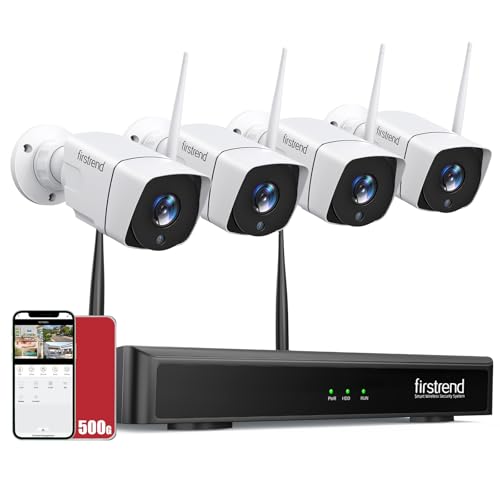
As a landlord, you may be considering installing security cameras in your rental properties to enhance safety and security. However, before you proceed, it’s important to understand the legal implications and considerations involved in this decision.
While security cameras can help deter criminal activity and provide peace of mind for both landlords and tenants, there are privacy concerns that must be taken into account. Tenants have a right to privacy in their rented homes, and installing cameras without their consent may infringe on this right.
Before installing security cameras, landlords should review local laws and regulations governing surveillance in rental properties. Some jurisdictions have specific requirements regarding the placement of cameras, notification to tenants, and the handling of recorded footage.


Can Landlord Install Security Cameras in Rental Property?
Landlords may want to install security cameras in rental properties for various reasons, such as enhancing safety and security or monitoring common areas. However, the legality of installing security cameras in rental properties is subject to certain laws and regulations.
Laws and Regulations
Landlords must adhere to federal, state, and local laws when installing security cameras in rental properties. These laws may govern the placement of cameras, notification requirements, and privacy considerations.
- Some states require landlords to inform tenants if security cameras are installed on the property.
- Cameras should not be placed in areas where tenants have a reasonable expectation of privacy, such as bedrooms or bathrooms.
- Landlords should ensure that the footage from security cameras is stored securely and accessed only for legitimate reasons.
Considerations for Landlords
Before installing security cameras in rental properties, landlords should consider discussing the matter with tenants and obtaining their consent. Open communication can help avoid potential conflicts and ensure that tenants feel comfortable with the security measures in place.
Legal Considerations
Before installing security cameras on rental property, landlords should be aware of the legal considerations involved. In many jurisdictions, landlords are allowed to install security cameras in common areas of the property, such as hallways, entryways, and parking lots, but they may not be allowed to install cameras inside individual rental units without the tenant’s consent. Landlords should review local laws and regulations to ensure they are in compliance with privacy laws and tenant rights.
Landlords should also clearly communicate to tenants the presence of security cameras on the property and how the footage will be used. It is important to respect tenant privacy and ensure that the cameras are used for legitimate security purposes only. Failure to comply with privacy laws or inform tenants of security camera installations could lead to legal issues and potential liability for the landlord.
Tenant Rights and Privacy
As a tenant, you have the right to privacy in your rented property. This includes protection from intrusive surveillance measures such as security cameras installed by the landlord.
Landlords must respect the privacy of their tenants and cannot install security cameras without the tenant’s consent. If a landlord wishes to install security cameras, they must inform the tenant in advance and obtain their permission.
Legal Protections
Many jurisdictions have laws that protect tenant privacy rights and restrict landlords from excessively monitoring tenants through security cameras. Tenants should familiarize themselves with local laws and regulations to understand their rights.
Landlord’s Responsibility
Landlords have a responsibility to ensure the safety and privacy of their tenants. When installing security cameras on rental property, landlords must consider the privacy rights of their tenants and adhere to local laws and regulations. Landlords should inform tenants of the presence of security cameras and clearly outline the purpose of the cameras. It is important for landlords to ensure that security cameras are not placed in private areas such as bedrooms or bathrooms. Additionally, landlords should regularly maintain and monitor the security cameras to ensure they are functioning properly and are not being misused. If tenants have concerns about the placement or use of security cameras, landlords should address these concerns promptly and work towards a mutually acceptable solution.
Benefits of Security Cameras
Security cameras provide a sense of safety and security for both landlords and tenants. They act as a deterrent to potential intruders and can help prevent theft and vandalism on the property. Security cameras also offer peace of mind by allowing landlords to monitor the property remotely and keep an eye on any suspicious activities. In case of any incidents, security footage can serve as valuable evidence for law enforcement or insurance claims. Additionally, security cameras can help resolve disputes between landlords and tenants by providing unbiased documentation of events. Overall, installing security cameras can enhance the security and overall well-being of the property and its occupants.
Cons of Security Cameras
While security cameras can provide a sense of safety and security, there are some potential drawbacks to consider:
1. Invasion of Privacy
Security cameras may intrude on the privacy of tenants, as they can record their every move and conversation without their consent.
2. Legal Concerns
There are legal implications to consider when installing security cameras, such as compliance with privacy laws and regulations.
It is important for landlords to strike a balance between security and privacy when implementing security camera systems.
Installing Security Cameras Properly
When landlords decide to install security cameras on their rental property, it is important to do so properly to ensure the safety and privacy of tenants. Here are some key considerations:
Placement
Choose strategic locations for security cameras to cover common areas and entry points without invading tenants’ privacy. Avoid placing cameras in bedrooms, bathrooms, or other sensitive areas.
Notification
Inform tenants about the installation of security cameras in advance and clearly communicate the purpose of the cameras. This helps build trust and transparency with tenants.
| Considerations | Recommendations |
|---|---|
| Legal Compliance | Ensure compliance with local laws and regulations regarding surveillance cameras. |
| Monitoring | Establish clear policies on who can access and monitor the camera footage. |
| Maintenance | Regularly maintain and check the cameras to ensure they are functioning properly. |
By following these guidelines, landlords can install security cameras in a way that promotes safety and security while respecting the privacy of their tenants.
Communication with Tenants
When considering installing security cameras on your property as a landlord, it is important to communicate openly and transparently with your tenants. Before installing any surveillance equipment, make sure to inform your tenants in writing about your intentions, the reasons for installing the cameras, and how the footage will be used.
It is crucial to address any concerns or questions your tenants may have regarding privacy, security, and their rights. Be willing to listen to their feedback and address any valid concerns they may raise. By maintaining open lines of communication, you can foster a positive and respectful relationship with your tenants while ensuring the security of your property.


I’ve seen some landlords use cameras strictly for security, while others seem to monitor tenants too closely. What’s the right balance? I think it’s important to have cameras for safety but also respect privacy.
Finding the right balance is key. Cameras should enhance safety without infringing on privacy. Clear communication about purpose can help establish that balance.
Can a landlord legally install a camera inside an apartment without telling the tenant?
Always inform tenants about camera presence. It builds trust and avoids conflicts.
What are the specific laws regarding camera placement in common areas? Are there different rules for different states?
I've had a landlord install cameras outside the building. He informed us first, which made it easier to accept. I prefer knowing there’s extra security.
That sounds reasonable! It's good that he communicated that. Makes you feel safer.
I think security cameras can feel intrusive. Landlords should respect privacy more.