
 Carmen J. Moore

Privacy is a fundamental right that must be respected, especially in sensitive areas such as locker rooms. The debate over whether schools can install security cameras in locker rooms has sparked controversy and raised questions about the balance between safety and privacy.
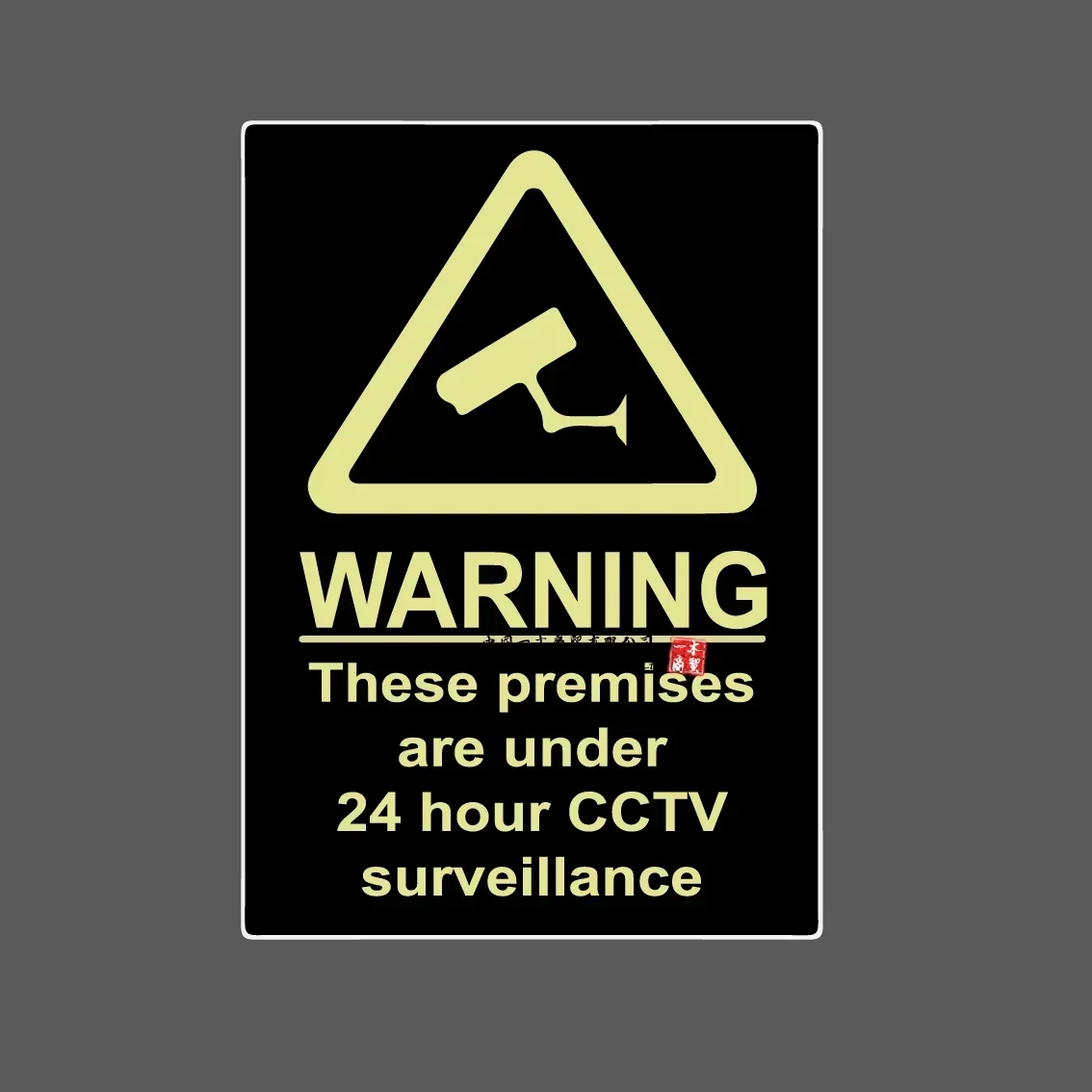

While schools have a responsibility to ensure the safety of their students and staff, the installation of security cameras in locker rooms raises concerns about the invasion of privacy and potential abuse of surveillance. It is essential to consider the ethical implications and legal boundaries when implementing such measures.
Can Schools Install Security Cameras in Locker Rooms?
Installing security cameras in locker rooms is a controversial topic that raises concerns about privacy and surveillance. While schools have a responsibility to ensure the safety and security of their students, the use of cameras in locker rooms raises ethical and legal questions.
Some argue that security cameras in locker rooms can help prevent theft, vandalism, and other misconduct. They can also provide evidence in case of criminal activity. However, others argue that installing cameras in such private spaces violates students’ privacy rights and can create a hostile environment.
In many jurisdictions, the legality of installing security cameras in locker rooms is subject to specific laws and regulations. Schools must carefully consider the potential consequences and seek legal advice before making such a decision.
Ultimately, the decision to install security cameras in locker rooms should be made with careful consideration of the potential benefits and drawbacks, and with a focus on balancing security concerns with respect for students’ privacy.
Legal Considerations Regarding Surveillance in Educational Facilities
Surveillance in educational facilities, including the installation of security cameras, is a complex issue that raises various legal considerations. Schools must navigate federal and state laws to ensure compliance while balancing the need for security with individual privacy rights.
One key consideration is the Family Educational Rights and Privacy Act (FERPA), which protects the privacy of student education records. Schools must be careful not to violate FERPA when monitoring students through surveillance cameras, especially in areas where students have a reasonable expectation of privacy, such as locker rooms.
Another important law to consider is the Children’s Online Privacy Protection Act (COPPA), which governs the collection of personal information from children under 13 online. Schools must ensure that any surveillance technology used in educational facilities complies with COPPA requirements to protect student privacy.
In addition to federal laws, schools must also comply with state laws regarding surveillance in educational facilities. Some states have specific laws regulating the use of surveillance cameras in schools, including requirements for notifying students and parents about surveillance practices.
| Legal Considerations | Implications |
|---|---|
| FERPA | Protects student privacy rights |
| COPPA | Regulates collection of personal information from children |
| State Laws | May have specific requirements for surveillance in schools |
Overall, schools must carefully consider the legal implications of installing security cameras in educational facilities, particularly in sensitive areas like locker rooms, to ensure compliance with privacy laws and protect the rights of students.
Privacy Concerns of Students and Parents
One of the main issues surrounding the installation of security cameras in locker rooms is the violation of privacy rights. Students and parents may feel uncomfortable with the idea of being constantly monitored in such private spaces.
Students may worry about their personal information being recorded without their consent or about the potential for footage to be misused or leaked. This can lead to feelings of anxiety and lack of trust in the school administration.
Legal Implications
There are also legal implications to consider when it comes to privacy in locker rooms. Laws and regulations vary from state to state, but in general, there are strict guidelines in place to protect the privacy of individuals, especially minors.
- Parents may argue that the presence of security cameras violates their child’s right to privacy and may take legal action against the school.
- Schools must ensure that they are in compliance with all relevant laws and regulations before installing security cameras in locker rooms.
In conclusion, privacy concerns are a major factor to consider when deciding whether to install security cameras in locker rooms. It is important to prioritize the privacy rights of students and parents while also ensuring the safety and security of the school environment.
Impact on School Security Measures
Implementing security cameras in locker rooms can have a significant impact on overall school security measures. Here are some key points to consider:
- Deterrence: The presence of security cameras can act as a deterrent to potential misconduct or criminal behavior in locker rooms. Knowing they are being monitored can discourage students from engaging in inappropriate activities.
- Enhanced monitoring: Security cameras provide school administrators and security personnel with real-time monitoring capabilities, allowing them to quickly respond to any incidents or emergencies that may occur in locker rooms.
- Investigation support: In the event of an incident or complaint, security camera footage can serve as valuable evidence to investigate and resolve the issue effectively. This can help ensure accountability and justice.
Ethical Issues Surrounding Video Monitoring in Locker Rooms
Video monitoring in locker rooms raises a number of ethical concerns that need to be carefully considered. One of the main issues is the invasion of privacy that can occur when individuals are being monitored without their knowledge or consent. Locker rooms are spaces where people expect a certain level of privacy, and installing security cameras can violate that expectation.
Furthermore, there is the risk of footage from locker room cameras being misused or leaked, leading to potential embarrassment or harm to the individuals recorded. This raises questions about who has access to the footage, how it is stored, and what measures are in place to protect the privacy of those being recorded.
The Rights of Individuals
It is important to consider the rights of individuals to privacy and dignity in locker rooms. Video monitoring can create a sense of surveillance and can make individuals feel uncomfortable or vulnerable in a space that should be safe and private.
Legal and Moral Implications
There are legal and moral implications to consider when it comes to video monitoring in locker rooms. Laws and regulations around surveillance vary by location, and it is important for schools to ensure that they are in compliance with these laws. Additionally, schools must consider the moral implications of monitoring individuals in a private space without their consent.
Alternatives to Security Cameras in Educational Institutions
While security cameras can be effective in monitoring school premises, there are alternative methods that educational institutions can consider to enhance safety and security:
1. Access Control Systems
Implementing access control systems can restrict entry to specific areas within the school, such as locker rooms, and track who enters and exits these spaces.
2. Security Personnel
Hiring security personnel to patrol the school grounds, including locker rooms, can provide a physical presence that deters potential threats and responds quickly to any security concerns.
Other measures such as student education on safety protocols, emergency response drills, and community involvement can also contribute to creating a secure environment without solely relying on security cameras.
Public Opinion and Debate on the Use of Surveillance in Schools
Surveillance in schools, including the installation of security cameras in locker rooms, is a controversial topic that sparks intense debate among parents, students, educators, and policymakers.
Supporters argue that surveillance cameras enhance safety and security measures, helping to prevent incidents of bullying, theft, and violence. They believe that monitoring student activities in locker rooms can deter inappropriate behavior and provide valuable evidence in case of misconduct.
Opponents, on the other hand, raise concerns about privacy invasion and the potential for misuse of surveillance footage. They argue that constant monitoring creates an atmosphere of distrust and can have negative psychological effects on students. Critics also question the effectiveness of surveillance in improving overall school safety.
As the debate continues, schools must carefully consider the ethical implications and weigh the benefits against the drawbacks of implementing surveillance measures, particularly in sensitive areas like locker rooms.
Guidelines and Policies for Implementing Security Measures in Locker Rooms
1. Privacy Concerns: When considering the installation of security cameras in locker rooms, it is essential to prioritize the privacy of individuals. Ensure that cameras are strategically placed to minimize intrusion on personal space.
2. Legal Compliance: Before implementing any security measures, familiarize yourself with local laws and regulations regarding surveillance in locker rooms. It is crucial to adhere to legal requirements to avoid any legal consequences.
3. Notification and Consent: Inform students, staff, and visitors about the presence of security cameras in locker rooms. Obtain consent where necessary and clearly display signage to notify individuals of surveillance.
4. Data Protection: Safeguard any recorded footage from security cameras to prevent unauthorized access or misuse. Implement strict data protection policies to ensure the confidentiality and security of recorded materials.
5. Regular Monitoring and Maintenance: Conduct routine checks on security cameras to ensure they are functioning correctly. Regular maintenance and monitoring can help prevent technical issues and ensure the effectiveness of surveillance systems.


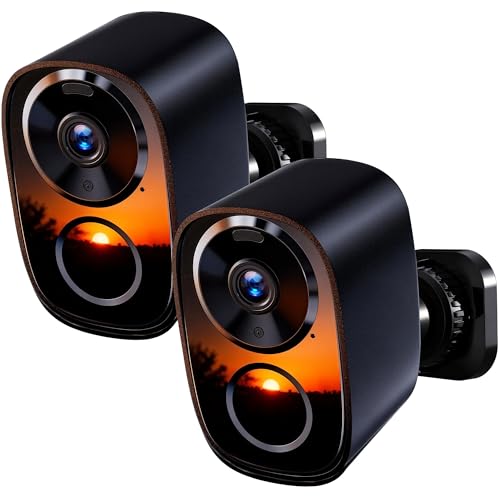


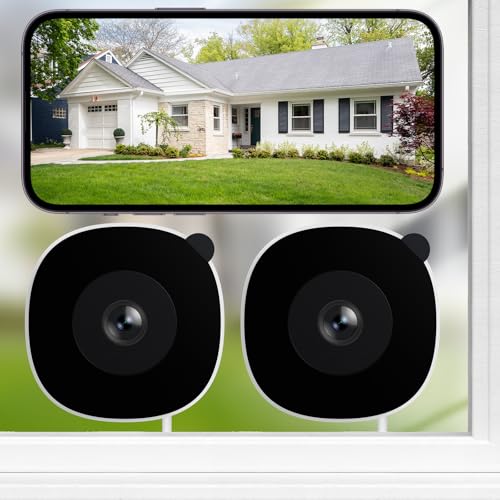
I don't think having cameras in locker rooms is a big deal. If it keeps students safe from bullying or theft, isn't that worth it?
But at what cost? Privacy is important, and locker rooms are private spaces. There are other ways to ensure safety without compromising that.
As a teacher, I see both sides of the argument. Security cameras might deter bad behavior, but I worry about the trust students have in us. In my school, we've had discussions, and many students feel that cameras would invade their privacy. It's a tough balance to strike.
I completely agree! It would make me feel uncomfortable knowing I'm being watched while changing. There must be better ways to ensure safety.
I'm curious about the legal side of this. How can schools ensure they comply with laws like FERPA when it comes to installing cameras in locker rooms?
Great question! Schools must carefully review federal and state laws to ensure any surveillance does not violate privacy rights. Consulting with legal experts is crucial before making any decisions.