
 Carmen J. Moore
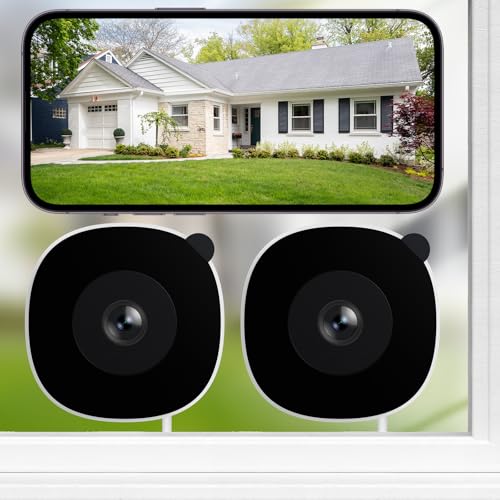
Security cameras are becoming increasingly common in rental properties as landlords seek to protect their investments and ensure the safety of their tenants. However, the use of security cameras raises important questions about privacy and disclosure.
One key issue that tenants often face is whether landlords are required to disclose whether security cameras on the property are real or fake. Knowing whether a security camera is operational can have significant implications for privacy and security.
While laws vary by jurisdiction, landlords may not always be legally obligated to inform tenants about the status of security cameras. It is important for both landlords and tenants to be aware of their rights and responsibilities when it comes to security cameras in rental properties.
Are Landlords Required to Disclose the Presence of Security Cameras?
When it comes to security cameras in rental properties, the rules and regulations can vary depending on the location. In general, landlords are not always required to disclose the presence of security cameras to tenants. However, there are some exceptions and considerations to keep in mind.


Some states or local laws may have specific requirements regarding security cameras, such as requiring landlords to inform tenants of their presence in common areas or in the rental unit itself. It’s important for both landlords and tenants to be aware of any applicable laws in their area.
Additionally, even if there are no specific legal requirements, landlords should consider the privacy implications of using security cameras on their property. It’s a good practice for landlords to inform tenants about the presence of security cameras and to clearly outline their purpose and usage in the rental agreement.
Ultimately, while landlords may not always be legally required to disclose security cameras, transparency and communication with tenants can help maintain a positive landlord-tenant relationship and avoid potential conflicts over privacy concerns.
To Disclose Security Cameras
Landlords are generally not legally required to disclose the presence of security cameras on their property. However, it is considered good practice and ethical to inform tenants if security cameras are in use. This transparency helps build trust between landlords and tenants and can prevent misunderstandings or privacy concerns.
Benefits of Disclosure
By disclosing the presence of security cameras, landlords can set clear expectations for tenants regarding privacy and security. This can also help deter potential intruders or vandals, as the visible presence of cameras can act as a deterrent.
Communication is Key
Landlords should communicate openly with tenants about the purpose of security cameras, their locations, and how the footage will be used. This can help tenants feel more secure and comfortable in their rental property, knowing that appropriate measures are in place to protect their safety.
Are Security Cameras Mandatory
Security cameras are not mandatory for landlords to have in rental properties. However, many landlords choose to install security cameras for the safety and security of their tenants and property. The decision to install security cameras is typically at the discretion of the landlord, and they are not legally required to disclose whether the cameras are real or fake.
While security cameras can provide an added layer of security, landlords must also consider the privacy rights of their tenants. It is important for landlords to clearly communicate the presence of security cameras to tenants and ensure that they are used appropriately and in compliance with local laws and regulations.
In Rental Properties
When it comes to rental properties, landlords have the right to install security cameras for the safety and security of their tenants and property. However, landlords are generally not required to disclose whether the security cameras are real or fake. It is important for tenants to familiarize themselves with the rental agreement and any clauses related to surveillance cameras before signing a lease. If a tenant has concerns about privacy or feels uncomfortable with the presence of security cameras, they should discuss their concerns with the landlord and try to come to a mutual agreement.
Landlords should also be transparent about the purpose of the security cameras and how the footage will be used. In some cases, landlords may be required to adhere to specific laws and regulations regarding surveillance in rental properties, so it is essential for both landlords and tenants to understand their rights and responsibilities.
Legal Obligations for Landlords
Landlords have legal obligations when it comes to installing security cameras on their rental properties. While laws vary by state and country, landlords are generally required to inform tenants if security cameras are present on the property. This notification is typically included in the lease agreement or provided in a separate written notice.
Landlords must also ensure that any security cameras installed on the property comply with privacy laws. This includes ensuring that cameras are not placed in areas where tenants have a reasonable expectation of privacy, such as bathrooms or bedrooms. Additionally, landlords must not use security cameras to spy on tenants or invade their privacy.
If landlords fail to comply with these legal obligations, they may face legal consequences, including fines or legal action from tenants. It is important for landlords to understand their legal responsibilities when it comes to security cameras and to communicate openly and transparently with tenants about their use.
Privacy Concerns and Rights
When it comes to security cameras in rental properties, tenants may have concerns about their privacy rights. While landlords have the right to install security cameras for the safety of the property and its occupants, tenants also have the right to privacy within their rented space.
Legal Obligations
Landlords are generally required to inform tenants if security cameras are present on the property. This allows tenants to make informed decisions about their privacy and security. Failure to disclose the presence of security cameras may infringe on tenants’ privacy rights.
Respecting Tenant Privacy
Landlords should respect their tenants’ privacy by using security cameras only in common areas or with proper notice and consent. It’s important for landlords to strike a balance between ensuring the safety of the property and respecting the privacy rights of their tenants.
Implications of Hidden Cameras
Hidden cameras in rental properties raise serious privacy concerns for tenants. While landlords may have valid reasons for installing security cameras, such as protecting their property or ensuring tenant safety, tenants may feel uncomfortable knowing they are being constantly monitored. This can lead to a breach of trust between landlords and tenants, potentially impacting the overall rental experience.
Furthermore, hidden cameras may capture sensitive information or activities that tenants would prefer to keep private. This can raise legal and ethical questions about the use of surveillance in rental properties. Tenants have the right to feel secure in their homes and know if they are being recorded, as this can affect their sense of privacy and freedom within the rental space.
Overall, the presence of hidden cameras can create tension and conflict between landlords and tenants, highlighting the importance of transparency and communication in rental agreements. It is essential for landlords to clearly disclose the use of security cameras and obtain consent from tenants to ensure a respectful and harmonious living environment.
Tips for Tenants
As a tenant, it’s important to be aware of your rights and responsibilities when it comes to security cameras in your rental property. Here are some tips to help you navigate this situation:
1. Ask About Security Cameras
Before signing a lease agreement, make sure to ask the landlord about the presence of security cameras on the property. Request information about the type of cameras, their locations, and whether they are real or dummy cameras.
2. Review the Lease Agreement
Check your lease agreement for any clauses related to security cameras. Make sure you understand the landlord’s policies regarding the use of security cameras and your rights as a tenant.
- Ensure that the landlord is not violating your privacy rights by installing hidden cameras without your consent.
- If security cameras are installed, clarify who has access to the footage and how it will be used.
By staying informed and proactive, you can protect your privacy and ensure a positive rental experience.
How to Verify Security Cameras
When renting a property, it’s important to verify whether the security cameras installed are real or dummy cameras. Here are some tips to help you determine the authenticity of security cameras:
1. Look for a Red Light
Real security cameras often have a small red light that indicates the camera is recording. This light is usually located near the camera lens. If you see a red light, it’s likely that the camera is real.
2. Check for Motion Detection
Real security cameras typically have motion detection capabilities. You can test this by walking in front of the camera and observing if the camera follows your movement or triggers a recording. Dummy cameras won’t have this functionality.
By following these tips, you can verify the authenticity of security cameras and ensure your safety and privacy in a rental property.
Seeking Legal Advice
If you are unsure about your rights as a tenant or landlord regarding security cameras, it is recommended to seek legal advice. Contacting a lawyer who specializes in landlord-tenant laws can help clarify any uncertainties and provide guidance on how to proceed. They can review your lease agreement, local laws, and any specific circumstances surrounding the use of security cameras to determine the best course of action.




I had a landlord once who installed security cameras around the property. He was transparent about it and even explained why they were there. It really helped put my mind at ease knowing they were for safety, not to invade privacy. I think transparency is key in these situations.
Can landlords legally install hidden cameras without telling tenants? This seems like a major privacy issue if they don’t have to disclose it.
That's a good question! I think it depends on local laws, but it really should be disclosed to maintain trust.
Yes, laws vary by jurisdiction, but generally, landlords should inform tenants about any cameras to respect privacy rights.