
 Carmen J. Moore

Mirrorless cameras have gained popularity in recent years due to their compact size, lightweight design, and advanced features. But how do these cameras work without a mirror like traditional DSLRs?
Unlike DSLRs, which use a mirror and optical viewfinder to reflect light from the lens to the viewfinder, mirrorless cameras rely on electronic viewfinders or the camera’s LCD screen to display the image. This is made possible by the use of a digital sensor that captures light directly from the lens.
When you press the shutter button on a mirrorless camera, the sensor captures the image and sends it to the camera’s processor for further processing. The electronic viewfinder or LCD screen then displays the image in real-time, allowing you to preview the shot before taking it.
Understanding the Basics of Mirrorless Cameras
Mirrorless cameras, also known as compact system cameras, are a popular choice for photographers looking for a lightweight and versatile option. Unlike traditional DSLR cameras, mirrorless cameras do not have a mirror mechanism inside. This allows them to be smaller and more compact.

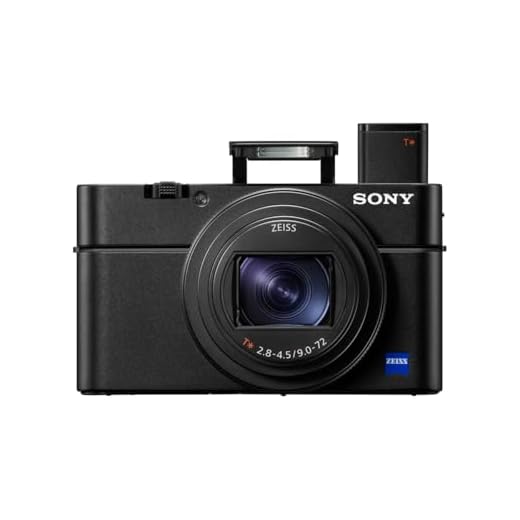

How do Mirrorless Cameras Work?
Instead of using a mirror to reflect the image from the lens to an optical viewfinder, mirrorless cameras use a digital display or electronic viewfinder to show the image in real-time. When you press the shutter button, the image sensor captures the light coming through the lens and sends it to the electronic viewfinder or LCD screen.
Exploring the Technology Behind Mirrorless Cameras
Mirrorless cameras are a popular choice among photographers for their compact size and advanced features. But how do they work? Let’s dive into the technology behind mirrorless cameras.
Sensor and Lens
Unlike traditional DSLR cameras that use a mirror to reflect light into an optical viewfinder, mirrorless cameras have a digital image sensor that captures light directly through the lens. This direct sensor-to-lens connection allows for faster autofocus and continuous shooting.
Electronic Viewfinder (EVF)
One of the key components of a mirrorless camera is the Electronic Viewfinder (EVF). The EVF displays a real-time preview of the image based on the data captured by the sensor. This allows photographers to see the exposure, white balance, and depth of field before taking a shot.
Additionally, mirrorless cameras often come with a tilting or swiveling LCD screen that provides flexibility for composing shots from different angles.
- Compact Size: Mirrorless cameras are typically smaller and lighter than DSLRs, making them ideal for travel and everyday photography.
- Interchangeable Lenses: Just like DSLRs, mirrorless cameras support interchangeable lenses, allowing photographers to choose the right lens for different shooting situations.
- Advanced Features: Mirrorless cameras often come with advanced features such as in-body image stabilization, 4K video recording, and wireless connectivity for easy sharing of photos.
Overall, the technology behind mirrorless cameras combines the convenience of digital imaging with the flexibility and control of traditional DSLRs, making them a versatile choice for photographers of all levels.
Advantages of Using Mirrorless Cameras
1. Compact and Lightweight: Mirrorless cameras are generally smaller and more lightweight than traditional DSLR cameras, making them easier to carry around for extended periods of time without causing strain.
2. Silent Shooting: Mirrorless cameras operate silently since they do not have a mirror mechanism that needs to flip up and down, making them ideal for situations where noise would be a distraction.
3. Electronic Viewfinder (EVF): Mirrorless cameras feature an electronic viewfinder that shows a real-time preview of the image, allowing for accurate framing and exposure adjustments before capturing the shot.
4. Fast Autofocus: Mirrorless cameras are equipped with advanced autofocus systems that can quickly and accurately focus on subjects, making them ideal for capturing fast-moving subjects or shooting in low light conditions.
5. Adaptability: Mirrorless cameras can use a wide range of lenses through adapters, allowing photographers to experiment with different focal lengths and styles without being limited to a specific lens mount.
6. Video Capabilities: Many mirrorless cameras offer advanced video recording features, such as 4K recording, in-body stabilization, and focus peaking, making them popular among videographers and content creators.
Key Features to Consider in Mirrorless Cameras
When choosing a mirrorless camera, there are several key features to consider that can greatly impact your photography experience. Here are some important factors to keep in mind:
1. Sensor Size
The sensor size of a mirrorless camera is crucial as it determines the image quality and low light performance. Larger sensors typically produce better image quality with less noise in low light conditions. Common sensor sizes include Micro Four Thirds, APS-C, and Full Frame.
2. Autofocus System
The autofocus system of a mirrorless camera is essential for capturing sharp and accurate images. Look for cameras with fast and reliable autofocus systems, preferably with a high number of autofocus points covering a wide area of the frame. Some cameras also offer advanced features like eye detection and tracking autofocus.
| Feature | Description |
| 3. In-Body Image Stabilization (IBIS) | IBIS helps reduce camera shake and allows you to shoot at slower shutter speeds without blur. This feature is especially useful for handheld shooting in low light conditions or when using telephoto lenses. |
| 4. Electronic Viewfinder (EVF) | An EVF provides a real-time preview of the scene and allows you to see the exposure and depth of field adjustments before taking the shot. Look for cameras with high-resolution EVFs for a clear and detailed view. |
| 5. Size and Weight | Mirrorless cameras are known for their compact size and lightweight design compared to DSLRs. Consider the size and weight of the camera body and lenses if portability is important to you. |
Comparing Mirrorless Cameras with DSLRs
When considering a new camera purchase, one of the main decisions to make is whether to go for a mirrorless camera or a DSLR. Both types of cameras have their own advantages and disadvantages, so it’s important to understand the differences between them.
Size and Weight
One of the key benefits of mirrorless cameras is their compact size and lightweight design. Without the mirror mechanism found in DSLRs, mirrorless cameras can be smaller and lighter, making them more portable and easier to carry around for long periods of time.
Autofocus
DSLRs traditionally had an advantage in autofocus performance due to their phase-detection autofocus systems. However, modern mirrorless cameras have caught up and now offer fast and accurate autofocus systems that rival those of DSLRs. Some mirrorless cameras even surpass DSLRs in this aspect.
- Image Quality: Both mirrorless cameras and DSLRs can produce high-quality images, but the sensor size and technology used can affect image quality. Mirrorless cameras often have smaller sensors, but advancements in technology have made them capable of producing excellent image quality that can rival DSLRs.
- Lens Selection: DSLRs have a larger selection of lenses available due to their longer history in the market. However, the gap is closing as more manufacturers produce lenses for mirrorless systems. It’s important to consider the availability of lenses for the system you choose.
- Battery Life: DSLRs typically have longer battery life than mirrorless cameras due to their simpler design and fewer power-hungry components. If you plan to shoot for extended periods without access to charging, this may be a factor to consider.
Tips for Choosing the Right Mirrorless Camera
When selecting a mirrorless camera, consider the following tips to help you make an informed decision:
1. Determine Your Budget
Set a budget for your camera purchase to narrow down your options. Mirrorless cameras come in a wide price range, so knowing how much you’re willing to spend can help you focus on models that fit within your budget.
2. Assess Your Photography Needs
Consider the type of photography you’ll be doing most frequently. Whether you’re into portrait, landscape, sports, or street photography, different cameras offer various features and capabilities that cater to specific shooting styles.
Pro Tip: If you’re a beginner, opt for a user-friendly camera with automatic modes to help you learn the basics of photography.
By following these tips, you can choose the right mirrorless camera that suits your budget and photography requirements.



Can someone explain how the autofocus on mirrorless cameras compares to DSLRs? I’ve heard they’re getting better, but is it really on par now?
I've been using a mirrorless camera for about a year now, and I love how compact it is. I travel a lot, so being able to carry it around easily is a huge plus. The electronic viewfinder takes a little getting used to, but now I can’t imagine going back to a DSLR. It really helps in seeing the exposure before taking a shot.