
 Carmen J. Moore

Nikon mirrorless cameras have been gaining popularity in recent years, offering photographers a compact and versatile option for capturing stunning images. One common question that arises among photographers is whether Nikon mirrorless cameras can use FX lenses.
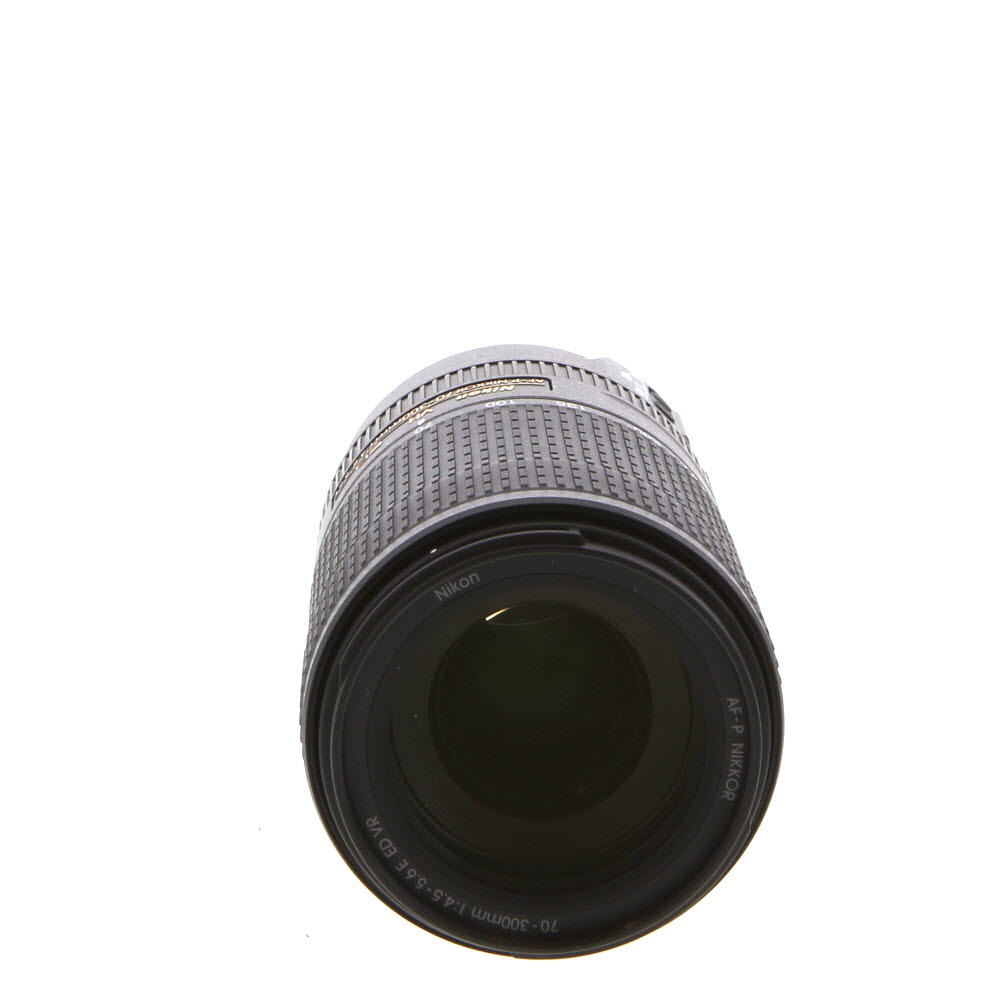
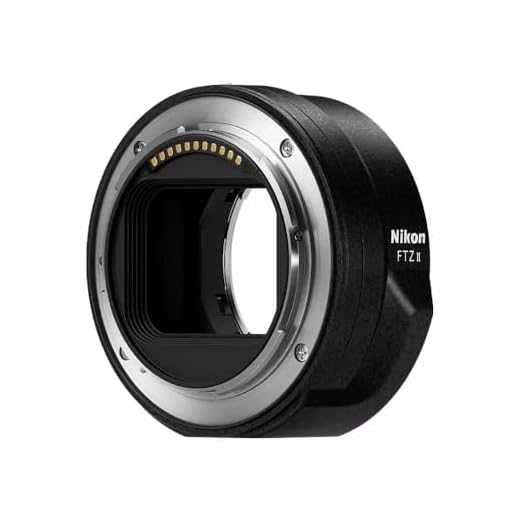
FX lenses are designed for Nikon’s full-frame DSLR cameras, so it’s natural to wonder if they are compatible with Nikon’s mirrorless lineup. The good news is that Nikon mirrorless cameras, specifically those in the Z series, can indeed use FX lenses with the help of an adapter.
By using the FTZ adapter, Nikon mirrorless camera users can seamlessly attach FX lenses to their mirrorless bodies, opening up a world of possibilities in terms of lens selection and creative potential. This adapter ensures that photographers can continue to leverage their existing FX lenses while taking advantage of the benefits of mirrorless technology.
Can Nikon Mirrorless Cameras Use FX Lenses
Nikon mirrorless cameras, such as the Z series, can use FX lenses with the help of an adapter. Nikon offers the FTZ adapter, which allows you to mount F-mount lenses, including FX lenses, on Z-mount cameras. This adapter maintains full functionality, including autofocus and aperture control, making it easy to use your existing FX lenses with Nikon mirrorless cameras.
Understanding FX Lenses and Their Compatibility
FX lenses are designed for Nikon’s full-frame cameras, offering a larger image sensor size and better light-gathering capability. These lenses are compatible with Nikon’s mirrorless cameras, such as the Z series, with the use of an adapter. The FTZ adapter allows FX lenses to be mounted on Z-mount cameras without losing any functionality. It’s important to note that while FX lenses can be used on mirrorless cameras, there may be some limitations or differences in performance compared to using them on DSLR cameras. However, overall compatibility and functionality are maintained, making FX lenses a versatile option for Nikon mirrorless users.
Advantages of Using FX Lenses on Nikon Mirrorless Cameras
When using FX lenses on Nikon mirrorless cameras, photographers can benefit from several advantages:
1. Full Frame Coverage:
FX lenses are designed for full frame cameras, providing complete coverage of the sensor in Nikon mirrorless cameras. This ensures that photographers can make the most of the camera’s high-resolution sensor without any crop factor affecting the field of view.
2. Superior Image Quality:
FX lenses are known for their superior optical quality, delivering sharpness, clarity, and color reproduction that can enhance the overall image quality captured by Nikon mirrorless cameras. The larger image circle of FX lenses allows for better light transmission and reduced vignetting, resulting in stunning images.
Steps to Mount FX Lenses on Nikon Mirrorless Cameras
Mounting FX lenses on Nikon mirrorless cameras requires the use of an FTZ adapter. Here are the steps to successfully mount FX lenses on your Nikon mirrorless camera:
- Ensure your Nikon mirrorless camera is powered off.
- Attach the FTZ adapter to the lens mount on your camera.
- Align the red dot on the FTZ adapter with the corresponding red dot on the camera body.
- Gently twist the FTZ adapter clockwise until it locks into place.
- Once the FTZ adapter is securely attached, you can now mount your FX lens onto the adapter.
- Align the white dot on the lens with the white dot on the FTZ adapter.
- Gently twist the lens clockwise until it locks into place.
- Your FX lens is now successfully mounted on your Nikon mirrorless camera.
Compatibility Issues to Consider
When using FX lenses with Nikon mirrorless cameras, there are some compatibility issues to keep in mind:
- Autofocus Performance: While most FX lenses will work with Nikon mirrorless cameras, autofocus performance may vary. Some older FX lenses may not be fully compatible with the autofocus system of newer mirrorless models.
- Vibration Reduction: Some FX lenses rely on the camera body for image stabilization, which may not be fully supported on Nikon mirrorless cameras. Make sure to check the compatibility of VR features with your specific camera model.
- Size and Weight: FX lenses are typically larger and heavier than lenses designed specifically for mirrorless cameras. This can affect the overall balance and handling of your camera setup.
- Electronic Communication: Make sure that the electronic communication between the lens and the camera body is fully supported. Some functions like aperture control or EXIF data transfer may be limited with certain FX lenses.
Adapting Non-Nikon FX Lenses to Nikon Mirrorless Cameras
One of the great advantages of Nikon mirrorless cameras is their ability to adapt lenses from other manufacturers, including non-Nikon FX lenses. While Nikon’s own lenses are designed specifically for their mirrorless system, there are adapters available that allow you to use FX lenses from brands like Canon, Sigma, Tamron, and more on your Nikon mirrorless camera.
These adapters typically come with electronic contacts that allow for communication between the lens and the camera body, enabling features like autofocus and aperture control. However, it’s important to note that the performance may vary depending on the specific lens and adapter combination.
When adapting non-Nikon FX lenses to Nikon mirrorless cameras, you may experience some limitations in terms of autofocus speed and accuracy, as well as compatibility with certain features. It’s recommended to do some research and read reviews before investing in adapters to ensure compatibility and optimal performance.
Overall, adapting non-Nikon FX lenses to Nikon mirrorless cameras can open up a world of possibilities and allow you to explore different lenses without being limited to a single brand’s ecosystem.


Are there any specific FX lenses that are known to perform better with the FTZ adapter than others?
Generally, newer FX lenses tend to perform better with the FTZ adapter. Lenses like the Nikon AF-S 24-70mm f/2.8E work well, while older models might have more autofocus issues.
I recently mounted my FX lens on my Nikon Z6 with the FTZ adapter. The process was straightforward, but I noticed the autofocus was a bit sluggish compared to when I use native Z lenses. Still, the image quality is fantastic, and I love being able to use my existing lenses!
Can anyone clarify if the FTZ adapter affects the image quality when using FX lenses on Nikon mirrorless cameras? I'm a bit concerned about potential loss in sharpness.
Good question! From my experience, using the FTZ adapter doesn't significantly impact image quality. The lenses still perform quite well.
I disagree with the idea that using FX lenses is always superior. While they offer great image quality, mirrorless-specific lenses are often lighter and designed for optimal performance with the camera system.