
 Carmen J. Moore

Have you ever noticed that selfies taken with the front-facing camera on an iPhone appear flipped? This phenomenon has puzzled many users, leading them to wonder why their selfies look different from what they see in the mirror. The reason behind this apparent image reversal lies in the way front-facing cameras are designed to capture photos.
When you take a selfie with the front-facing camera on an iPhone, the image is flipped horizontally, resulting in a mirror image of the original scene. This flipping effect is intentional and serves a specific purpose. By flipping the image, the iPhone front-facing camera creates a more natural-looking selfie that aligns with how we perceive ourselves in the mirror.
So, the next time you take a selfie with your iPhone’s front-facing camera and notice that it looks flipped, remember that it’s all part of the design to make your photos more appealing and familiar.
Understanding the issue
When you take a selfie with your iPhone’s front-facing camera, the image appears flipped or mirrored. This is because the front-facing camera is designed to show you a preview of yourself as you would see in a mirror, rather than how others would see you in a photograph. This mirroring effect can be confusing and lead to pictures looking different from what you expect.

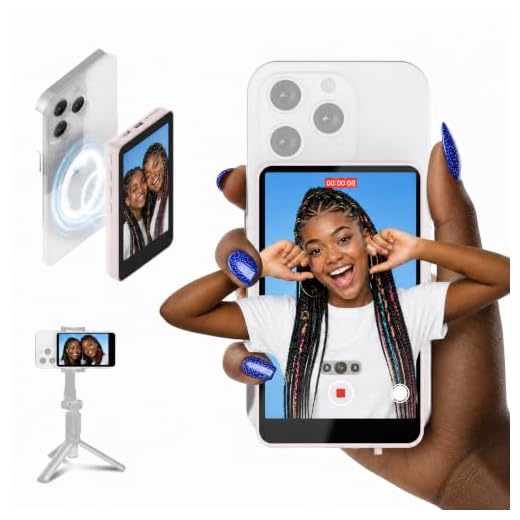
To address this issue, some camera apps have a setting to toggle the mirroring effect on or off, allowing you to choose how you want your selfies to appear. Additionally, you can use photo editing tools to flip or mirror the image back to its original orientation after taking the picture.
The phenomenon of flipped images
When using the front-facing camera on an iPhone, you may notice that the resulting images appear flipped or mirrored. This phenomenon occurs because the front-facing camera captures a mirrored image of what it sees, unlike the rear-facing camera which captures the scene as it is. The reason for this design choice is to provide users with a more natural experience when taking selfies or video chatting.
Technical explanation
The front-facing camera on an iPhone is set to mirror mode by default, which means that the preview you see on the screen is a mirrored version of the actual image that is captured. This is done to make it easier for users to adjust their position and facial expressions when taking selfies. However, this mirroring effect can sometimes result in confusion when viewing the final image.
How to correct flipped images
If you want to avoid having your images flipped when using the front-facing camera on an iPhone, you can easily correct this by using photo editing software to flip the image back to its original orientation. Alternatively, you can enable the “Mirror Front Camera” option in the settings of some camera apps to capture non-mirrored selfies.
| Front-facing camera | Rear-facing camera |
|---|---|
| Captures mirrored images | Captures non-mirrored images |
| Designed for selfies and video chatting | Designed for capturing scenes as they are |
Historical perspective on cameras
The development of cameras has a long and fascinating history. The first known camera obscura was developed in ancient times, with the concept of capturing images through a small hole or lens. In the 19th century, the invention of the daguerreotype marked the beginning of modern photography, leading to the development of various types of cameras over the years.
With the advancement of technology, cameras have evolved from bulky, manual devices to compact, digital wonders. The integration of cameras into smartphones has revolutionized the way we capture and share images, making photography more accessible and convenient than ever before.
Technical explanation
When you take a selfie with your iPhone’s front-facing camera, the image appears flipped or mirrored compared to what you see on the screen. This phenomenon is due to a process called “image processing” that automatically flips the image horizontally to mimic a mirror reflection.
This feature is designed to make the photo appear more natural to the user, as they are used to seeing themselves in a mirror where their right side appears on the left in the reflection. By flipping the image, the iPhone front-facing camera creates a familiar and comfortable viewing experience for the user.
How front-facing cameras work
Front-facing cameras on devices like the iPhone are designed to capture images and videos from the perspective of the user. These cameras are typically smaller and lower resolution than rear-facing cameras, but they serve an important purpose for selfies, video calls, and other self-facing tasks.
Front-facing cameras work by using a sensor to capture light that enters through the lens. This sensor then converts the light into electrical signals, which are processed by the camera’s software to create a digital image or video. The image is then displayed on the device’s screen in real-time, allowing users to see themselves while taking a photo or recording a video.
Software processing of images
When it comes to the front-facing camera on an iPhone, the image captured is flipped to appear as a mirror image. This is due to the software processing that occurs after the photo is taken. The software automatically flips the image so that it appears correctly oriented when viewed on the screen.
This software processing is done to make it easier for users to take selfies and video calls, as it allows them to see themselves as they would in a mirror. While this may seem strange at first, it has become a common feature on smartphones and helps users capture better photos and videos with the front-facing camera.
| Pros | Cons |
| Allows for easier selfie-taking | Image may appear flipped when saved |
| Helps users see themselves as they would in a mirror | May cause confusion for some users |
Impact on user experience
One of the main impacts of the front-facing camera flipping pictures on iPhone is the confusion it can cause for users. When taking a selfie, users expect to see themselves as they appear in real life, but the flipped image can be disorienting and make it difficult to accurately assess how they look in the photo.
This can lead to frustration and dissatisfaction with the camera functionality, as users may feel like they are not getting the true representation of themselves. It can also affect the way users interact with social media platforms, as they may be hesitant to share flipped selfies that do not accurately reflect their appearance.
Social media and selfie culture
In today’s society, social media platforms like Instagram, Snapchat, and Facebook have revolutionized the way we communicate and share moments with others. Selfies, or self-portrait photographs taken with a smartphone or camera, have become a prominent feature of social media culture.
People use front-facing cameras on their smartphones to capture selfies and share them with their friends and followers. The ability to see oneself in real-time on the screen before taking a photo has made selfies more accessible and popular than ever.
Selfies allow individuals to express themselves, showcase their creativity, and connect with others in a visual way. The front-facing camera flipping the image is a common feature on smartphones, including iPhones, to mimic a mirror reflection.
This flipping can sometimes lead to confusion when viewing selfies, as text and certain objects appear reversed. However, it has become a part of the unique charm of selfie culture, adding a fun and quirky element to the photos we share online.
Photography and self-perception
When it comes to taking selfies with a front-facing camera, the phenomenon of image flipping can significantly impact how we perceive ourselves in photos. The front-facing camera on an iPhone, for example, flips the image horizontally before displaying it on the screen. This means that the photo you see while taking a selfie is actually a mirrored version of how others would see you.
This flipping of the image can lead to a distorted perception of our own appearance. Studies have shown that people tend to prefer the mirrored version of themselves (as seen in the front-facing camera) over the non-mirrored version. This preference can be attributed to the fact that we are more familiar with our mirrored image, as we see it frequently in selfies and video calls.
| Front-Facing Camera Image | Non-Mirrored Image |
 |
 |
Understanding this aspect of photography and self-perception can help us become more aware of how the technology we use influences our view of ourselves. It’s important to remember that the image we see in the mirror may not always be an accurate representation of how we appear to others, and embracing our natural appearance is key to building self-confidence and a positive self-image.



Good article! Why do the selfies look so different from what I see in real life? Is there a way to adjust this in the iPhone settings?
Great question! You can adjust the mirroring effect in some camera apps by looking for the 'Mirror Front Camera' option in settings. This lets you take non-mirrored selfies.
I actually prefer the flipped version; it feels more natural to me!
I noticed that the selfies I take always look weird after I upload them to social media. I had no clue this was because of the camera flipping the image!
So, if I turn off the mirroring option, will my selfies look more like what others see?
Exactly! Turning off the mirroring option will capture your image as it truly appears, without flipping.
I took a selfie recently and was shocked at how different I looked. I wasn't expecting the mirror effect at all!
I know what you mean! It can be really confusing, especially when I'm trying to show off a new haircut.
Why does the front-facing camera flip images? I thought it was supposed to show how I really look?
I disagree about it being more natural. I feel like the flipped images are just misleading and don't represent how I look in real life.