
 Carmen J. Moore

When you own a DSLR camera, it’s important to keep track of its usage to ensure proper maintenance and performance. Measuring the usage of your DSLR camera can help you determine when it’s time to service or replace certain components, such as the shutter mechanism or sensor.
There are several ways to measure the usage of your DSLR camera:

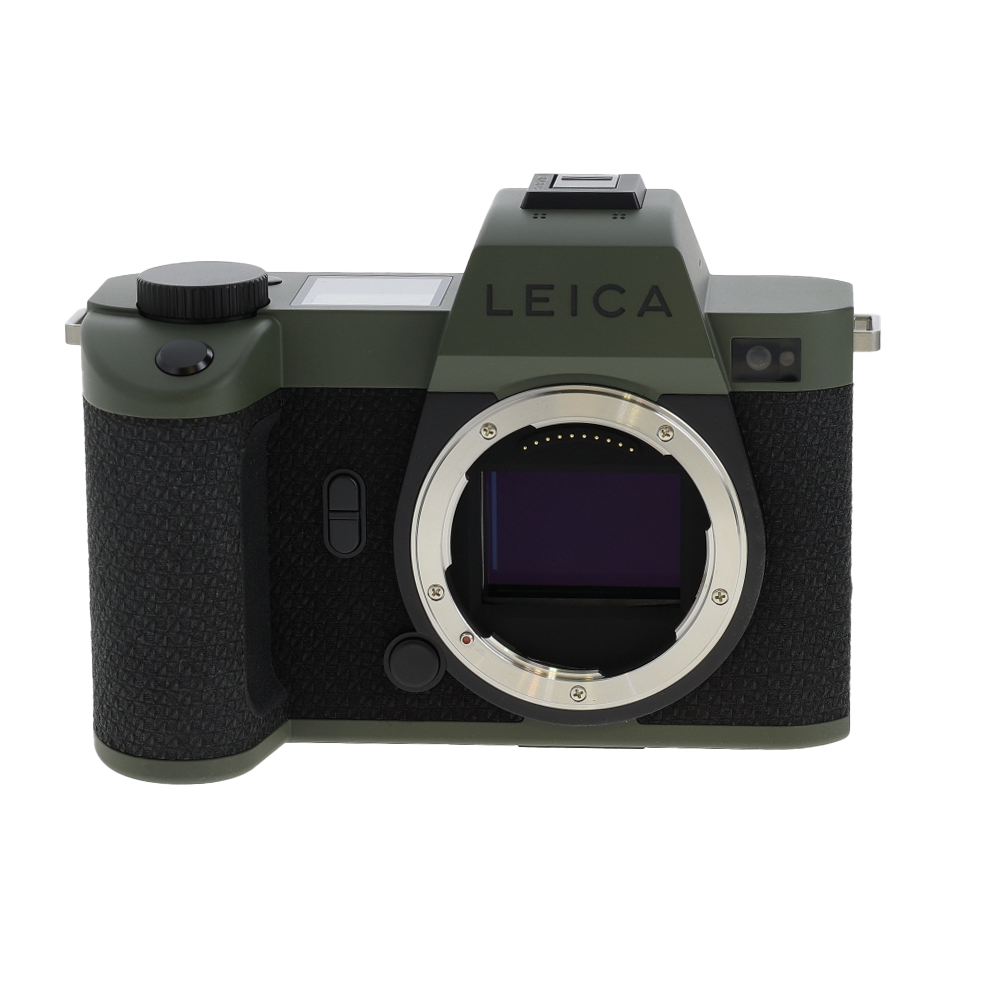
1. Shutter Count: The shutter count refers to the number of times the shutter has been actuated on your camera. This information can usually be found in the camera’s settings menu or by using specialized software.
2. File Numbering: Another way to track usage is by looking at the file numbering on your camera. The file numbering typically resets after a certain number of shots, allowing you to estimate how many images have been captured.
Essential Tips for Measuring DSLR Camera Usage
Measuring the usage of your DSLR camera can help you understand how often you are using it and whether you are getting the most out of your investment. Here are some essential tips to help you track your DSLR camera usage:
1. Keep a Usage Log
One of the simplest ways to measure DSLR camera usage is to keep a log of when and how often you use your camera. You can note down the date, time, and purpose of each use to get a clear picture of your camera usage patterns.
2. Check the Shutter Count
Most DSLR cameras have a shutter count feature that records the number of shots taken with the camera. Checking the shutter count periodically can give you an idea of how frequently you are using your camera and how close you are to reaching the shutter’s expected lifespan.
By following these tips, you can effectively measure the usage of your DSLR camera and make informed decisions about its maintenance and future usage.
Understanding DSLR Camera Settings
When using a DSLR camera, it’s important to understand the different settings that can affect the outcome of your photos. Here are some key settings to keep in mind:
1. Aperture: The aperture setting controls the amount of light that enters the camera. A lower f-stop value means a larger aperture, allowing more light to enter.
2. Shutter Speed: Shutter speed determines how long the camera’s shutter remains open. A faster shutter speed is ideal for capturing fast-moving subjects, while a slower speed can create motion blur.
3. ISO: ISO measures the camera sensor’s sensitivity to light. A higher ISO setting is useful in low-light conditions but can result in more noise.
4. White Balance: White balance adjusts the color temperature of your photos to ensure accurate colors under different lighting conditions.
By understanding and adjusting these settings, you can take full control of your DSLR camera and capture stunning photos in various scenarios.
Tracking Camera Usage Frequency
Measuring the frequency of dslr camera usage is essential for understanding how often the camera is being used and for what purposes. There are several ways to track camera usage frequency:
1. Time Tracking:
One method is to use time tracking tools or software to record the amount of time spent using the camera each day. This can provide insights into daily usage patterns and help identify peak usage times.
2. Photo Count:
Another approach is to track the number of photos taken with the dslr camera over a specific period. This can give a quantitative measure of camera usage and help determine how frequently the camera is being used.
By tracking camera usage frequency, photographers can gain valuable insights into their shooting habits and make informed decisions about their equipment and photography practice.
Analyzing Image Quality Metrics
When measuring the usage of a DSLR camera, it is important to consider image quality metrics. These metrics can help you evaluate the performance of your camera and understand how well it is capturing images.
Some common image quality metrics include:
- Resolution: The number of pixels in an image, which determines the level of detail and sharpness.
- Noise: The amount of unwanted grain or speckling in an image, which can affect overall image quality.
- Dynamic Range: The range of light levels a camera can capture, from shadows to highlights.
- Color Accuracy: How accurately colors are reproduced in an image.
By analyzing these metrics, you can gain insights into the strengths and weaknesses of your DSLR camera and make informed decisions about how to improve your photography skills.
Evaluating Lens Performance
When measuring the usage of a DSLR camera, evaluating the performance of the lens is crucial. The lens plays a significant role in image quality, sharpness, and overall output. Here are some key factors to consider when assessing lens performance:
| 1. Sharpness: | Determine the sharpness of the lens by capturing images at different apertures and focal lengths. Assess the clarity and detail in the images to gauge the sharpness of the lens. |
| 2. Distortion: | Check for any distortion in the images, such as barrel distortion or pincushion distortion. Distortion can affect the overall quality of the image. |
| 3. Vignetting: | Look for vignetting, which is the darkening of the corners of an image. Vignetting can impact the exposure and composition of the image. |
| 4. Chromatic aberration: | Inspect for chromatic aberration, which is the presence of color fringing in high-contrast areas of the image. Addressing chromatic aberration is essential for achieving accurate colors. |
| 5. Autofocus performance: | Evaluate the autofocus performance of the lens by testing its speed, accuracy, and consistency. A reliable autofocus system is crucial for capturing sharp and focused images. |
Monitoring Battery Life and Usage
One important aspect of measuring DSLR camera usage is monitoring the battery life. It is essential to keep track of how long your camera battery lasts on a full charge, as this can vary depending on the camera model and usage habits.
Some DSLR cameras come with a battery life indicator that shows the remaining charge percentage, while others may require you to keep an eye on the battery icon or receive low battery warnings. Make sure to charge your camera battery fully before each use and consider carrying a spare battery for extended shooting sessions.
Additionally, monitoring the number of shots taken with your DSLR camera can give you an idea of how frequently you are using it. Some cameras have a shot counter feature that displays the total number of images captured, helping you track your usage over time.
By monitoring both the battery life and the number of shots taken, you can better understand your DSLR camera usage patterns and ensure that you are prepared for any shooting situation.
Utilizing Camera Usage Logs
One effective way to measure DSLR camera usage is by keeping detailed camera usage logs. These logs should include information such as date, time, duration of use, type of photography (e.g., portrait, landscape, event), settings used (e.g., aperture, shutter speed, ISO), and any additional notes or observations.
By maintaining these logs consistently over time, you can track patterns in camera usage, identify popular settings or shooting styles, and understand how often and in what situations the camera is being used. This data can help you make informed decisions about camera settings, equipment upgrades, and photography techniques.
Additionally, camera usage logs can be valuable for troubleshooting issues or tracking changes in camera performance over time. By analyzing the data in these logs, you can identify any trends or anomalies that may indicate problems with the camera or its components.
FAQ
What are the common ways to measure the usage of a DSLR camera?
There are several ways to measure the usage of a DSLR camera. One common method is to check the shutter count, which indicates how many photos the camera has taken. This can usually be done by accessing the camera’s settings or using software that connects to the camera. Another way is to look at the overall condition of the camera, such as the wear and tear on the body and the functionality of the buttons and dials. Additionally, you can consider the age of the camera and how frequently it has been used based on the number of photos taken per year.
Is it important to measure the usage of a DSLR camera before buying a used one?
Yes, it is important to measure the usage of a DSLR camera before buying a used one. By knowing the shutter count and overall condition of the camera, you can get a better idea of how much life the camera has left and whether it has been well-maintained. A camera with a high shutter count may need more frequent maintenance or repair, while a camera in good condition with a low shutter count may have a longer lifespan. It’s always advisable to ask the seller for this information and inspect the camera thoroughly before making a purchase.



I started keeping a usage log for my DSLR about a year ago, and it's been really helpful! Not only do I track the dates and times, but I also note the settings I used and how I felt about the shots. I can see trends in my shooting style and which settings give me the best results. Has anyone else found this method useful?
Thanks for sharing your experience! Keeping a log can really help improve your photography skills over time. If others have tried similar methods, it would be great to hear about their experiences too!
What tools do you recommend for checking the shutter count on different DSLR models? I've heard some software works better than others.