
 Carmen J. Moore
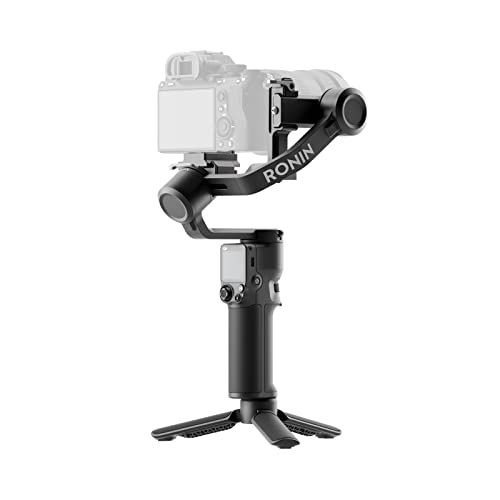
Are you tired of blurry photos and shaky videos? One of the key factors in capturing sharp images is holding your DSLR camera steady. Whether you are a beginner or a seasoned photographer, mastering the art of holding your camera properly can make a significant difference in the quality of your photos.
Proper camera stability not only helps prevent motion blur but also allows you to compose your shots more effectively. In this article, we will discuss some essential tips and techniques to help you hold your DSLR camera steady like a pro. By following these guidelines, you can take your photography skills to the next level and capture stunning, crisp images every time.


Tips for Properly Holding a DSLR Camera
Properly holding a DSLR camera is essential for capturing sharp and steady photos. Here are some tips to help you hold your camera steady:
| 1. | Use both hands: Hold the camera with both hands, one hand gripping the camera body and the other supporting the lens. This provides better stability and control. |
| 2. | Tuck your elbows: Keep your elbows close to your body to create a stable base. Avoid extending your arms too far out. |
| 3. | Stand with a wide stance: Position your feet shoulder-width apart and slightly bend your knees to create a stable stance. |
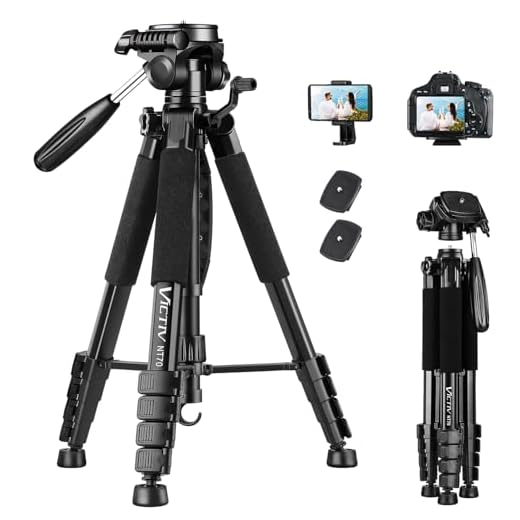
| 4. | Use a tripod or monopod: If shooting in low light or using a heavy lens, consider using a tripod or monopod for additional support. |
| 5. | Breathe and relax: Take a deep breath, exhale slowly, and relax your body to reduce camera shake. |
Importance of Proper Camera Grip
Having a proper camera grip is essential for achieving sharp and steady shots with your DSLR camera. By holding the camera correctly, you can minimize camera shake and ensure that your photos turn out crisp and clear.
Proper camera grip involves holding the camera with both hands, keeping your elbows close to your body to provide stability. Your right hand should grip the camera body, while your left hand supports the lens. This grip allows you to have better control over the camera, reducing the risk of blur caused by shaky hands.
Additionally, maintaining a steady grip on your camera can help you frame your shots more accurately and make it easier to adjust settings or focus quickly. By practicing good camera grip techniques, you can improve the quality of your photography and capture stunning images with your DSLR.
Using a Tripod for Stability
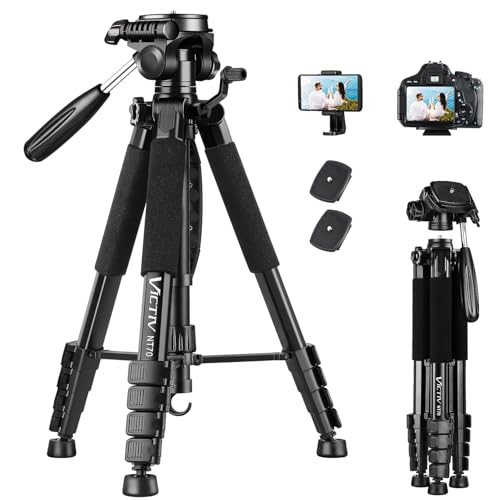
One of the best ways to ensure your DSLR camera is held steady is by using a tripod. A tripod provides a stable base for your camera, allowing you to capture sharp images with ease.
When using a tripod, make sure to extend the legs fully and adjust the height so that the camera is at eye level. This will help you maintain proper posture and avoid any unnecessary movements that could cause blurriness in your images.
Additional Tips:
– Use a remote shutter release or the camera’s self-timer to prevent camera shake when pressing the shutter button.
– Avoid extending the center column of the tripod too much, as this can compromise stability.
Breathing Techniques for Steady Shots
One of the key factors in holding a DSLR camera steady is controlling your breathing. Here are some breathing techniques to help you achieve steady shots:
1. Deep Breaths
Before you take a shot, take a deep breath and hold it for a moment. This will help stabilize your body and reduce any shaking.
2. Exhale Slowly
As you press the shutter button, exhale slowly and steadily. This will help you maintain a consistent posture and reduce any sudden movements that can result in blurry photos.
| Tip: | Practice these breathing techniques regularly to improve your ability to hold your DSLR camera steady. |
Adjusting Camera Settings for Sharp Images
One of the key factors in capturing sharp images with your DSLR camera is adjusting the camera settings properly. Here are some tips to help you achieve sharp images:
- Use a fast shutter speed: A fast shutter speed helps freeze motion and reduces the chance of camera shake. Set your shutter speed to at least 1/125 or faster for handheld shots.
- Choose the right aperture: Select a smaller aperture (higher f-stop number) to increase the depth of field and ensure that more of your image is in focus.
- Adjust the ISO: Keep your ISO as low as possible to reduce noise in your images. Increase the ISO only when necessary to maintain a fast enough shutter speed.
By adjusting these camera settings, you can improve the sharpness and clarity of your images. Experiment with different settings to find the best combination for your shooting conditions.
Practice Makes Perfect: Improving Your Stability
One of the most important factors in holding a DSLR camera steady is practice. The more you practice, the more stable your hand will become, resulting in sharper images.
Techniques to Improve Stability:
Here are some techniques you can practice to improve your stability:
| 1. Proper Posture | Ensure you have a stable stance with your feet shoulder-width apart and knees slightly bent. |
| 2. Breath Control | Practice holding your breath while taking a shot to minimize camera shake. |
| 3. Use a Tripod | For ultimate stability, consider using a tripod to eliminate any movement caused by hand-holding. |
FAQ
How can I hold a DSLR camera steady?
There are several techniques you can use to hold a DSLR camera steady. One common method is to hold the camera with both hands, one hand gripping the camera body and the other supporting the lens. Make sure to tuck your elbows in close to your body to create a stable base. You can also use a tripod or monopod for added stability, especially in low light situations. Additionally, practicing proper breathing techniques and using the camera’s image stabilization feature can help reduce camera shake.
What are some tips for holding a DSLR camera steady while shooting?
When holding a DSLR camera, try to use a wider stance for better balance and stability. Keep your feet shoulder-width apart and bend your knees slightly to absorb any movements. Use your body as a brace against a solid object like a wall or a tree to minimize camera shake. You can also experiment with different hand positions and grips to find the most comfortable and stable way to hold your camera. Remember to keep your movements slow and deliberate to avoid jerky motions that can result in blurry photos.





I disagree with using a tripod all the time. For action shots, I think a good grip and fast shutter speed are more important than setting up a tripod. Sometimes you just need to be quick on your feet!
You raise a valid point! Tripods are great for stability, but they can be impractical in fast-paced situations. A good grip and settings adjustments can definitely help in those circumstances.
I’ve tried both the tripod and just hand-holding my DSLR. The tripod is definitely more stable, especially in low light, but I find hand-holding more convenient for quick shots. Anyone else feel this way?
I’ve tried both the tripod and just hand-holding my DSLR. The tripod is definitely more stable, especially in low light, but I find hand-holding more convenient for quick shots. Anyone else feel this way?
Yeah, I prefer hand-holding too, but I use a tripod for landscapes or long exposures. They both have their place.
Could you explain a bit more about how to adjust the ISO for lower light conditions? I struggle with that part.
I’ve been trying out the breathing techniques mentioned in the article, and I’ve found that holding my breath just before taking a shot really helps. It feels a bit odd at first, but I’m definitely getting sharper images. I also started using a tripod for landscape shots, which has made a huge difference in clarity.
Thanks for sharing your experience! Breathing techniques can really help stabilize your shots. Tripods are especially useful for landscape photography where precision is key.
How does using a monopod compare to a tripod in terms of stability? Is it worth investing in both?
I started using a tripod recently and it made a huge difference in my landscape shots. I was always worried about capturing clear details, but with a tripod, everything looks so much sharper. The tips about adjusting the height were really helpful, too. I'm still trying to perfect my breathing techniques, though.
What is the best way to practice holding a DSLR steady?
What are some tips for holding a DSLR steady when standing?
I’ve been practicing the breathing techniques mentioned in the article, and they really help. It’s surprising how much a deep breath can stabilize your shots. Also, I started using a remote shutter release, and it's made a huge difference in reducing blur!
Always remember to adjust your shutter speed based on lighting. It really makes a difference in keeping photos sharp!
I struggle with holding my DSLR steady, especially in low light. Do you think a tripod is necessary, or are there good hand-holding techniques I can try?
Good question! I usually try to brace myself against a wall or something solid if I can’t use a tripod. It helps a lot!
I think using a tripod is overrated for casual photography. Sometimes just holding the camera steady is enough if you practice!
What specific breathing techniques do you recommend for minimizing shake? I've heard about holding your breath, but is there more to it?
Great question! Holding your breath can indeed help, but exhaling slowly while pressing the shutter is equally important. This helps maintain stability and reduces shake.
I disagree with the suggestion to always use a tripod. Sometimes it’s not practical, especially for street photography. It’s all about finding balance and using your body correctly.
I get that, but I think a tripod really helps for longer exposures. It just depends on the situation.
I find that tucking in my elbows really helps with stability. It's easy to forget, but it makes a noticeable difference!
I think using a tripod is overrated for casual shooting. Sometimes, it’s just not practical, and I prefer to focus on perfecting my hand-holding technique instead.
Can you explain more about how breathing affects camera steadiness? I’m curious if there are specific ways to practice it.
Can you clarify the ideal shutter speed for handheld shots?
I’ve been using the wide stance technique, and it really helps. My photos have been way sharper since I started doing that!
What if I don’t have a tripod? Are there any quick tips for stabilizing my DSLR when shooting handheld?
I've been practicing the breathing techniques mentioned in the article, and they really do help! I used to get shaky when taking photos, but focusing on my breath has improved my stability. It took a little time, but now my shots are way clearer.
Thanks for sharing your experience! Breathing control can definitely make a difference in maintaining steadiness.
What are some common mistakes people make when trying to hold a DSLR steady? I often find my photos turn out blurry even when I think I’m holding it right.
I don’t think using a tripod is always necessary. I’ve gotten great shots handheld by just practicing my grip and stance. Sometimes the spontaneity of handheld shots is what makes them special.
I see your point, but I think using a tripod can be really beneficial, especially for long exposures or if you’re shooting in low light.
I struggled a lot with shaky hands when I started. Using both hands helped, but I also found that relaxing my breathing made a huge difference!
I love the tip about using a remote shutter release! It really does help with avoiding camera shake.