
 Carmen J. Moore
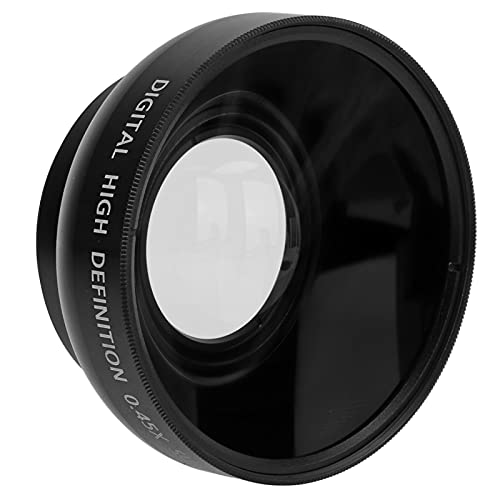
When it comes to photography, the lens is an essential component of a DSLR camera. A good lens can make a significant difference in the quality of your images, allowing you to capture sharp details and stunning colors. While the camera body is important, the lens you choose can have a far greater impact on the final result.

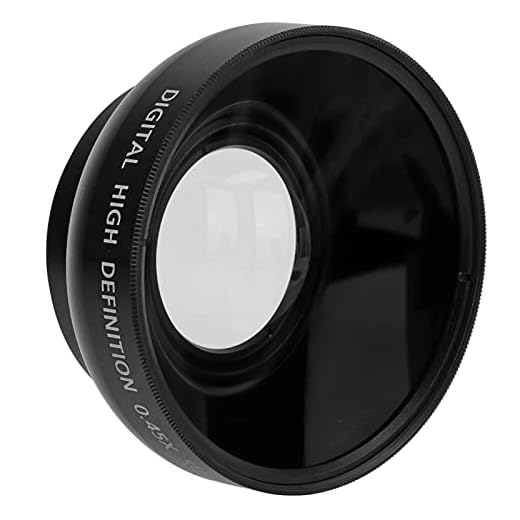
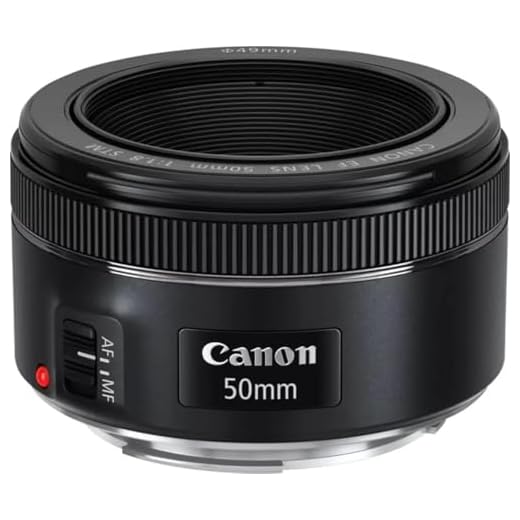
But do you really need a lens for your DSLR camera? The short answer is yes. While the camera body can capture the image, the lens is what focuses the light onto the sensor and determines the quality of the image. Different lenses have different focal lengths, apertures, and features, allowing you to achieve different effects and styles in your photography.
Whether you’re a beginner or a professional photographer, having the right lens for your DSLR camera is essential for capturing the best possible images. From wide-angle lenses for landscape photography to telephoto lenses for capturing distant subjects, the right lens can help you unleash your creativity and take your photography to the next level.
Reasons to invest in a lens for your DSLR camera
Investing in a quality lens for your DSLR camera can significantly enhance the quality of your photographs. Here are a few reasons why you should consider investing in a lens:
1. Improved Image Quality
A high-quality lens can improve the sharpness, clarity, and overall image quality of your photos. It can help you capture more details and produce stunning images with better color reproduction.
2. Versatility
Having a variety of lenses in your kit allows you to be more versatile in your photography. Different lenses offer different focal lengths, apertures, and capabilities, giving you the flexibility to capture a wide range of subjects and scenes.
- Wide-angle lenses for landscapes and architecture
- Telephoto lenses for wildlife and sports photography
- Macro lenses for close-up shots
Investing in different lenses can open up new creative possibilities and help you explore different genres of photography.
Overall, investing in a lens for your DSLR camera is a worthwhile investment that can elevate your photography to the next level.
Enhance your photography skills
Photography is an art form that requires constant learning and practice. To enhance your photography skills, consider the following tips:
1. Study composition: Learn about the rule of thirds, leading lines, framing, and other composition techniques to create visually pleasing images.
2. Experiment with lighting: Understand how different lighting conditions can affect your photos and learn how to use natural light, artificial light, and flash effectively.
3. Master your camera settings: Take the time to learn about aperture, shutter speed, ISO, and other settings on your DSLR camera to have more control over your images.
4. Practice regularly: The more you practice, the better you will become. Experiment with different subjects, angles, and techniques to improve your photography skills.
5. Seek feedback: Share your work with others, whether it’s online or in person, and be open to constructive criticism to help you grow as a photographer.
By incorporating these tips into your photography routine, you can enhance your skills and take your photography to the next level.
Improve Image Quality
One of the key benefits of using a lens with a DSLR camera is the improvement in image quality. A high-quality lens can capture sharper images with better clarity and detail. It can also enhance color reproduction and contrast, resulting in more vibrant and lifelike photos.
Additionally, a good lens can help reduce distortions such as chromatic aberration, vignetting, and lens flare, resulting in cleaner and more professional-looking images. Investing in a quality lens can significantly improve the overall quality of your photography and make your images stand out.
Expand your creative possibilities
Adding a new lens to your DSLR camera can significantly expand your creative possibilities. Whether you’re looking to capture stunning landscapes, shoot portraits with beautiful bokeh, or get up close with macro photography, the right lens can make all the difference.
Wide-angle lenses
Wide-angle lenses are perfect for capturing expansive landscapes, architecture, and interiors. They allow you to fit more of the scene into the frame, creating dramatic and immersive images.
Telephoto lenses
Telephoto lenses are ideal for capturing distant subjects, such as wildlife, sports, or events. They allow you to get closer to the action without physically moving closer, making them a versatile tool for a variety of photography genres.
Capture stunning details
When it comes to capturing stunning details in your photographs, having the right lens for your DSLR camera is essential. The lens you choose can make a significant difference in the quality of your images, especially when it comes to capturing intricate details and textures.
For capturing stunning details, consider investing in a macro lens. Macro lenses are designed to focus on close-up subjects and capture intricate details with incredible sharpness. These lenses are perfect for capturing the fine details of flowers, insects, or other small subjects.
Benefits of using a macro lens for capturing details:
- Increased magnification for capturing small details
- Enhanced sharpness and clarity in close-up shots
- Ability to focus on intricate textures and patterns
Whether you’re photographing nature, products, or portraits, a macro lens can help you capture stunning details that will take your images to the next level.
Get better low-light performance
One of the key advantages of using a DSLR camera is its ability to capture high-quality images in low-light conditions. To enhance your low-light performance, consider investing in a lens with a wide aperture, such as f/2.8 or wider. This will allow more light to enter the camera, resulting in brighter and sharper images even in dimly lit environments.
Additionally, lenses with image stabilization (IS) technology can help reduce camera shake and blur in low-light situations, allowing you to capture crisp and clear photos without the need for a tripod. Look for lenses with built-in IS or consider using a tripod for added stability.
Lastly, experimenting with different settings such as ISO, shutter speed, and aperture can also help improve your low-light photography skills. By adjusting these settings accordingly, you can achieve better exposure and clarity in challenging lighting conditions.
Enjoy versatile shooting options
With a DSLR camera lens, you can enjoy a wide range of shooting options, from capturing stunning landscapes to getting up close and personal with wildlife. The versatility of a DSLR lens allows you to experiment with different focal lengths, apertures, and depths of field, giving you the creative freedom to explore your photography skills.
Whether you’re a beginner looking to expand your photography horizons or a seasoned pro seeking new challenges, a DSLR camera lens is an essential tool for achieving professional-quality images. From wide-angle lenses for expansive views to telephoto lenses for capturing distant details, there’s a lens available to suit every shooting situation.
By investing in a quality DSLR camera lens, you can elevate your photography to new heights and unlock a world of creative possibilities. So why limit yourself to just one lens when you can enjoy the versatility and flexibility of a DSLR lens collection?
Upgrade your equipment
Investing in a high-quality lens for your DSLR camera can significantly improve the quality of your photos. Whether you’re looking to capture landscapes, portraits, or action shots, the right lens can make all the difference.
Benefits of upgrading your lens:
- Sharper images: A better lens can produce sharper images with more detail.
- Low-light performance: Upgrading to a lens with a wider aperture can improve your camera’s performance in low-light conditions.
- Increased versatility: Different lenses offer different focal lengths and capabilities, allowing you to experiment and expand your photography skills.
Whether you’re a beginner or a seasoned photographer, upgrading your lens can take your photography to the next level.
Stay ahead in the photography game
Photography is a constantly evolving field, and staying ahead of the game requires both skill and the right equipment. One essential piece of equipment for any DSLR camera user is a quality lens. The lens you choose can greatly impact the quality of your photos, so it’s important to invest in lenses that suit your style of photography.
Zoom lenses offer versatility, allowing you to capture a wide range of shots without having to change lenses. They are great for travel and events where you may need to quickly switch between different types of shots.
Prime lenses, on the other hand, offer superior image quality and are ideal for portrait and landscape photography. The fixed focal length forces you to think more about composition and framing, leading to more creative and impactful shots.
Investing in high-quality lenses will not only improve the technical quality of your photos but also enhance your creative vision. By choosing the right lenses for your DSLR camera, you can take your photography to the next level and stay ahead in the photography game.
Invest in your passion
When it comes to photography, your camera is only as good as the lens attached to it. Investing in high-quality lenses for your DSLR camera can make a world of difference in the quality of your images. Whether you’re a beginner looking to improve your skills or a professional photographer wanting to take your work to the next level, the right lens can help you achieve your goals.
With a wide range of lenses available, from wide-angle to telephoto, prime to zoom, there is a lens out there to suit every style of photography. Do your research, test out different lenses, and find the ones that best complement your artistic vision. Remember, investing in quality lenses is not just about capturing images, it’s about investing in your passion and taking your photography to new heights.
Unlock the full potential of your DSLR camera
DSLR cameras are powerful tools for capturing stunning photos and videos, but to truly unlock their full potential, you need the right lens. The lens you choose can have a significant impact on the quality and creativity of your images.
Choose the right focal length
Whether you’re shooting landscapes, portraits, or action shots, the focal length of your lens will determine the field of view and perspective of your photos. Wide-angle lenses are great for capturing expansive scenes, while telephoto lenses bring distant subjects up close.
Experiment with different apertures
The aperture of your lens controls the amount of light that enters the camera, as well as the depth of field in your photos. A wide aperture (low f-stop number) creates a shallow depth of field, perfect for portraits with creamy bokeh, while a narrow aperture (high f-stop number) is ideal for landscapes with sharp details from foreground to background.
FAQ
Do I need a lens for a DSLR camera?
Yes, you absolutely need a lens for a DSLR camera. The lens is what captures the image and allows you to focus on different subjects. Without a lens, the camera will not be able to take any photos.
Can I use my DSLR camera without a lens?
No, you cannot use a DSLR camera without a lens. The lens is an essential part of the camera that is responsible for focusing light onto the image sensor. Without a lens, the camera will not be able to capture any images.
What kind of lens do I need for a DSLR camera?
The type of lens you need for a DSLR camera depends on what you will be using the camera for. There are different types of lenses such as wide-angle, telephoto, and macro lenses, each serving a different purpose. It’s important to choose a lens that suits your photography needs.



I recently purchased a macro lens, and it completely changed how I shoot nature photography. The details I can capture in flowers and insects are incredible! It’s definitely worth the investment if you're into close-ups.
Can you explain more about the benefits of lenses with image stabilization? How does it help in low-light situations?
Lenses with image stabilization help reduce blurriness caused by camera shake, especially in low-light situations where you may need a slower shutter speed. This allows for clearer images without using a tripod.
I disagree that you need multiple lenses. A good all-in-one lens can serve most casual photographers just fine.
I'm just starting with my DSLR. What type of lens would you recommend for landscape photography?