
 Carmen J. Moore

DSLR cameras are popular among photography enthusiasts and professionals for their versatility and ability to capture high-quality images. One important feature of DSLR cameras is the aperture, which plays a crucial role in controlling the amount of light that enters the camera lens. But do DSLR cameras have aperture ratings?
Yes, DSLR cameras do have aperture ratings. The aperture rating is indicated by the f-stop number, which represents the size of the aperture opening. A lower f-stop number indicates a larger aperture opening, allowing more light to enter the camera lens, while a higher f-stop number represents a smaller aperture opening, letting in less light.

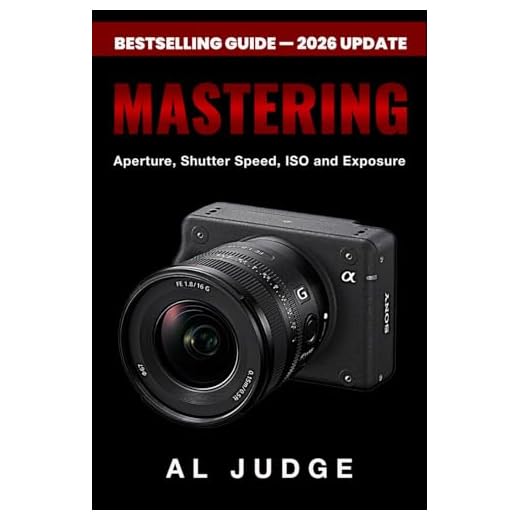
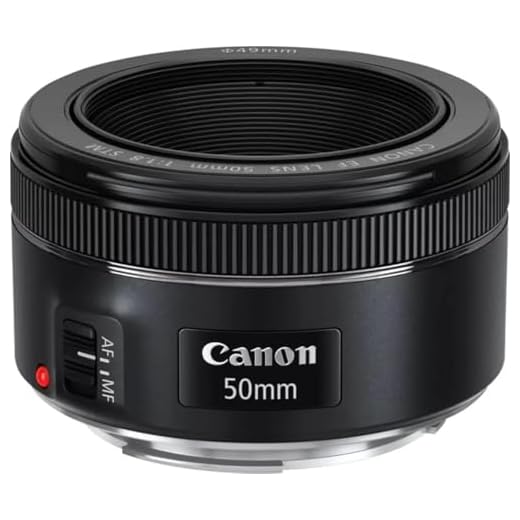
Understanding aperture ratings is essential for photographers to achieve the desired depth of field and control over the exposure of their photos. By adjusting the aperture settings on a DSLR camera, photographers can create stunning images with a beautiful bokeh effect or sharp focus on the subject.
Understanding Aperture Ratings in DSLR Cameras
Aperture is a crucial element in photography that controls the amount of light entering the camera lens. In DSLR cameras, aperture is measured in f-stops, such as f/1.8, f/2.8, etc. The lower the f-stop number, the larger the aperture opening, allowing more light to enter the camera.
Aperture ratings in DSLR cameras determine the depth of field in an image. A lower f-stop number (e.g., f/1.8) results in a shallow depth of field, where the subject is in focus while the background is blurred. In contrast, a higher f-stop number (e.g., f/16) provides a greater depth of field, keeping both foreground and background in focus.
Impact on Exposure
The aperture rating also affects the exposure of an image. A wider aperture (lower f-stop) lets in more light, making the image brighter. On the other hand, a narrower aperture (higher f-stop) reduces the amount of light, resulting in a darker image. Photographers can adjust the aperture to achieve the desired exposure for their shots.
Choosing the Right Aperture
When selecting an aperture rating in DSLR cameras, photographers need to consider the desired effect on the depth of field and exposure. It’s essential to experiment with different f-stops to achieve the desired creative outcome in their photographs.
What is an Aperture Rating?
The aperture rating of a camera lens refers to the size of the opening that allows light to pass through to the camera’s image sensor. It is typically represented by an f-stop number, such as f/2.8 or f/5.6. A lower f-stop number indicates a larger aperture opening, allowing more light to reach the sensor, which is beneficial for low-light situations and creating a shallow depth of field.
Aperture rating plays a crucial role in determining the amount of light that enters the camera and affects the exposure of the image. It also influences the depth of field, controlling how much of the scene is in focus. Understanding aperture rating is essential for photographers to achieve the desired exposure and creative effect in their photos.
| Aperture Rating | Effect |
|---|---|
| Low (e.g., f/1.8) | Larger aperture, more light, shallow depth of field |
| High (e.g., f/16) | Smaller aperture, less light, greater depth of field |
Importance of Aperture in Photography
Aperture is a crucial element in photography that plays a significant role in controlling the amount of light entering the camera lens. It not only affects the exposure of the image but also impacts the depth of field. The aperture setting determines how much light is allowed through the lens, affecting the brightness and sharpness of the image.
By adjusting the aperture, photographers can achieve various creative effects, such as creating a shallow depth of field to isolate the subject from the background or capturing a landscape with a greater depth of field. Understanding aperture and how it interacts with shutter speed and ISO is essential for mastering exposure and achieving the desired visual aesthetic in photography.
How Aperture Ratings Affect Image Quality
Aperture ratings play a crucial role in determining the image quality captured by a DSLR camera. The aperture of a lens controls the amount of light that enters the camera, which in turn affects the exposure of the image. A wider aperture (lower f-stop number) allows more light to enter the camera, resulting in brighter images with shallower depth of field.
On the other hand, a narrower aperture (higher f-stop number) lets in less light, producing darker images with greater depth of field. The choice of aperture setting can also impact the sharpness of an image, as lenses tend to perform best optically at certain apertures.
Understanding how aperture ratings work and how they influence image quality is essential for photographers looking to capture stunning and well-exposed photographs with their DSLR cameras.
Common Aperture Ratings in DSLR Cameras
Aperture ratings in DSLR cameras determine the size of the lens opening that allows light to pass through to the image sensor. The aperture is measured in f-stops, with lower f-stop numbers indicating larger apertures that let in more light.
Common Aperture Ratings:
| Aperture Rating | Effects |
|---|---|
| f/1.4 – f/2.8 | Wide open aperture for low light conditions, shallow depth of field |
| f/4 – f/5.6 | Standard apertures for general photography |
| f/8 – f/11 | Small apertures for landscapes and deep depth of field |
| f/16 – f/22 | Very small apertures for high depth of field and sharp focus |
Understanding aperture ratings in DSLR cameras is essential for controlling the amount of light entering the camera and achieving desired depth of field in your photographs.
Choosing the Right Aperture for Your Shot
When it comes to photography, understanding aperture is crucial for capturing the perfect shot. Aperture refers to the opening in the lens that controls the amount of light entering the camera. It also plays a key role in determining the depth of field in a photograph.
Aperture is measured in f-stops, with lower f-stop numbers indicating a larger aperture and higher f-stop numbers indicating a smaller aperture. A larger aperture (lower f-stop) lets in more light and creates a shallower depth of field, ideal for portraits and close-up shots where you want the subject to stand out against a blurred background.
On the other hand, a smaller aperture (higher f-stop) allows less light to enter the camera, resulting in a larger depth of field. This is great for landscapes and group shots where you want everything in focus from the foreground to the background.
When choosing the right aperture for your shot, consider the effect you want to achieve and adjust the aperture accordingly. Experiment with different apertures to see how they impact your photos and find the perfect balance for your creative vision.
| Aperture | Effect |
|---|---|
| Low f-stop (e.g., f/1.8) | Shallow depth of field, ideal for portraits |
| High f-stop (e.g., f/16) | Larger depth of field, great for landscapes |
Effects of Aperture Ratings on Depth of Field
Aperture ratings play a crucial role in determining the depth of field in photographs captured with DSLR cameras. The aperture setting controls the size of the opening in the lens through which light enters the camera. A wider aperture (lower f-stop number) allows more light to enter, resulting in a shallower depth of field. This means that the background of the image will be more blurred, while the subject in focus will stand out more prominently.
Conversely, a narrower aperture (higher f-stop number) lets in less light, leading to a greater depth of field. This results in more of the scene being in focus, from the foreground to the background. The choice of aperture setting can therefore significantly impact the visual impact and storytelling of a photograph.
Understanding how aperture ratings affect depth of field is essential for photographers looking to control the visual outcome of their images and create compelling compositions.
Adjusting Aperture Settings for Different Lighting Conditions
When shooting with a DSLR camera, adjusting the aperture settings is crucial for capturing the right amount of light in different lighting conditions.
In bright sunlight, you may want to use a smaller aperture (higher f-stop number) to reduce the amount of light entering the camera and prevent overexposure. This will also help you achieve a larger depth of field, keeping more of the scene in focus.
On the other hand, in low-light situations, you should consider using a larger aperture (lower f-stop number) to allow more light to reach the camera sensor. This will help you capture well-exposed images without increasing the ISO too much, which can lead to noise.
Experiment with different aperture settings to find the right balance between exposure and depth of field for each lighting condition you encounter.
FAQ
Do DSLR cameras have aperture ratings?
Yes, DSLR cameras have aperture ratings. The aperture rating of a DSLR camera refers to the maximum and minimum aperture settings of the lens attached to the camera. The aperture rating is usually indicated by an f-stop value, such as f/2.8 or f/5.6, which determines how much light the lens allows to pass through to the camera’s sensor.
How does aperture rating affect DSLR camera performance?
The aperture rating of a DSLR camera lens plays a crucial role in determining the amount of light that reaches the camera’s sensor. A lower f-stop number, such as f/2.8, allows more light to enter the camera, making it ideal for low-light conditions and achieving a shallow depth of field. On the other hand, a higher f-stop number, such as f/16, lets in less light and is useful for capturing images with a greater depth of field.
Can you adjust the aperture rating on a DSLR camera?
Yes, you can adjust the aperture rating on a DSLR camera by changing the aperture setting on the lens. Most DSLR cameras allow you to manually adjust the aperture by rotating a dial on the camera body or the lens itself. Some cameras also offer aperture priority mode, where you can set the desired f-stop value and let the camera automatically adjust the shutter speed to achieve proper exposure.
What is the significance of aperture ratings in DSLR photography?
Aperture ratings play a crucial role in DSLR photography as they directly impact the exposure and creative control of the image. By adjusting the aperture rating, photographers can control the depth of field, determine the amount of light entering the camera, and achieve specific creative effects. Understanding aperture ratings is essential for mastering exposure and composition in DSLR photography.



I disagree with the idea that you should always go for the lowest f-stop. Sometimes, using something like f/8 or f/11 is better for landscape photography to keep everything sharp.
I see your point! For landscapes, I usually stick to those higher f-stops to ensure everything is in focus. It really depends on the effect you want.
I disagree that lower f-stops are always better for portraits. Sometimes, I find f/4 or even f/5.6 gives a nice balance between sharpness and depth of field. It keeps the subject clear while still giving some context to the background.
That's a valid point! Higher f-stops can help maintain detail in the background while still focusing on the subject, especially in environmental portraits.
Can someone explain how aperture affects motion blur? I know it controls light, but does it have any effect on capturing movement in photos?
Good question! While aperture mainly controls the light, it can indirectly affect motion blur. A wider aperture lets in more light, allowing for faster shutter speeds, which can freeze motion. But if you use a smaller aperture, you might need a slower shutter speed, which can introduce more motion blur.
I've been experimenting with different f-stops for portraits. Using f/1.8 really makes my subjects pop against a blurred background! Really love the bokeh effect.
Just to clarify, while lower f-stop numbers allow more light in, they also create a shallower depth of field, which might not always be ideal, especially in group shots.
I've been using f/2.8 for my indoor shots and love the bokeh effect it creates! It really makes the subject pop against a blurred background.
I get that lower f-stop numbers mean more light, but does that affect image sharpness as well? I’ve heard that shooting wide open (like f/1.4) can sometimes result in softer images. Is that true?
Yes, that's correct! While wider apertures (like f/1.4) allow more light, they can sometimes lead to a loss in sharpness due to lens aberrations. Each lens has a 'sweet spot' where it performs best, often around f/4 to f/8, providing a good balance of light and sharpness.
I’m new to photography and want to understand how aperture ratings work better. Can someone explain how to choose the right f-stop number for different shooting conditions?
Great question! For low light, you usually want a lower f-stop like f/1.8 to let in more light. For landscapes, try f/8 or f/11 to keep everything in focus.
I recently upgraded to a camera with a wider aperture range. It’s amazing how much difference it makes for portrait shots! The bokeh effect is beautiful, and I can blur out the background really well at f/2.8. Totally worth experimenting with different apertures for varying effects.
Can someone clarify how aperture affects image sharpness? Is there an ideal f-stop for achieving maximum sharpness?
Aperture does affect sharpness! Most lenses have a 'sweet spot' around f/8 to f/11 where they perform their best optically. This varies by lens, so it's good to experiment.
Could someone explain how aperture settings actually impact low-light photography? I’ve heard that a lower f-stop really helps, but I’m not clear on all the details.
In low-light situations, a lower f-stop like f/1.8 lets in more light, which can help you capture clearer images without needing to crank up the ISO too much. This way, you avoid grainy photos.
It’s also important to consider how aperture interacts with shutter speed and ISO. Balancing these three can make a huge difference in exposure.
I've been experimenting with aperture settings on my DSLR. I noticed that using f/1.8 for portraits really makes the subject pop against a blurred background. However, for landscapes, I switched to f/11 and was amazed at how everything came into focus. It's a game changer for me!
I often see different f-stop numbers on lenses. Can someone explain how to choose the right one for various lighting conditions? Like, should I always go for a lower number in dim light?
Great question! Generally, yes, lower f-stop numbers let in more light, which is perfect for dim conditions. But it also depends on the effect you want. If you're shooting a landscape, a higher number could be better.
Exactly! In low light, lower f-stop numbers help, but remember that they also give a shallower depth of field, which might not be what you want for every shot.
How do I know which aperture to use for different types of photography? Are there any guidelines?
A great starting point is: for portraits, use lower apertures (like f/1.8 to f/4) for a blurred background; for landscapes, aim for higher apertures (f/8 to f/16) to keep more of the scene in focus.
I disagree with the idea that lower f-stops are always better for low-light situations. I find that sometimes using a higher f-stop can actually help with clarity and detail, especially in landscape photography. Has anyone else experienced this?
I see your point! Higher f-stops definitely keep more of the scene in focus, which is crucial for landscapes. It’s all about finding the right balance depending on the shot.