
 Carmen J. Moore
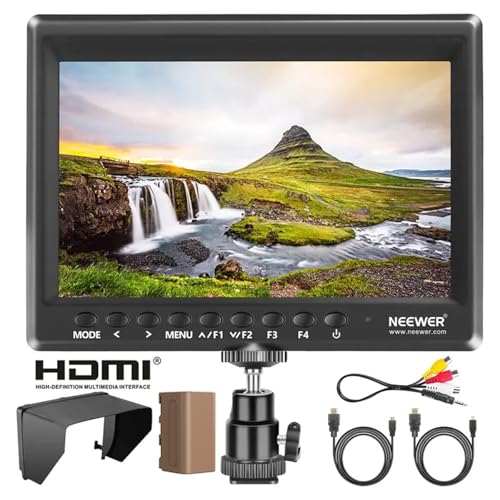
When it comes to filmmaking, the choice of camera can make a huge difference in the quality of the final product. DSLR cameras have gained popularity in recent years for their ability to capture high-quality video with stunning visual effects.
DSLR cameras offer filmmakers the flexibility to achieve cinematic looks with interchangeable lenses, manual controls, and large image sensors. This allows filmmakers to have more creative control over their shots and produce professional-looking videos.
However, there are some limitations to using DSLR cameras for filmmaking, such as limited recording time, lack of built-in ND filters, and potential issues with audio recording. Despite these drawbacks, many filmmakers continue to choose DSLR cameras for their versatility and affordability.
Are DSLR Cameras Suitable for Filmmaking?
DSLR cameras have become increasingly popular among filmmakers due to their versatility, affordability, and high-quality video capabilities. While traditional cinema cameras are still widely used in professional filmmaking, DSLRs offer filmmakers a more accessible and cost-effective option.
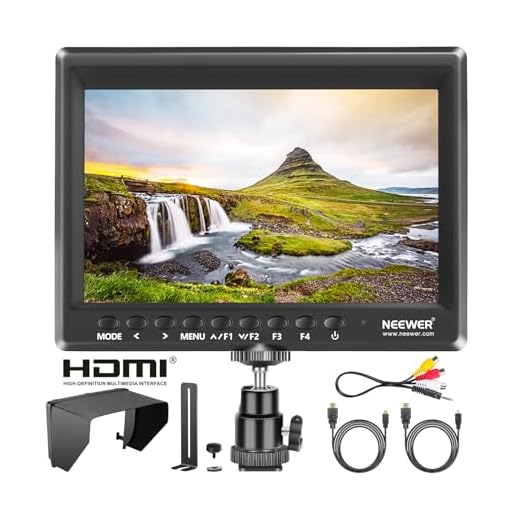


One of the main advantages of DSLR cameras for filmmaking is their ability to capture high-resolution video with a cinematic look. DSLRs typically have larger sensors than traditional camcorders, allowing for greater depth of field and better low-light performance.
Additionally, DSLRs offer filmmakers the flexibility to use a wide range of lenses, allowing for creative control over the look and feel of their footage. This versatility makes DSLRs a popular choice for independent filmmakers and content creators looking to achieve a professional look on a budget.
However, DSLRs do have some limitations compared to traditional cinema cameras. These limitations include issues such as limited recording time, overheating during extended use, and lack of professional audio inputs. Filmmakers may need to invest in additional gear, such as external recorders and microphones, to overcome these limitations.
| Pros of DSLR Cameras for Filmmaking: | Cons of DSLR Cameras for Filmmaking: |
| 1. Versatility and affordability | 1. Limited recording time |
| 2. High-quality video capabilities | 2. Overheating issues |
| 3. Creative control with interchangeable lenses | 3. Lack of professional audio inputs |
In conclusion, DSLR cameras are suitable for filmmaking, especially for independent filmmakers and content creators on a budget. While they have some limitations compared to traditional cinema cameras, DSLRs offer a cost-effective option for capturing high-quality video with a cinematic look.
Advantages and Disadvantages
Using a DSLR camera for filmmaking has its own set of advantages and disadvantages:
- Advantages:
- High-quality images and videos: DSLR cameras are known for their ability to capture high-resolution images and videos, making them ideal for professional filmmaking.
- Interchangeable lenses: DSLR cameras allow filmmakers to use a variety of lenses to achieve different visual effects and styles.
- Manual controls: DSLR cameras offer manual controls over settings such as aperture, shutter speed, and ISO, giving filmmakers greater creative control.
- Low-light performance: Many DSLR cameras perform well in low-light conditions, allowing filmmakers to capture clear and detailed footage even in challenging lighting situations.
- Disadvantages:
- Size and weight: DSLR cameras are typically larger and heavier than other types of cameras, making them less convenient for handheld or run-and-gun filmmaking.
- Limited recording time: Some DSLR cameras have limitations on continuous recording time, which can be a drawback for filmmakers capturing long events or interviews.
- Audio recording: DSLR cameras often have limited audio recording capabilities, requiring filmmakers to use external audio recording equipment for better sound quality.
- Focus issues: DSLR cameras may struggle with autofocus during video recording, requiring filmmakers to manually adjust focus while shooting.
Factors to Consider
When deciding whether a DSLR camera is a good choice for filmmaking, there are several factors to consider:
1. Image Quality
DSLR cameras are known for their ability to capture high-quality images and videos. They offer a wide range of settings and options for adjusting exposure, focus, and other important parameters, allowing filmmakers to achieve professional-looking results.
2. Lens Selection
One of the key advantages of DSLR cameras is the wide variety of lenses available. Filmmakers can choose from a range of lenses to achieve different effects and perspectives, giving them more creative control over their projects.
| Factor | Consideration |
|---|---|
| Low Light Performance | DSLR cameras are known for their good performance in low-light conditions, making them ideal for shooting in challenging lighting situations. |
| Portability | DSLR cameras are generally more compact and lightweight than traditional film cameras, making them easier to transport and handle on set. |
| Cost | While DSLR cameras can be more affordable than professional film cameras, the cost of lenses and accessories can add up quickly. |
Best DSLR Cameras for Filmmaking
When it comes to DSLR cameras for filmmaking, there are several options that stand out for their features and performance. Here are some of the best DSLR cameras that filmmakers can consider:
| Camera Model | Features |
|---|---|
| Canon EOS 5D Mark IV | 4K video recording, Dual Pixel CMOS autofocus, excellent low-light performance |
| Nikon D850 | 4K video recording, high-resolution sensor, versatile shooting capabilities |
| Sony Alpha a7S III | 4K video recording at 120fps, excellent low-light performance, impressive dynamic range |
| Panasonic Lumix GH5 | 4K video recording, 5-axis in-body stabilization, high frame rates for slow-motion |
These DSLR cameras offer filmmakers a range of features and capabilities to suit different filming needs. Whether you’re looking for high-resolution video recording, excellent low-light performance, or versatile shooting options, there’s a DSLR camera on this list that can meet your requirements.
Tips for Using DSLR Cameras in Filmmaking
When using DSLR cameras for filmmaking, it’s important to keep in mind certain tips to ensure the best results. Here are some key tips to consider:
1. Use Manual Settings
Set your DSLR camera to manual mode to have more control over your exposure settings. This will allow you to adjust the aperture, shutter speed, and ISO according to your specific shooting conditions.
2. Invest in Good Lenses
The quality of your lenses can greatly impact the overall look of your film. Invest in good quality lenses that suit your filmmaking style and genre. Consider prime lenses for a more cinematic look or zoom lenses for versatility.
| Tip | Description |
|---|---|
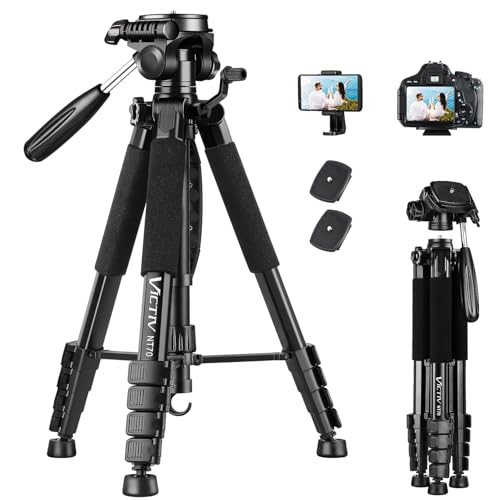
| 3. Stable Shots | Use a tripod or stabilizer to ensure smooth and stable shots. This is crucial for professional-looking footage. |
| 4. Monitor Audio | Pay attention to audio quality. Consider using an external microphone or recording device to capture clear and crisp sound. |
FAQ
Are DSLR cameras a good choice for filmmaking?
Yes, DSLR cameras are a popular choice for filmmaking due to their affordability, versatility, and high-quality image sensors. Many professional filmmakers use DSLRs to create stunning cinematic footage.
What are the advantages of using a DSLR camera for filmmaking?
DSLR cameras offer several advantages for filmmaking, including the ability to achieve a shallow depth of field, interchangeable lenses for creative flexibility, and high-resolution image sensors that produce high-quality footage. Additionally, DSLRs are more budget-friendly compared to traditional cinema cameras.



I disagree with the article’s take on using DSLRs for professional work. While they’re great for hobbyists, for serious filmmaking, I think a dedicated cinema camera is more reliable. DSLRs have too many limitations.
You bring up a valid point. While DSLRs are versatile, traditional cinema cameras do offer advantages in audio and recording capabilities, which can be crucial for professional productions.
I’m considering a DSLR for my short film but I'm worried about the limited recording time mentioned. Can anyone share their experiences with this issue? Is it really a significant problem during shoots?
I've been using the Canon EOS 5D Mark IV for a couple of years now and it's been a game changer for my filmmaking. The low-light performance is fantastic, and I love the range of lenses available. However, I did face some overheating issues during a longer shoot. I recommend monitoring the camera’s temperature, and maybe have a backup handy if you're planning a long session.