
 Carmen J. Moore

Have you ever wondered if taking a photo of the sun could damage your digital camera? It’s a common concern among photographers, especially those who are new to the hobby. The sun is a powerful source of light, and pointing your camera directly at it can potentially cause harm to the camera’s sensor.
But is it really dangerous to photograph the sun with your digital camera? In this article, we’ll explore the risks involved in photographing the sun, and provide some tips on how to safely capture stunning sun images without damaging your camera.


Is Sun Photography Safe?
Photographing the sun can be a risky endeavor for both your camera and your eyes. While modern digital cameras are equipped with sensors that can handle bright light, pointing your camera directly at the sun can still cause damage. The intense light can overwhelm the sensor and potentially cause permanent damage.
Camera Safety Tips:
- Avoid pointing your camera directly at the sun for extended periods of time.
- Use a solar filter or lens hood to reduce the intensity of the light reaching your camera’s sensor.
- Adjust your camera settings to a lower exposure to prevent overexposure.
Eye Safety Tips:
- Never look directly at the sun through your camera’s viewfinder or with your naked eye.
- Use proper eye protection, such as solar eclipse glasses, when viewing the sun.
- Take breaks and look away from the sun to prevent eye strain and damage.
- Choose the right time of day to capture the sun’s beauty without risking damage to your equipment.
- Experiment with different angles and compositions to create stunning sun photographs.
- Consider using a tripod to stabilize your camera and capture clear, sharp images.
Impact of Sunlight on Digital Cameras
Exposing your digital camera to direct sunlight for extended periods can potentially damage the camera’s sensor and other components. The intense heat and light from the sun can cause the sensor to overheat, leading to image distortion or even permanent damage. Additionally, prolonged exposure to sunlight can also affect the camera’s LCD screen, causing it to fade or develop dead pixels.
It is recommended to avoid pointing your camera directly at the sun or leaving it in direct sunlight for extended periods. If you need to take photos in bright sunlight, consider using a lens hood or a UV filter to protect your camera from excessive light. Always store your camera in a cool, shaded place when not in use to prevent damage from prolonged exposure to sunlight.
Protecting Your Camera from Sun Damage
When photographing the sun, it is important to take precautions to protect your digital camera from potential damage. Direct sunlight can be intense and can potentially harm your camera’s sensor and lens. Here are some tips to help protect your camera:
1. Use a Lens Hood: A lens hood can help reduce the amount of direct sunlight that reaches your camera’s lens, reducing the risk of lens flare and damage.

2. Use a UV Filter: A UV filter can help protect your camera’s lens from the sun’s harmful UV rays, reducing the risk of damage to the lens.
3. Avoid Extended Exposure: Limit the amount of time you spend photographing the sun to reduce the risk of overheating your camera’s sensor.
4. Keep Your Camera Cool: If your camera starts to feel hot to the touch, give it a break and allow it to cool down before using it again.
5. Monitor Your Camera’s Temperature: Some cameras have temperature sensors that can alert you if the camera is getting too hot. Pay attention to these warnings and take appropriate action.
By following these tips, you can help protect your digital camera from sun damage and continue capturing stunning photos safely.
Understanding Camera Sensors and Sun Exposure
When taking photos of the sun, it is important to understand how camera sensors work and how they can be affected by direct sunlight.
Camera Sensors
Camera sensors are the electronic components in digital cameras that capture light and convert it into a digital image. They are sensitive to light and can be damaged if exposed to extremely bright light sources like the sun for prolonged periods.
Sun Exposure
Directly pointing your camera at the sun can cause the sensor to be overwhelmed by the intense light, leading to overexposed or burnt-out areas in your images. This can result in permanent damage to the sensor and affect the overall image quality of your camera.
To protect your camera sensor from sun exposure, avoid pointing your camera directly at the sun and use a lens hood or filter to reduce the amount of light entering the camera. Additionally, be mindful of the exposure settings on your camera and adjust them accordingly to prevent overexposure.
Common Misconceptions About Sun Photography
When it comes to photographing the sun, there are several common misconceptions that people often have. Here are some of the most prevalent ones:
1. Sun Photography Will Damage Your Camera
Many people believe that taking photos of the sun will harm their digital camera. While it’s true that pointing your camera directly at the sun for an extended period can cause damage, taking a quick photo of the sun should not harm your camera. Just be sure to avoid looking at the sun through the viewfinder or LCD screen to protect your eyes.
2. You Need Special Filters to Photograph the Sun
While using a filter can help enhance your sun photos, it’s not always necessary. With the right settings and techniques, you can capture stunning sun shots without any special filters. Experiment with different settings like aperture, shutter speed, and ISO to achieve the desired effect.
By understanding these common misconceptions, you can feel more confident in your sun photography skills and capture beautiful images without fear of damaging your camera.
Guidelines for Sun Photography with Digital Cameras
Photographing the sun can be a challenging but rewarding experience with a digital camera. Here are some guidelines to help you capture stunning sun photos safely:
1. Use a Solar Filter
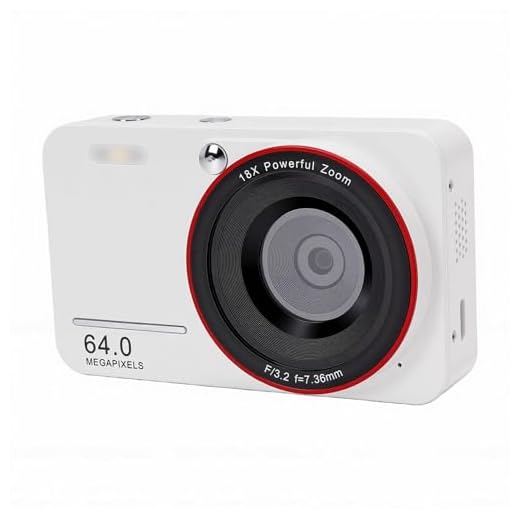
When photographing the sun, always use a solar filter to protect your camera’s sensor from damage. Solar filters are designed to reduce the intensity of sunlight and prevent your camera from getting damaged by the sun’s rays.
2. Avoid Direct Sunlight
Avoid pointing your camera directly at the sun, especially during midday when the sun is at its brightest. Instead, try to capture the sun during sunrise or sunset when the light is softer and more flattering.
Remember to never look directly at the sun through your camera’s viewfinder, as this can cause permanent damage to your eyes.
Benefits of Sun Photography
Sun photography can provide stunning and dynamic images that capture the beauty of natural light. The sun’s rays can create unique lighting effects, such as lens flares, sunbursts, and dramatic shadows, adding depth and interest to your photos.
Additionally, photographing the sun can help you improve your technical skills as a photographer. It requires an understanding of exposure settings, white balance, and composition to properly capture the sun’s brightness and color temperature.
Recommended Camera Settings for Sun Photography
When photographing the sun, it is important to use the right camera settings to capture the beauty of this powerful celestial body without damaging your equipment. Here are some recommended camera settings for sun photography:
| Setting | Recommended Value |
|---|---|
| ISO | Low (100-200) |
| Aperture | Small (f/16-f/22) |
| Shutter Speed | Fast (1/4000s or faster) |
| Focus | Manual focus to avoid damage to the camera’s autofocus system |
| Use a Neutral Density Filter | Recommended to reduce the intensity of the sun’s light |
By using these recommended camera settings, you can safely photograph the sun and capture stunning images without harming your digital camera.
Alternatives to Direct Sun Photography
While it is not recommended to photograph the sun directly with your digital camera due to the risk of damage, there are several alternative ways to capture stunning images without endangering your equipment:
1. Use a solar filter: If you absolutely must photograph the sun, invest in a solar filter that can be attached to your camera lens. This will protect your camera sensor from the sun’s intense light.
2. Shoot during sunrise or sunset: The sun is less intense during these times, making it safer to photograph. Plus, the golden hour lighting can create beautiful, atmospheric images.
3. Experiment with reflections: Capture the sun’s reflection on water, glass, or other reflective surfaces to create unique and captivating images without risking damage to your camera.

4. Use a lens hood: If you need to shoot in bright sunlight, use a lens hood to reduce lens flare and protect your camera from excessive light.
5. Try silhouette photography: Instead of directly capturing the sun, use the sun’s light to create striking silhouettes of objects or people against the bright sky.
By exploring these alternatives, you can still capture stunning sun-related images while keeping your digital camera safe from harm.
Professional Advice on Sun Photography
When photographing the sun, it’s important to take precautions to protect your digital camera and your eyes. Here are some tips from professionals:
1. Use a Solar Filter
Always use a solar filter when photographing the sun to protect your camera’s sensor from damage. Solar filters are specially designed to block out harmful rays and reduce the intensity of light entering the lens.
2. Avoid Direct Sunlight
Avoid pointing your camera directly at the sun, as this can cause damage to the camera sensor and result in overexposed images. Instead, use a lens hood or shoot during sunrise or sunset when the sun is less intense.
By following these professional tips, you can safely photograph the sun and create beautiful images without harming your digital camera.
FAQ
Is it safe to take photos of the sun with a digital camera?
It is generally safe to take photos of the sun with a digital camera, but you should be cautious and avoid looking at the sun directly through the camera’s viewfinder. Using a solar filter or special equipment designed for solar photography can help protect your camera’s sensor from damage and ensure better quality images.
Can taking pictures of the sun damage my digital camera?
Yes, prolonged exposure to the intense light of the sun can potentially damage the sensor of a digital camera. It is recommended to use a solar filter or specialized equipment when photographing the sun to prevent any harm to your camera. Additionally, avoid pointing the camera directly at the sun for an extended period of time to minimize the risk of damage.


I've taken pictures of the sun a few times without any filters, and I didn't notice any damage to my camera. However, I made sure to keep the exposure low and only shot for a few seconds. Maybe I just got lucky? I still plan to get a solar filter for future shoots, just to be safe.
Is it really necessary to use a solar filter when photographing the sun? I've seen some amazing shots without one. What are the risks if I don't use it?
When you say to avoid looking at the sun through the viewfinder, does that also apply when using a digital screen?
Yes, it's advisable to avoid looking directly at the sun through any part of the camera, including the screen, as it can cause eye damage. Always use proper eye protection.
I think the article exaggerates the risks of sun photography. Many photographers capture great images of the sun without filters and without issues. I've done it for years!
I've always found that shooting during sunrise or sunset gives the best results. The colors are so much richer!
I’ve noticed that some cameras handle bright light better than others. Is there a specific type of camera that’s more resistant to sun exposure? I recently upgraded to a mirrorless model and am curious about its capabilities.