
 Carmen J. Moore

Kodak Eastman, a company known for its dominance in the film photography industry, made a critical misstep when it chose to sit on the first digital camera technology. This decision, which may seem puzzling in hindsight, can be attributed to a combination of factors that led to Kodak’s downfall in the digital age.
Despite being a pioneer in photography, Kodak failed to recognize the potential of digital technology and the impact it would have on the industry. The company was heavily invested in its traditional film business and was reluctant to embrace the digital revolution, fearing it would cannibalize its existing products.
As a result, Kodak missed out on the opportunity to capitalize on the growing demand for digital cameras and fell behind competitors who were quicker to adapt to the changing landscape. This decision ultimately led to Kodak’s decline and bankruptcy in the early 21st century.
The Birth of Kodak Eastman
George Eastman founded Kodak Eastman in 1888, with the goal of making photography accessible to everyone. The company quickly gained popularity with its affordable and easy-to-use cameras, such as the iconic Brownie camera.

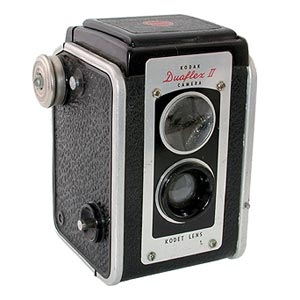


Throughout the years, Kodak Eastman continued to innovate and revolutionize the photography industry. In 1975, they developed the first digital camera prototype, although it was not commercially successful at the time.
- Despite the potential of digital photography, Kodak Eastman hesitated to fully embrace the technology due to fears of disrupting its existing film business.
- This hesitation ultimately led to missed opportunities, as other companies capitalized on the growing digital photography market.
- It wasn’t until much later that Kodak Eastman shifted its focus to digital imaging, but by then, it was too late to regain its former dominance in the industry.
The story of Kodak Eastman serves as a cautionary tale of the importance of adaptation and innovation in the rapidly evolving world of technology.
Innovation in Photography Industry
The photography industry has seen significant innovation over the years, with companies constantly striving to push the boundaries of technology and creativity. Kodak Eastman, a pioneer in the photography industry, played a crucial role in shaping the way we capture and share images.
One of the most notable innovations in the industry was the development of the first digital camera. While Kodak Eastman had the technology and expertise to lead this innovation, they hesitated to fully embrace the digital revolution. This hesitation ultimately led to missed opportunities and a decline in market share.
Despite this setback, the photography industry continued to evolve, with other companies stepping in to fill the gap left by Kodak Eastman. Today, digital photography is the norm, with new advancements and technologies constantly reshaping the way we capture and experience images.

Innovation remains at the core of the photography industry, with companies always looking for new ways to push the boundaries and create unique and engaging experiences for photographers and consumers alike.
Digital Revolution in Photography
The digital revolution in photography marked a significant shift in the way images are captured, stored, and shared. With the advent of digital cameras, photographers gained the ability to take photos without film and instantly view and edit their images on a screen.
Impact on Kodak Eastman
Kodak Eastman, a pioneer in traditional film photography, initially hesitated to embrace the digital revolution. The company’s focus on film-based products caused them to miss out on the growing market for digital cameras.
However, with the rise of digital photography, Kodak Eastman eventually transitioned to digital products and services. This shift helped the company stay relevant in the changing landscape of photography.
Kodak’s Dominance and Success
Kodak Eastman, founded in 1888, quickly became a dominant player in the photography industry. The company’s innovative products and marketing strategies propelled it to the forefront of the market, making it a household name in photography.

Innovative Products
Kodak’s success can be attributed to its groundbreaking products, such as the Kodak Brownie camera, which made photography accessible to the masses. The company’s commitment to innovation and quality allowed it to stay ahead of the competition and maintain its market leadership.
Marketing Strategies
In addition to its innovative products, Kodak’s marketing strategies played a crucial role in its success. The company’s iconic “Kodak moment” campaign resonated with consumers and solidified its position as a trusted brand in the photography industry.
| Key Points | Details |
|---|---|
| Innovative Products | Kodak Brownie camera |
| Marketing Strategies | “Kodak moment” campaign |
The Emergence of Digital Cameras
During the late 20th century, the advent of digital technology revolutionized the field of photography. Traditional film cameras were gradually replaced by digital cameras, which allowed users to capture, store, and share images in a digital format. This shift marked a significant milestone in the history of photography, as it offered numerous advantages over film photography.
Digital Sensor Technology
One of the key innovations that enabled the development of digital cameras was the digital sensor technology. Instead of using film to capture images, digital cameras utilized electronic sensors to convert light into digital signals. This allowed for instant image preview, storage on memory cards, and easy transfer to computers for editing and sharing.
Rise of Kodak Eastman
Companies like Kodak Eastman played a pivotal role in the transition to digital photography. While Kodak initially hesitated to embrace digital technology, it eventually recognized the potential of digital cameras and began investing in research and development. This shift marked a turning point for the company, as it paved the way for Kodak to become a prominent player in the digital imaging industry.

Kodak’s Initial Response
When the first digital camera was invented, Kodak Eastman, a company known for its dominance in the film photography industry, faced a critical decision. Instead of embracing the digital revolution, Kodak initially hesitated and continued to focus on its traditional film business.
This decision to sit on the first digital camera can be attributed to Kodak’s reluctance to disrupt its existing business model. The company was heavily invested in film production and distribution and was hesitant to shift its focus to digital technology, which was still in its early stages.
Missed Opportunities
By neglecting the potential of digital photography, Kodak missed out on significant opportunities for innovation and growth. Competitors who embraced digital technology quickly surpassed Kodak in the market, leading to a decline in the company’s relevance and profitability.
Rethinking Strategy
Ultimately, Kodak’s initial response to the first digital camera highlights the importance of adaptability and foresight in the face of technological advancements. The company’s failure to adapt serves as a cautionary tale for businesses that are resistant to change and innovation.
Missed Opportunities and Challenges
Despite being the pioneers in the photography industry, Kodak Eastman missed out on a significant opportunity by sitting on the first digital camera. This decision had long-lasting repercussions for the company, as they failed to adapt to the digital revolution that was reshaping the industry.

The reluctance to embrace digital technology posed significant challenges for Kodak Eastman. Competitors quickly capitalized on the emerging trend, leaving Kodak struggling to keep up. The company’s failure to innovate and evolve ultimately led to its decline and bankruptcy.
Looking back, the decision to overlook the potential of digital photography was a costly mistake for Kodak Eastman. It serves as a cautionary tale for businesses that fail to adapt to changing technologies and market demands, highlighting the importance of innovation and staying ahead of the curve.
Impact on Kodak’s Market Position
Despite Kodak’s early innovations in digital photography, the company’s reluctance to fully embrace the shift from film to digital cameras ultimately had a negative impact on its market position. While other companies like Sony and Canon quickly adapted to the digital trend, Kodak’s slow response led to a loss of market share and revenue.
By sitting on the first digital camera and failing to capitalize on the emerging technology, Kodak missed out on the opportunity to dominate the digital photography market. As a result, the company’s brand image suffered, and it struggled to compete with more agile and innovative competitors.
| Consequences | Implications |
|---|---|
| Decline in market share | Loss of competitive edge |
| Decrease in revenue | Struggle to stay relevant |
| Missed opportunities for growth | Inability to innovate |
Lessons Learned for the Future
The story of Kodak Eastman and the digital camera serves as a cautionary tale for companies in the fast-paced world of technology. Here are some key lessons learned from this historic misstep:

1. Embrace Innovation
Companies must be willing to adapt and embrace new technologies to stay relevant in the market. Kodak’s reluctance to fully embrace digital photography ultimately led to its downfall. It is essential for companies to constantly innovate and evolve to meet the changing needs of consumers.
2. Anticipate Market Trends
Being proactive and anticipating market trends is crucial for long-term success. Kodak failed to recognize the potential of digital photography early on, which allowed competitors to gain a foothold in the market. Companies must stay ahead of the curve and be prepared to pivot their strategies to meet emerging trends.
Kodak’s Legacy in the Digital Age
Kodak Eastman, once a photography industry giant, faced challenges in adapting to the digital age. Despite being an early pioneer in digital photography, Kodak struggled to fully embrace the new technology and capitalize on its potential.
The company’s reluctance to invest heavily in digital camera development and its focus on traditional film photography ultimately hindered its ability to stay competitive in the rapidly evolving market. Kodak’s failure to adapt quickly enough led to missed opportunities and a decline in market share.
The Rise of Competitors
As Kodak hesitated, competitors such as Canon, Nikon, and Sony seized the opportunity to innovate and dominate the digital camera market. These companies invested heavily in research and development, producing cutting-edge digital cameras that captured the attention of consumers.

The Aftermath
Despite Kodak’s struggles, the company’s legacy in the photography industry remains significant. Its contributions to film photography and early digital imaging technologies are undeniable. While Kodak may have missed the digital camera revolution, its impact on the industry will be remembered for years to come.
FAQ
Why did Kodak Eastman sit on the first digital camera?
Kodak Eastman failed to recognize the potential of digital photography early on and was focused on protecting its film business. This led to the company delaying the development and release of digital cameras, ultimately missing out on the digital revolution.
What was the impact of Kodak Eastman sitting on the first digital camera?
The impact of Kodak Eastman’s decision to overlook the first digital camera was significant. The company lost its market share to competitors who embraced digital technology, leading to Kodak’s decline and eventual bankruptcy.
How did Kodak Eastman’s reluctance to adapt to digital technology affect its business?
Kodak Eastman’s resistance to digital technology resulted in the company falling behind its competitors in the rapidly changing photography industry. This lack of innovation ultimately led to Kodak’s downfall and bankruptcy.
Was Kodak Eastman aware of the potential of digital photography?
While Kodak Eastman was aware of the emerging digital photography technology, the company failed to grasp its significance and underestimated its impact on the industry. This shortsightedness ultimately cost Kodak its leading position in the market.

What lessons can be learned from Kodak Eastman’s mistake regarding the first digital camera?
The main lesson from Kodak Eastman’s failure to capitalize on the first digital camera is the importance of embracing technological change and innovation. Companies must be willing to adapt and evolve to stay competitive in today’s fast-paced digital world.


I actually think Kodak missed a huge chance by not investing in digital sooner. They could have been at the forefront of that technology instead of falling behind.
Why did Kodak think that embracing digital technology would cannibalize their film business? It seems like they could have developed both simultaneously.
Good question! Kodak was heavily invested in its film business and feared that digital would undermine their existing products. They were hesitant to risk their established revenue streams.
I remember when digital cameras first started coming out. It was exciting, but I also loved the nostalgia of film. Kodak had such a strong brand back then, it’s sad to see how they failed to adapt. Other brands seized the opportunity and changed the game.