
 Carmen J. Moore

As technology continues to advance, the debate between digital cameras and smartphones for photography purposes has become increasingly relevant. While smartphones have made significant strides in camera quality over the years, digital cameras still hold several advantages over them.
One of the key advantages of digital cameras is the quality of the images they produce. Digital cameras typically have larger sensors and more advanced optics compared to smartphone cameras, resulting in higher resolution images with better color accuracy and dynamic range.
Furthermore, digital cameras offer greater control over settings such as aperture, shutter speed, and ISO, allowing photographers to fine-tune their shots and achieve the desired effect. This level of control is often not possible with smartphone cameras, which are designed for convenience and ease of use.
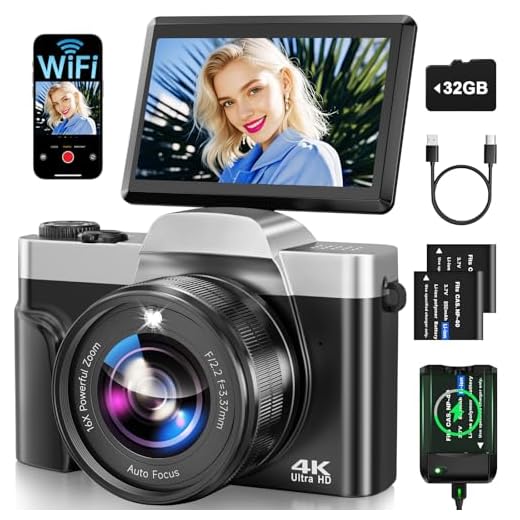
Additionally, digital cameras often have superior optical zoom capabilities, providing photographers with the ability to capture distant subjects with clarity and detail. Smartphone cameras, on the other hand, rely heavily on digital zoom, which can result in loss of image quality.


Advantages of Digital Cameras Over Smartphones
While smartphones have made significant advancements in camera technology, dedicated digital cameras still offer several advantages:
1. Image Quality
- Digital cameras typically have larger image sensors than smartphones, resulting in higher image quality with better color accuracy and detail.
- Cameras with interchangeable lenses allow for greater flexibility and control over the final image.
2. Optical Zoom
- Digital cameras often have optical zoom capabilities, providing superior zoom quality without sacrificing image resolution, unlike digital zoom on smartphones.
- Zoom lenses on digital cameras allow for capturing distant subjects with clarity and detail.
In conclusion, digital cameras still hold an edge over smartphones in terms of image quality, optical zoom capabilities, and overall control over the photography process.
Superior Image Quality
Digital cameras typically have larger image sensors compared to smartphones. This means they can capture more light and detail, resulting in higher-quality images with better dynamic range and color accuracy.
Low-light Performance
Due to their larger sensors, digital cameras perform much better in low-light conditions compared to smartphones. They produce cleaner images with less noise, allowing you to capture sharp and detailed photos even in challenging lighting situations.
Professional Features
Digital cameras offer a range of manual controls and settings that allow photographers to fine-tune their shots and achieve the desired results. These features, such as adjustable aperture, shutter speed, and ISO, give users more creative control over their images compared to the limited options available on smartphones.

Optical Zoom Capability
One key advantage of digital cameras over smartphones is their optical zoom capability. Digital cameras are equipped with optical zoom lenses that allow you to physically zoom in on a subject without sacrificing image quality. This is achieved by adjusting the focal length of the lens to bring the subject closer, resulting in clear and detailed images.
Smartphones, on the other hand, typically rely on digital zoom, which simply enlarges the existing image, often leading to pixelation and loss of quality. Optical zoom, found in digital cameras, provides a superior zooming experience and allows you to capture distant subjects with precision.
Manual Controls for Precision
One of the key advantages of digital cameras over smartphones is the level of manual control they offer. Digital cameras typically come equipped with a range of manual settings that allow photographers to adjust parameters such as aperture, shutter speed, ISO, white balance, and focus. This level of control enables photographers to fine-tune their settings for each shot, resulting in greater precision and creative control over the final image.
Smartphones, on the other hand, are designed for convenience and simplicity, often offering limited manual control options. While smartphone cameras have improved significantly over the years, they still lack the nuanced controls and customization options found in digital cameras. For photographers who value precision and want to have full control over their images, a digital camera is the preferred choice.
With manual controls, photographers can experiment with different settings to achieve the desired effect, whether it’s capturing a fast-moving subject with a high shutter speed or creating a shallow depth of field with a wide aperture. This level of flexibility and customization sets digital cameras apart from smartphones and allows photographers to unleash their creativity and achieve professional-quality results.
Specialized Shooting Modes
Digital cameras offer a wide range of specialized shooting modes that cater to different photography needs. These modes include options like portrait, landscape, macro, sports, and night photography. Each mode is optimized for specific shooting conditions, allowing you to capture high-quality images with ease.
In contrast, smartphones typically have limited shooting modes and settings, making it challenging to adjust for various scenarios. digital-camera/" class="sa-auto-link" data-sa-rule="10609" title="with a digital camera">With a digital camera, you have more control over your photography and can choose the best mode for each situation, resulting in better and more professional-looking photos.
Low Light Performance
One of the key advantages of digital cameras over smartphones is their superior performance in low light conditions. Digital cameras typically have larger image sensors and better quality lenses, allowing them to capture more light and produce clearer, sharper images in low light situations. This results in less noise and better overall image quality compared to smartphone cameras. Additionally, digital cameras often have manual controls that allow users to adjust settings such as shutter speed and ISO to further optimize image quality in low light. Overall, digital cameras offer better low light performance than smartphones, making them ideal for capturing high-quality photos in challenging lighting conditions.
External Flash Support
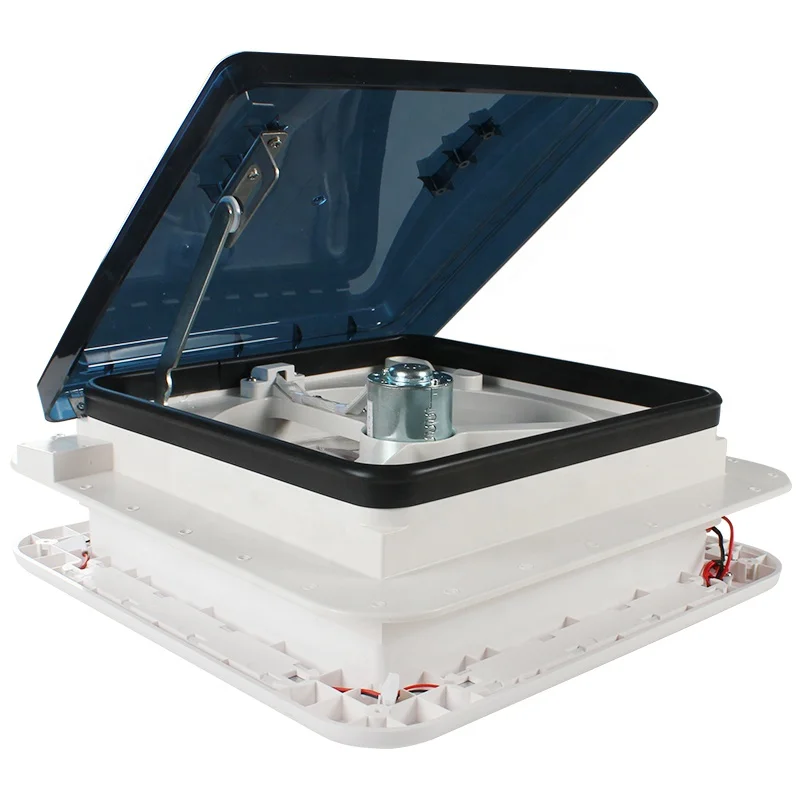
One of the key advantages of digital cameras over smartphones is their ability to support external flash units. External flashes provide more powerful and versatile lighting options compared to the built-in flashes found on smartphones. This allows photographers to achieve better lighting control, reduce red-eye effects, and capture more professional-looking photos in low-light conditions.
Many digital cameras also offer advanced features such as high-speed sync, rear-curtain sync, and wireless flash control when used with external flash units. These features give photographers greater creative freedom and flexibility in their lighting setups, making it easier to achieve the desired lighting effects in various shooting scenarios.
Longer Battery Life
One of the key advantages of digital cameras over smartphones is their longer battery life. Digital cameras are designed specifically for photography, so they are optimized to conserve battery power while capturing high-quality images. Most digital cameras can take hundreds of photos on a single charge, whereas smartphones tend to drain their batteries quickly, especially when used for photography.
Additionally, digital cameras typically have larger batteries than smartphones, allowing them to last longer between charges. This is particularly important when you’re out and about taking photos and don’t have easy access to a charging point. You can trust a digital camera to last you through a full day of shooting without needing to worry about running out of battery.
Overall, the longer battery life of digital cameras makes them a more reliable option for extended photography sessions, especially when compared to smartphones that may struggle to keep up with the demands of continuous shooting.
Higher Resolution Sensors
One of the key advantages of digital cameras over smartphones is the higher resolution sensors they use. Digital cameras typically have larger and more advanced sensors compared to the sensors found in smartphones. This allows digital cameras to capture more detailed and higher quality images with better color accuracy and dynamic range.
Higher resolution sensors also enable digital cameras to produce larger prints without losing image quality. This is especially important for professional photographers or anyone who wants to print their photos in large formats.

Greater Storage Capacity
One of the key advantages of digital cameras over smartphones is their greater storage capacity. Digital cameras typically have dedicated memory cards that can store hundreds or even thousands of high-resolution photos. In contrast, smartphones often have limited internal storage space that can quickly fill up with photos, videos, and apps.
Having a dedicated memory card in a digital camera allows photographers to easily expand their storage capacity by simply swapping out the memory card for a new one. This flexibility is especially useful for professional photographers or those who take a large number of photos and need ample storage space.
Additionally, digital cameras often offer the option to shoot in RAW format, which produces higher quality images but also requires more storage space. With the greater storage capacity of digital cameras, photographers can comfortably shoot in RAW without worrying about running out of space.
FAQ
What are the main advantages of digital cameras over smartphones?
Digital cameras typically have larger image sensors, better optical zoom capabilities, manual controls for settings like aperture and shutter speed, and superior image quality compared to smartphones. They are designed specifically for capturing high-quality photos and videos, making them a better choice for photography enthusiasts and professionals.
How do digital cameras compare to smartphones in terms of image quality?
Digital cameras generally produce higher-quality images than smartphones due to their larger sensors, better lenses, and advanced image processing capabilities. This results in sharper details, better dynamic range, and improved low-light performance. While smartphones have made significant advancements in camera technology, digital cameras still offer superior image quality for serious photography needs.


Great article! I’m curious, for someone starting with photography, would a mid-range digital camera be better than a high-end smartphone? I'm trying to decide what to invest in first.
I've used both a DSLR and my smartphone for travel photography. The DSLR captures stunning images, especially in low light, whereas my smartphone is just easier to carry around. I think both have their place, depending on the situation.