
 Carmen J. Moore

The invention of the digital camera revolutionized the way we capture and share moments in our lives. But who was the genius behind this groundbreaking technology?
Steven Sasson, an engineer at Eastman Kodak, is credited with creating the world’s first digital camera in 1975. This revolutionary device weighed a hefty 8 pounds and captured black-and-white images at a resolution of 0.01 megapixels. Despite its limitations, Sasson’s invention laid the foundation for the digital cameras we use today.
By utilizing a charged-coupled device (CCD) image sensor, Sasson’s digital camera captured images electronically, eliminating the need for film. This innovation paved the way for the digital photography era, transforming the way we take and store photos.
History of Digital Cameras
Digital cameras have come a long way since their inception. The first digital camera was invented by Steven Sasson, an engineer at Eastman Kodak, in 1975. This early prototype weighed about 8 pounds and had a resolution of 0.01 megapixels.

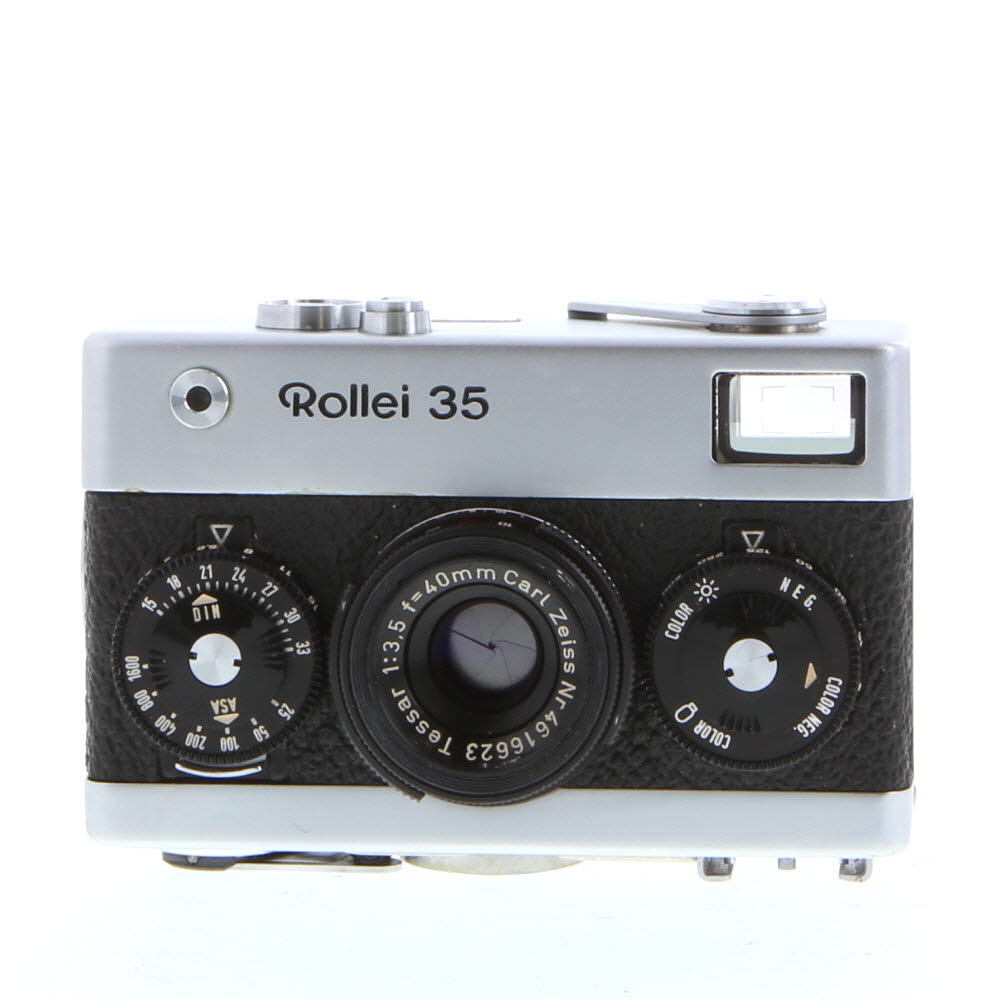
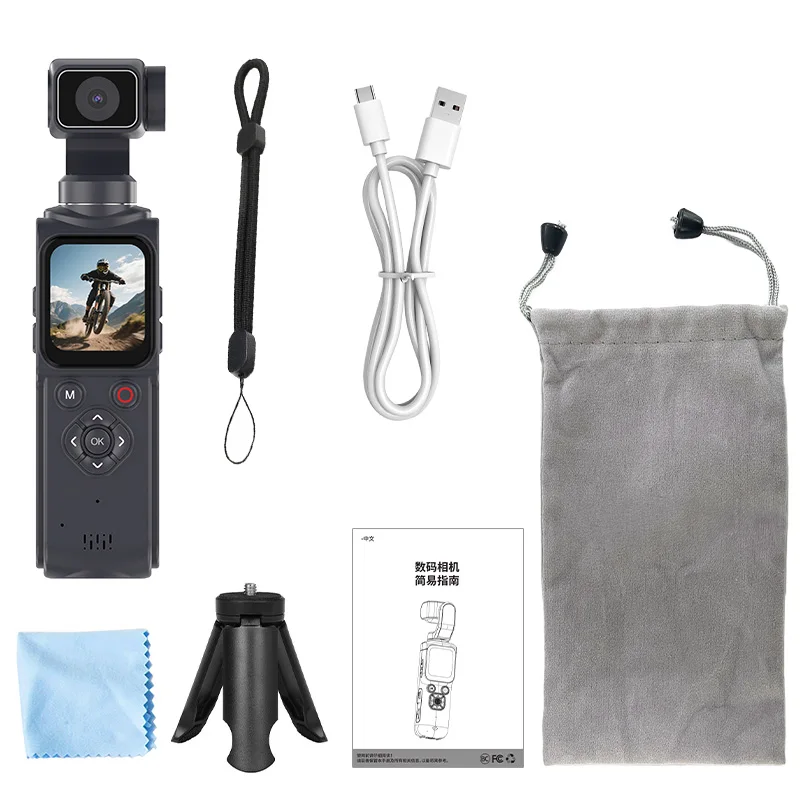

Over the years, digital cameras have evolved significantly in terms of size, resolution, and features. In the 1990s, digital cameras became more accessible to consumers, and by the early 2000s, they had largely replaced film cameras in popularity.
| Year | Event |
|---|---|
| 1975 | Steven Sasson invents the first digital camera |
| 1990s | Digital cameras become more accessible to consumers |
| Early 2000s | Digital cameras surpass film cameras in popularity |
Invention of the Digital Camera
The first digital camera was invented by Steven Sasson, an engineer at Eastman Kodak, in 1975. Sasson’s digital camera used a CCD image sensor to capture black and white images, which were then stored on a cassette tape. The camera weighed around 8 pounds and had a resolution of 0.01 megapixels.
Revolutionizing Photography
This invention marked a significant milestone in the history of photography, as it paved the way for the digital revolution. Digital cameras eventually replaced traditional film cameras, offering users the ability to instantly view and store images without the need for physical film.
Today, digital cameras are ubiquitous and have evolved to offer high-resolution images, video recording capabilities, and advanced features that have transformed the way we capture and share moments.

First Prototype Development
The development of the first digital camera prototype can be traced back to the 1970s. The engineer Steven Sasson, working at Eastman Kodak, is credited with creating the first digital camera prototype in 1975. This prototype was quite bulky and had a resolution of only 0.01 megapixels. It used a CCD image sensor and stored the images on a cassette tape. Despite its limitations, this prototype laid the foundation for the digital cameras we use today.
Key Innovators in Digital Photography
Many innovators have contributed to the development of digital photography over the years. Some of the key pioneers include:
- Steven Sasson: Credited with inventing the first digital camera while working at Eastman Kodak in 1975.
- George Smith and Willard Boyle: Developed the CCD (Charge-Coupled Device) sensor, an essential component of digital cameras, in the 1960s.
- Philippe Kahn: Created the first camera phone in 1997, combining a digital camera with a mobile phone.
- Adobe Systems: Revolutionized digital photography with the introduction of Photoshop software in 1988, enabling advanced photo editing and manipulation.
- Instagram: Popularized mobile photography with its social media platform focused on sharing digital images.
These innovators have played a significant role in shaping the digital photography landscape and continue to inspire advancements in the field.
Impact of the First Digital Camera
The invention of the first digital camera revolutionized photography and had a profound impact on the way we capture and share images today. Here are some key ways in which the first digital camera changed the world:
1. Instant Viewing and Editing
Unlike traditional film cameras, the first digital camera allowed users to instantly view and edit their photos on a screen. This instant feedback revolutionized the photography process, enabling photographers to adjust settings and retake shots on the spot.
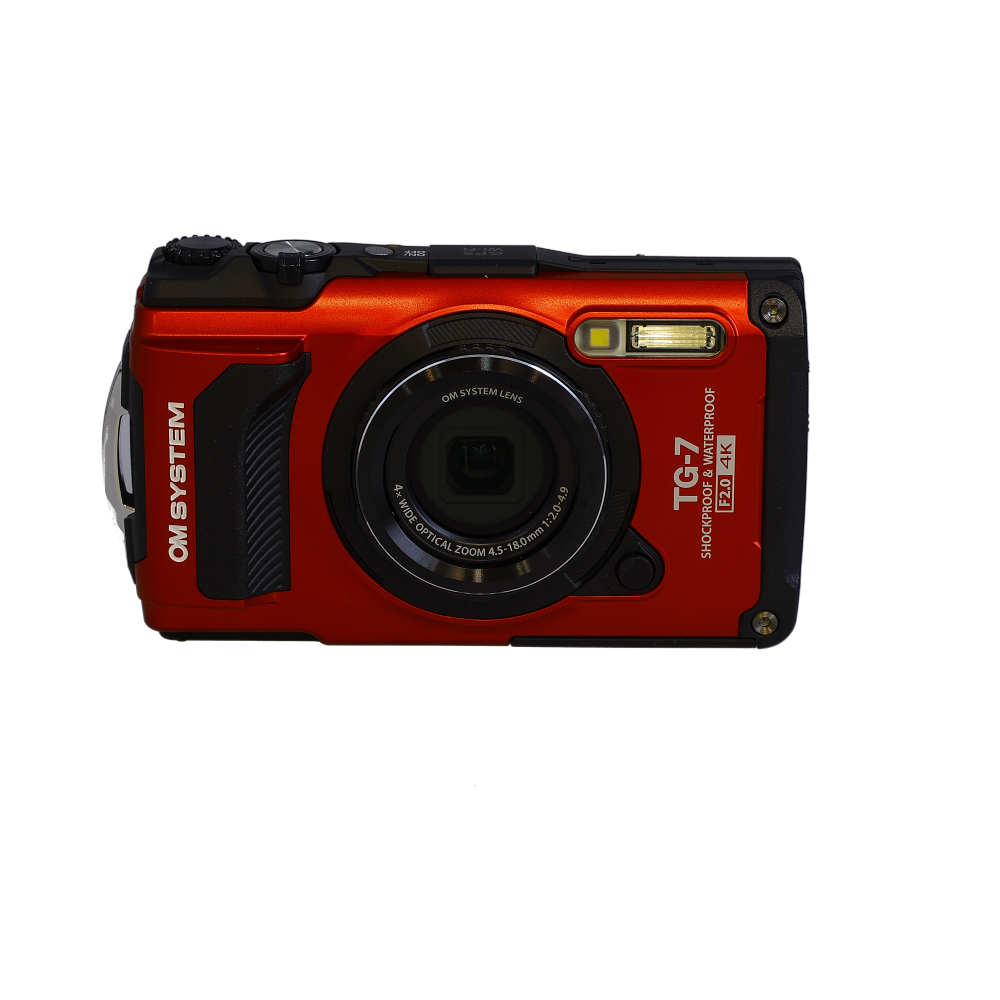
2. Storage and Sharing
Digital cameras eliminated the need for physical film rolls and darkroom processing. Instead, photos could be stored digitally on memory cards and easily shared online or through digital devices. This made photography more accessible and convenient for people around the world.
- 3. Evolution of Photography
- 4. Influence on Technology
- 5. Democratization of Photography
Evolution of Digital Photography
Digital photography has come a long way since the invention of the first digital camera. The evolution of digital photography can be traced back to the 1950s when researchers began exploring the possibility of capturing and storing images in digital format.
Invention of the First Digital Camera
Steven Sasson, an engineer at Eastman Kodak, is credited with inventing the first digital camera in 1975. The camera weighed almost 8 pounds and had a resolution of 0.01 megapixels. It used a cassette tape to store digital images, marking a significant milestone in the history of photography.
Over the years, digital photography technology has advanced rapidly, leading to the development of smaller, more powerful digital cameras with high-resolution sensors and advanced features. Today, digital photography is an integral part of our daily lives, revolutionizing the way we capture, store, and share images.
FAQ
Who is credited with inventing the first digital camera?
The first digital camera was invented by Steven Sasson, an engineer at Eastman Kodak, in 1975.
What was the resolution of the first digital camera?
The first digital camera had a resolution of 0.01 megapixels, which is extremely low compared to today’s standards.
Why did Steven Sasson create the first digital camera?
Steven Sasson created the first digital camera as a prototype to demonstrate the use of CCD sensors for capturing and storing images digitally.
How did the invention of the first digital camera revolutionize photography?
The invention of the first digital camera revolutionized photography by paving the way for the shift from film-based photography to digital photography, which has now become the norm.
What were some of the challenges faced by the early digital cameras?
Early digital cameras faced challenges such as low resolution, limited storage capacity, and the lack of infrastructure for storing and sharing digital images.


While I see the importance of Sasson's invention, I still believe film photography has its charm that digital can’t replicate. The tactile nature of film and the anticipation of developing the photos is something digital can't offer. I think both have their places in photography!
I understand your point, but I think the convenience of digital has opened up photography to so many more people. It's really about personal preference!
I remember when digital cameras started to become popular in the late 90s. It was such a game changer! The ability to take as many photos as you wanted without worrying about film was liberating. I still have my first digital camera from 1999, and it seems so primitive now, but at the time, it felt futuristic!
I’m a bit confused about the CCD sensor. How exactly did it work in the first digital camera?
The CCD (Charge-Coupled Device) sensor used in the first digital camera captured light and converted it into electronic signals, which were then stored digitally. This was innovative at the time, as it allowed for the elimination of film.
What made the first digital camera so revolutionary compared to traditional film cameras?
The first digital camera allowed for instant viewing and editing of images, which was a significant advancement over film cameras that required developing. This capability transformed photography by enabling immediate feedback and adjustments.