
 Carmen J. Moore

Interchangeable lens cameras (ILCs) have revolutionized the world of digital photography, offering photographers a level of versatility and creativity that was previously only possible with traditional film cameras. These cameras allow users to swap out lenses to achieve different photographic effects, making them a popular choice among professional photographers and enthusiasts alike.
There are two main types of interchangeable lens cameras: DSLRs (Digital Single-Lens Reflex) and mirrorless cameras. Both types offer unique advantages and features, making it important for photographers to understand the differences between them before making a purchase.

What to Know About Digital Cameras
When looking to purchase a digital camera, one important consideration is whether the camera has interchangeable lenses or not. Cameras with interchangeable lenses, such as DSLR (Digital Single-Lens Reflex) and mirrorless cameras, offer the flexibility to change lenses based on your photography needs. This allows you to experiment with different types of lenses to achieve various effects, such as wide-angle, macro, or telephoto shots.
Interchangeable lens cameras are popular among photography enthusiasts and professionals due to their versatility and ability to capture high-quality images. They offer greater control over depth of field, focus, and composition, making them suitable for a wide range of photography genres, including landscape, portrait, wildlife, and sports photography.
Keep in mind that interchangeable lens cameras may come with a higher price tag compared to fixed-lens cameras, but the investment can be worth it for those seeking to take their photography to the next level. Before making a purchase, consider your photography goals and preferences to determine if an interchangeable lens camera is the right choice for you.
Understanding Interchangeable Lenses
Interchangeable lenses are a key feature of digital cameras that allow photographers to customize their equipment for different shooting situations. These lenses can be removed and replaced with other compatible lenses, providing a wide range of focal lengths, apertures, and other features to achieve specific photographic effects.
Types of Interchangeable Lenses
There are several types of interchangeable lenses available for digital cameras, including:
- Standard Zoom Lenses
- Wide-angle Lenses
- Telephoto Lenses
- Macro Lenses
Each type of lens has its own unique characteristics and is suited for different types of photography. Standard zoom lenses offer versatility for everyday shooting, while wide-angle lenses are great for capturing landscapes and architecture. Telephoto lenses bring distant subjects closer, and macro lenses excel at close-up photography.
When choosing interchangeable lenses for your digital camera, consider the type of photography you enjoy and the specific effects you want to achieve. Experimenting with different lenses can help you discover new creative possibilities and enhance your photographic skills.
Benefits of Interchangeable Lenses
Interchangeable lenses offer photographers a range of benefits, including:
- Versatility: With interchangeable lenses, photographers can easily switch between different types of lenses to suit different shooting situations. From wide-angle to telephoto, macro to portrait lenses, the versatility of interchangeable lenses allows photographers to capture a wide variety of subjects with ease.
- Image Quality: Interchangeable lenses are designed to deliver superior image quality compared to fixed-lens cameras. They offer better sharpness, clarity, and color reproduction, allowing photographers to capture stunning, high-quality images.
- Creative Control: Interchangeable lenses give photographers greater creative control over their images. By choosing the right lens for the job, photographers can achieve different perspectives, depths of field, and effects to create unique and visually appealing photographs.
- Upgradeability: Interchangeable lenses allow photographers to upgrade their gear without having to replace the entire camera. By investing in high-quality lenses, photographers can continue to improve their photography skills and expand their creative possibilities over time.
- Customization: With interchangeable lenses, photographers can customize their camera setup to meet their specific needs and preferences. Whether it’s choosing a fast prime lens for low-light photography or a specialized lens for a particular genre, photographers can tailor their gear to suit their style.
Types of Digital Cameras
When it comes to digital cameras, there are several types available to suit different needs and preferences. Some of the most common types include:
1. Point-and-Shoot Cameras
Point-and-shoot cameras are compact and easy to use, making them perfect for casual photographers or beginners. They typically have fixed lenses and automatic settings, making them great for everyday photography.
2. DSLR Cameras
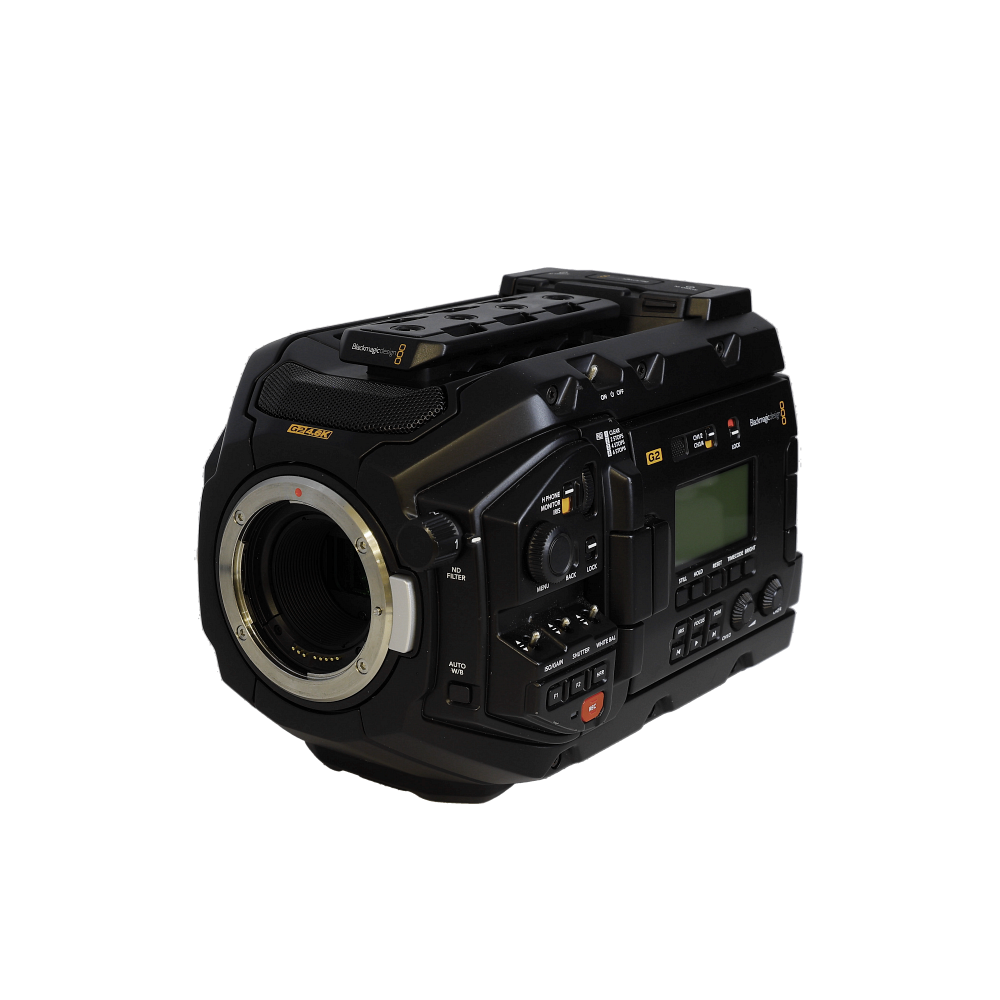
DSLR cameras, or digital single-lens reflex cameras, are popular among professional photographers and enthusiasts. They offer high-quality images, manual controls, and the ability to interchange lenses, allowing for greater flexibility and creativity in photography.
DSLR Cameras with Interchangeable Lenses
DSLR (Digital Single-Lens Reflex) cameras are a popular choice for photographers who want the flexibility of using interchangeable lenses. These cameras feature a mirror mechanism that allows you to see exactly what the camera sees through the optical viewfinder.
With DSLR cameras, you can easily swap out lenses to suit different shooting situations. This versatility allows photographers to capture a wide range of subjects, from landscapes to portraits to sports.
Some of the top DSLR camera brands that offer models with interchangeable lenses include Canon, Nikon, Sony, and Pentax. Each brand has its own line of lenses that are compatible with their DSLR cameras, giving photographers plenty of options to choose from.
Whether you’re a beginner or a professional photographer, a DSLR camera with interchangeable lenses can help you take your photography to the next level by giving you greater control over your images.
Mirrorless Cameras and Lenses
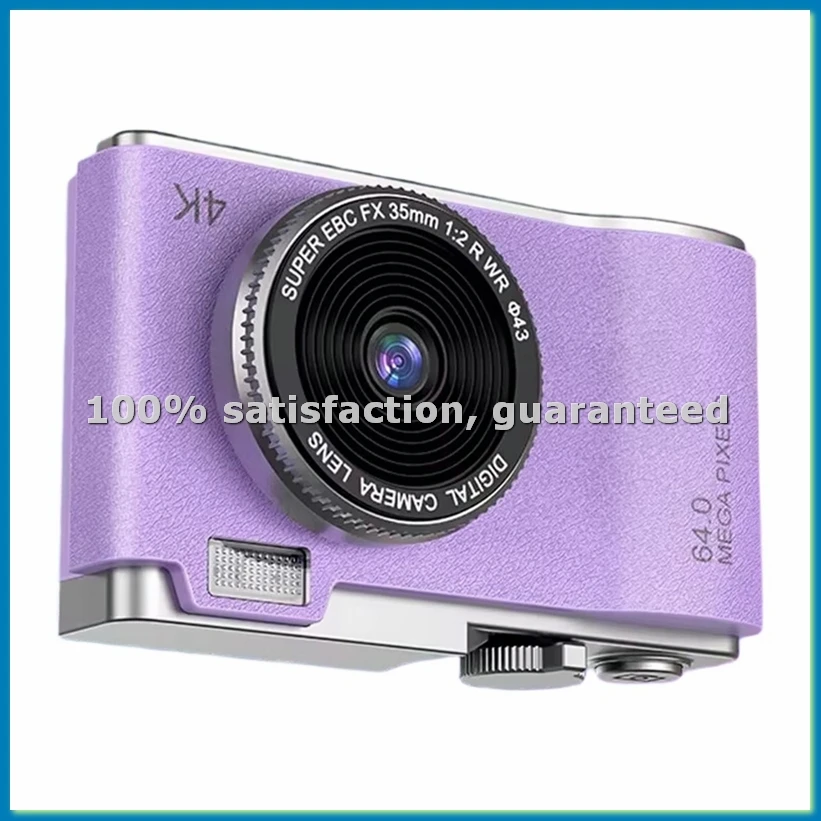
Mirrorless cameras are a type of digital camera that has interchangeable lenses, allowing photographers to change lenses based on their specific needs. These cameras do not have the traditional mirror system found in DSLR cameras, making them more compact and lightweight.
One of the advantages of mirrorless cameras is the wide range of lenses available for different photography styles. From wide-angle lenses for landscape photography to telephoto lenses for wildlife shots, mirrorless cameras can be paired with various lenses to achieve the desired results.
When selecting lenses for a mirrorless camera, photographers should consider factors such as focal length, aperture, and lens compatibility. Some popular lens brands for mirrorless cameras include Sony, Canon, Nikon, and Panasonic, each offering a range of lenses suitable for various shooting scenarios.
Overall, mirrorless cameras and interchangeable lenses provide photographers with flexibility and creativity in capturing stunning images across different genres of photography.
Considerations When Choosing a Camera
Interchangeable Lenses: If you are looking for a digital camera with interchangeable lenses, you will need to consider the type of mount system the camera uses. Different camera brands have their own lens mount systems, so make sure you choose a camera that is compatible with the lenses you already own or plan to purchase.

Image Sensor: The size and type of image sensor in a camera can greatly affect image quality. Larger sensors generally produce better image quality, especially in low-light conditions. Consider the sensor size when choosing a camera.
Resolution: The resolution of a camera is measured in megapixels and determines the level of detail in your photos. Higher resolution cameras can capture more detail, but keep in mind that higher resolution does not always mean better image quality.
Size and Weight: Consider the size and weight of the camera, especially if you plan to carry it around frequently. A larger camera with interchangeable lenses may be heavier and bulkier than a compact point-and-shoot camera.
Features and Controls: Look for a camera with features and controls that suit your photography style. Consider factors like manual controls, autofocus performance, burst shooting speed, and connectivity options when choosing a camera.
Comparing Lens Compatibility
When choosing a digital camera with interchangeable lenses, it is important to consider the compatibility of lenses across different camera brands and models. Some camera manufacturers have their own proprietary lens mounts, which means that lenses from one brand may not be compatible with cameras from another brand. For example, Canon cameras typically use EF or EF-S mounts, while Nikon cameras use F-mounts.
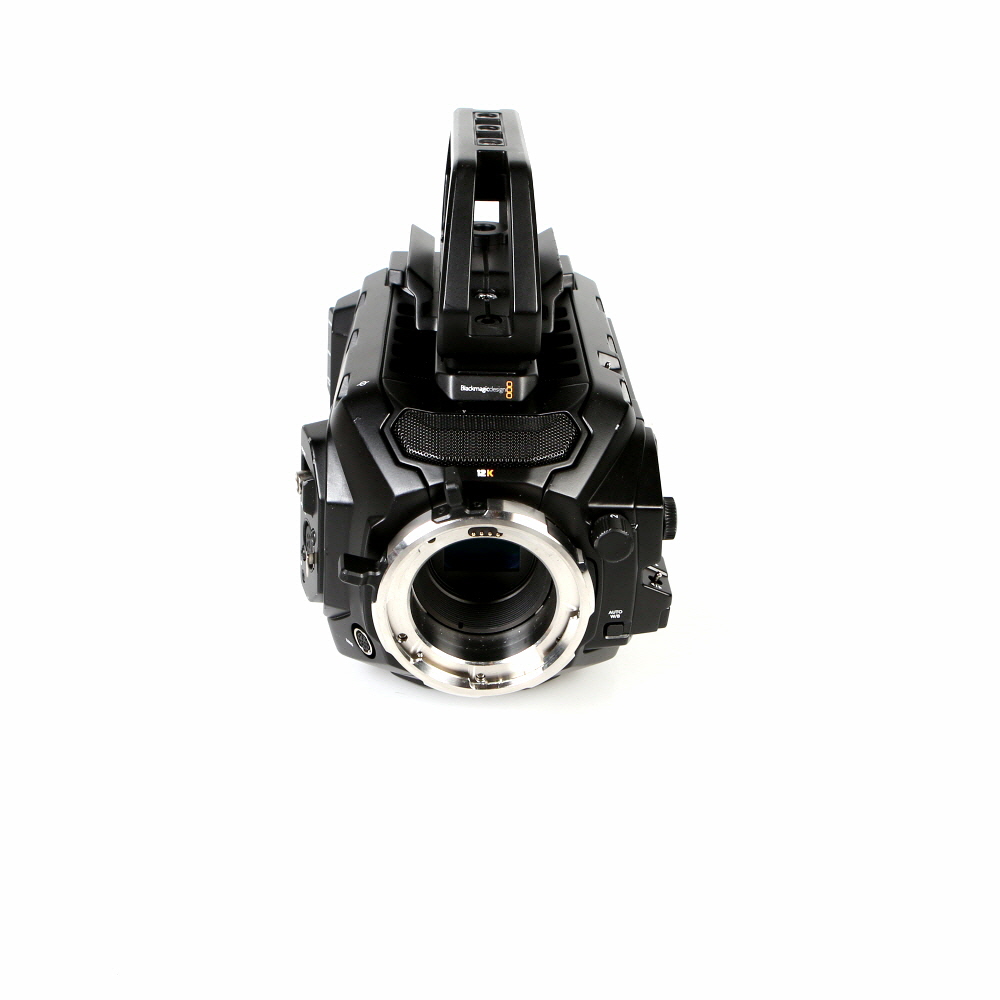
Additionally, some third-party lens manufacturers produce lenses that are compatible with multiple camera brands, offering more flexibility for photographers who may switch camera systems in the future. Sigma, Tamron, and Tokina are popular third-party lens manufacturers known for producing high-quality lenses with wide compatibility.
FAQ
What type of digital camera allows you to change lenses?
A digital camera with interchangeable lenses allows you to change lenses, giving you more flexibility in your photography.
Can I use different lenses on a digital camera?
Yes, you can use different lenses on a digital camera that has interchangeable lenses. This allows you to choose the right lens for the type of photography you want to do.
Why would someone choose a digital camera with interchangeable lenses?
Choosing a digital camera with interchangeable lenses gives you the ability to customize your equipment for different shooting situations, from wide-angle landscapes to close-up portraits, providing greater creative control and image quality.



I noticed that mirrorless cameras seem to be gaining a lot of popularity lately. Are they really that much better than DSLRs?
Both types have their pros and cons. Mirrorless cameras are generally lighter and more compact, while DSLRs have longer battery life and a larger selection of lenses. It ultimately comes down to what features matter most to you.
What are the main differences in image quality between DSLR and mirrorless cameras? I've been trying to decide which type to buy for my photography hobby.
Great question! Generally, both DSLRs and mirrorless cameras can produce high-quality images, but DSLRs often have larger sensors and optical viewfinders that can provide a more accurate representation of the scene. Mirrorless cameras, on the other hand, are rapidly advancing and often offer better autofocus and video capabilities. It ultimately depends on your specific needs.
I'm really interested in getting into photography. Can someone explain the main differences between DSLRs and mirrorless cameras, especially regarding lens options?
What’s the main difference between DSLR and mirrorless cameras in terms of image quality?
Can you clarify what you mean by 'upgradeability' in the context of interchangeable lenses? Does that mean I can use any lens on my DSLR?
Upgradeability refers to the ability to acquire new lenses that fit your camera's mount system. Not all lenses are universally compatible, so you'll want to ensure that any lens you buy is designed for your specific camera model.
Can anyone clarify if all lenses are compatible across different brands? I have a Nikon DSLR and am looking at Canon lenses but wasn't sure if they would work.
I recently switched from a DSLR to a mirrorless camera, and I love how lightweight and compact it is. The ability to change lenses still gives me the versatility I need. I'm especially enjoying using a macro lens for close-up shots, something I couldn't explore much with my old setup. Just be mindful of battery life, as mirrorless cameras tend to drain faster than DSLRs!
I’ve been looking at both DSLRs and mirrorless cameras. From what I understand, DSLRs typically have better battery life and a more extensive selection of lenses. But mirrorless cameras offer faster autofocus and are more compact. Is there a definitive winner here for someone just starting out?
Both systems have strengths. DSLRs are great for traditional photographers and those who prioritize battery life. Mirrorless cameras are fantastic for portability and advanced features, making them ideal for travel or dynamic shooting.
I recently switched from a DSLR to a mirrorless camera, and I’m really loving the change. The weight difference is huge, and I find myself taking it out more often. The electronic viewfinder is also a game changer for composing shots. I still have a couple of my old lenses, and they work well with an adapter. Just wanted to share my positive experience for anyone on the fence about switching!
I disagree that mirrorless cameras are always better. For some, the optical viewfinder of a DSLR is a huge advantage in bright sunlight. Not everyone finds the electronic viewfinder appealing!
What are the main differences in image quality between DSLRs and mirrorless cameras with interchangeable lenses? I’m really trying to decide which one to invest in.
From what I've read, DSLRs often have slightly better image quality due to larger sensors and better lens options, but mirrorless cameras are catching up fast.
I've been using a DSLR for a few years now, and I love the flexibility that comes with interchangeable lenses. I've invested in a couple of different lenses, including a macro and a telephoto. Each has its own advantages and allows me to explore various photography styles. That said, I recently tried a mirrorless camera and was surprised by how lightweight it was. I'm considering making the switch primarily for travel purposes.
I'm really interested in getting into photography, but I'm not sure whether to choose a DSLR or a mirrorless camera for interchangeable lenses. What are the key differences between them, and which one would you recommend for a beginner?
I recently switched from a DSLR to a mirrorless camera and found the weight difference amazing! Mirrorless cameras are lighter and sometimes easier to handle, especially for long shoots.
Great question! DSLRs tend to have more lens options and a longer battery life, while mirrorless cameras are typically more compact and have faster autofocus. For beginners, mirrorless might be easier to manage, but it also depends on your photography goals.
I switched from a DSLR to a mirrorless camera last year, and I love how lightweight my new camera is. It’s made a big difference during long shoots! However, I did have to invest in new lenses since my old ones weren't compatible. Worth it though!
Interchangeable lenses are a must for serious photography. They really allow for creative experimentation!
Absolutely! The flexibility of interchangeable lenses opens up so many creative possibilities for photographers, allowing them to capture unique shots tailored to specific needs.
I bought a DSLR a year ago and have loved the ability to switch out lenses. I started with a standard zoom lens and recently added a macro lens for close-up shots of nature. The difference in image quality has been incredible. I think having interchangeable lenses has really helped me grow as a photographer and experiment with different styles.
It's great to hear about your positive experience! Macro photography can take some practice to master, especially with focus and lighting, but it's rewarding once you get the hang of it.
That's awesome! I’ve been considering getting a macro lens myself. Did it take a lot of practice to get the hang of it?