
 Carmen J. Moore

Digital movie cameras have revolutionized the way films are made and have become an integral part of the filmmaking process in the modern era. The invention of digital movie cameras marked a significant shift from traditional film cameras, allowing filmmakers to capture high-quality images and videos in a more efficient and cost-effective manner.
The first digital movie camera was invented in the late 20th century, with the development of digital technology paving the way for its creation. While traditional film cameras had been the standard for capturing motion pictures for decades, the emergence of digital movie cameras brought about a new era in filmmaking.

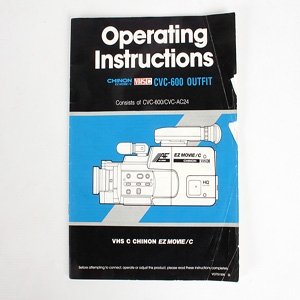

With digital movie cameras, filmmakers gained the ability to shoot, edit, and distribute their films digitally, streamlining the production process and opening up new creative possibilities. The invention of digital movie cameras has democratized filmmaking, making it more accessible to a wider range of artists and storytellers.
The History of Digital Movie Cameras
Movie-making has undergone a significant transformation with the introduction of digital movie cameras. These devices have revolutionized the film industry, offering filmmakers greater flexibility, efficiency, and cost-effectiveness. Let’s take a look at the evolution of digital movie cameras:
1. Early Development
The concept of digital movie cameras dates back to the late 20th century when engineers and innovators started exploring the possibilities of capturing and storing video in digital format. The first digital movie camera prototypes emerged in the 1980s, although they were bulky and had limited capabilities compared to traditional film cameras.
2. Commercialization and Advancements
The breakthrough in digital movie camera technology came in the early 2000s when companies like Sony, RED Digital Cinema, and ARRI introduced commercially viable digital cinema cameras. These cameras offered high-resolution image quality, flexible recording options, and advanced features that rivalled traditional film cameras.
| Year | Key Milestones |
|---|---|
| 2002 | Sony introduces the first digital cinema camera, the Sony CineAlta HDW-F900, used in major film productions. |
| 2007 | RED Digital Cinema releases the RED ONE, a revolutionary 4K digital cinema camera that sets new standards in image quality. |
| 2010 | ARRI introduces the ALEXA digital camera system, becoming a popular choice among filmmakers for its cinematic image quality. |
Since then, digital movie cameras have continued to evolve, with manufacturers constantly pushing the boundaries of technology to deliver cutting-edge solutions for filmmakers around the world.

Early Days of Film Production
The early days of film production were marked by the use of traditional film cameras that captured images on celluloid film. Filmmakers had to carefully plan each shot and scene, as film stock was expensive and limited in supply. The process of developing film and editing footage was time-consuming and required specialized equipment and expertise.
As technology advanced, digital movie cameras were invented in the late 20th century, revolutionizing the film industry. Digital cameras allowed filmmakers to capture high-quality images without the need for expensive film stock and time-consuming development processes. This shift to digital technology opened up new creative possibilities and streamlined the production process, making filmmaking more accessible to a wider range of artists and storytellers.
The Emergence of Digital Technology
With the rapid advancement of technology in the late 20th century, digital technology started to revolutionize various industries, including the film industry. The introduction of digital movie cameras marked a significant milestone in the evolution of filmmaking.
It was in the early 1990s that the first digital movie cameras were invented, allowing filmmakers to capture footage in a digital format rather than on traditional film stock. This breakthrough technology opened up new possibilities for filmmakers, offering them greater flexibility, cost-effectiveness, and efficiency in the production process.
The Advantages of Digital Movie Cameras
Digital movie cameras allowed filmmakers to instantly review their footage, make real-time adjustments, and experiment with different shots without the need for time-consuming film processing. This accelerated the filmmaking process and gave directors more creative control over their projects.
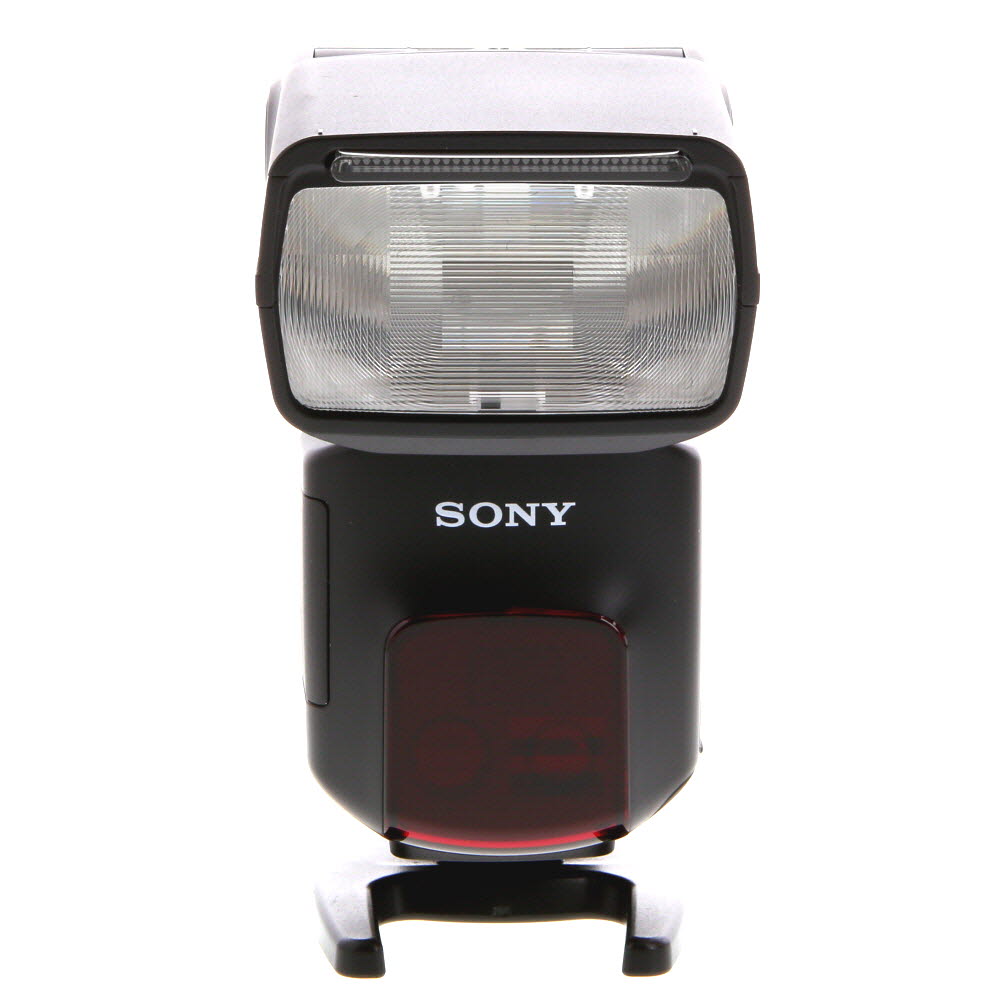
Furthermore, digital technology made it easier to manipulate and enhance the visual effects in post-production, leading to the creation of visually stunning and immersive cinematic experiences.
Revolutionizing the Movie Industry
The invention of digital movie cameras has completely revolutionized the movie industry. Prior to their invention, filmmakers had to rely on traditional film cameras, which were bulky, expensive, and required a lengthy and labor-intensive development process. Digital movie cameras, on the other hand, are compact, lightweight, and offer filmmakers the ability to shoot high-quality footage with ease.
Cost-Effective: Digital movie cameras have significantly reduced the cost of filmmaking, as there is no need to purchase and develop film stock. This has opened up opportunities for independent filmmakers and low-budget productions to create high-quality films without breaking the bank.
Enhanced Creativity: The flexibility and versatility of digital movie cameras allow filmmakers to experiment with different shots, angles, and styles. They can easily manipulate the footage in post-production, adding special effects, color grading, and other enhancements to bring their vision to life.
Overall, the invention of digital movie cameras has democratized the filmmaking process, making it more accessible to a wider range of storytellers and creatives. It has paved the way for innovative storytelling techniques and has pushed the boundaries of what is possible in the world of cinema.
Advancements in Camera Technology
Throughout history, camera technology has evolved significantly, leading to the development of advanced digital movie cameras. One of the major milestones in camera technology was the invention of the first digital camera in 1975 by Steven Sasson at Eastman Kodak. This invention marked the beginning of the digital era in photography and laid the foundation for the creation of digital movie cameras.
The Rise of Digital Movie Cameras
In the early 2000s, digital movie cameras started to gain popularity in the film industry due to their ability to capture high-quality footage and the convenience of digital storage. Filmmakers embraced this new technology as it offered flexibility in post-production and eliminated the need for expensive film processing.
Today, digital movie cameras continue to advance rapidly, with innovations in sensor technology, resolution, and image stabilization. The introduction of 4K and even 8K resolution cameras has revolutionized the way movies are captured, pushing the boundaries of visual storytelling.
Impact on Filmmaking Techniques
The invention of digital movie cameras revolutionized the film industry and had a profound impact on filmmaking techniques. Here are some key ways in which digital cameras have changed the way films are made:
- Cost-effective Production: Digital cameras eliminate the need for expensive film stock and processing, making filmmaking more affordable for independent filmmakers and smaller production companies.
- Flexibility in Shooting: Digital cameras allow filmmakers to shoot longer takes without the constraints of traditional film reels, enabling more fluid and dynamic cinematography.
- Instant Playback: With digital cameras, filmmakers can instantly review footage on set, allowing for immediate adjustments and enhancing the creative process.
Overall, the advent of digital movie cameras has democratized the filmmaking process, empowering filmmakers with more creative freedom and flexibility in bringing their visions to life.

Integration with Visual Effects
One of the key advantages of digital movie cameras is their seamless integration with visual effects software. Directors and filmmakers can capture footage using digital cameras and easily manipulate and enhance the images using software like Adobe After Effects or Autodesk Maya. This allows for more creative freedom and flexibility in creating stunning visual effects that were previously challenging or impossible with traditional film cameras.
With digital movie cameras, filmmakers can overlay computer-generated imagery, create realistic CGI characters, and seamlessly blend live-action footage with special effects. The ability to integrate digital cameras with visual effects software has revolutionized the filmmaking industry, allowing for more innovative and visually striking film productions.
Rise of High-Resolution Cameras
With the advancement of technology, digital movie cameras have seen significant improvements in resolution over the years. The demand for high-quality video content has driven the development of cameras with higher resolutions, allowing filmmakers to capture stunning visuals with remarkable clarity.
4K and Beyond
The introduction of 4K resolution cameras marked a major milestone in the industry, offering four times the resolution of Full HD. This leap in resolution provided filmmakers with greater detail and sharpness, enhancing the overall viewing experience for audiences.
From 8K to Virtual Reality
Recent advancements have pushed the boundaries even further, with cameras capable of capturing content in 8K resolution and beyond. These high-resolution cameras are not only used for traditional filmmaking but also for cutting-edge applications such as virtual reality, where every pixel counts to create immersive experiences.
Adoption by Filmmakers
Once digital movie cameras were invented, filmmakers quickly began to see the potential benefits. The ability to shoot without the constraints of traditional film stock allowed for more experimentation and creativity. Directors could now review footage instantly, leading to more efficient production processes. Additionally, digital cameras offered cost savings in the long run, as filmmakers no longer needed to purchase and develop film.
Emerging filmmakers in particular embraced digital technology as it provided a more affordable entry point into the world of filmmaking. With digital cameras becoming more advanced and accessible, filmmakers of all levels began to explore the possibilities of this new medium.
Overall, the adoption of digital movie cameras revolutionized the film industry, opening up new avenues for storytelling and allowing for greater flexibility and creativity in the filmmaking process.
Future of Digital Movie Cameras
The future of digital movie cameras looks promising as technology continues to advance rapidly. With the development of high-resolution sensors, improved image stabilization, and innovative features like augmented reality integration, digital movie cameras are becoming more versatile and powerful than ever before.
One exciting trend is the rise of compact and lightweight cameras that still deliver exceptional image quality, making them ideal for filmmakers who value portability and flexibility. Additionally, advancements in artificial intelligence are enhancing autofocus capabilities and enabling filmmakers to capture stunning footage with ease.
Furthermore, the integration of virtual reality and 360-degree video technology is opening up new creative possibilities for filmmakers, allowing them to immerse audiences in fully immersive cinematic experiences. As the demand for high-quality content continues to grow, digital movie cameras are likely to evolve to meet the needs of filmmakers, providing them with the tools they need to bring their visions to life.
Influence on Film Distribution
With the advent of digital movie cameras, film distribution has undergone a significant transformation. Digital cameras have enabled filmmakers to produce high-quality content at a lower cost, opening up opportunities for independent filmmakers and smaller production companies to enter the market.
Additionally, digital technology has made it easier to distribute films through online platforms and streaming services, bypassing the traditional distribution channels. This has democratized the film industry and allowed for a wider variety of films to reach audiences around the world.
Furthermore, digital movie cameras have facilitated the rise of crowdfunding and self-distribution models, giving filmmakers more control over their work and allowing them to connect directly with their audience.
FAQ
When were digital movie cameras first invented?
Digital movie cameras were first invented in the late 1980s. The first digital movie camera was the Sony HDVS-1, introduced in 1984, which marked the beginning of digital movie recording technology.

Who invented the first digital movie camera?
The first digital movie camera was invented by Sony. The Sony HDVS-1, introduced in 1984, was the pioneering digital movie camera that paved the way for future advancements in digital movie recording technology.


What year did the first digital movie cameras really start to become popular in the industry? I'm curious about the timeline of their adoption.
Could you clarify what features made the RED ONE revolutionary compared to earlier cameras? I’ve heard a lot about it but don't know the details.
The RED ONE was revolutionary due to its 4K resolution capture, modular design, and the ability to record in RAW format. These features allowed filmmakers to achieve a cinematic quality that was previously difficult with existing digital cameras.
As an independent filmmaker, I can really appreciate how digital cameras have changed the game. I remember shooting my first short film on a traditional camera and the costs were insane! With digital, I can experiment without worrying about wasting film. It definitely allows for more creativity and spontaneity on set.