
 Carmen J. Moore
The invention of the first digital camera marked a revolutionary milestone in the history of photography. The concept of a digital camera was first proposed by engineer Steven Sasson at Eastman Kodak in 1975. Sasson, with the help of his team, developed the first digital camera prototype in 1976, which weighed about 8 pounds and captured black and white images at a resolution of 0.01 megapixels.
It wasn’t until 1988 that the first commercially available digital camera was introduced by Kodak, known as the Kodak DCS (Digital Camera System). This camera was a modified Nikon F3 film camera with a digital back, which allowed photographers to capture digital images directly onto a hard drive.


The invention of the first digital camera paved the way for the digital photography revolution that we experience today, changing the way we capture, store, and share images. Sasson’s groundbreaking work laid the foundation for the development of the digital cameras we use today, from compact point-and-shoot cameras to professional DSLRs and mirrorless cameras.
The Invention of the Digital Camera
The first digital camera was invented by Steven Sasson, an engineer working for Eastman Kodak, in 1975. This revolutionary invention marked a significant shift in photography technology, paving the way for the digital age we live in today.
Steven Sasson: The Pioneer
Steven Sasson’s digital camera prototype weighed around 8 pounds and captured black and white images at a resolution of 0.01 megapixels. Despite its limitations, this early digital camera laid the foundation for the digital imaging technology we now take for granted.
History of Photography
Photography has a rich and fascinating history that dates back to the early 19th century. The invention of the first camera obscura in the 11th century laid the foundation for the development of photography as we know it today. However, it was not until the 1820s that the first permanent photograph was created by Joseph Nicephore Niepce, using a process known as heliography.
Over the years, photography continued to evolve with the introduction of various techniques and advancements in technology. In 1839, Louis Daguerre introduced the daguerreotype process, which revolutionized photography by producing detailed and sharp images. This marked the beginning of the modern era of photography.
Fast forward to the late 20th century, the invention of the first digital camera marked another significant milestone in the history of photography. Steven Sasson, an engineer at Eastman Kodak, invented the first digital camera in 1975, which used a CCD sensor to capture and store images digitally. This invention paved the way for the digital revolution in photography, transforming the way we capture, store, and share images.
Evolution of Cameras
Cameras have come a long way since the first camera obscura was used by ancient civilizations to project images onto surfaces. The evolution of cameras has been marked by significant technological advancements, leading to the development of various types of cameras with different features and capabilities.
The Invention of the First Camera
The first known photograph was taken by Joseph Nicéphore Niépce in 1826 using a camera obscura and a pewter plate coated with bitumen. This marked the beginning of photography as we know it today.
From Film to Digital
In the late 20th century, the invention of the digital camera revolutionized photography. The first digital camera was invented by Steven Sasson at Eastman Kodak in 1975. This marked the shift from traditional film photography to digital imaging, paving the way for the modern digital cameras we use today.
First Digital Camera Prototype
The first digital camera prototype was developed by Steven Sasson, an engineer at Eastman Kodak, in 1975. This prototype camera weighed 8 pounds and was the size of a toaster. It had a resolution of 0.01 megapixels and recorded black and white images onto a cassette tape. The prototype paved the way for the digital cameras we use today.
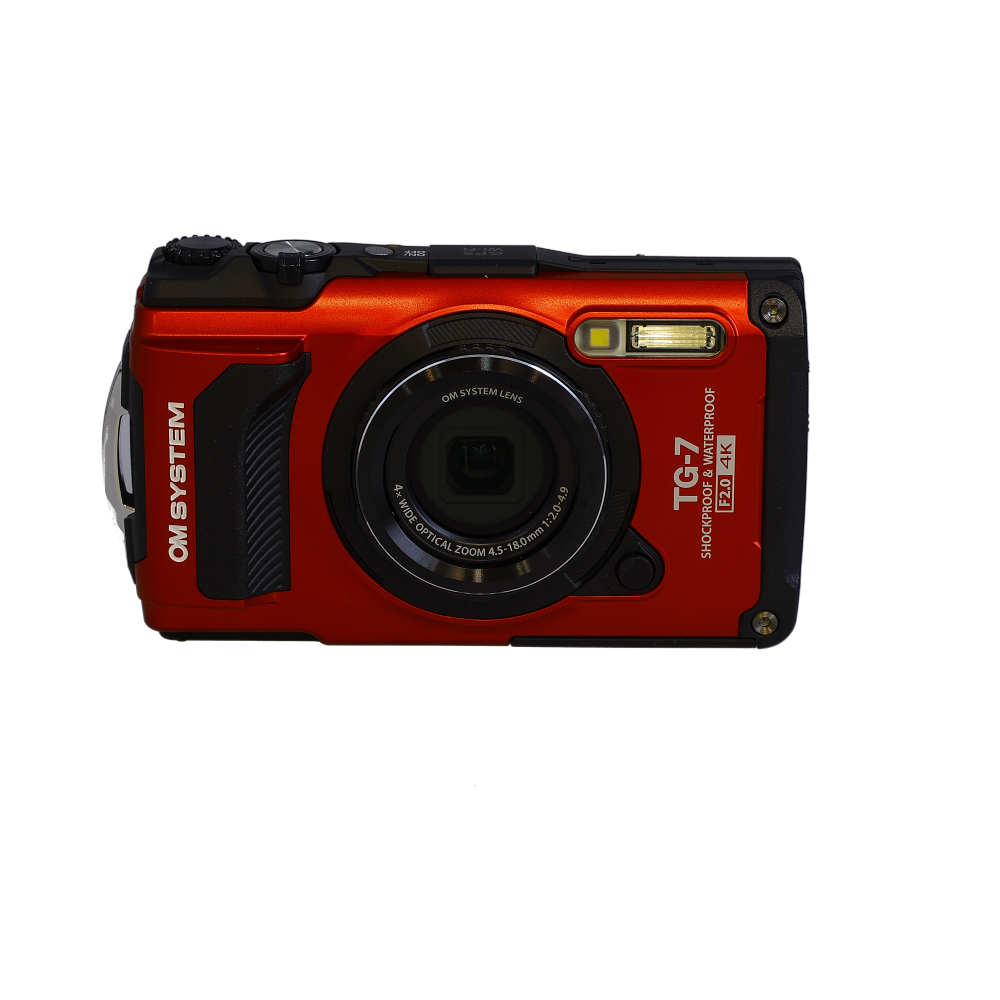
Creation by Steven Sasson
Steven Sasson, an engineer at Eastman Kodak, is credited with inventing the first digital camera in 1975. Sasson’s creation was a breakthrough in technology, as it was the first device to capture images digitally rather than on film.
Sasson’s digital camera used a CCD image sensor and stored the images on a cassette tape. The resolution of the images was a mere 0.01 megapixels, but it laid the foundation for the digital cameras we use today.
Impact on Photography Industry
The invention of the first digital camera revolutionized the photography industry in many ways. It changed the way photos were taken, stored, and shared. Digital cameras eliminated the need for film and made it easier for photographers to see their images instantly and make adjustments on the spot. This led to a faster and more efficient workflow for photographers.
Furthermore, the digital camera technology paved the way for the development of various digital imaging tools and software, such as photo editing programs and online photo sharing platforms. This digital transformation enabled photographers to enhance their photos, share them with a wider audience, and even monetize their work more easily.
Overall, the introduction of digital cameras had a profound impact on the photography industry, democratizing the art form and making it more accessible to a larger number of people. It opened up new possibilities for creativity and innovation, shaping the way we capture and interact with images in the modern digital age.

Modern Digital Cameras
Modern digital cameras have come a long way since the invention of the first digital camera in 1975. With advancements in technology, digital cameras have become more compact, powerful, and versatile. Today, digital cameras are equipped with high-resolution sensors, advanced autofocus systems, and various shooting modes to cater to different photography needs.
Key Features of Modern Digital Cameras
Some key features of modern digital cameras include:
| 1. High Megapixel Count | Modern digital cameras offer high megapixel counts, allowing for detailed and sharp images. |
| 2. Interchangeable Lenses | Many digital cameras come with interchangeable lenses, providing photographers with flexibility in capturing different types of shots. |
| 3. Advanced Image Processing | Digital cameras now come with advanced image processing capabilities, allowing users to enhance and edit photos directly on the camera. |
FAQ
Who invented the first digital camera?
The first digital camera was invented by Steven Sasson, an engineer at Eastman Kodak, in 1975.
When was the first digital camera invented?
The first digital camera was invented in 1975.
What company was the first digital camera invented by?
The first digital camera was invented by an engineer at Eastman Kodak.

How did the invention of the first digital camera revolutionize photography?
The invention of the first digital camera revolutionized photography by paving the way for the digital age and the eventual decline of film photography.


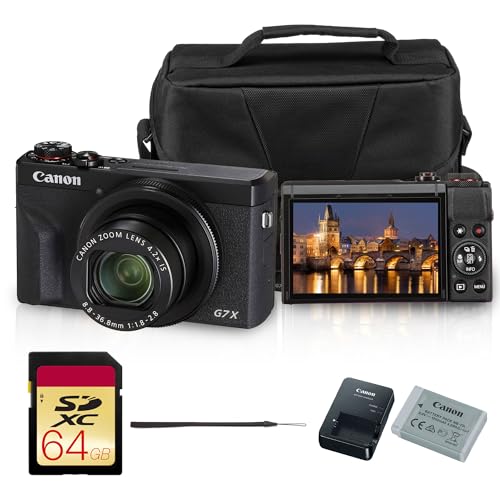
What kind of images did the first digital camera actually produce? Were they usable for anything?
I remember the first time I used a digital camera back in the late '90s. It was such a game changer compared to my old film camera. I could instantly see the photos I took, which was incredible at the time!
That's so true! It definitely made photography much more accessible. I still find it hard to believe how far we've come in just a few decades.
Although the first digital camera was a huge breakthrough, it was quite limited in functionality. The resolution was only 0.01 megapixels, which seems almost laughable now. Can anyone explain how that early tech laid the groundwork for today's cameras?
Great question! The early digital camera's CCD sensor technology was fundamental. While the resolution was low, it introduced the concept of capturing images digitally, paving the way for advancements in sensor technology and image processing we're seeing today.