
 Carmen J. Moore

Digital cameras have revolutionized the way we capture moments and memories. The shift from film to digital photography has been a game-changer in the world of photography, offering convenience, instant gratification, and endless possibilities for creativity. But when did this transformation actually happen? When did digital cameras overtake film as the dominant technology in the realm of photography?
The tipping point came in the early 2000s when digital cameras started to outperform film cameras in terms of image quality, ease of use, and affordability. As digital cameras became more accessible to consumers and professional photographers alike, the demand for film cameras began to decline rapidly. The convenience of digital photography, with its instant preview and the ability to store thousands of images on a single memory card, made it a clear winner over traditional film photography.
Today, digital cameras are ubiquitous, and film cameras are considered a niche market. While some photographers still prefer the aesthetic of film and the process of developing their own photos, the vast majority have embraced the convenience and flexibility of digital photography. The era of film may be a thing of the past, but its legacy lives on in the evolution of digital imaging technology.
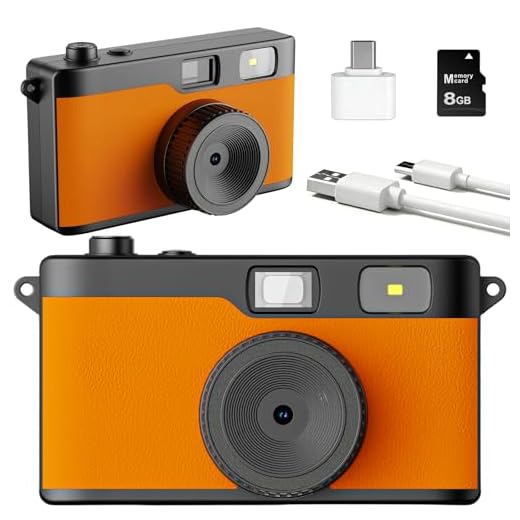
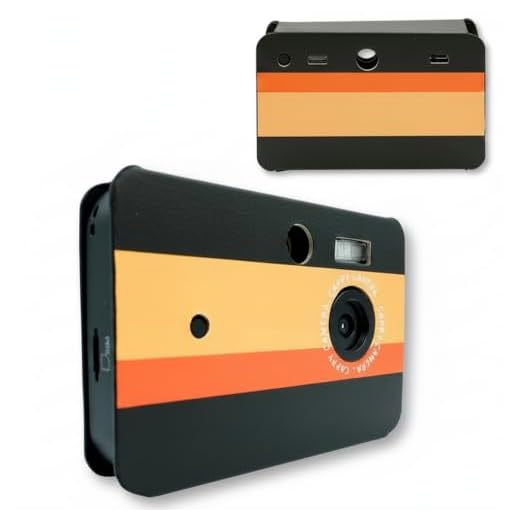
The Rise of Digital Cameras
In the late 1990s, digital cameras started to gain popularity among consumers as the technology improved and prices became more affordable. Initially, digital cameras were seen as a luxury item, but as the quality of digital images increased and the convenience of instant viewing and sharing became apparent, more and more people began to make the switch from film to digital.
One of the key advantages of digital cameras was the ability to store hundreds, even thousands, of photos on a single memory card, eliminating the need to carry around rolls of film. Additionally, the ability to delete unwanted photos and retake shots instantly without the cost of developing film made digital cameras more appealing to amateur photographers.
The Year Digital Cameras Overtake Film
It wasn’t until the early 2000s that digital cameras started to outsell film cameras. The convenience, cost-effectiveness, and quality of digital images played a significant role in this shift. By the mid-2000s, digital cameras had firmly established themselves as the primary choice for both amateur and professional photographers, marking the end of the film era.
Transition from Film to Digital
The transition from film to digital photography began in the late 1990s and early 2000s as digital cameras started to gain popularity and improve in quality. This shift was driven by advancements in technology, which made digital cameras more affordable, easier to use, and capable of producing high-quality images.
Advantages of Digital Cameras
- Instant preview of images
- Ability to store and delete photos easily
- Higher resolution and image quality
- Ability to adjust settings and retake photos without additional cost
Impact on Photography Industry
The transition to digital photography revolutionized the industry, leading to the decline of traditional film photography. Professional photographers, hobbyists, and consumers alike embraced digital cameras for their convenience, versatility, and cost-effectiveness. Today, digital photography has become the standard, with film cameras becoming increasingly rare.

Impact on Photography Industry
The rise of digital cameras has had a profound impact on the photography industry. With the advent of digital technology, photographers were able to take more photos without the constraints of film, leading to a significant increase in the number of images produced. This shift also allowed for instant preview and editing of photos, revolutionizing the way photographers work.
Changes in Photography Practices
Photographers no longer had to worry about running out of film or the cost of developing multiple rolls. Digital cameras also allowed for easier sharing of images online, leading to the rise of social media platforms dedicated to photography.
Market Shift
| Aspect | Impact |
|---|---|
| Equipment Sales | Shift from film cameras to digital cameras, leading to a decline in film camera sales. |
| Professional Photography | Increased competition due to the accessibility of digital photography, but also new opportunities for showcasing work online. |
Advantages of Digital Photography
Digital photography offers numerous advantages over traditional film photography. One of the key benefits is the ability to instantly view and edit photos on the camera or a computer, eliminating the need for costly film processing. Digital cameras also allow for easy sharing of photos through email, social media, and online galleries. Additionally, digital images can be easily backed up and stored without the risk of physical damage or loss. Digital photography provides photographers with greater flexibility and control over their images, thanks to features like adjustable ISO settings, white balance, and image stabilization. Overall, digital photography has revolutionized the way we capture, store, and share memories.
Evolution of Camera Technology
Camera technology has evolved significantly over the years, with each advancement bringing new capabilities and features to the world of photography. From the early days of film cameras to the digital revolution, cameras have come a long way in terms of image quality, convenience, and ease of use.
Early Film Cameras
The first commercially successful photographic process was introduced in the 1830s, using a chemical process to capture images on a light-sensitive surface. This led to the development of film cameras, which became popular in the late 19th and early 20th centuries. Film cameras required the use of physical film rolls to capture images, which needed to be developed and printed before viewing.

Digital Revolution
The digital revolution in photography began in the 1990s with the introduction of digital cameras. These cameras used electronic sensors to capture images, eliminating the need for film rolls and allowing for instant image preview and storage. Digital cameras quickly gained popularity due to their convenience, ease of use, and ability to capture high-quality images.
| Feature | Film Cameras | Digital Cameras |
|---|---|---|
| Image Quality | Dependent on film quality and processing | Higher resolution and better color accuracy |
| Convenience | Requires physical film rolls and development | Instant image preview and storage |
| Cost | Film rolls and development costs | Initial investment in camera, no film costs |
Current Status of Digital Cameras
As of today, digital cameras have completely revolutionized the photography industry. They have become the primary choice for both amateur and professional photographers due to their convenience, versatility, and high-quality output.
Modern digital cameras offer a wide range of features, including high-resolution sensors, advanced autofocus systems, in-camera image processing, and connectivity options such as Wi-Fi and Bluetooth. These features have made digital cameras more user-friendly and capable of producing stunning images in various lighting conditions.
Furthermore, the development of mirrorless cameras has further pushed the boundaries of digital photography. Mirrorless cameras offer compact and lightweight designs while maintaining high image quality and performance levels comparable to traditional DSLR cameras.
With the continuous advancement in technology, digital cameras are expected to keep evolving, offering even better image quality, faster performance, and more innovative features in the future.

FAQ
When did digital cameras start to become more popular than film cameras?
Digital cameras began to overtake film cameras in popularity in the early 2000s. By the mid-2000s, digital camera sales had surpassed film camera sales, marking a significant shift in the photography industry.
What were the main factors that contributed to the rise of digital cameras over film cameras?
Several factors contributed to the rise of digital cameras over film cameras, including the convenience of instant previewing, the ability to store and share photos digitally, and the improvement in image quality and resolution. Additionally, the declining cost of digital cameras and memory cards made them more accessible to a wider audience.



I’ve always been curious about the exact moment digital cameras overtook film. Was it a gradual shift or more of a sudden change in the early 2000s? What specific advancements made digital cameras so much better?
It was a mix of gradual and sudden changes. Improvements in image quality and price made a big difference. By about 2005, digital cameras really took off in sales compared to film.
I still remember my first digital camera back in 2003. It was such a change from using film! The ability to just delete photos I didn't like was a game-changer.
What do you think made digital cameras so much more appealing to the average consumer?
I still have a few film cameras and love using them! There's something unique about the process of shooting on film that I feel digital lacks. The anticipation of waiting for photos to be developed adds a special touch. I use digital for convenience, but film will always have a place in my heart.
It's great to hear about your love for film! Many photographers appreciate the aesthetic quality and the entire experience of shooting on film. Digital certainly offers convenience, but film has its unique charm.
It’s interesting how quickly technology changed the photography landscape. I wonder what the next big shift will be!
When exactly did digital cameras outsell film cameras? Was it a specific year?
I’ve used both digital and film cameras. While I appreciate the nostalgia of film, the convenience of digital is hard to beat. The instant feedback and ease of sharing are huge advantages.