
 Carmen J. Moore

In the world of photography, the advent of digital technology revolutionized the way images are captured, stored, and shared. But have you ever wondered where it all began?

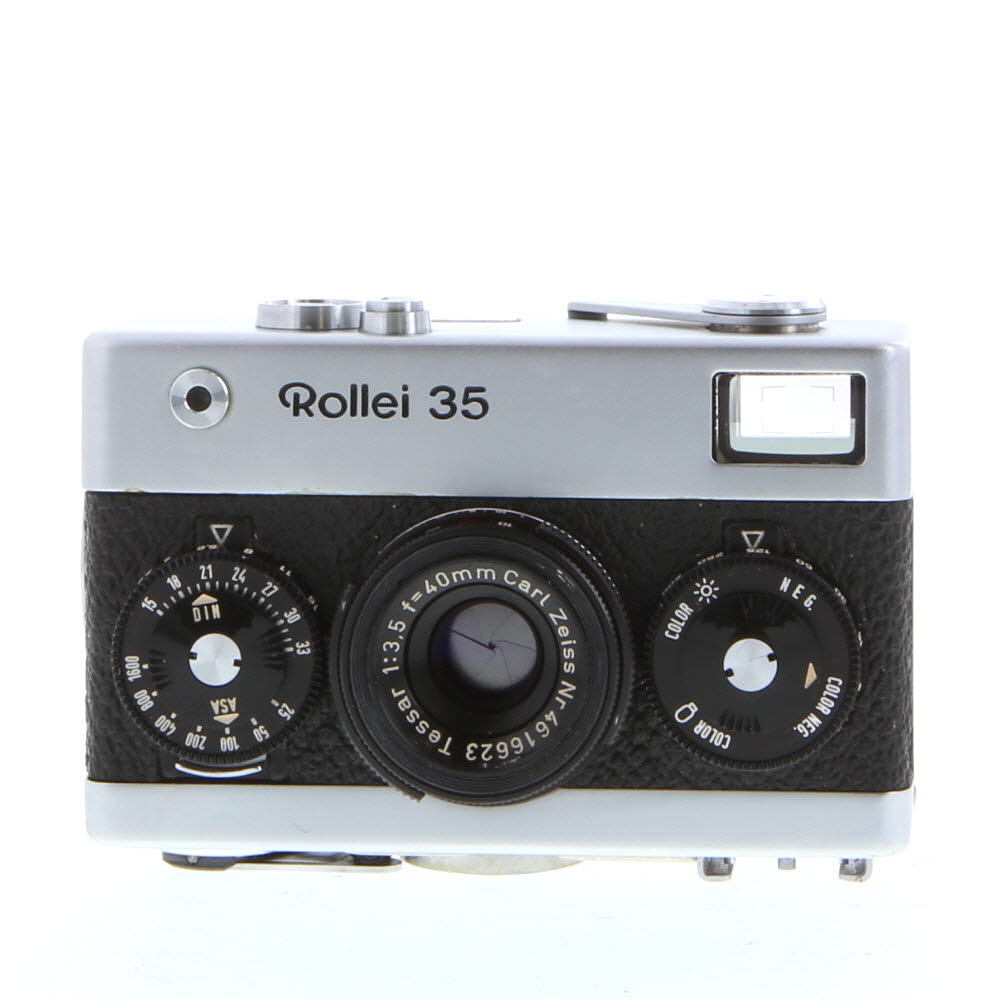
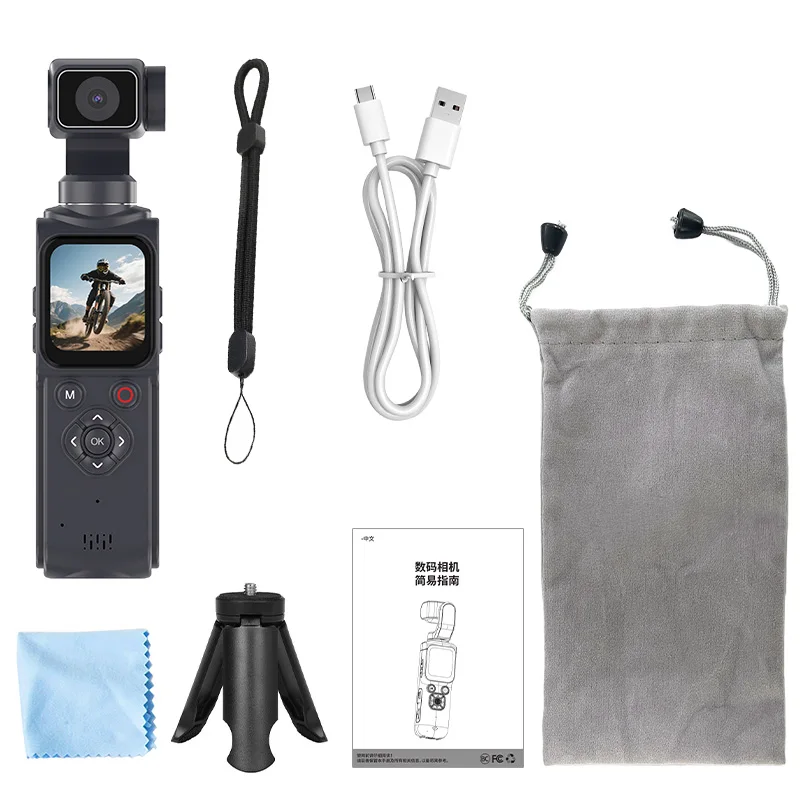

The first digital camera may not have been as sleek and compact as the ones we use today, but it marked a significant milestone in the history of photography.
Let’s take a journey back in time to explore the origins of the first digital camera and discover how it paved the way for the modern digital imaging technology we rely on today.
The Invention of Digital Camera
The first digital camera was invented in 1975 by Steven Sasson, an engineer at Eastman Kodak. The camera weighed about 8 pounds and was as big as a toaster.
It had a resolution of 0.01 megapixels and took 23 seconds to capture an image onto a cassette tape. Despite its limitations, this invention paved the way for the digital photography revolution.
Initially, digital cameras were used for scientific and military purposes due to their high cost and limited capabilities. However, as technology advanced, digital cameras became more accessible to the general public.
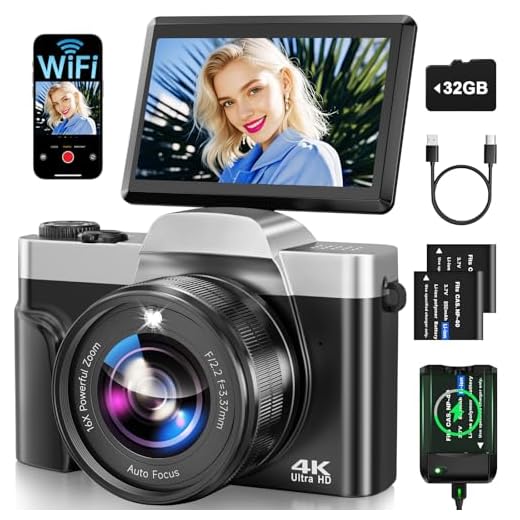
Today, digital cameras are ubiquitous and have transformed the way we capture and share images, making photography more accessible and convenient for everyone.
Revolutionary Technology
The first digital camera, developed in 1975 by Steven Sasson at Eastman Kodak, marked a significant milestone in the history of photography. This groundbreaking invention revolutionized the way images were captured, stored, and shared.
Unlike traditional film cameras, the digital camera used a sensor to convert light into electronic signals, allowing for instant image capture and preview. This technology paved the way for the digital imaging revolution that continues to shape our world today.
Impact on Photography
The invention of the first digital camera revolutionized the field of photography. It marked a significant shift from traditional film-based photography to digital technology, leading to faster, more efficient, and cost-effective processes. Photographers could now instantly view and edit their images, eliminating the need for time-consuming darkroom development. This innovation democratized photography, making it more accessible to a wider audience and allowing for greater creative freedom and experimentation. The digital camera also paved the way for the rise of social media platforms and digital sharing, transforming the way we capture, share, and document our lives.
Early Uses in Science
In the realm of science, the first digital camera found practical applications in fields such as astronomy, biology, and microscopy. Researchers utilized the digital camera’s ability to capture and store high-quality images for analysis and documentation. In astronomy, digital cameras were used to photograph celestial objects and track their movements over time. In biology, scientists employed digital cameras to capture images of specimens for research and publication. Microscopy benefitted from the digital camera’s ability to capture precise details of tiny structures, aiding in the study of cells and microorganisms.
Commercial Applications
The first digital camera had limited commercial applications due to its low resolution and high cost. However, it paved the way for future developments in the field of digital photography.
Professional Photography
Professional photographers were among the first to adopt digital cameras, using them for tasks such as product photography, event coverage, and studio shoots. While the early digital cameras were not suitable for high-quality print publications, they were convenient for digital distribution and quick previews.
Surveillance and Security
Another early commercial application of digital cameras was in surveillance and security systems. Digital cameras offered advantages such as easy storage, remote access to footage, and the ability to integrate with other digital systems for advanced security measures.
| Industry | Application |
|---|---|
| Medical | Used for capturing medical images for analysis and documentation. |
| Real Estate | Utilized for property listings and virtual tours. |
| Retail | Enabled online product photography and e-commerce. |
Evolution of Digital Photography
Digital photography has come a long way since the first digital camera was introduced. The evolution of digital photography has revolutionized the way we capture, store, and share images.
The First Digital Camera
The first digital camera was invented by Kodak engineer Steven Sasson in 1975. This camera weighed 8 pounds and had a resolution of 0.01 megapixels. It was a far cry from the sleek, high-resolution cameras we have today, but it laid the foundation for the digital photography revolution.

Advancements in Technology
Over the years, digital cameras have evolved rapidly, with improvements in sensor technology, image processing, and storage capabilities. Today’s digital cameras can capture high-resolution images with incredible clarity and detail.
Modern Digital Cameras
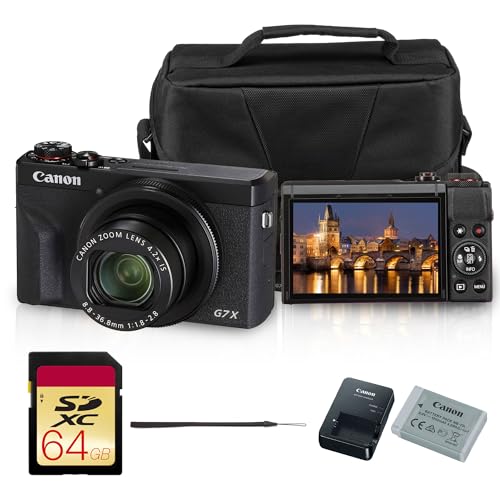
Digital cameras have come a long way since their inception. Today, modern digital cameras offer a wide range of features and capabilities that make them indispensable tools for photographers of all levels.
One of the key advantages of modern digital cameras is their ability to capture high-quality images with stunning clarity and detail. With advancements in sensor technology and image processing algorithms, digital cameras can produce images that rival those captured by traditional film cameras.
Furthermore, modern digital cameras offer a wealth of shooting modes and settings that allow photographers to customize their shooting experience. From manual controls for advanced users to fully automatic modes for beginners, digital cameras cater to a wide range of preferences.

In addition, modern digital cameras often come equipped with built-in Wi-Fi and Bluetooth connectivity, allowing users to easily share their images on social media or transfer them to other devices. Some cameras even feature advanced video recording capabilities, making them versatile tools for capturing both still images and videos.
Overall, modern digital cameras have revolutionized the world of photography, making it more accessible and enjoyable for photographers of all skill levels.
Future Innovations
In the ever-evolving world of digital photography, future innovations are constantly on the horizon. From advancements in sensor technology to software developments, the future of digital cameras holds exciting possibilities.
Enhanced Sensor Technology
One area of focus for future innovations is sensor technology. Manufacturers are working on developing sensors with higher resolution, improved low-light performance, and increased dynamic range. These advancements will allow for even more detailed and high-quality images to be captured.
Artificial Intelligence Integration
Another exciting development is the integration of artificial intelligence (AI) in digital cameras. AI can assist photographers in various ways, such as in autofocus tracking, scene recognition, and image processing. This integration will make capturing stunning photos easier and more intuitive than ever before.
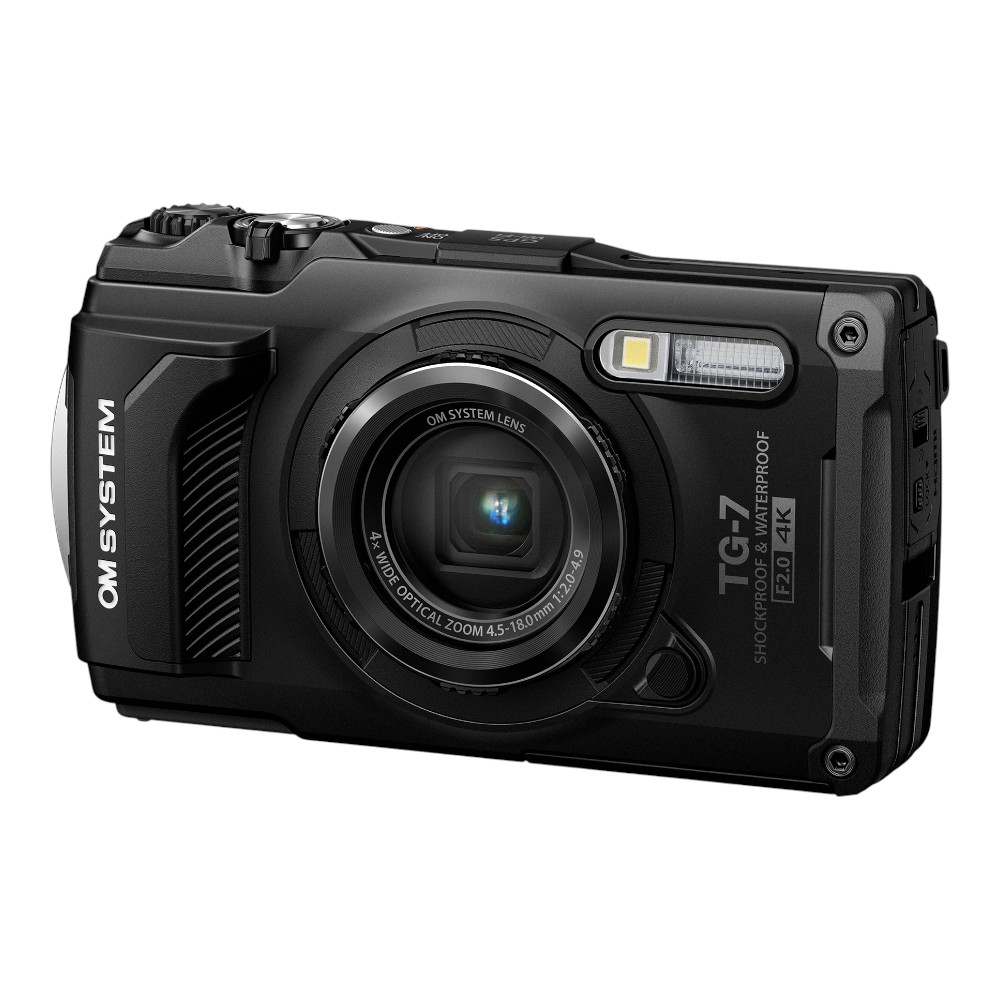
| Feature | Description |
|---|---|
| Light Field Technology | Light field cameras capture not just light intensity but also the direction of light rays. This allows for post-capture refocusing and depth estimation. |
| 360-Degree Cameras | Cameras that can capture a full 360-degree view are becoming more popular, offering immersive experiences for viewers. |
FAQ
What was the purpose of the first digital camera?
The first digital camera was created to take digital images that could be stored electronically, eliminating the need for traditional film processing.
How did the first digital camera revolutionize photography?
The first digital camera revolutionized photography by allowing images to be captured and stored digitally, making the process more convenient and efficient compared to traditional film cameras.



I don't think digital cameras have completely replaced film. There’s something unique about film photography that digital just can’t replicate.
I get that, but digital photography has made it so much easier for casual photographers. The convenience can't be overlooked.
What were the main challenges faced by early digital cameras compared to film cameras?
Could you clarify how the first digital camera's resolution compares to today's standards? It sounds like a huge jump.
Great question! The first digital camera had a resolution of just 0.01 megapixels, while modern cameras often exceed 20 megapixels, allowing for much clearer and more detailed images.
The first digital camera being as heavy as a toaster is hard to imagine! Technology has come such a long way since then.
I don't think the first digital camera really revolutionized photography. The quality was so low that it didn't meet professional standards at the time.
While it's true that the first digital camera had low resolution, it set the foundation for future advancements in digital photography that transformed the industry.
I remember using an early digital camera back in the late 90s. It was so clunky compared to today's models, but being able to instantly see the photos was amazing!
Did the first digital camera have any commercial use back when it was invented?
I remember when digital cameras first came out. It was such a game changer! The convenience of not having to develop film was huge, though the quality wasn't great back then.
What specific scientific fields benefited from the first digital camera?
Can you clarify how the early digital cameras were used specifically in astronomy? What kind of images were they capturing?
Early digital cameras were primarily used to capture images of celestial objects for tracking and analysis. They allowed astronomers to document changes in star positions and gather data on distant galaxies.
I remember when digital cameras first came out. It was incredible to see images instantly, but the quality was nowhere near what film could provide. I had a hard time adjusting to the lag in processing speed back then.
What were the main reasons for developing the first digital camera?
It's fascinating to see how far we've come! How do you think the early digital cameras compare to the first smartphones with cameras? They were both revolutionary in their time.
That's a good point! Smartphones combined portability with camera quality, which really changed how we take pictures.
What specific scientific applications did the first digital camera have? I'm curious how it was used in fields like astronomy or biology.
The integration of AI in modern digital cameras is fascinating! It makes photography so much easier, especially for beginners. I can't wait to see how that evolves in the future.
I started photography using film cameras back in the day. When digital cameras first came out, I was skeptical. They seemed so clunky and had such low resolution. I remember being amazed when I first used a digital camera at an event. The instant feedback was game-changing, but I missed the tactile feel of film.
Thanks for sharing your experience! The transition from film to digital was indeed significant for many photographers, offering both challenges and exciting new opportunities.
It’s interesting to see how far we've come since the first digital camera. How do you think modern cameras compare in terms of cost and features? I bet the price difference is huge now!
Yes, modern digital cameras vary widely in price depending on features, but they often offer better technology and options for different skill levels. The accessibility has improved significantly.
I don't think the early digital cameras were that revolutionary. Film cameras still had their charm and quality, which I feel digital cameras haven't completely matched even today.
I see your point, but the convenience of digital cameras has really changed photography for everyday users. It's more about personal preference.
I don't think digital cameras are better than film cameras. There's an artistry in using film that digital just can't replicate.
I see what you're saying, but digital cameras allow for so much more flexibility and creativity, especially for quick edits and sharing.
I remember when digital cameras first became popular in the 2000s. It was amazing to instantly view the pictures! But I still have a soft spot for film cameras; there's something special about developing photos in a darkroom.
What were some specific scientific applications of the first digital camera? I find it interesting how early technology was used in research fields.
It was used in astronomy to capture images of celestial objects and track their movements, which sounds pretty cool!
I've always been fascinated by the history of photography. It’s impressive to think the first digital camera weighed 8 pounds! I remember using early digital cameras in the early 2000s, and they were still quite bulky compared to today’s models. The evolution to compact, high-resolution cameras has changed photography dramatically, especially with mobile phones now taking such great photos.
Absolutely! It’s incredible how far we’ve come. I can barely imagine waiting for 23 seconds for a photo to be taken. Now it’s instant!
How does the image quality of early digital cameras compare to modern ones? It seems like there's been a big leap.
What specific scientific applications were first developed using the digital camera? It would be interesting to know how it changed research methods.
Good question! I read that in astronomy, they used it to track celestial bodies, which must have been groundbreaking at the time.