
 Carmen J. Moore

When it comes to buying a digital camera, one of the key specifications to consider is the megapixel size. Megapixels determine the resolution of the images your camera can capture, with higher megapixel counts generally producing sharper and more detailed photos. However, the question remains: what megapixel size is good for a digital camera?
While it may be tempting to opt for the camera with the highest megapixel count available, more isn’t always better. The ideal megapixel size for your digital camera depends on your specific needs and how you plan to use the camera. Factors such as intended use, printing size, and storage capacity should all be taken into consideration when deciding on the right megapixel size.
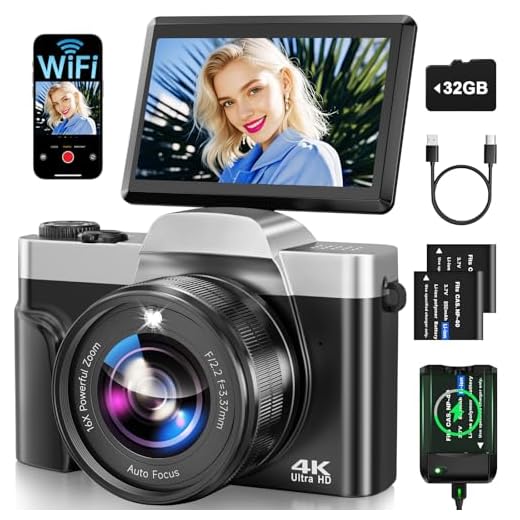
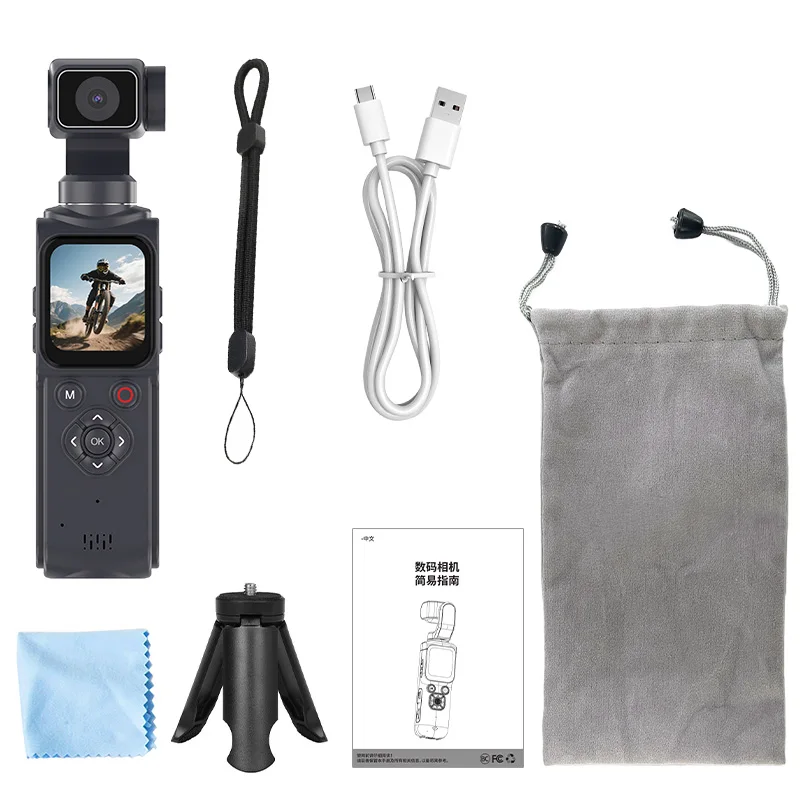

In this article, we will explore the importance of megapixels in digital cameras, debunk common misconceptions, and provide guidance on choosing the best megapixel size for your photography needs. By understanding the role of megapixels and how they impact image quality, you can make an informed decision when selecting a digital camera that meets your requirements.
What Megapixel Size is Optimal for Digital Camera
When choosing a digital camera, one of the key factors to consider is the megapixel size of the camera sensor. Megapixels determine the resolution and image quality of the photos you can capture with your camera. So, what megapixel size is optimal for a digital camera?
Understanding Megapixels
Megapixels refer to the number of individual pixels that make up an image captured by a camera sensor. A higher megapixel count generally results in sharper and more detailed images, especially when you need to crop or print large photos.
Optimal Megapixel Size
The optimal megapixel size for a digital camera largely depends on your intended use. For casual photographers who mainly share photos on social media or view them on screens, a camera with 12-16 megapixels should suffice. However, if you plan to print large photos or crop extensively, a camera with 20+ megapixels may be more suitable.
Remember: A higher megapixel count does not always guarantee better image quality. Factors like sensor size, lens quality, and image processing also play a significant role in determining the overall image quality.

Choosing the Right Megapixel Count
When choosing a digital camera, one of the key factors to consider is the megapixel count. The megapixel count refers to the number of pixels the camera’s sensor can capture in an image. Higher megapixel counts generally result in sharper and more detailed photos. However, it is important to consider your specific needs and how you plan to use the camera.
| Megapixels | Recommended Use |
|---|---|
| 8-12 MP | Ideal for everyday photography, social media sharing, and small prints. |
| 12-20 MP | Great for enlargements, cropping, and high-quality prints up to poster size. |
| 20+ MP | Suitable for professional photographers, large prints, and detailed editing. |
Keep in mind that higher megapixel counts may also result in larger file sizes, which can require more storage space and processing power. Consider your budget, storage needs, and intended use when determining the right megapixel count for your digital camera.
Factors to Consider for Megapixel Size
When choosing a digital camera, the megapixel size is an important factor to consider. Here are some key factors to keep in mind:
- Resolution Needs: Consider the intended use of the photos. Higher resolution is needed for printing large photos or cropping images.
- Storage Space: Higher megapixel images require more storage space. Consider if you have enough storage capacity for large files.
- Image Quality: Higher megapixels can result in better image quality, especially in terms of sharpness and detail.
- Cost: Cameras with higher megapixel counts tend to be more expensive. Consider your budget and the trade-off between price and megapixel size.
- Camera Features: Higher megapixel cameras may offer additional features, but these may not always be necessary depending on your needs.
- Low-Light Performance: Higher megapixels can sometimes lead to noise in low-light conditions. Consider the camera’s low-light performance in relation to its megapixel count.
Benefits of Higher Megapixel Cameras
Higher megapixel cameras offer several advantages for photographers. One of the main benefits is the ability to capture more detail in your images. With higher megapixels, you can zoom in on a photo without losing image quality, allowing you to crop and edit photos without sacrificing clarity.
Additionally, higher megapixel cameras provide better resolution, which is essential for large prints. The more megapixels a camera has, the larger you can print your photos while maintaining sharpness and clarity.
Moreover, higher megapixel cameras offer improved image quality in low light conditions. The increased number of pixels allows the camera to capture more light, resulting in better low-light performance and reduced noise in your images.
Lastly, higher megapixel cameras provide more flexibility when it comes to post-processing. You can downsize your images without losing quality, giving you more options for sharing and printing your photos.
Drawbacks of Extremely High Megapixel Count
1. File Size: One of the main drawbacks of extremely high megapixel count is the large file size of the images produced. Higher resolution images take up more storage space on memory cards and hard drives, which can be a concern for photographers who shoot in bulk or need to transfer files frequently.
2. Processing Power: Cameras with high megapixel counts require more processing power to handle the large image files. This can result in slower performance, especially when shooting in burst mode or processing multiple images at once.
3. Low-Light Performance: In some cases, cameras with extremely high megapixel counts may struggle with low-light performance. The smaller pixels on the sensor can lead to increased noise and reduced dynamic range, impacting image quality in challenging lighting conditions.
4. Lens Quality: High megapixel counts can also highlight any imperfections in the lens quality, such as chromatic aberration or distortion. To fully utilize the resolution of a high megapixel camera, photographers may need to invest in high-quality lenses to ensure sharpness and clarity in their images.
Recommended Megapixel Size for Different Uses
When choosing a digital camera, it’s important to consider the intended use of the photos you’ll be taking. Here are some recommended megapixel sizes for different purposes:
1. Social Media and Web Sharing: For sharing photos on social media platforms or websites, a camera with 8-12 megapixels is sufficient. This resolution allows for clear and detailed images when viewed on screens.
2. Casual Photography: If you’re taking photos for personal use or casual photography, a camera with 12-16 megapixels will provide high-quality images that can be printed in various sizes without losing clarity.
3. Professional Photography: For professional photographers or those who require high-resolution images for printing large prints or professional projects, a camera with 20+ megapixels is recommended. This allows for detailed and sharp images that can be enlarged without losing quality.

Keep in mind that megapixels are not the only factor to consider when choosing a camera, as sensor size, lens quality, and other features also play a significant role in image quality.
FAQ
What is the ideal megapixel size for a digital camera?
The ideal megapixel size for a digital camera depends on your personal needs and usage. For general photography, 12-24 megapixels is considered sufficient for most users. However, if you plan to print large posters or crop your images heavily, you may want to consider a camera with higher megapixel count.
Does a higher megapixel count always mean better photo quality?
Not necessarily. While higher megapixels can result in more detailed images, other factors such as sensor size, lens quality, and image processing also play a significant role in photo quality. A camera with a moderate megapixel count but excellent overall features may produce better images than a higher megapixel camera with inferior components.


What is the best megapixel count for social media photos? I usually share my pictures on Instagram and Facebook.
How do cameras with 12 megapixels compare to those with 20 megapixels for casual photography? Are the differences really noticeable?
I don't think higher megapixels are as crucial as everyone claims. I have a 16-megapixel camera and it works perfectly for my needs. Sometimes I feel the marketing around megapixels is overhyped. Anyone else feel this way?
I agree! I think the lens quality and sensor size often matter more than just megapixels. My older camera with fewer megapixels still takes great photos!
I recently upgraded to a camera with 24 megapixels, and I can definitely see the difference in sharpness, especially when I crop images. However, I've noticed that my file sizes are huge! It's a bit of a hassle when it comes to storage and uploading. Has anyone else faced this issue?
Yes, I had the same issue when I moved to a higher megapixel camera. I had to invest in more storage solutions. But the quality of the prints has been worth it!