
 Carmen J. Moore

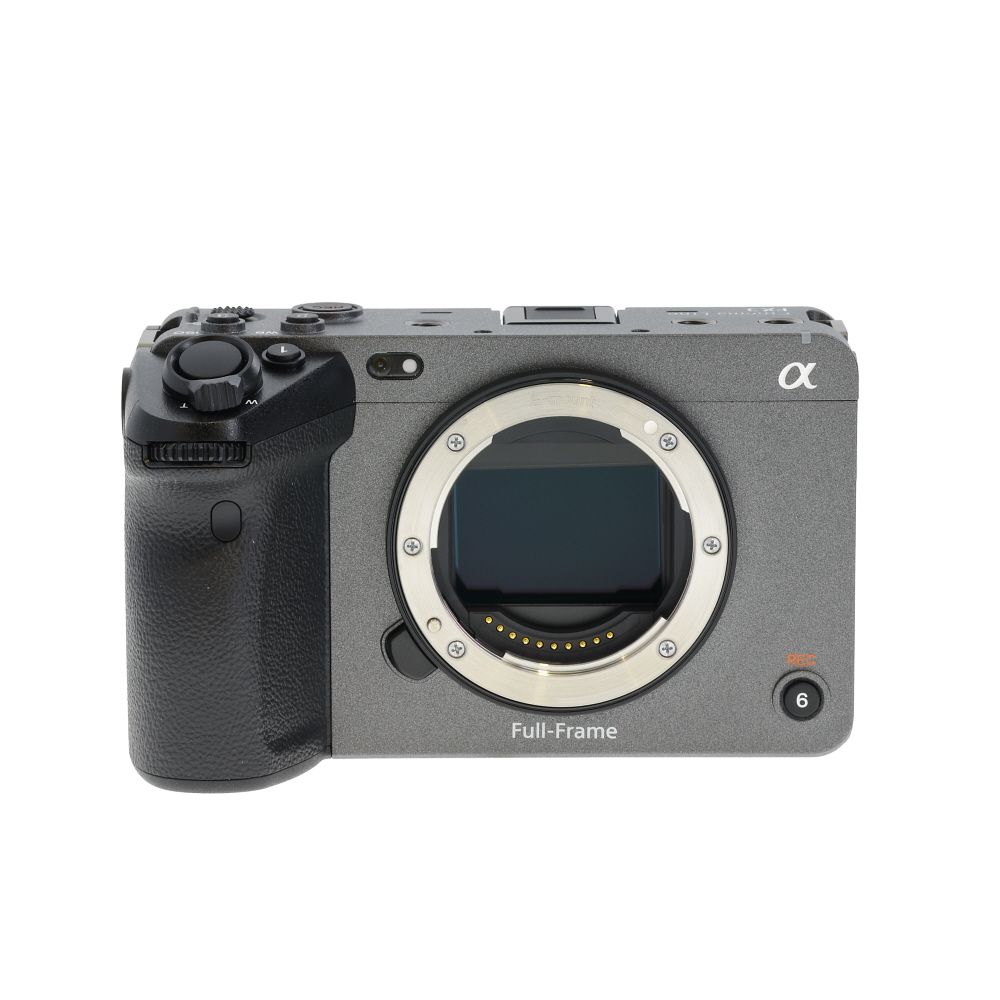
Full frame is a term that is commonly used in the world of digital photography, especially when discussing cameras and lenses. But what exactly does it mean? In the realm of digital cameras, full frame refers to a sensor size that is equivalent to traditional 35mm film.
Full frame sensors are larger than the sensors found in most consumer-level digital cameras, which are typically APS-C or Micro Four Thirds. The advantage of a full frame sensor is that it can capture more light, resulting in better image quality, especially in low-light situations. This larger sensor also allows for shallower depth of field, which can create a more professional-looking bokeh effect in photos.
Professional photographers and enthusiasts often opt for full frame cameras for their superior image quality and versatility. However, full frame cameras are typically more expensive and heavier than their crop sensor counterparts. Understanding the meaning of full frame can help you make an informed decision when choosing a digital camera that suits your needs and budget.


The Importance of Full Frame Cameras
Full frame cameras are highly regarded in the world of photography for several reasons. One of the main advantages of a full frame camera is its larger sensor size, which allows for better image quality, especially in low light conditions. The bigger sensor also provides a shallower depth of field, making it easier to achieve that beautiful background blur effect.
Another key benefit of full frame cameras is their wider field of view compared to cameras with smaller sensors. This allows photographers to capture more of the scene in their frame without having to step back or use a wide-angle lens.
Professional Photography
Full frame cameras are often the camera of choice for professional photographers due to their superior image quality and versatility. They offer greater dynamic range and better color reproduction, making them ideal for capturing detailed and vibrant images.
Technical Advantages
Full frame cameras also tend to have faster autofocus systems and better performance in challenging lighting conditions. Their larger sensor size allows for higher resolution images and better noise control, resulting in sharper and cleaner photos.
| Aspect | Importance |
| Image Quality | High |
| Low Light Performance | Excellent |
| Field of View | Wider |
| Professional Use | Common |
Understanding Full Frame Technology
Full frame technology refers to the image sensor size used in digital cameras. A full frame sensor is equivalent in size to traditional 35mm film, measuring approximately 36mm x 24mm. This larger sensor size allows for better image quality, improved low-light performance, and greater control over depth of field.

Full frame cameras are popular among professional photographers and enthusiasts for their ability to capture high-resolution images with excellent detail and dynamic range. They also offer a wider field of view compared to cameras with smaller sensor sizes.
Understanding full frame technology can help photographers make informed decisions when choosing a camera that best suits their needs and preferences.
Advantages of Full Frame Sensors
Full frame sensors offer several advantages over smaller sensor sizes:
| Higher Image Quality: | Full frame sensors capture more light, resulting in better image quality with less noise, especially in low-light conditions. |
| Shallower Depth of Field: | Full frame sensors allow for shallower depth of field, creating beautiful bokeh and emphasizing the subject against a blurred background. |
| Wide Field of View: | Full frame sensors provide a wider field of view, allowing you to capture more of the scene without having to step back. |
| Better Dynamic Range: | Full frame sensors typically have better dynamic range, preserving details in both shadows and highlights for more balanced exposures. |
| Professional Applications: | Full frame sensors are commonly used in professional photography and videography for their superior image quality and control over depth of field. |
Comparison with Crop Sensor Cameras
When comparing full frame cameras with crop sensor cameras, there are several key differences to consider.
Image Quality
Full frame cameras: Full frame cameras generally produce higher image quality due to their larger sensor size, which allows for better low-light performance, dynamic range, and overall image detail.
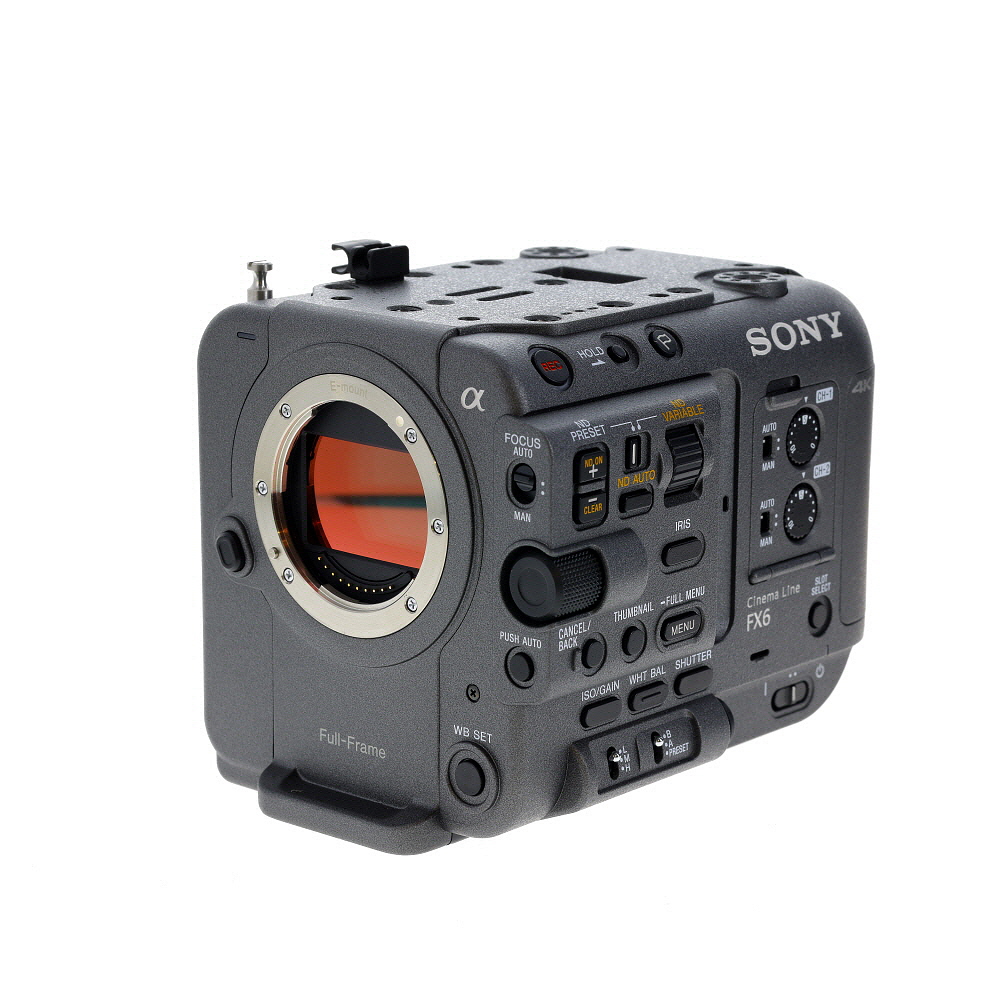
Crop sensor cameras: Crop sensor cameras have smaller sensors, resulting in slightly lower image quality compared to full frame cameras. However, advancements in technology have narrowed this gap in recent years.
Field of View
Full frame cameras: Full frame cameras provide a wider field of view compared to crop sensor cameras. This is especially beneficial for landscape, architecture, and portrait photography.
Crop sensor cameras: Crop sensor cameras have a narrower field of view, effectively cropping the image compared to a full frame camera. This can be advantageous for wildlife and sports photography, as it provides additional reach.
Low Light Performance
One of the key advantages of full frame digital cameras is their superior performance in low light conditions. The larger sensor size allows more light to be captured, resulting in better image quality and less noise in low light situations.
Full frame cameras typically have larger pixels compared to crop sensor cameras, which further enhances their low light performance. These larger pixels are able to gather more light, leading to cleaner images with less noise, especially at higher ISO settings.
Benefits of Full Frame for Low Light Photography:
- Improved image quality in low light conditions
- Reduced noise at higher ISO settings
- Better performance in challenging lighting situations
Depth of Field Control
Depth of field refers to the range of distance that appears acceptably sharp in an image. With a full frame digital camera, you have more control over the depth of field compared to crop sensor cameras. This is because full frame sensors have larger surface areas, allowing for shallower depth of field when using the same aperture settings.
By adjusting your aperture settings, you can manipulate the depth of field in your photos. A wider aperture (smaller f-number) will result in a shallower depth of field, blurring the background and emphasizing your subject. On the other hand, a narrower aperture (larger f-number) will increase the depth of field, making more of the scene appear sharp.
Understanding how to control depth of field is essential for achieving creative effects in your photography. With a full frame digital camera, you have the advantage of greater flexibility in capturing images with varying depths of field.
Image Quality and Resolution
One of the key advantages of full-frame digital cameras is the superior image quality they offer. With a larger sensor size, full-frame cameras can capture more light, resulting in better image quality, especially in low-light conditions. This leads to sharper images with less noise and better color reproduction.
Additionally, full-frame cameras typically have higher resolution sensors compared to crop sensor cameras. This means that full-frame cameras can produce images with more detail and clarity, allowing for larger prints or more flexibility when cropping images in post-processing.

Professional Use and Benefits
Full frame digital cameras are widely used by professional photographers for various reasons. One of the main advantages of full frame cameras is their ability to capture more light due to the larger sensor size, resulting in better image quality, especially in low-light conditions.
Professional photographers also appreciate the shallower depth of field that full frame cameras offer, allowing them to create stunning bokeh effects and isolate subjects effectively. Additionally, the larger sensor size provides better dynamic range and higher resolution, making full frame cameras ideal for capturing intricate details and vibrant colors.
Cost Considerations and Budgeting
When considering purchasing a full-frame digital camera, cost is an important factor to take into account. Full-frame cameras are typically more expensive than their crop-sensor counterparts due to the larger image sensor and advanced features they offer. It’s important to budget accordingly and be prepared for the higher upfront cost.
Before making a purchase, it’s essential to research the different full-frame camera options available on the market and compare prices. Consider your photography needs and how much you are willing to invest in a camera. Keep in mind that in addition to the camera body, you may also need to budget for lenses, accessories, and other gear.
| Cost Considerations | Budgeting Tips |
|---|---|
| Compare prices from different retailers | Set a budget and stick to it |
| Look for deals, discounts, or bundles | Consider buying used or refurbished |
| Factor in the cost of lenses and accessories | Save up for your desired camera model |
Choosing the Right Full Frame Camera
When it comes to choosing a full frame camera, there are several factors to consider to ensure you get the best fit for your needs. Here are some key points to keep in mind:
- Resolution: Look for a camera with a high resolution sensor to capture detailed images.
- Low-light performance: Consider the camera’s ISO range and low-light capabilities for shooting in various lighting conditions.
- Size and weight: Full frame cameras can be bulky, so make sure to choose one that is comfortable for you to handle.
- Lens compatibility: Check the availability and compatibility of lenses for the camera system you are considering.
- Price: Set a budget and find a full frame camera that offers the features you need within your price range.
By considering these factors, you can choose the right full frame camera that meets your requirements and helps you capture stunning images with ease.
FAQ
What does “full frame” mean in the context of digital cameras?
In digital photography, “full frame” refers to a camera sensor that is the same size as a frame of 35mm film, which is considered a standard in photography. Full frame sensors offer higher image quality and better low-light performance compared to smaller sensors.
How does a full frame camera differ from a crop sensor camera?
A full frame camera has a sensor that is the same size as a frame of 35mm film, while a crop sensor camera has a smaller sensor, resulting in a narrower field of view and a “crop factor” when compared to full frame cameras. Full frame cameras generally offer better image quality and low-light performance.
What are the advantages of using a full frame digital camera?
Full frame digital cameras offer several advantages, including better image quality, improved low-light performance, shallower depth of field, and wider field of view compared to crop sensor cameras. They are often preferred by professional photographers for their superior performance.
Are full frame digital cameras more expensive than crop sensor cameras?
Yes, full frame digital cameras are typically more expensive than crop sensor cameras due to the larger sensor size and advanced technology required. However, the price difference is justified by the superior image quality and performance offered by full frame cameras.
How does sensor size affect the quality of images produced by a digital camera?
The sensor size of a digital camera plays a significant role in determining image quality. Full frame sensors capture more light and detail, leading to higher resolution images with better dynamic range and low-light performance. Smaller sensors may result in lower image quality, especially in challenging lighting conditions.



What are the main differences in image quality between full frame and crop sensor cameras? Is it really noticeable in everyday photography?
From my experience, yes, the difference is quite noticeable, especially in low-light situations. Full frame captures more light and renders colors more accurately.
Does full frame mean that the lenses are also more expensive? Are there any budget-friendly options?
Generally, full frame lenses can be more expensive due to their larger size and design. However, there are budget options available, especially from third-party manufacturers.
I’ve been considering moving to a full frame camera, but I’m worried about the cost. How does the image quality really stack up against crop sensors in everyday use?
In general, full frame cameras offer superior image quality, especially in low light and dynamic range. However, crop sensors have improved significantly and can be a cost-effective choice for casual photography.
I’ve been hearing a lot about full frame cameras lately. Can someone explain why they are better for low-light photography compared to crop sensors?
Good question! Full frame sensors can gather more light due to their size, which helps reduce noise and improve image quality in dim conditions.
I'm still a bit confused about the depth of field differences between full frame and crop sensor cameras. Can someone explain how that affects portrait photography?
I'm considering switching to a full frame camera for better low light performance. How much of a difference in image quality can I expect compared to my APS-C camera?
Great question! You'll likely notice a significant improvement in low light situations. Full frame sensors capture more light, resulting in less noise and better detail retention in darker environments.
I've been using a full frame camera for a couple of years now, and I can definitely say the low-light performance is amazing. I took some indoor shots at a wedding and the results were crystal clear, even with minimal lighting. The bokeh effect also really stands out, making portraits look professional. It might be heavier and pricier, but for me, it's worth it!
Interesting how full frame sensors can capture more light. This must be a game changer for night photography!
I've been using a full frame camera for a year now, and the difference in low light performance is incredible! I can shoot at higher ISO settings without worrying about noise.
How do full frame cameras compare to crop sensors in terms of price? Are the features worth the extra cost?
Full frame cameras tend to be more expensive due to their advanced features and superior image quality. Many professionals feel that the investment is worth it, especially for low light and depth of field control.
I’ve heard full-frame cameras are great for low-light photography. Can someone explain how they perform better in those conditions compared to crop sensors?
I disagree with the idea that full frame cameras are always better. For casual photography, crop sensors can still deliver great quality and are more budget-friendly!
I don't think full frame is necessary for everyone. Crop sensors have come a long way, and they can still produce excellent photos. It's all about what you need for your style of photography.
That's a valid point! Crop sensor cameras can be very capable, especially for certain styles like wildlife or sports photography, where the extra reach is beneficial.
Can someone explain how a full frame camera performs in low light compared to a crop sensor camera? I'm trying to decide which type to buy.
Can anyone explain the practical differences in field of view between full frame and crop sensor cameras? I often shoot landscapes and want to know if the wider view really makes that much of a difference.
I recently switched to a full frame camera after using a crop sensor for years. The low light performance is incredible! I can shoot at higher ISOs without as much noise. It’s definitely an upgrade for anyone serious about photography.
I switched from a crop sensor to a full frame camera a year ago, and the difference is night and day! The depth of field is so much better, and I love how I can achieve that creamy bokeh in my portraits. It’s definitely heavier and pricier, but for someone serious about photography, it’s worth it.
I disagree that full frame cameras are always better. For travel, a lighter crop sensor camera is much more convenient without losing too much image quality.
I recently switched from an APS-C to a full frame camera, and the difference is huge! Low light performance is way better, and my photos look so much sharper. The bokeh effect is also something I’m really enjoying. Just wish I had made the switch sooner!
That's great to hear! What camera did you switch to? I’m considering a full frame but not sure which one.
I recently upgraded to a full frame camera, and the change has been incredible! The depth of field control is a game changer for my portrait photography. I used to struggle with blurry backgrounds, but now I can achieve that beautiful bokeh so easily. Just be aware that the weight difference is noticeable, especially during long shoots.
I recently switched to a full frame camera for portrait photography, and the shallow depth of field is amazing! The bokeh effect is so much better, and it really makes my subjects pop. Although it was a bit of an investment, I feel it's worth it for the quality. The only downside is that it's heavier to carry around, but the image quality is just stunning.
I recently switched from a crop sensor to a full frame camera, and the difference in image quality is impressive. The low light performance is miles ahead! I did find that the weight and size took some getting used to, though. Definitely worth it for the professional look in my portraits, but anyone else have tips on managing the bulk?
I totally get that! I invested in a smaller camera bag to accommodate my full frame gear. Also, investing in a good strap helped with handling.
I disagree with the idea that only professionals should use full frame. I think hobbyists can benefit too, especially if they want to improve their skills. It’s not just about the money!
That's a valid point! Many enthusiasts find full frame cameras to be a great tool for advancing their photography skills.
I’ve noticed that full frame images are usually much better for prints. The detail really stands out compared to crop sensors.
What exactly does full frame mean for beginners in photography?
Full frame is definitely worth it for professional work. The depth of field control makes a huge difference in portraits!
What does the term 'crop sensor' mean in comparison to full frame? Are there any specific scenarios where a crop sensor might be better?
Crop sensors are smaller than full frame sensors and often used in entry-level cameras. They give you a crop factor, which can be useful for wildlife photography since it effectively zooms in on the subject.