
 Carmen J. Moore

Digital cameras have revolutionized the way we capture and share moments in our lives. With advancements in technology, digital cameras have become more powerful, compact, and versatile than ever before.
As we look to the future, the possibilities for digital cameras seem limitless. From improved image quality to enhanced connectivity features, the next generation of digital cameras is set to redefine photography as we know it.




With the rise of artificial intelligence and machine learning, digital cameras are becoming smarter and more intuitive, allowing users to capture stunning photos with ease.
The Evolution of Digital Cameras
Over the years, digital cameras have undergone significant evolution, transforming from bulky and low-resolution devices to compact and high-performance gadgets. The evolution of digital cameras can be attributed to advancements in technology and consumer demands for better image quality and features.
Digital Camera Resolution
One of the most notable improvements in digital cameras is the resolution. Early digital cameras had low-resolution sensors, resulting in grainy and pixelated images. However, with technological advancements, modern digital cameras now boast high-resolution sensors that can capture detailed and crisp images.
Features and Functionality
Another key aspect of the evolution of digital cameras is the addition of features and functionality. Today’s digital cameras come equipped with a wide range of features, including image stabilization, face detection, built-in Wi-Fi, and advanced autofocus systems. These features enhance the user experience and allow photographers to capture high-quality images effortlessly.
| Aspect | Early Digital Cameras | Modern Digital Cameras |
|---|---|---|
| Resolution | Low-resolution sensors | High-resolution sensors |
| Features | Basic functionality | Advanced features like image stabilization and face detection |
The Rise of Mirrorless Technology
Mirrorless cameras have been gaining popularity in recent years due to their compact size, lightweight design, and advanced features. Unlike traditional DSLR cameras, mirrorless cameras do not have a mirror mechanism, which allows them to be more compact and portable.

One of the key advantages of mirrorless technology is the electronic viewfinder (EVF) that provides a real-time preview of the image, making it easier for photographers to compose their shots. Mirrorless cameras also offer faster autofocus systems and continuous shooting speeds, making them ideal for capturing fast-moving subjects.
With advancements in sensor technology and image processing, mirrorless cameras are now able to produce high-quality images that rival those of DSLRs. As technology continues to improve, we can expect to see even more innovation in the mirrorless camera market, making them a popular choice for both amateur and professional photographers.
Enhanced Connectivity Features
Furthermore, some cameras are equipped with cloud storage integration, enabling users to automatically back up their photos and access them from any device with internet connectivity. This level of connectivity not only enhances the user experience but also opens up new possibilities for collaboration and remote shooting.
| Pros | Cons |
| Instant sharing on social media | Potential privacy concerns |
| Easy backup and access to photos | Dependence on internet connection |
| Collaboration and remote shooting capabilities | Learning curve for new features |
Advancements in Sensor Technology
One of the key areas of innovation in digital cameras is sensor technology. Sensors are a crucial component of digital cameras as they capture light and convert it into digital data, which forms the basis of the image. Advancements in sensor technology have led to improvements in image quality, low-light performance, and overall camera capabilities.
CMOS vs. CCD Sensors
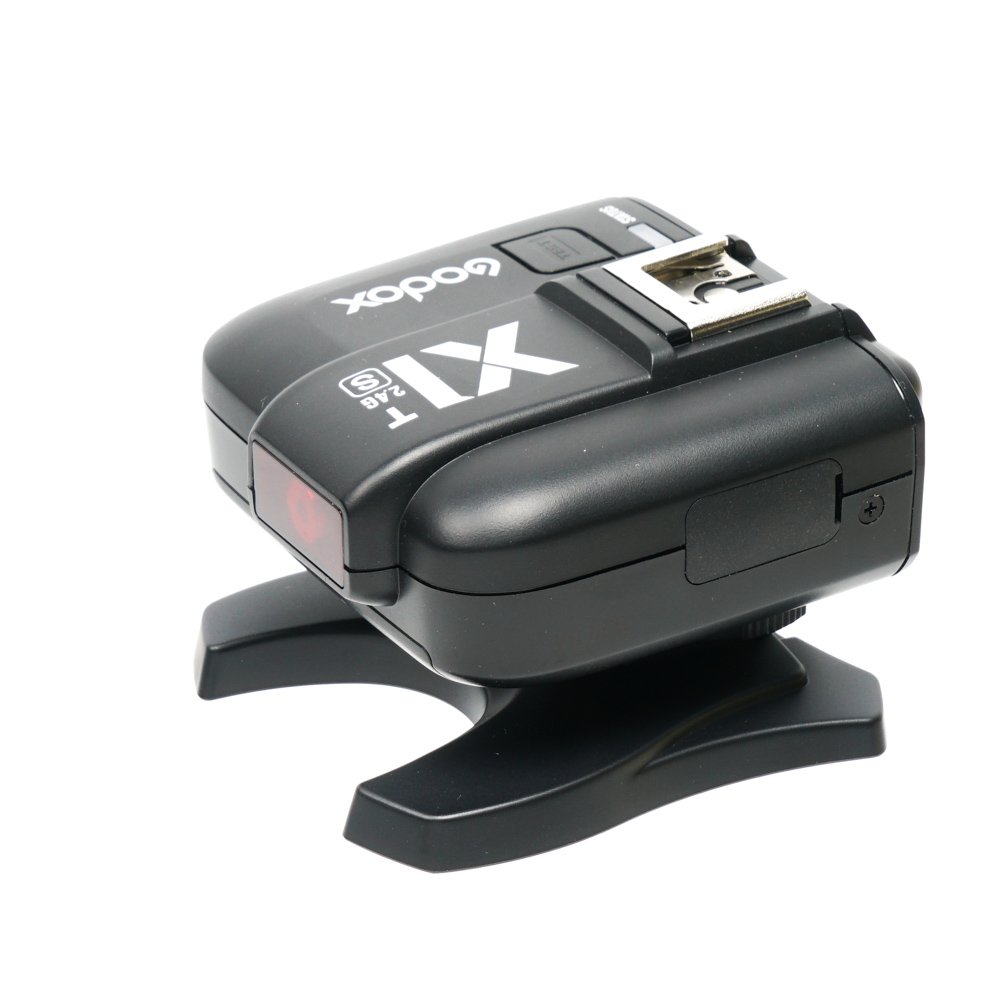
Two main types of sensors used in digital cameras are CMOS (Complementary Metal-Oxide-Semiconductor) and CCD (Charge-Coupled Device). While CCD sensors were traditionally used in digital cameras, CMOS sensors have become more popular due to their lower power consumption, faster readout speeds, and better noise performance. CMOS sensors also allow for features like on-chip processing, which can improve image quality and reduce the need for external processing.
High-Resolution Sensors
Advancements in sensor technology have also led to the development of high-resolution sensors with millions of pixels. High-resolution sensors allow for capturing more detail in images and enable users to crop and zoom in on photos without losing quality. However, high-resolution sensors can also lead to larger file sizes and require more processing power.
| Advancements in Sensor Technology | Benefits |
|---|---|
| Improved Low-Light Performance | Allows for better quality images in low-light conditions. |
| Higher Dynamic Range | Enables capturing more details in both shadows and highlights. |
| Enhanced Color Accuracy | Produces more true-to-life colors in images. |
Future Trends in Camera Design
The future of digital cameras is evolving rapidly, with new technologies and innovations reshaping the industry. Here are some key trends to watch out for in camera design:
1. Enhanced Connectivity
Cameras will continue to become more connected, allowing for seamless integration with other devices such as smartphones and tablets. This will enable easier sharing of photos and videos across platforms.
2. Artificial Intelligence Integration
AI will play a significant role in future camera design, enabling features such as automatic image enhancement, object recognition, and improved autofocus capabilities. This will make capturing stunning images easier for users of all skill levels.
These trends are just a glimpse of what the future holds for camera design. As technology continues to advance, we can expect even more exciting developments in the world of digital photography.

Impact of Artificial Intelligence
Artificial Intelligence (AI) is revolutionizing the digital camera industry by enhancing the capabilities and performance of cameras. AI-powered features such as image recognition, scene detection, and auto-adjustment settings are becoming increasingly common in digital cameras.
AI algorithms can analyze images in real-time and automatically adjust settings to optimize image quality. This technology enables users to capture stunning photos with minimal effort, making photography more accessible to a wider audience.
Furthermore, AI-powered features can assist photographers in post-processing tasks by automatically organizing and editing images. This streamlines the workflow and saves time for photographers, allowing them to focus more on their creative vision.
As AI continues to advance, we can expect digital cameras to become even smarter and more intuitive, further blurring the line between amateur and professional photography.
Environmental Sustainability in Camera Manufacturing
As technology advances and the demand for digital cameras continues to grow, it is essential for manufacturers to prioritize environmental sustainability in the production process. The manufacturing of cameras involves the use of various materials and resources, which can have a significant impact on the environment if not managed responsibly.

One key aspect of environmental sustainability in camera manufacturing is the reduction of carbon emissions. Manufacturers are increasingly focusing on using renewable energy sources and implementing energy-efficient practices to minimize their carbon footprint. This includes utilizing solar power for production facilities, improving energy efficiency in manufacturing processes, and reducing waste generation.
In addition to reducing carbon emissions, manufacturers are also exploring ways to minimize the use of hazardous materials in camera production. This involves finding alternative materials that are more eco-friendly and can be recycled or disposed of safely. By using sustainable materials, manufacturers can reduce their impact on the environment and promote a circular economy.
Furthermore, manufacturers are working towards improving the recyclability of cameras at the end of their lifecycle. By designing products with disassembly and recycling in mind, manufacturers can make it easier for consumers to recycle their old cameras and reduce electronic waste. This shift towards a more sustainable approach to camera manufacturing is crucial for minimizing environmental impact and ensuring a greener future for the industry.
FAQ
What are some emerging technologies that will shape the future of digital cameras?
In the future, digital cameras are likely to incorporate artificial intelligence for improved image processing, 5G connectivity for faster sharing and uploading of photos, and computational photography for enhanced image quality. Additionally, we can expect to see advancements in sensor technology, such as larger sensors and improved low-light performance.
How will the design of digital cameras evolve in the future?
In the future, digital cameras may become more compact and lightweight, incorporating foldable or modular designs for increased portability. We might also see advancements in ergonomics to enhance user comfort during prolonged use. Furthermore, the integration of advanced materials like graphene or carbon fiber could make cameras more durable and resistant to environmental factors.


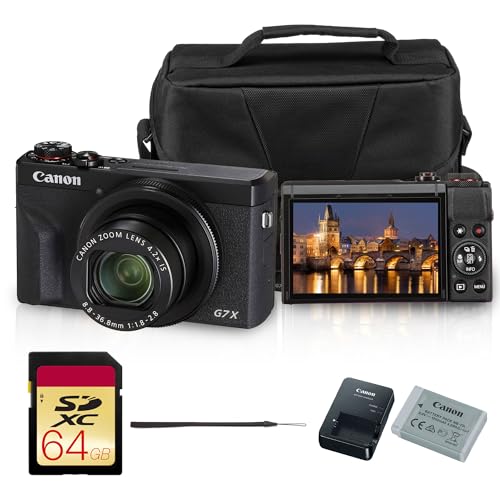
I'm curious about the future of mirrorless cameras. Do you think they'll eventually replace DSLRs completely? What makes them better aside from being more compact?
Good question! I think mirrorless cameras have a lot of advantages, especially with faster autofocus and continuous shooting speeds. It might just come down to personal preference, but they seem to be gaining traction.
I really appreciate how digital cameras are becoming more user-friendly with AI features. It’s nice to see technology making photography easier for everyone!