
 Carmen J. Moore

APS-C digital cameras are a popular choice among photographers due to their versatility and image quality. These cameras use a sensor size known as APS-C, which is smaller than a full-frame sensor but larger than a micro four-thirds sensor. This sensor size allows for a good balance between image quality and camera size, making APS-C cameras a great option for both beginners and experienced photographers.

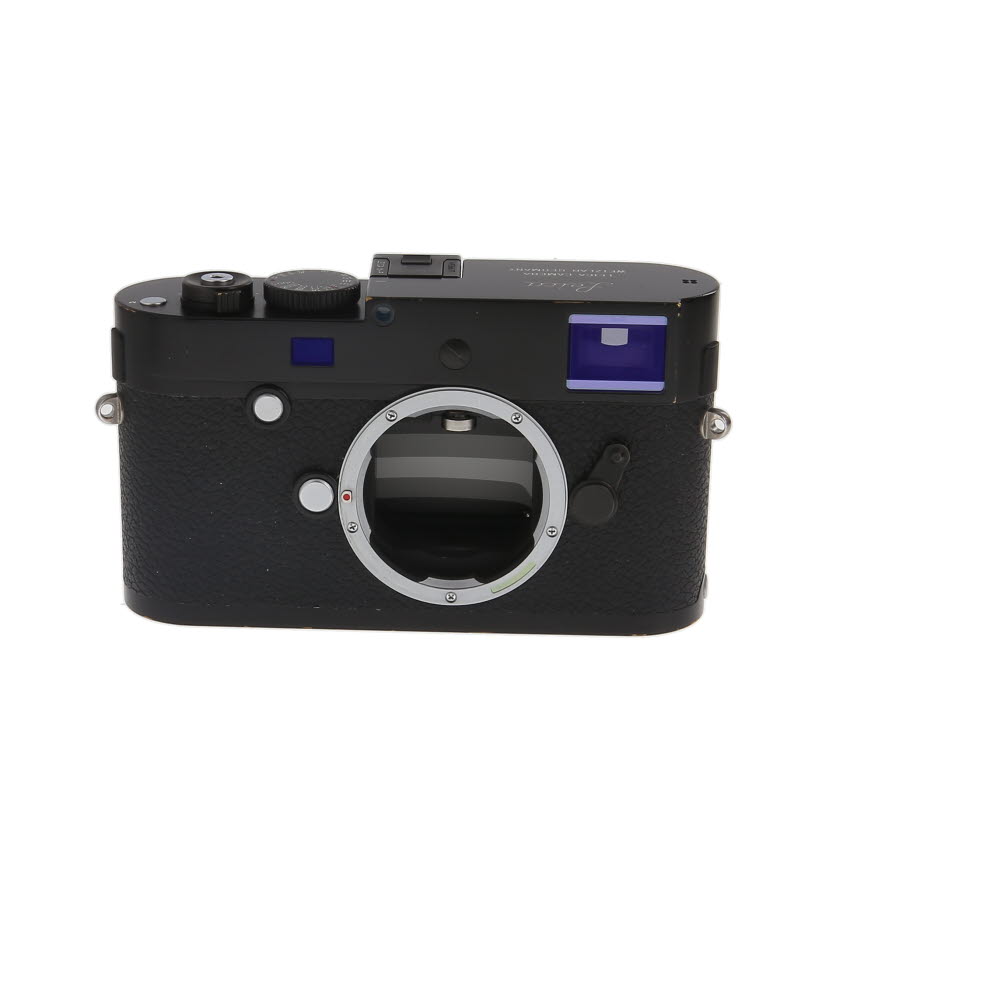

One of the key advantages of APS-C cameras is their ability to capture high-quality images with less noise, especially in low-light conditions. The larger sensor size allows for better light sensitivity and improved dynamic range, resulting in sharp and detailed photos. Additionally, APS-C cameras often have a wide range of lenses available, giving photographers the flexibility to choose the right lens for their specific needs.
Overall, APS-C digital cameras are a fantastic choice for photographers looking for a compact and versatile camera that delivers excellent image quality. Whether you’re a hobbyist or a professional, an APS-C camera can help you capture stunning photos in a wide range of shooting situations.
Understanding APS-C Digital Cameras
APS-C digital cameras are a popular choice among photographers for their balance of image quality and portability. APS-C refers to the size of the image sensor in the camera, with APS-C sensors typically being smaller than full-frame sensors but larger than Micro Four Thirds sensors.
These cameras offer a good compromise between image quality and camera size, making them ideal for enthusiasts and professionals who want high-quality images without the bulk of a full-frame camera. APS-C cameras are also often more affordable than their full-frame counterparts, making them a great option for photographers on a budget.
One of the key advantages of APS-C cameras is their ability to use a wide range of interchangeable lenses, allowing photographers to customize their gear for different shooting situations. Additionally, APS-C cameras often have advanced features such as fast autofocus systems and high ISO capabilities, making them versatile tools for capturing a variety of subjects.

In conclusion, APS-C digital cameras offer a compelling combination of image quality, portability, and affordability, making them a popular choice among photographers of all levels. Whether you’re a beginner looking to upgrade from a point-and-shoot or a professional seeking a lightweight alternative to a full-frame setup, APS-C cameras are worth considering for your photography needs.
Benefits of APS-C Cameras
APS-C cameras offer several advantages that make them a popular choice among photographers:
1. Affordability
APS-C cameras tend to be more budget-friendly compared to full-frame cameras, making them a great option for beginners or hobbyists looking to upgrade from a smartphone or compact camera.
2. Compact and Lightweight
Due to the smaller sensor size, APS-C cameras are generally more compact and lighter than their full-frame counterparts, making them easier to carry around for travel or everyday use.
Key Features of APS-C Cameras
APS-C cameras, also known as crop sensor cameras, offer a number of key features that make them popular among photographers:
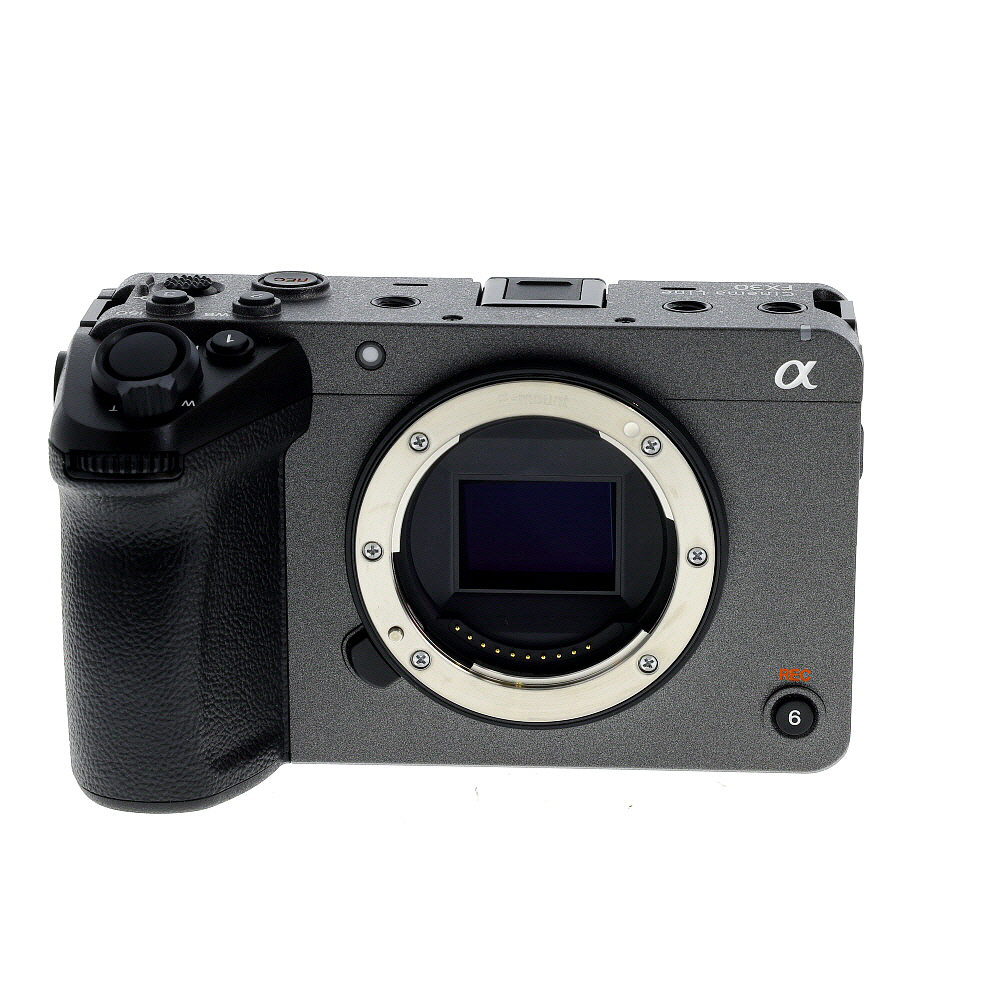
- Compact Size: APS-C cameras are smaller and lighter than full-frame cameras, making them more portable and easier to handle.
- Cost-Effective: APS-C cameras are generally more affordable than full-frame cameras, making them a great option for budget-conscious photographers.
- Increased Reach: The crop factor of APS-C sensors provides a “zoomed-in” effect, allowing photographers to get closer to their subjects without the need for a longer lens.
- Good Low-Light Performance: Many APS-C cameras have excellent low-light performance, making them suitable for shooting in challenging lighting conditions.
- Wide Lens Compatibility: APS-C cameras can often use lenses designed for full-frame cameras, providing photographers with a wide range of lens options.
- Fast Autofocus: APS-C cameras typically have fast and accurate autofocus systems, making them well-suited for capturing fast-moving subjects.
Comparison with Full Frame Cameras
When comparing APS-C digital cameras with full frame cameras, there are several key differences to consider:
1. Sensor Size
The most significant difference between APS-C and full frame cameras is the sensor size. Full frame cameras have a larger sensor, which allows for better image quality, especially in low light conditions. APS-C sensors are smaller, which can result in slightly lower image quality and dynamic range.
2. Depth of Field
Due to the smaller sensor size of APS-C cameras, they have a greater depth of field compared to full frame cameras. This can be an advantage for certain types of photography, such as landscape or macro photography, where a deeper depth of field is desired.
| Feature | APS-C Cameras | Full Frame Cameras |
|---|---|---|
| Sensor Size | Smaller | Larger |
| Depth of Field | Greater | Shallower |
Popular APS-C Camera Brands
APS-C digital cameras are widely popular among photographers for their compact size and exceptional image quality. Here are some of the most popular APS-C camera brands:
| Canon | Canon offers a range of APS-C cameras under its EOS series, known for their excellent performance and versatility. |
| Nikon | Nikon’s APS-C cameras under the DX series are favored by many photographers for their reliable performance and advanced features. |
| Sony | Sony’s APS-C cameras, such as the popular Alpha series, are known for their innovative technology and impressive image quality. |
| Fujifilm | Fujifilm’s X series of APS-C cameras are loved by photographers for their retro design, film simulation modes, and exceptional image quality. |
| Pentax | Pentax offers a range of APS-C cameras that are known for their rugged build quality, weather sealing, and affordability. |
These are just a few of the popular APS-C camera brands that cater to different needs and preferences of photographers. Each brand has its own unique features and strengths, making it important to explore and compare before making a purchase decision.

Choosing the Right APS-C Camera
When it comes to choosing the right APS-C camera, there are several key factors to consider in order to make an informed decision. Here are some important considerations:
1. Sensor Size and Image Quality:
APS-C cameras feature a smaller sensor size compared to full-frame cameras, but they still offer excellent image quality. Consider the resolution, low-light performance, and dynamic range of the camera’s sensor to ensure it meets your needs.
2. Lens Compatibility and System:
Check the availability and compatibility of lenses for the APS-C camera system you are considering. A wide range of lenses can enhance your creativity and flexibility in shooting different types of subjects.
Additional Tips:
Consider factors like camera size and weight, autofocus performance, video capabilities, and connectivity options when making your decision. Ultimately, choose a camera that aligns with your photography style and budget.
Tips for Using APS-C Cameras
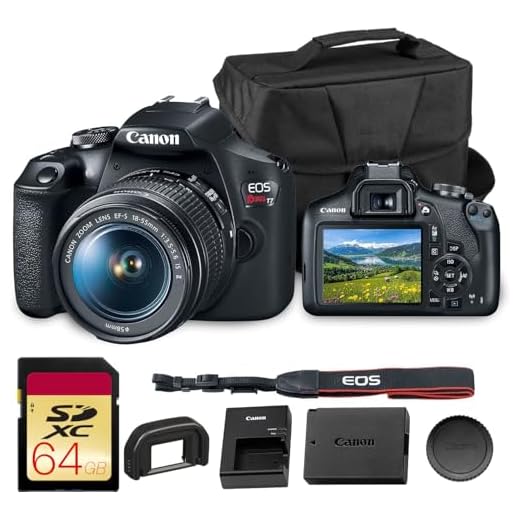
APS-C cameras are popular among photographers for their affordability and versatility. Here are some tips to help you make the most of your APS-C camera:
1. Understand Crop Factor
APS-C cameras have a crop factor that affects the field of view of your lenses. Be aware of this when choosing lenses and composing your shots.
2. Use Wide Apertures for Bokeh
APS-C cameras can produce beautiful bokeh effects with wide apertures. Experiment with different aperture settings to achieve the desired background blur.
3. Take Advantage of High ISO Performance
Modern APS-C cameras offer excellent high ISO performance, allowing you to shoot in low light conditions without too much noise. Don’t be afraid to push the ISO when needed.
4. Experiment with Different Shooting Modes
Try out different shooting modes on your APS-C camera, such as aperture priority, shutter priority, and manual mode, to gain more control over your images.
Future of APS-C Technology
APS-C technology has been a popular choice for many photographers due to its balance of image quality, portability, and affordability. As technology continues to advance, the future of APS-C cameras looks promising with improvements in sensor technology, image processing, and connectivity.
Improved Sensor Technology
Manufacturers are constantly working on developing new sensor technologies to improve image quality, low light performance, and dynamic range in APS-C cameras. With advancements in sensor design and manufacturing processes, we can expect to see even better image quality in future APS-C cameras.
Enhanced Image Processing
Image processing plays a crucial role in digital photography, and manufacturers are investing in developing more powerful processors for APS-C cameras. Enhanced image processing capabilities will result in faster performance, improved noise reduction, and better overall image quality.
- Increased Connectivity
- Future APS-C cameras are likely to offer enhanced connectivity options such as Wi-Fi, Bluetooth, and NFC for seamless sharing and remote shooting capabilities.
In conclusion, the future of APS-C technology looks bright with advancements in sensor technology, image processing, and connectivity. Photographers can expect even better image quality, performance, and convenience in future APS-C cameras.
FAQ
What is an APS-C digital camera?
An APS-C digital camera is a type of digital camera that uses an APS-C size sensor. The APS-C sensor is larger than the sensors typically found in compact cameras, but smaller than a full-frame sensor. APS-C cameras are popular among photographers for their balance of image quality, portability, and cost.
How does an APS-C sensor compare to a full-frame sensor?
An APS-C sensor is smaller than a full-frame sensor, which means it captures a narrower field of view. This can be advantageous for telephoto photography as it effectively increases the focal length of the lenses. However, full-frame sensors generally offer better low-light performance and shallower depth of field due to their larger size.
What are the advantages of using an APS-C digital camera?
APS-C digital cameras are often more affordable than full-frame cameras, making them a great option for photographers on a budget. They are also generally more compact and lightweight, making them easier to carry around for extended periods. Additionally, APS-C cameras often have a crop factor that can be beneficial for wildlife and sports photography.


I've been using an APS-C camera for a couple of years now, and I love how lightweight it is for travel. I recently took it to the mountains, and despite the low light, the photos turned out surprisingly well. My favorite feature has to be the variety of lenses available—especially the wide-angle ones. It's perfect for landscape shots!
Is it true that APS-C cameras are just as good for beginners compared to entry-level full-frame cameras? I’ve heard conflicting opinions.
Absolutely! APS-C cameras are often more affordable and easier to handle for beginners. They provide great image quality and versatility without the bulk of full-frame cameras.
What’s the main difference in image quality between APS-C cameras and full-frame cameras? I’m trying to decide which one to go for, especially for low-light photography.