
 Carmen J. Moore

Choosing the right pixel count for a digital camera is crucial in determining the quality of the images it produces. Pixels are the building blocks of digital images, and the more pixels a camera has, the higher the resolution and detail in the photos.
However, more pixels don’t always mean better quality. The optimal pixel count depends on the intended use of the images and the size at which they will be viewed or printed. Understanding the relationship between pixels, resolution, and image quality is essential for selecting the best camera for your needs.

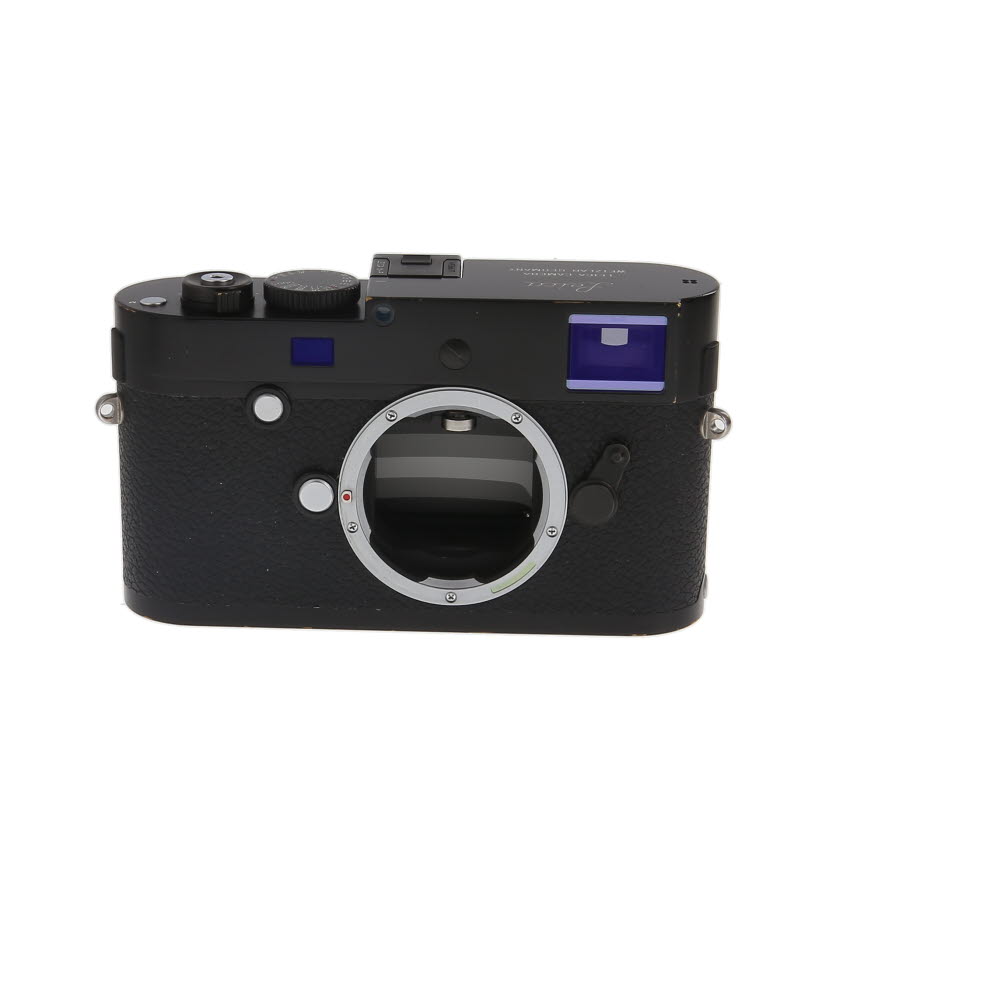
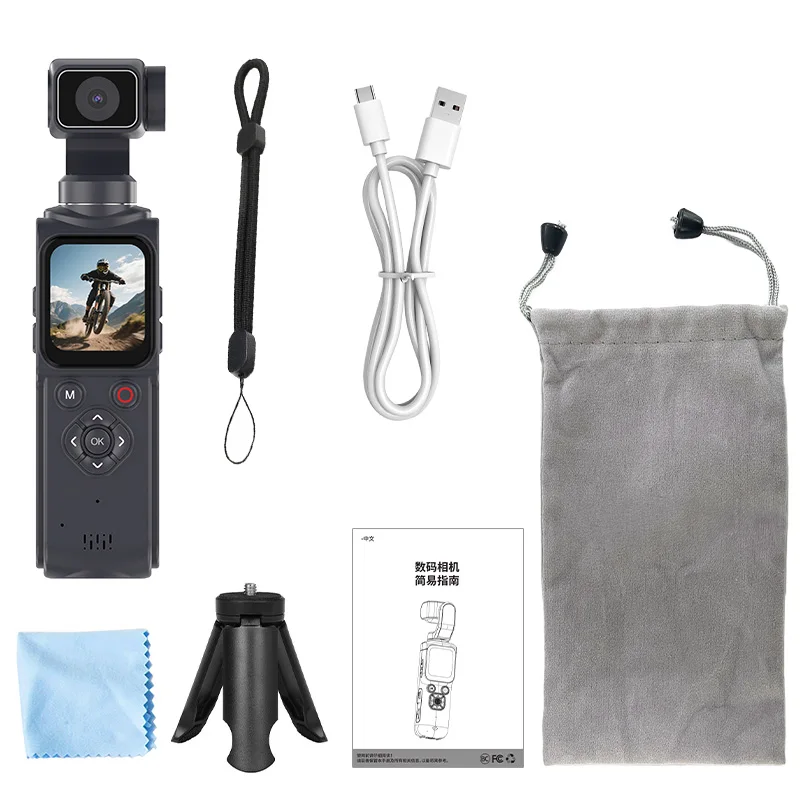
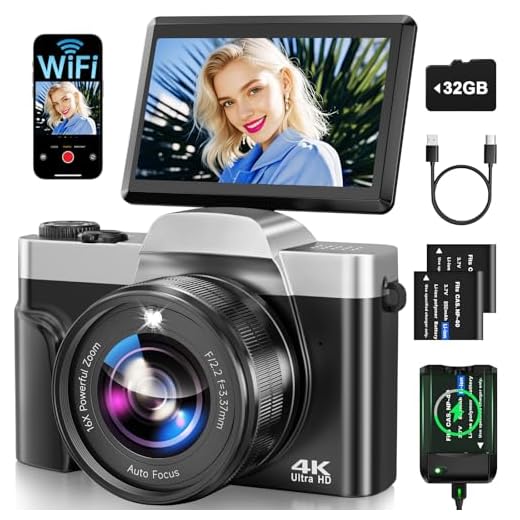
Factors such as sensor size, pixel size, and image processing capabilities also play a significant role in determining the overall image quality of a digital camera. By considering these factors along with pixel count, you can make an informed decision when choosing the best camera for your photography needs.
Choosing the Right Pixels
When it comes to choosing the right pixels for a digital camera, there are a few key factors to consider. The number of pixels in a camera’s sensor directly affects the image quality and resolution of the photos you take. Here are some tips to help you choose the right pixels for your needs:
1. Megapixels
The number of megapixels in a camera’s sensor determines the image resolution. Higher megapixels mean higher resolution and the ability to print larger photos without losing quality. However, keep in mind that more megapixels do not always guarantee better image quality, as sensor size and quality also play a role.
2. Sensor Size
In addition to megapixels, the size of the sensor is crucial for image quality. Larger sensors can capture more light, resulting in better low-light performance and dynamic range. Consider the sensor size along with the megapixels when choosing a digital camera for your photography needs.
Understanding Pixel Count
Pixel count, also known as resolution, refers to the number of pixels in an image captured by a digital camera. The higher the pixel count, the more detail and clarity the image will have. A higher pixel count allows for larger prints without loss of quality.

Factors to Consider:
Megapixels: Megapixels are a common way to measure pixel count. One megapixel is equal to one million pixels. Higher megapixels result in higher resolution images.
Pixel Density: Pixel density is the number of pixels per inch (PPI) in an image. Higher pixel density means sharper images with more detail.
Importance of Megapixels
Megapixels play a crucial role in determining the image quality of a digital camera. The number of megapixels directly affects the resolution of the images captured. Higher megapixel cameras can produce sharper and more detailed images compared to lower megapixel cameras.
When you have more megapixels, you have the ability to print larger photos without losing quality. This is especially important if you plan to print your photos or crop them extensively. More megapixels also allow for better digital zoom capabilities without sacrificing image quality.
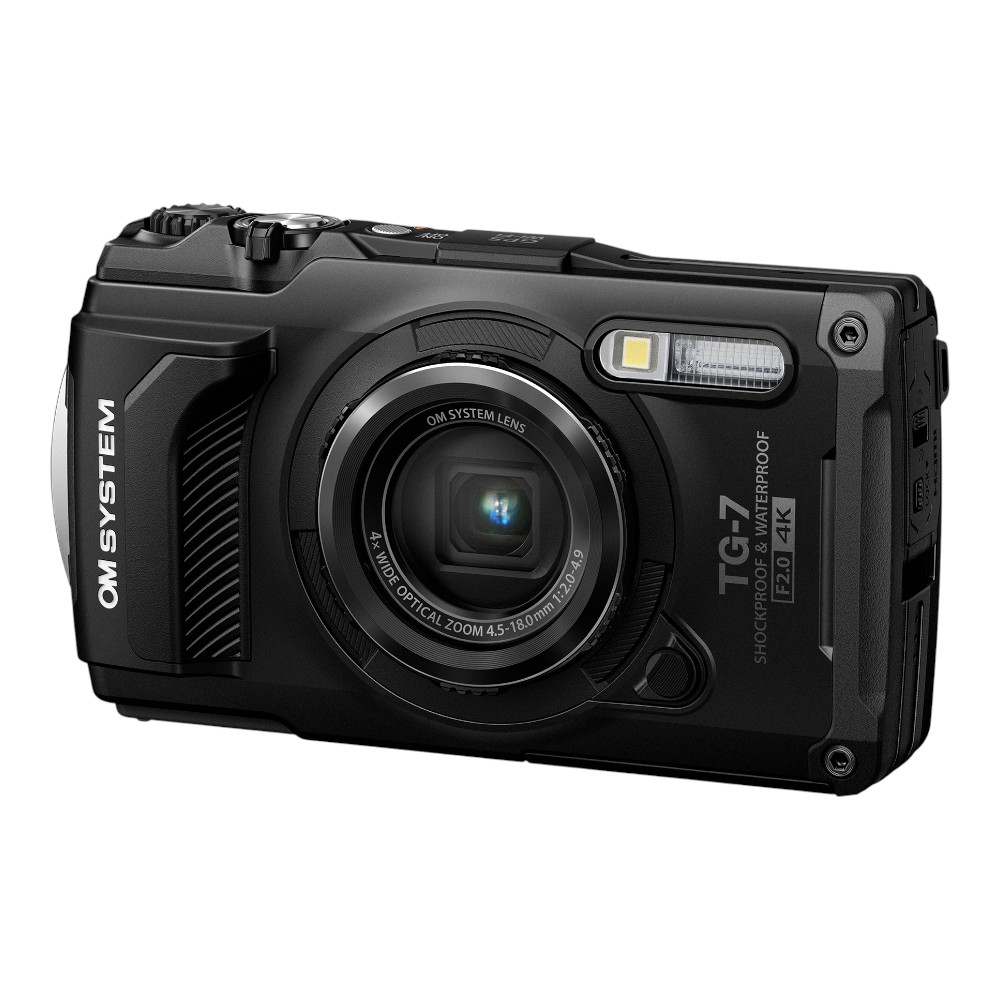
However, it’s essential to note that megapixels are not the only factor that determines image quality. Factors like sensor size, lens quality, and image processing also play a significant role. So while megapixels are important, they are just one piece of the puzzle when it comes to capturing stunning photographs.
Quality vs Quantity
When it comes to pixels in a digital camera, the debate between quality and quantity is always present. Higher megapixels don’t always equate to better image quality. While more pixels can provide more detail in an image, the quality of those pixels is equally important.
Having a camera with high-quality pixels means that each pixel captures more light and color information, resulting in sharper and more vibrant images. On the other hand, a camera with a higher quantity of lower-quality pixels may produce larger files but with less clarity and detail.
It’s important to strike a balance between quality and quantity when choosing a digital camera. Look for cameras with high-quality sensors and pixels that can produce clear and detailed images without sacrificing file size. Ultimately, the best pixels for a digital camera are the ones that can capture the most accurate and vivid images, regardless of the quantity.
Factors to Consider
1. Resolution: The number of pixels in an image sensor determines the resolution of the camera. Higher resolution sensors result in sharper and more detailed images.
2. Sensor Size: Larger sensors typically produce better image quality, especially in low light conditions, as they can capture more light. Consider the sensor size when choosing a camera.
3. Pixel Size: The size of individual pixels on a sensor can affect image quality. Larger pixels can capture more light and produce better quality images, especially in low light situations.
4. Megapixels: While higher megapixel counts can provide more detail in images, they are not the only factor to consider. Balance the megapixel count with other factors like sensor size and pixel quality.
5. Image Processing: The quality of image processing algorithms in a camera can greatly impact image quality. Look for cameras with advanced image processing capabilities for better results.
6. Lens Quality: The quality of the lens used in a camera is crucial for capturing sharp and clear images. Consider the lens quality when choosing a camera for optimal results.
Pixel Size and Sensor Type
When considering the best pixels for a digital camera, it’s important to take into account the pixel size and sensor type. Pixel size refers to the physical dimensions of each individual pixel on the camera sensor. Larger pixels can capture more light and produce better image quality, especially in low-light conditions.

Pixel Size
Smaller pixel sizes are typically found in cameras with higher megapixel counts, but this can lead to decreased image quality due to noise and reduced dynamic range. On the other hand, larger pixel sizes are often found in cameras with lower megapixel counts, resulting in better image quality overall.
| Pixel Size | Advantages | Disadvantages |
|---|---|---|
| Small | Higher resolution | More noise |
| Large | Better low-light performance | Limited resolution |
Sensor Type
The sensor type also plays a crucial role in determining image quality. There are two main types of sensors: CCD (Charge-Coupled Device) and CMOS (Complementary Metal-Oxide-Semiconductor). CMOS sensors are more common in modern digital cameras and offer advantages such as lower power consumption and faster readout speeds.
CCD sensors, on the other hand, are known for producing higher-quality images with better color accuracy. However, they are less common in today’s digital cameras due to their higher cost and slower performance.
Digital Zoom vs Optical Zoom
Digital Zoom: Digital zoom is a feature found in many digital cameras that allows you to zoom in on a subject by cropping and enlarging the image. While digital zoom can make objects appear closer, it does so by essentially reducing the image quality and resolution. This is because digital zoom simply enlarges a portion of the image, resulting in pixelation and loss of detail.
Optical Zoom: Optical zoom, on the other hand, uses the camera’s lens to physically zoom in on a subject without sacrificing image quality. Optical zoom is superior to digital zoom as it allows you to get closer to a subject while maintaining sharpness and detail in the image. Cameras with optical zoom capabilities have a range of focal lengths that can be adjusted to bring distant subjects closer without compromising quality.
When choosing a digital camera, it is important to consider the differences between digital zoom and optical zoom. While digital zoom may seem convenient, it is always better to prioritize optical zoom for clearer, more detailed images.
FAQ
What are pixels in a digital camera?
Pixels in a digital camera are the tiny, individual points of color that make up a digital image. The more pixels a camera has, the higher the resolution of the images it can produce.
How do pixels affect the quality of digital photos?
The number of pixels in a digital camera directly affects the resolution of the photos it can take. More pixels mean higher resolution and more detail in the images. However, too many pixels can also lead to larger file sizes.
What is the ideal pixel count for a digital camera?
The ideal pixel count for a digital camera depends on the intended use of the photos. For casual photography and sharing on social media, a camera with around 12-16 megapixels is usually sufficient. For professional photography or large prints, a camera with 20+ megapixels may be preferred.
Are more pixels always better in a digital camera?
While more pixels can lead to higher resolution images, there is a point of diminishing returns. Too many pixels can result in larger file sizes, slower processing times, and may not always translate to significantly improved image quality. It’s important to consider the balance between pixel count and other factors like sensor size and lens quality when choosing a digital camera.



I recently upgraded to a camera with a 24-megapixel sensor and noticed a significant improvement in detail. However, I did have to invest in a better lens to really see the benefits. Just having high megapixels isn't enough if the lens quality isn't there.
That's a great point! Lens quality indeed plays a crucial role in maximizing the potential of a high megapixel camera.
What is the ideal megapixel count for a beginner photographer?
I think focusing too much on megapixels can be misleading. My old camera had only 12 megapixels, but its larger sensor size produced images that were richer and more vibrant compared to some newer cameras with higher megapixels. People should weigh pixel count with sensor size and lens quality.
I agree! I've seen some stunning photos from cameras with lower megapixels, especially in low-light situations.
Absolutely, the combination of sensor size and lens quality can often outweigh the benefits of just having more megapixels.