
 Carmen J. Moore

Are you torn between purchasing a digital camera or investing in a DSLR? The decision can be overwhelming, given the wide array of options available in the market today. Both types of cameras have their own set of advantages and disadvantages, making it crucial to understand your needs and preferences before making a choice.
While digital cameras are compact, lightweight, and user-friendly, DSLRs offer superior image quality, interchangeable lenses, and advanced manual controls. It all boils down to what you value the most in a camera – convenience or professional-level performance.
Join us as we delve into the key differences between digital cameras and DSLRs, helping you navigate through the features and functionalities to make an informed decision that suits your photography needs.
Pros and Cons of Digital Cameras
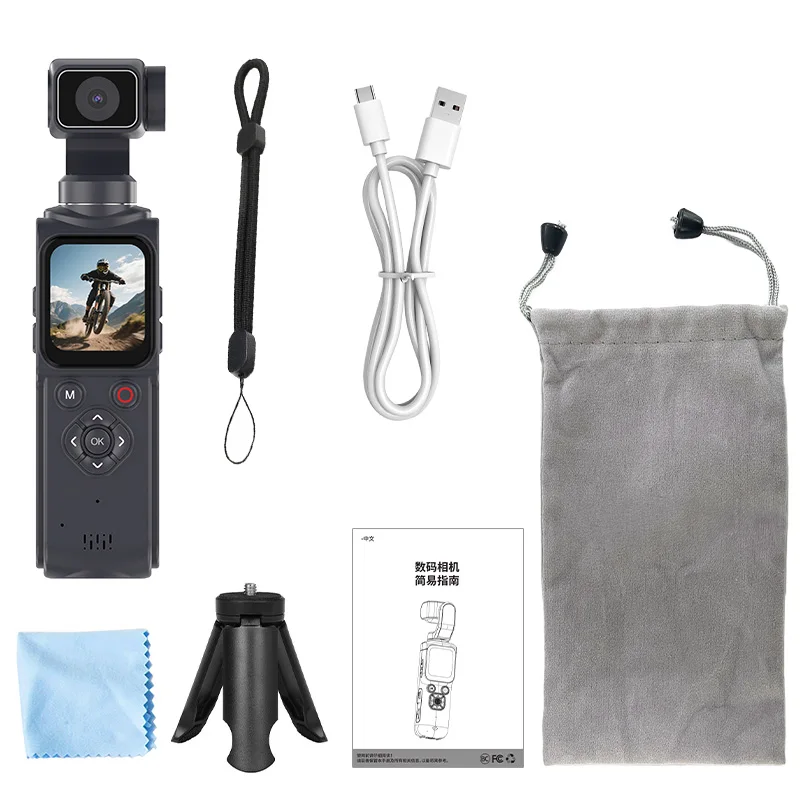
Digital cameras have revolutionized photography, making it more accessible and convenient for everyone. Here are some pros and cons of using a digital camera:


Pros:
- Instant Feedback: With a digital camera, you can instantly see the pictures you’ve taken and make adjustments on the spot.
- Easy Sharing: Digital cameras allow you to quickly and easily share your photos online or through social media.
- Editing Options: Digital photos can be easily edited using software to enhance colors, crop images, or apply filters.
- Convenience: Digital cameras are compact and lightweight, making them easy to carry around for capturing moments on the go.
Cons:
- Quality Limitations: Some digital cameras may not offer the same image quality as a DSLR, especially in low light conditions.
- Battery Life: Digital cameras rely on battery power, which can be a limitation when shooting for extended periods without access to charging.
- Price: High-quality digital cameras can be expensive, especially those with advanced features and capabilities.
- Limited Lens Options: Digital cameras often have fixed lenses, limiting the flexibility and range of photography styles you can explore.
Advantages of Digital Cameras
Digital cameras offer numerous advantages over traditional film cameras. Here are some of the key benefits:
Instant Feedback
With a digital camera, you can instantly view the photos you have taken on the camera’s LCD screen. This allows you to review and assess the quality of the images right away, making it easier to retake a shot if needed.
Convenience
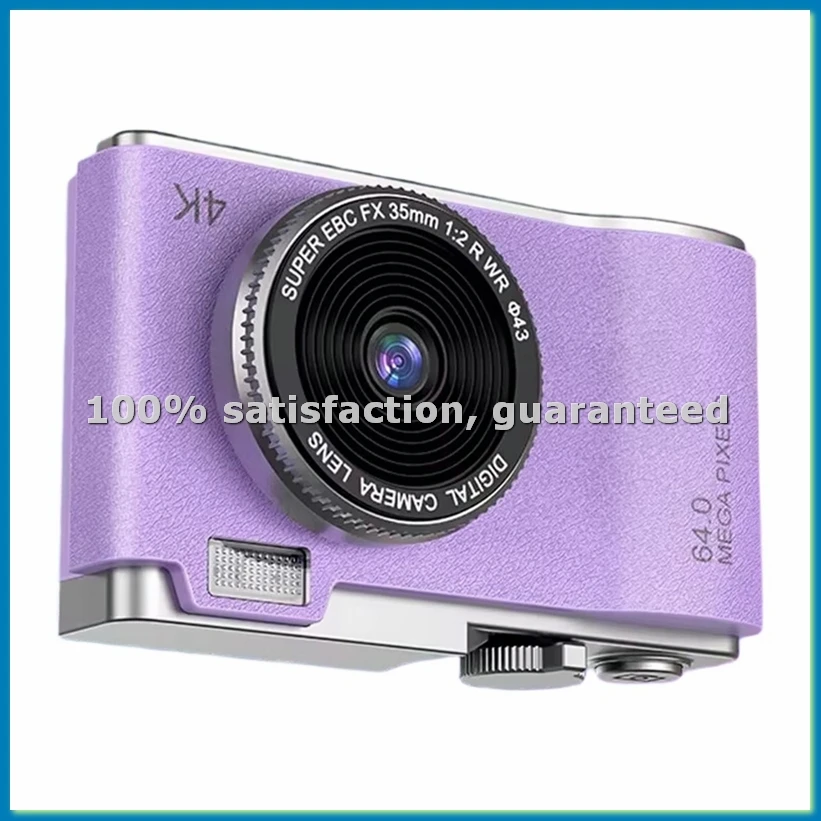
Digital cameras are compact, lightweight, and easy to carry around, making them convenient for travel and everyday use. They also eliminate the need for film rolls and can store hundreds or even thousands of photos on a single memory card.
Disadvantages of Digital Cameras
While digital cameras have many advantages, there are also some disadvantages to consider before making a purchase.
Lack of Depth of Field Control
One of the main drawbacks of digital cameras is the limited control over depth of field compared to DSLRs. Digital cameras typically have smaller sensors, which can make it challenging to achieve a shallow depth of field for artistic effects.

Image Quality in Low Light
Digital cameras may struggle with image quality in low light conditions due to their smaller sensors. This can result in more noise and graininess in photos compared to DSLRs, which have larger sensors that perform better in low light.
Consider these factors when deciding between a digital camera and a DSLR to ensure you choose the right option for your photography needs.
Pros and Cons of DSLR Cameras
DSLR cameras offer several advantages and disadvantages compared to digital cameras. Here are some pros and cons of DSLR cameras:
Pros:
1. Image Quality: DSLR cameras typically have larger image sensors, which result in higher image quality with better color reproduction and dynamic range.
2. Interchangeable Lenses: DSLRs allow you to use a variety of lenses to achieve different effects and focal lengths, providing greater flexibility in your photography.
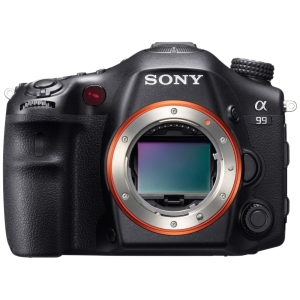
3. Manual Controls: DSLR cameras offer extensive manual controls, allowing you to adjust settings such as aperture, shutter speed, and ISO for more creative control over your shots.
Cons:
1. Size and Weight: DSLR cameras are bulkier and heavier than digital cameras, which can make them less convenient to carry around for everyday use.
2. Cost: DSLR cameras tend to be more expensive than digital cameras, especially when factoring in the cost of additional lenses and accessories.
3. Learning Curve: DSLR cameras can be more complex to use, requiring a greater understanding of photography concepts and settings to fully utilize their capabilities.
Advantages of DSLR Cameras
Superior Image Quality: DSLR cameras typically offer larger image sensors and higher resolution, resulting in sharper, more detailed photos with better color reproduction.
Interchangeable Lenses: DSLRs allow you to use a wide range of lenses, including wide-angle, telephoto, and macro lenses, giving you more creative control over your photos.
Fast Autofocus: DSLR cameras are known for their fast and accurate autofocus systems, making it easier to capture fast-moving subjects and ensuring sharp focus in various shooting conditions.
Optical Viewfinder: DSLRs come equipped with optical viewfinders that provide a clear, real-time view of your subject, allowing for more precise composition and framing.
Manual Controls: DSLRs offer extensive manual controls, allowing you to adjust settings like aperture, shutter speed, and ISO to achieve the desired exposure and creative effects.
Durability: DSLR cameras are built to withstand rough handling and challenging environments, making them ideal for outdoor and travel photography.

Low Light Performance: DSLRs perform better in low-light situations due to their larger sensors and better noise control, allowing you to capture high-quality images in dimly lit conditions.
Disadvantages of DSLR Cameras
1. Size and Weight: DSLR cameras are typically larger and heavier than digital cameras, making them less convenient to carry around for casual photography.
2. Cost: DSLR cameras are generally more expensive than digital cameras, especially when you factor in the cost of additional lenses and accessories.
3. Complexity: DSLR cameras often have more advanced features and settings, which can be overwhelming for beginners or casual photographers.
4. Maintenance: DSLR cameras require more maintenance and care, such as cleaning the sensor and lenses regularly, to ensure optimal performance.
5. Noise: DSLR cameras can be noisier than digital cameras due to the moving mirror mechanism inside the camera body.
Factors to Consider
When deciding between a digital camera and a DSLR, there are several factors to take into consideration:
Image Quality: DSLRs typically offer higher image quality due to their larger sensors and interchangeable lenses, providing better detail and dynamic range.
Flexibility: DSLRs allow for more manual control over settings, interchangeable lenses, and accessories, providing greater flexibility in capturing different types of shots.
Size and Portability: Digital cameras are generally smaller and more compact, making them easier to carry around for everyday use.
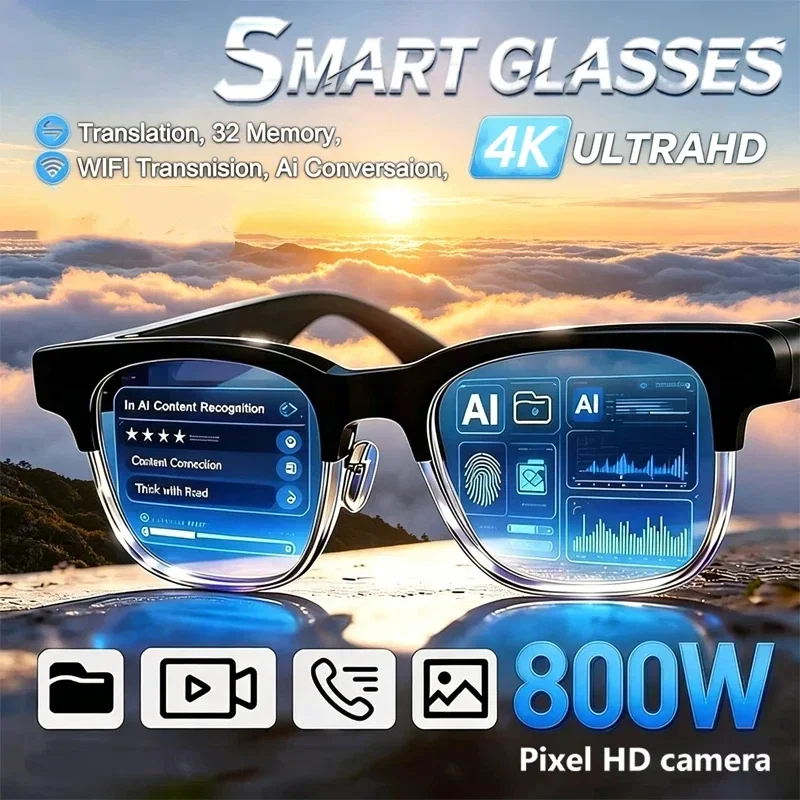
Cost: DSLRs tend to be more expensive upfront, but offer greater long-term value and room for growth as your photography skills improve.
Ease of Use: Digital cameras are often simpler and more user-friendly, making them ideal for beginners or casual photographers.
Consider these factors carefully to determine which type of camera best fits your needs and preferences.
Price Comparison
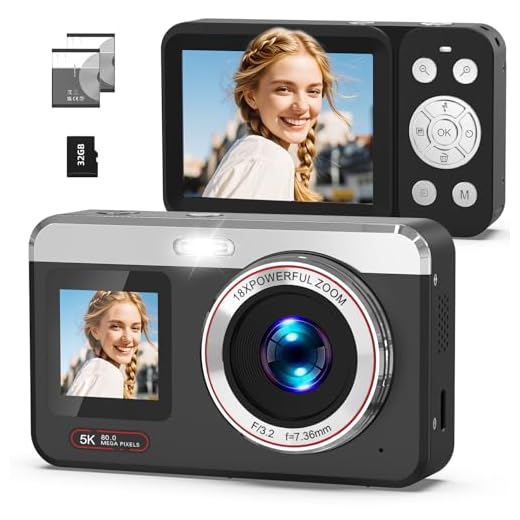
When comparing the prices of digital cameras and DSLRs, it’s important to consider your budget and the features you need. Digital cameras are generally more affordable than DSLRs, making them a popular choice for beginners or casual photographers. You can find a good quality digital camera for a reasonable price, with options ranging from compact point-and-shoot models to advanced mirrorless cameras.
Digital Cameras:
On average, digital cameras range from $100 to $500, depending on the brand, model, and features. Entry-level digital cameras are available at lower price points, while higher-end models with advanced technology can cost more. It’s important to research and compare prices to find the best deal for your needs.
DSLRs:
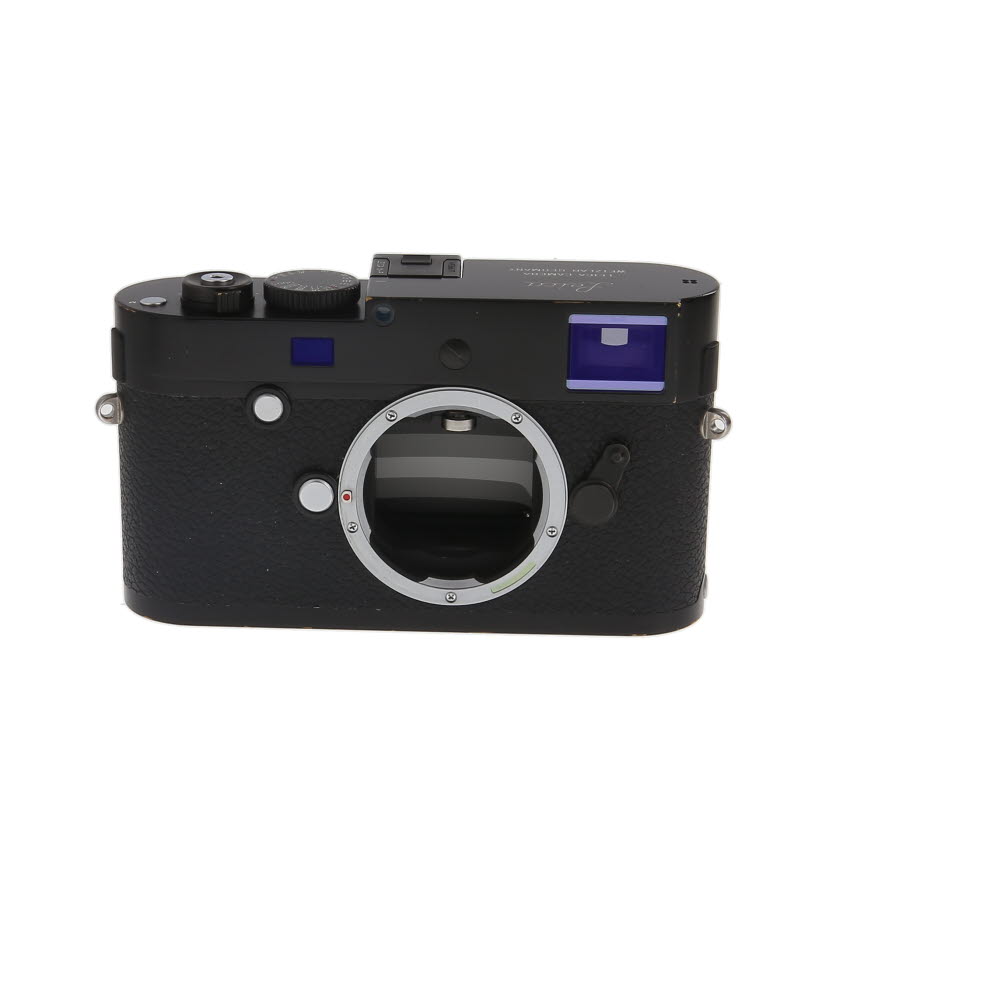
DSLRs are typically more expensive than digital cameras, with prices starting at around $400 and going up to several thousand dollars for professional-grade models. While DSLRs offer superior image quality, interchangeable lenses, and advanced features, they come with a higher price tag. Consider your photography goals and budget when deciding between a digital camera and a DSLR.
FAQ
What are the main differences between a digital camera and a DSLR?
Digital cameras are compact and easy to use, while DSLRs offer more advanced features, interchangeable lenses, and better image quality.
Is it worth investing in a DSLR over a digital camera?
If you are serious about photography and want more control over your images, a DSLR is a better investment due to its higher image quality and versatility.
Can a digital camera produce good quality photos compared to a DSLR?
Yes, digital cameras can produce good quality photos, but DSLRs generally offer better image quality, especially in low light conditions, and more advanced features for professional photography.
Which type of camera is more suitable for beginners – digital camera or DSLR?
For beginners, a digital camera is usually more user-friendly and easier to learn, while a DSLR may be overwhelming with its many settings and options. However, if you are serious about learning photography, a DSLR can provide more room for growth and creativity.


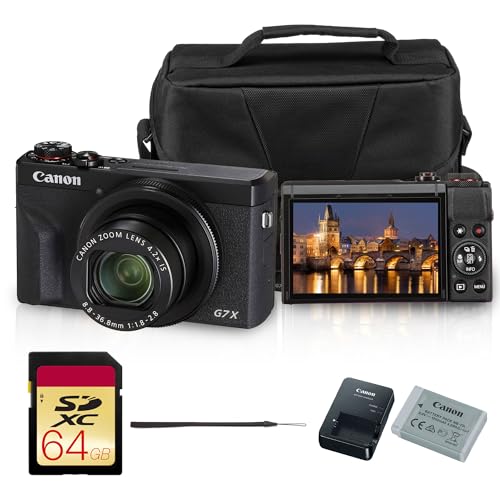
I disagree that DSLRs are always better. My digital camera has great features and suits my needs perfectly for casual photography. I think it really depends on what you want to achieve.
When you mention the ‘depth of field control’ in digital cameras, does that mean I can’t create blurry backgrounds at all?
Digital cameras can achieve some level of blur, but DSLRs typically have more advanced settings that allow for better control over depth of field due to their larger sensors.
I’m really confused about what to buy. Can someone explain if it's better to go for a digital camera for casual use, or should I invest in a DSLR even if I’m a beginner?
I started with a digital camera and loved its portability. It was great for traveling and capturing moments without a lot of hassle. However, once I got serious about photography, I switched to a DSLR. The difference in image quality was noticeable, especially in low light. It’s a bit heavier, but totally worth it for the control it offers.
That sounds like a smart upgrade! Did you find the learning curve with the DSLR difficult?