
 Carmen J. Moore

In the world of photography, image stabilization is a crucial feature that can make a significant difference in the quality of your photos. When it comes to stabilizing images, two main technologies are commonly used: optical stabilization and digital stabilization. But which one is cheaper and more effective?
Optical stabilization relies on physical mechanisms within the lens or camera body to compensate for small movements and vibrations. This technology is often more expensive to implement in cameras, as it requires specialized hardware components. On the other hand, digital stabilization uses software algorithms to reduce blur and shake in photos, which can be a more cost-effective solution.


While optical stabilization tends to produce better results in terms of image quality, digital stabilization has its advantages in terms of cost and versatility. Both technologies have their strengths and weaknesses, and the choice between the two ultimately depends on your budget and photography needs.
Comparison of Optical and Digital Stabilization in Cameras
When it comes to image stabilization in cameras, there are two main types: optical stabilization and digital stabilization. Both methods aim to reduce camera shake and produce sharper images, but they work in different ways.
Optical stabilization: Optical stabilization, also known as OIS (Optical Image Stabilization), physically shifts the camera lens to compensate for movement. This technology is typically found in the lens itself and can result in smoother, more stable images, especially in low light conditions.
Pros: Better image quality, especially in low light. Works well for both photo and video.
Cons: Generally more expensive. Limited to specific lenses or cameras that have OIS built-in.

Digital stabilization: Digital stabilization, on the other hand, uses software algorithms to crop and adjust the image to compensate for camera shake. This method does not involve any physical movement of the lens.
Pros: Can be more cost-effective. Works well for video stabilization.
Cons: May result in reduced image quality, especially in low light. Not as effective as optical stabilization for still photos.
In conclusion, optical stabilization tends to offer better image quality, especially in challenging lighting conditions, but comes at a higher cost. Digital stabilization can be more budget-friendly and is often preferred for video recording. The choice between the two depends on your specific needs and budget constraints.
Cost Analysis of Optical Stabilization
When comparing optical stabilization (OIS) and digital stabilization in cameras, cost is a significant factor to consider. Optical stabilization involves physical mechanisms within the camera lens that compensate for movement, while digital stabilization relies on software algorithms to reduce shake.
Optical Stabilization (OIS)
Pros: OIS provides superior stabilization by physically adjusting the lens elements. This results in sharper images and smoother videos, especially in low light conditions. While OIS technology adds to the manufacturing cost of the camera, it often produces better results than digital stabilization.
Digital Stabilization
Cons: Digital stabilization is a more cost-effective solution as it doesn’t require additional hardware components. However, it can lead to reduced image quality due to the cropping or interpolation of frames to stabilize the footage. In certain situations, digital stabilization may not be as effective as OIS in reducing camera shake.
Overall, while optical stabilization may be more expensive to implement initially, it often provides better results and is preferred by photographers and videographers who prioritize image quality. Digital stabilization, on the other hand, may be a more budget-friendly option but can compromise the overall quality of the footage.
Effectiveness of Digital Stabilization
Digital stabilization is a common feature in many cameras, especially in smartphones. It works by using software algorithms to reduce blur and shaky footage in real-time. While digital stabilization can help improve the overall quality of the image or video, its effectiveness is limited compared to optical stabilization.
Optical stabilization, on the other hand, involves physical mechanisms within the camera lens or sensor to reduce motion blur. This technology is generally more effective at stabilizing images and videos, especially in low light conditions or when capturing fast-moving subjects.
Pros of Digital Stabilization:
- Cost-effective solution for entry-level cameras
- Can be implemented in software without additional hardware
- Helps improve overall image and video quality
Cons of Digital Stabilization:
- Limited effectiveness compared to optical stabilization
- May result in reduced image quality or distortion in some cases
- Not as reliable in low light or high-speed shooting scenarios
| Aspect | Digital Stabilization | Optical Stabilization |
|---|---|---|
| Effectiveness | Good for minor shakes and vibrations | Excellent for reducing motion blur and stabilizing images |
| Cost | Generally cheaper to implement | May add to the cost of the camera |
| Performance | Dependent on software algorithms | Relies on physical mechanisms for stabilization |
Performance in Low-Light Conditions
When it comes to shooting in low-light conditions, optical stabilization typically outperforms digital stabilization. Optical stabilization allows the camera to physically move the lens elements to compensate for hand shake, resulting in sharper images with less noise. On the other hand, digital stabilization relies on software algorithms to reduce blur, which can sometimes lead to a loss of image quality and detail, especially in low-light situations.
| Optical Stabilization | Digital Stabilization |
|---|---|
| Physically adjusts lens elements | Relies on software processing |
| Produces sharper images | May result in loss of image quality |
| More effective in low-light | Less effective in low-light |
Image Quality Comparison
When it comes to image quality, optical stabilization generally outperforms digital stabilization. Optical stabilization physically moves lens elements to compensate for camera shake, resulting in sharper images with less distortion. On the other hand, digital stabilization relies on software algorithms to reduce blur, which can lead to a decrease in image quality and detail. In low-light conditions or when shooting fast-moving subjects, optical stabilization is more effective in capturing clear and crisp photos.
| Aspect | Optical Stabilization | Digital Stabilization |
|---|---|---|
| Image Sharpness | Higher | Lower |
| Detail Preservation | Better | Reduced |
| Low-light Performance | Superior | Limited |
Long-Term Durability of Stabilization Systems
When comparing optical stabilization (OIS) and digital stabilization (DIS) in cameras, the long-term durability of the stabilization systems is a crucial factor to consider. OIS relies on physical mechanisms within the camera lens to compensate for motion and reduce blur, while DIS processes the image digitally to achieve stabilization.
Optical Stabilization (OIS)
OIS systems typically involve moving lens elements or sensors to counteract camera shake. While OIS can provide effective stabilization, the mechanical components involved may be subject to wear and tear over time. The moving parts in OIS systems may require maintenance or replacement to ensure continued performance.
Digital Stabilization (DIS)
DIS, on the other hand, relies on algorithms and software processing to stabilize the image. Since there are no physical moving parts involved, DIS systems may be more resilient to long-term wear and tear. However, the effectiveness of digital stabilization may vary depending on the camera’s processing power and software algorithms.
Conclusion
In conclusion, the long-term durability of stabilization systems in cameras depends on the specific technology used. While OIS may offer effective stabilization, the mechanical components involved may require maintenance. On the other hand, DIS systems may be more durable due to the lack of moving parts, but their effectiveness may be influenced by software performance. Ultimately, the choice between OIS and DIS should consider both short-term performance and long-term durability requirements.
Overall Value for Money in Camera Stabilization
When considering the overall value for money in camera stabilization, it is important to weigh the benefits of optical stabilization (OIS) against digital stabilization (DIS). While optical stabilization tends to be more expensive due to the hardware components required, it often provides superior results in terms of image quality and stabilization effectiveness.
Pros and Cons of Optical Stabilization:
One of the main advantages of optical stabilization is its ability to physically compensate for camera shake, resulting in sharper images and smoother videos. This can be particularly beneficial in low-light conditions or when shooting moving subjects. However, OIS can add bulk and weight to the camera, making it less portable.
Pros and Cons of Digital Stabilization:
On the other hand, digital stabilization relies on software algorithms to reduce the effects of camera shake. While this method is often more affordable and can be implemented in smaller cameras, it may not always provide the same level of stabilization as optical stabilization. Digital stabilization can also lead to some loss of image quality or introduce artifacts in certain situations.
| Criteria | Optical Stabilization | Digital Stabilization |
|---|---|---|
| Effectiveness | Superior | Varies |
| Cost | Higher | Lower |
| Portability | Bulkier | Compact |
| Image Quality | High | May be compromised |
In conclusion, the choice between optical and digital stabilization ultimately depends on your priorities and budget. While optical stabilization may offer better performance, digital stabilization can be a more cost-effective solution for casual photographers or those with limited funds. Consider your shooting needs and preferences when selecting the right stabilization technology for your camera.
FAQ
Is optical stabilization better than digital in cameras?
Yes, optical stabilization is generally considered better than digital stabilization in cameras. Optical stabilization works by physically moving lens elements to compensate for camera shake, resulting in sharper images. Digital stabilization, on the other hand, uses software algorithms to reduce the effects of camera shake but can sometimes lead to a decrease in image quality.
Is optical stabilization more expensive than digital stabilization in cameras?
Optical stabilization typically adds to the cost of a camera compared to digital stabilization. The mechanisms required for optical stabilization involve moving parts and specialized technology, which can increase the manufacturing cost of the camera. However, the improved image quality and effectiveness of optical stabilization may justify the higher price for many photographers.


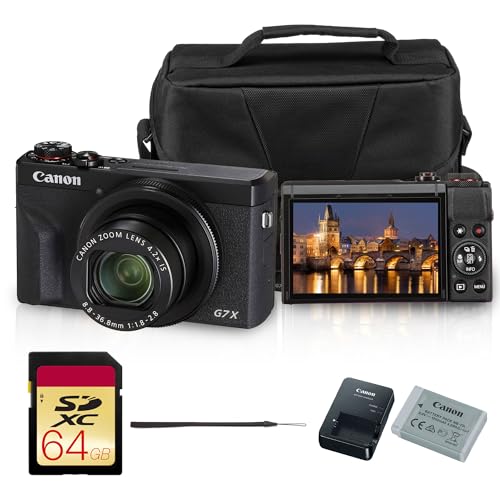
Is optical stabilization always better for low-light photography, or are there situations where digital stabilization works just as well?
I recently upgraded to a camera with optical stabilization, and I’ve noticed that my night shots are way sharper compared to my old camera with digital stabilization. It's like a whole new world for low light photography. But I did have to pay a premium for it. Honestly, I think it was worth every penny.
Is optical stabilization really that much better in low light compared to digital stabilization?
I've used both systems. While digital stabilization is convenient and works for casual shooting, I find that optical stabilization gives me much sharper images during low-light events like concerts. The clarity is just unmatched. However, for travel, I still consider the weight and cost of lenses. Just wondering how others balance these factors?
That's a good point! I think it really depends on what you prioritize—quality or convenience. For me, I often choose lighter gear for hiking, but I miss the quality sometimes.
I’ve been trying to decide between a camera with optical stabilization and one with digital stabilization. Can anyone share their experiences with both? Which one do you think is better overall for a beginner?
I started with a camera that had digital stabilization, and it was decent for casual photos. But once I switched to one with optical stabilization, I noticed a huge difference in quality, especially in lower light conditions.
I disagree about digital stabilization being ineffective. For casual video and daytime shots, I've found it to be totally sufficient and a lot cheaper than OIS options.
Thanks for sharing your perspective! Digital stabilization can indeed be a great option for many users, especially those on a budget or who primarily shoot in well-lit conditions.
I disagree that optical stabilization is always better. For budget cameras, digital stabilization can still produce good results, especially for casual shooting. Sometimes you don’t need extreme quality, and the cost-savings are significant.
That's true! If you're just starting out or not shooting in low light often, digital stabilization can be perfectly fine. It really depends on your needs.
I've used both types of stabilization. My experience with optical stabilization was much better when shooting at night. The difference in clarity was noticeable compared to digital stabilization, which struggled a bit in low light.
That's interesting! I thought digital stabilization would be good enough for most situations.
Does optical stabilization work with all lenses, or are there specific ones that need to be used?
Great question! Optical stabilization is typically built into specific lenses or camera bodies. Not all lenses will have this feature, so it's essential to check compatibility before purchasing.
I disagree with the notion that optical stabilization is always superior. In some cases, digital stabilization can produce decent results and is much more affordable for entry-level photographers.
It's true that digital stabilization offers a more budget-friendly option, especially for beginners. The best choice often depends on specific needs and shooting conditions.
I’ve been considering a new camera but can't decide between one with optical stabilization or digital. How much of a difference does stabilization really make in everyday shooting?
I think it makes a huge difference, especially in low light. I used to shoot without stabilization and my photos were often blurry. With OIS, everything is clearer.
Can someone explain how digital stabilization affects video quality compared to optical stabilization? Does it really lead to the loss of detail?
I recently bought a camera with digital stabilization and I've had mixed experiences. For casual use, it works fine, but when I shot a fast-moving subject, the quality dropped noticeably. I think in the future, I'd prefer to invest in optical stabilization for better results.
Thanks for sharing your experience. Many users find that optical stabilization provides a significant advantage when capturing fast action or in challenging lighting.
Just a heads up, OIS may need maintenance over time due to moving parts, while digital stabilization is more consistent long-term.
I disagree that digital stabilization is only good for minor shakes. My smartphone uses digital stabilization and produces great results for video. It's not as good as OIS, but it's still very impressive!
Digital stabilization can indeed yield good results, especially in smartphones. It works well for video, but for still photography, many still find OIS superior, particularly in challenging conditions.
This article makes a great point about the cost difference. I’ve noticed that while digital stabilization is cheaper, the quality can suffer, especially for high-speed shots. I recently bought a camera with OIS, and the results in motion capture are incredible compared to my older digital stabilized camera.
I'm trying to decide between a camera with optical stabilization and one with digital stabilization. How much of a difference does it really make in low-light situations?
That's a great observation! Optical stabilization is indeed more effective in low-light conditions due to its physical adjustments to the lens.
I've used both types, and I can definitely say that optical stabilization makes a big difference in low light. The images tend to be much sharper.
I recently switched from a digital stabilization camera to one with optical stabilization. The difference in video quality is noticeable, especially when moving. I feel more confident shooting without a tripod now!
I mainly use my camera for videos, and I've used both stabilization methods. Digital stabilization is more prevalent in my devices, and while it does the job, I've found it can distort images a bit. In contrast, the optical stabilization on my DSLR really shines when I'm filming in tricky lighting or while moving. It’s worth the investment if you're serious about quality.
I appreciate that optical stabilization can be more expensive, but it's worth it for those who take photography seriously!
I disagree that digital stabilization is always inferior. It has come a long way and can still produce decent quality images, especially for casual photographers on a budget.