
 Carmen J. Moore

Photography is a powerful medium that allows us to capture moments and express creativity through images. With the advancement of technology, digital SLR cameras have become popular tools for both amateurs and professionals to take stunning photos.

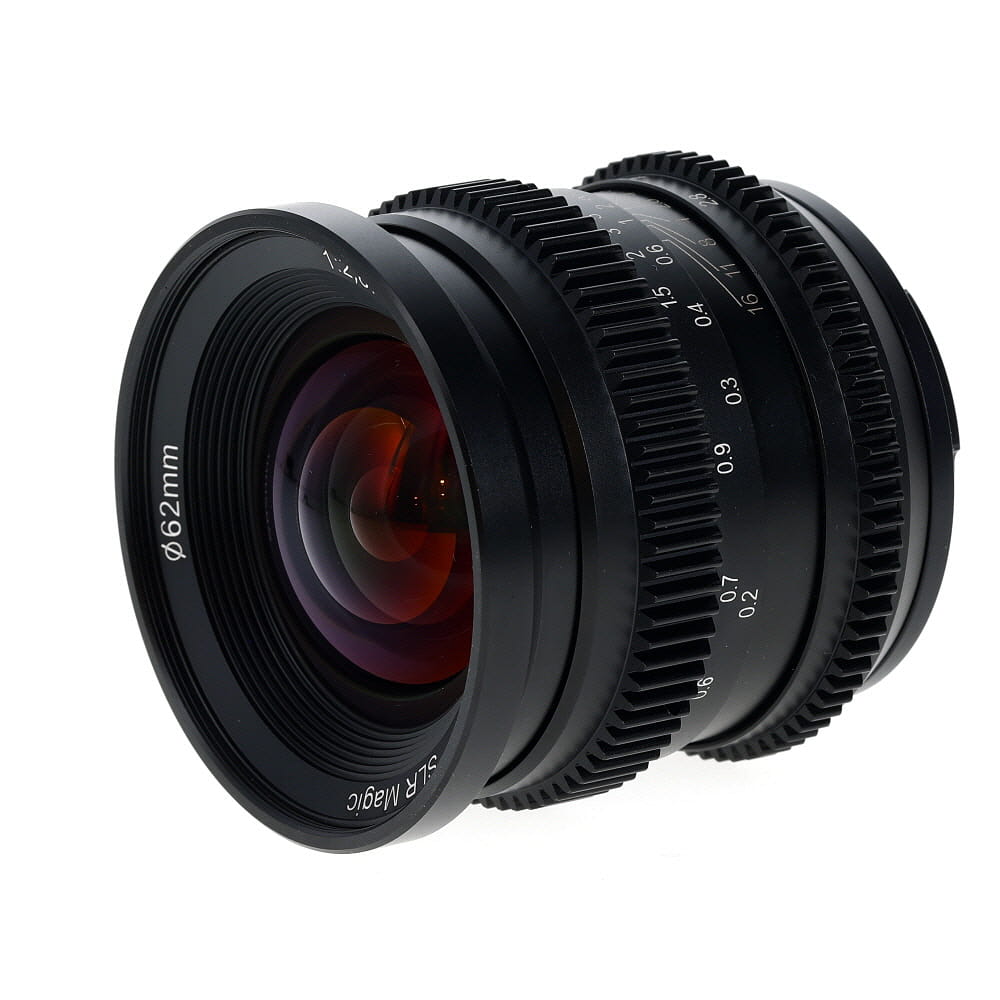
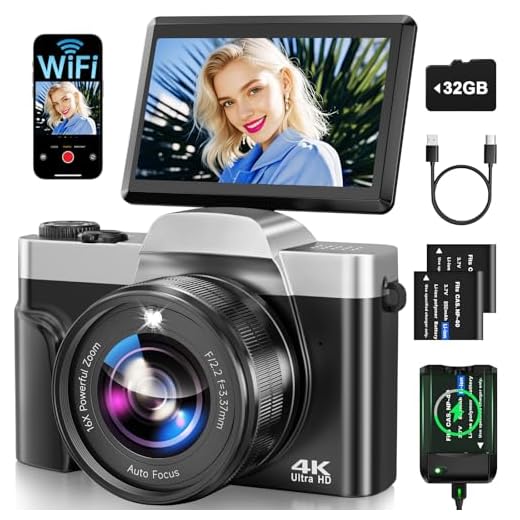
If you are new to the world of digital photography, learning how to use a DSLR camera can seem daunting. However, with the right knowledge and techniques, you can elevate your photography skills and create captivating images.
From understanding the basics of exposure and composition to mastering manual settings, this guide will help you navigate the intricate world of DSLR photography and take your pictures to the next level.
Choosing the Right Camera Model
When selecting a digital SLR camera, it’s important to consider your photography needs and budget. There are various camera models available on the market, each offering different features and capabilities.
Consider Your Skill Level
If you’re a beginner, you may want to start with a basic entry-level DSLR camera that is easy to use and offers automatic shooting modes. More advanced photographers may prefer a camera with manual controls and customizable settings.
Features to Look For
Some key features to consider when choosing a camera include the sensor size, resolution, autofocus system, ISO range, and shooting speed. Additionally, consider the brand reputation, lens compatibility, and overall build quality of the camera.

Understanding Camera Settings
One of the key aspects of taking great photos with a digital SLR camera is understanding and mastering the different camera settings. These settings allow you to control various aspects of your image, such as exposure, focus, and white balance.
Exposure Settings
Exposure settings, including aperture, shutter speed, and ISO, play a crucial role in determining how your photos will turn out. Aperture controls the amount of light entering the camera, shutter speed determines how long the sensor is exposed to light, and ISO affects the camera’s sensitivity to light.
Focus Settings
Understanding focus settings is essential for capturing sharp and clear images. You can choose between manual and autofocus modes to ensure your subject is in focus. Additionally, you can adjust the focus point to control which part of the image is sharp.
Mastering Exposure and Aperture
One of the key elements in taking great photos with a digital SLR camera is mastering exposure and aperture settings. Exposure refers to the amount of light that reaches the camera sensor, while aperture controls the amount of light that passes through the lens.
Understanding Exposure
Proper exposure is crucial for capturing well-balanced and sharp images. To achieve the correct exposure, you need to adjust the camera’s settings, such as ISO, shutter speed, and aperture. The exposure triangle, consisting of these three elements, helps you find the right balance for your shot.
Controlling Aperture
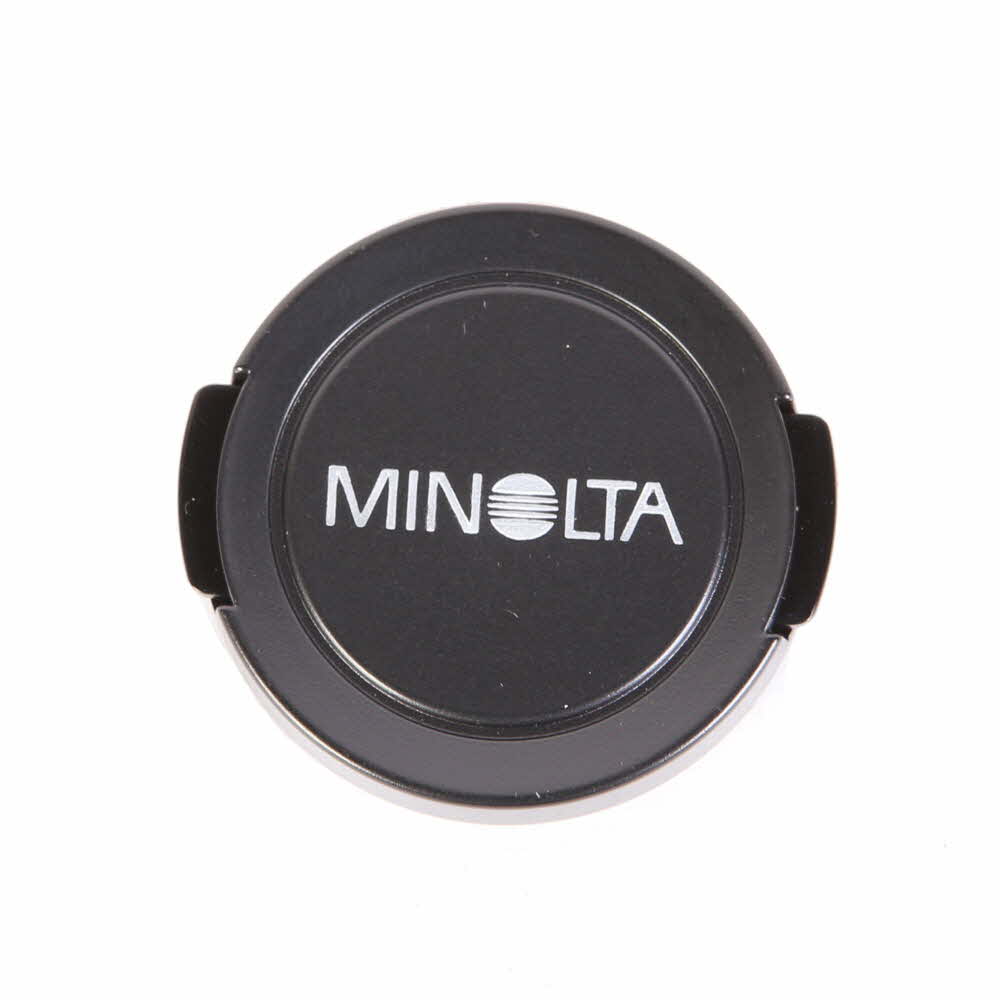
Aperture, measured in f-stops, determines the size of the opening in the lens that allows light to pass through. A lower f-stop (e.g., f/2.8) results in a larger aperture, letting in more light and creating a shallower depth of field. Conversely, a higher f-stop (e.g., f/16) produces a smaller aperture, resulting in a greater depth of field.
Using Different Lenses for Creativity
One of the great advantages of using a digital SLR camera is the ability to change lenses, allowing for a wide range of creative possibilities. Different lenses can produce different effects, so it’s important to experiment with various types to see what works best for your photography style.
Wide-angle lenses are great for capturing landscapes and architecture, as they can fit more into the frame and create a sense of depth. On the other hand, telephoto lenses are ideal for wildlife and sports photography, allowing you to zoom in on distant subjects.
Macro lenses are perfect for close-up shots, capturing intricate details and textures. They are often used for photographing flowers, insects, and other small subjects. Meanwhile, prime lenses have a fixed focal length and are known for their sharpness and low-light performance.
By experimenting with different lenses, you can add variety to your photography and explore new creative possibilities. Don’t be afraid to step out of your comfort zone and try new things – you may be surprised by the results!

Composition Techniques for Stunning Shots
Composition is key to capturing stunning shots with your digital SLR camera. Here are some techniques to help you create visually appealing photographs:
Rule of Thirds: Divide your frame into a 3×3 grid and place your subject on one of the intersecting points to create a more balanced composition.
Leading Lines: Use lines in your scene (such as roads, fences, or buildings) to lead the viewer’s eye towards the main subject of your photo.
Fill the Frame: Get close to your subject and fill the frame with it to create a more impactful image with no distractions.
Foreground Interest: Include objects in the foreground to add depth and dimension to your photos.

Negative Space: Use empty space around your subject to draw attention to the main focal point.
Frame Within a Frame: Use elements in your scene (like doorways or windows) to frame your subject and create a more dynamic composition.
Experiment with these composition techniques to take your photography to the next level and create stunning shots with your digital SLR camera.
Post-Processing Tips for Professional Results
After capturing your images with a digital SLR camera, the next step is post-processing to enhance the final results. Here are some tips for achieving professional-looking photos:
1. Use RAW Format
Shoot in RAW format rather than JPEG to have more flexibility and control over the editing process. RAW files contain more data and allow for better adjustments without losing image quality.
2. Adjust White Balance
Correct the white balance in your photos to ensure accurate colors. Use the white balance settings in your editing software or adjust it manually to achieve the desired color temperature.
- Experiment with different white balance presets
- Fine-tune the white balance using a color temperature slider
By mastering post-processing techniques, you can elevate your digital SLR photography to a professional level and produce stunning results.
Sharing Your Photos Online
Once you have taken amazing photos with your digital SLR camera, you’ll want to share them with the world. The best way to do this is by uploading them to popular photo-sharing websites like Flickr, Instagram, or 500px. These platforms allow you to create an online portfolio of your work and connect with other photographers and photography enthusiasts.
Before you upload your photos, make sure to resize them to a web-friendly resolution and add any necessary metadata such as copyright information or captions. This will help protect your work and make it more searchable for others to discover.
Continuous Learning and Improvement
Continuous learning is crucial for improving your photography skills with a digital SLR camera. Stay updated on the latest photography techniques, equipment, and trends by reading books, attending workshops, and following photography blogs and websites. Experiment with different settings and shooting styles to expand your knowledge and creativity.
Continuous improvement involves analyzing your photos critically, seeking feedback from other photographers, and learning from your mistakes. Take the time to review your images regularly and identify areas where you can improve. Practice regularly and challenge yourself to try new techniques to enhance your photography skills.
FAQ
What are the advantages of using a digital SLR camera for photography?
Using a digital SLR camera offers several advantages, such as the ability to change lenses for different types of photography, manual controls for adjusting settings like aperture and shutter speed, and the option to shoot in RAW format for higher quality images that can be edited more extensively.
Can you provide some tips for taking better pictures with a digital SLR camera?
To improve your photography with a digital SLR camera, consider learning about composition techniques, mastering manual settings like aperture and shutter speed, using a tripod for stability, experimenting with different lighting conditions, and practicing regularly to develop your skills and creativity.



I don't think using a tripod is essential for every shot. Sometimes, a steady hand can do the trick, especially for quick snapshots.
I get your point, but I find using a tripod helps me frame my shots better and avoids any blur.
Both approaches have merit! While a steady hand can work for some, tripods are invaluable for long exposures and low-light conditions.
I'm just starting with DSLR photography. How do I choose the right camera model for a beginner?
The Rule of Thirds is an awesome tip! It really does help with composition. I try to apply it to every photo I take now.
I recently bought a Canon DSLR, and I have to say, understanding the exposure triangle was a game-changer for me. Once I got the hang of adjusting ISO, shutter speed, and aperture, my photos improved dramatically. I recommend practicing in different lighting conditions to see how these settings affect your shots.
What exactly is the difference between RAW and JPEG formats? Why should I shoot in RAW?