
 Carmen J. Moore

Have you ever wondered how to capture the beauty of the underwater world with your digital camera? Underwater photography is a fascinating and challenging art form that allows you to document the wonders of the ocean and its inhabitants. Whether you’re a beginner or an experienced photographer, taking pictures underwater requires a different set of skills and techniques than shooting on land.

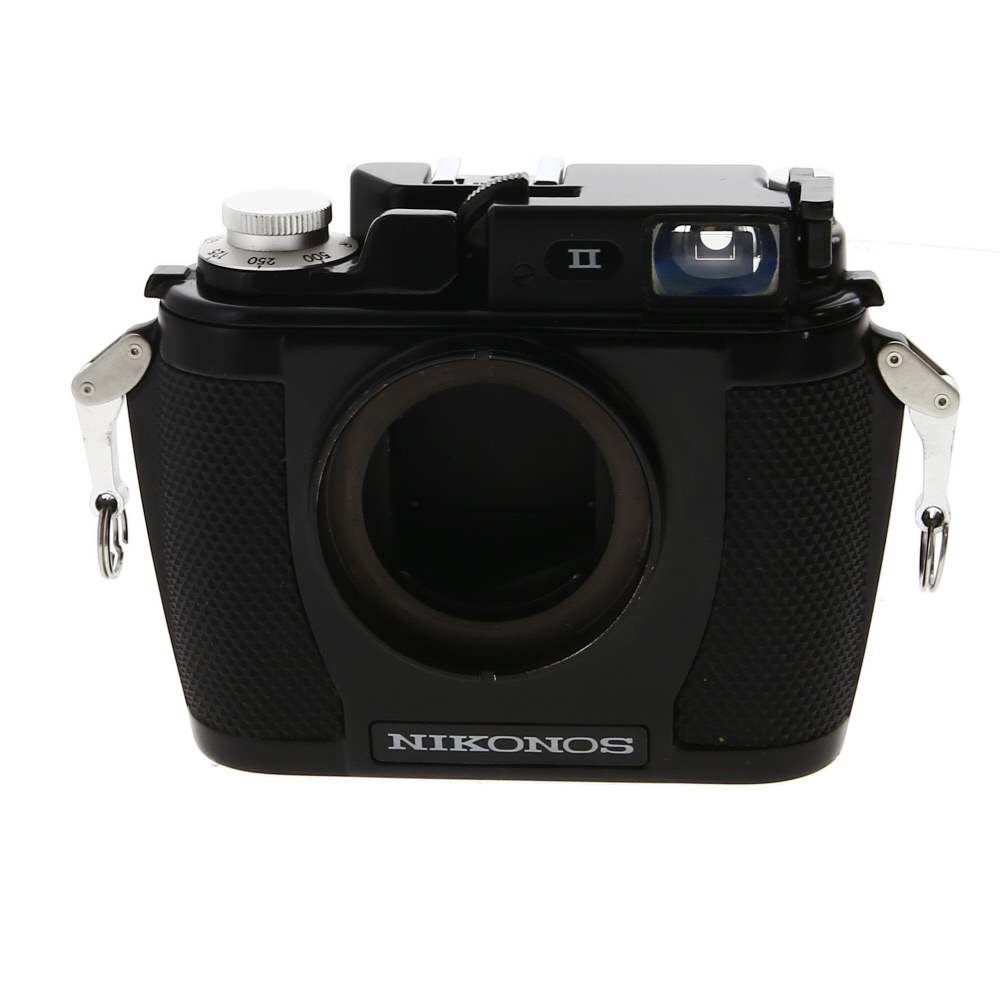
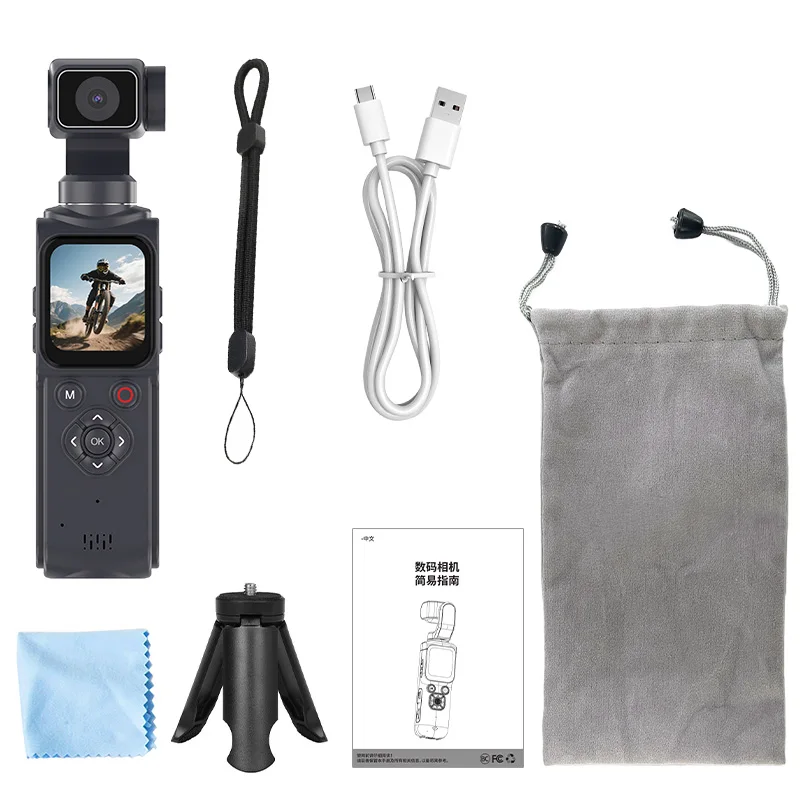

In this comprehensive guide, we will walk you through the essential tips and tricks for mastering underwater photography with a digital camera. From selecting the right equipment to understanding lighting and composition, we will cover everything you need to know to create stunning underwater images that will leave a lasting impression.
Essential tips for taking underwater photos with your digital camera
1. Use a waterproof housing: Make sure your digital camera is properly protected in a waterproof housing designed for underwater use. This will prevent water damage and allow you to capture clear images.
2. Adjust white balance: Underwater photography can result in blue or green tinted images due to the water’s color. Adjust the white balance settings on your camera to correct the color and achieve more natural-looking photos.
3. Get close to your subject: Water can reduce visibility, so it’s important to get as close as possible to your subject to capture sharp and detailed photos. Use the zoom function on your camera if needed.
4. Use natural light: Take advantage of natural light when shooting underwater photos. Try to shoot during the day when the sunlight can penetrate the water and illuminate your subject for better results.

5. Avoid using the camera flash: The camera flash can create backscatter in underwater photos, which are unwanted reflections caused by particles in the water. Instead, rely on natural light or external underwater strobes for better lighting.
6. Experiment with angles: Explore different angles and perspectives to capture unique and interesting underwater shots. Try shooting from below, above, or at eye level to add variety to your photos.
7. Practice makes perfect: Underwater photography requires practice and patience. Take the time to familiarize yourself with your camera settings and techniques to improve your skills and capture stunning underwater images.
Choosing the right underwater camera for your needs
When selecting an underwater camera, there are several factors to consider to ensure you get the best device for your needs. Here are some key points to keep in mind:
| 1. Waterproof Rating: | Make sure the camera you choose has an adequate waterproof rating for the depths you plan to dive. Look for cameras that are waterproof up to at least 30 feet for basic underwater photography. |
| 2. Megapixels: | Consider the resolution of the camera. Higher megapixels will result in sharper images, but may also mean larger file sizes. Choose a balance that suits your needs. |
| 3. Durability: | Look for a camera that is built to withstand the rigors of underwater use. Opt for models that are shockproof, freezeproof, and dustproof for added durability. |
| 4. Size and Weight: | Consider the size and weight of the camera, especially if you plan to travel with it. Compact and lightweight models are ideal for underwater photography on the go. |
| 5. Special Features: | Look for cameras with special underwater shooting modes, such as color correction or underwater white balance, to help you capture vibrant and accurate images below the surface. |
Understanding the basics of underwater photography equipment
Before diving into underwater photography, it’s important to understand the essential equipment you’ll need to capture stunning images beneath the surface. Here are the key components to consider:
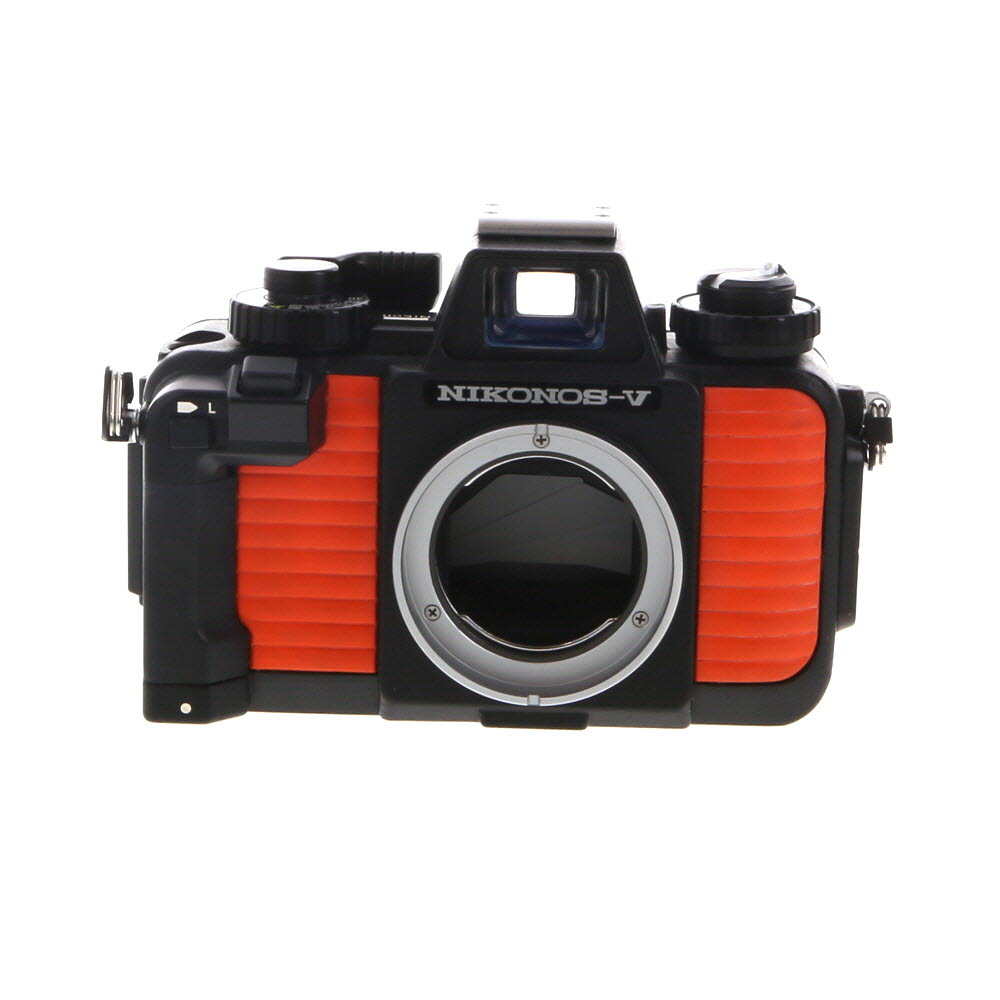
1. Underwater Camera
The most crucial piece of equipment for underwater photography is, of course, the underwater camera. Make sure to choose a digital camera that is specifically designed for underwater use, as it needs to be waterproof and able to withstand the pressure at various depths.
2. Underwater Housing
To protect your digital camera from water damage, you’ll need an underwater housing. This specialized case seals your camera and allows you to operate it underwater while maintaining access to all essential controls. Ensure the housing is compatible with your camera model for a secure fit.
By understanding the basics of underwater photography equipment, you’ll be better prepared to capture breathtaking images during your underwater adventures.
Preparing your camera for underwater use
Before taking your digital camera underwater, it is important to properly prepare it to ensure it functions correctly and is protected from water damage. Here are some steps to prepare your camera for underwater use:
| 1. Check the seals: | Make sure all the seals and gaskets on your camera housing are clean, intact, and free from debris. This will help prevent water from leaking into the housing. |
| 2. Test the housing: | Before submerging your camera, conduct a test by placing a dry tissue inside the housing and submerging it in a sink or bucket of water. Check for any signs of water leakage. |
| 3. Secure the camera: | Ensure your camera is securely fastened inside the housing to prevent it from moving around while underwater. This will also help protect it from accidental bumps or knocks. |
| 4. Set up the camera settings: | Adjust the camera settings such as white balance, ISO, and exposure for underwater photography. Some cameras may have specific underwater modes that you can use. |
| 5. Attach a wrist or neck strap: | Attach a wrist or neck strap to your camera housing to prevent accidental drops while underwater. This will also make it easier to keep track of your camera during dives. |
Tips for capturing stunning underwater images
When taking pictures underwater with a digital camera, there are some tips and techniques that can help you capture stunning images. Here are some key tips to keep in mind:

| 1. Use natural light: | Take advantage of natural light in the water to enhance the colors and details in your photos. Avoid using the camera’s flash as it can cause backscatter and distort the image. |
| 2. Get close to your subject: | To capture clear and detailed images, get as close as possible to your subject without disturbing them. This will help reduce the amount of water between the camera and the subject, resulting in sharper images. |
| 3. Use a fast shutter speed: | Underwater photography often requires a fast shutter speed to freeze the motion of the subject and minimize blurriness. Experiment with different shutter speeds to find the optimal setting for your shots. |
| 4. Adjust white balance: | Water absorbs different colors of light at different depths, leading to a blue or green tint in your photos. Adjust the white balance setting on your camera to correct the color cast and produce more natural-looking images. |
| 5. Use a wide-angle lens: | A wide-angle lens can help you capture the expansive underwater scenery and create dramatic compositions. It also allows you to get closer to your subject while still fitting everything into the frame. |
Dealing with lighting challenges underwater
One of the biggest challenges when taking pictures underwater is dealing with the lighting conditions. Water absorbs and scatters light, which can result in poor visibility and color distortion in your photos.
1. Use natural light: Whenever possible, try to use natural light for your underwater photos. The best time to take pictures is during the middle of the day when the sun is directly overhead, providing the most light penetration through the water.
2. Get close to your subject: By getting close to your subject, you can reduce the amount of water between your camera and the subject, resulting in clearer and more vibrant photos.
3. Use a flash or strobe: If natural light is not enough, consider using a flash or strobe to illuminate your subject. This will help bring out the colors and details in your photos.
4. Adjust your white balance: Underwater photography often results in a blue or green color cast due to the water’s filtering effect. Adjusting your camera’s white balance settings can help correct this and produce more natural-looking colors.

5. Experiment with different angles: Try shooting from different angles to find the best lighting conditions for your underwater photos. Sometimes a slight change in position can make a big difference in the overall quality of your images.
Editing and enhancing your underwater photos
Once you have captured stunning underwater photos with your digital camera, the next step is to edit and enhance them to make them even more visually appealing. Here are some tips on how to edit your underwater photos:
1. Adjusting the color balance
Underwater photos often have a blue or green tint due to the water’s color. Use photo editing software to adjust the color balance and remove the unwanted tint. Experiment with the color temperature and tint sliders to achieve a more natural look.
2. Enhancing contrast and clarity
To make your underwater photos pop, enhance the contrast and clarity. Increase the contrast to make the colors more vibrant and the details sharper. Use the clarity slider to add more definition to your subjects and make them stand out.
| Editing Tip | Description |
|---|---|
| Remove backscatter | If your underwater photos have backscatter (tiny particles in the water that appear as white dots), use the healing brush tool to remove them. |
| Adjust exposure | Modify the exposure settings to brighten or darken your underwater photos as needed. |
| Sharpen the image | Use the sharpening tool to enhance the details and make your underwater photos look crisp. |
Sharing your underwater photography adventures with the world
Once you have captured stunning underwater photos with your digital camera, it’s time to share your adventures with the world. Here are some tips to help you showcase your underwater photography:
1. Create a dedicated online portfolio
Consider creating a website or using platforms like Instagram, Flickr, or Pinterest to showcase your underwater photography. Organize your photos into albums or categories to make it easier for viewers to navigate through your work.
2. Engage with the underwater photography community
Join online forums, social media groups, or photography clubs dedicated to underwater photography. Share your work, ask for feedback, and learn from other photographers to improve your skills and expand your network.
By actively sharing your underwater photography adventures, you can inspire others to explore the beauty of the underwater world and connect with like-minded individuals who share your passion for capturing the magic beneath the waves.
FAQ
What equipment do I need to take pictures underwater with a digital camera?
To take pictures underwater with a digital camera, you will need a waterproof camera or a waterproof housing for your existing camera. Additionally, you may need underwater lighting equipment, a camera tray and handles for stability, and a wrist or neck strap to secure your camera while diving.
How can I protect my digital camera from water damage while taking underwater photos?
To protect your digital camera from water damage while taking underwater photos, make sure to use a waterproof camera housing or a camera specifically designed for underwater use. Always check the seals and O-rings on the housing before diving and avoid opening the housing while underwater. Rinse your camera with fresh water after each dive to remove any salt or debris.

What are some tips for getting clear and sharp underwater photos with a digital camera?
To get clear and sharp underwater photos with a digital camera, make sure to use proper lighting, as light behaves differently underwater. Use a strobe or external light source to illuminate your subject. Get close to your subject to minimize the amount of water between your camera and the subject. Use a fast shutter speed to freeze motion and a narrow aperture for greater depth of field.
Can I use a regular digital camera for underwater photography?
Yes, you can use a regular digital camera for underwater photography by placing it in a waterproof housing designed for your specific camera model. Make sure to check the depth rating of the housing to ensure it is suitable for the depths you will be diving. Investing in a quality housing can allow you to take stunning underwater photos with your existing camera.
Are there any specific settings I should use on my digital camera for underwater photography?
When taking pictures underwater with a digital camera, consider using manual white balance to adjust for the different color temperatures underwater. Set your camera to a lower ISO to reduce noise in your photos. Experiment with different aperture settings to control the depth of field and use the appropriate white balance setting to capture the true colors of the underwater environment.


Don't forget to practice with your camera settings on land before taking it underwater! It makes a big difference.
I recently tried underwater photography with my compact camera and found it super challenging! I noticed that getting close to my subjects really helped, but I struggled with lighting. I ended up with a lot of blue-tinted images. I wish I had adjusted the white balance before diving in!
How do the underwater photo capabilities of mirrorless cameras compare to point-and-shoot cameras? Is it worth investing in a mirrorless setup for underwater photography?
I disagree with the advice to avoid using a flash altogether. In some cases, a flash can really enhance the colors and details of underwater shots if used correctly. It’s all about the situation you’re in.
That's a valid point! While flash can create backscatter, using it with proper technique can indeed improve lighting in certain situations. It's all about experimenting to find what works best for your specific conditions.
What kind of waterproof housing do you recommend for a beginner's digital camera? Are there specific brands that are better than others?