
 Carmen J. Moore

Are you tired of blurry, grainy night photos that never seem to capture the beauty of the night sky? Taking good night pictures with a digital camera can be challenging, but with the right techniques and equipment, you can capture stunning images that will amaze your friends and family.
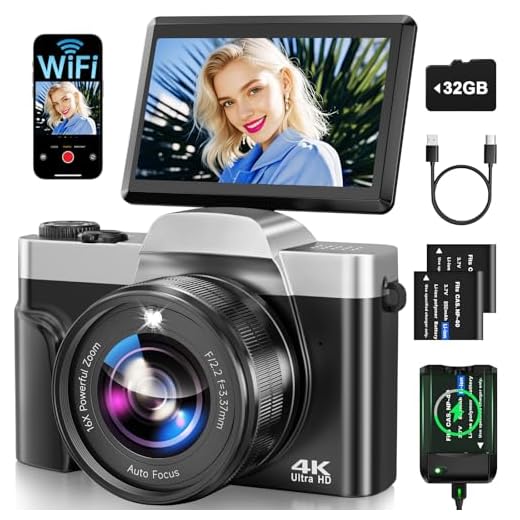

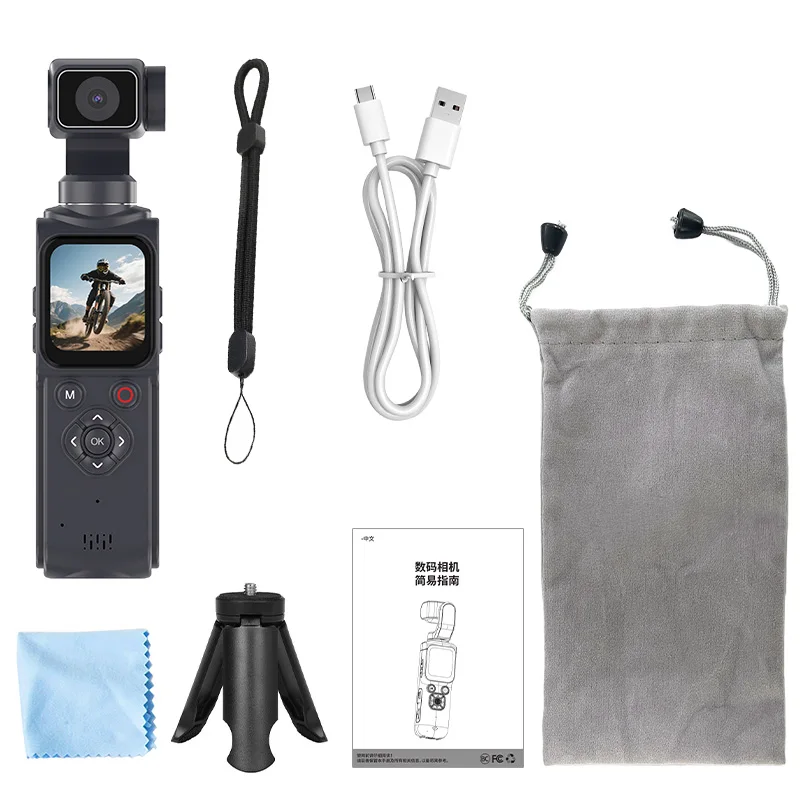

In this article, we’ll explore some tips and tricks to help you improve your night photography skills and take breathtaking pictures after the sun goes down. From choosing the right camera settings to using a tripod for stability, we’ll cover everything you need to know to capture the magic of the night.
Mastering Night Photography
Mastering night photography requires a good understanding of your camera’s settings and the environment you are shooting in. Here are some tips to help you take stunning night pictures:
1. Use a tripod to keep your camera steady and prevent blurry images.
2. Adjust your camera’s ISO to a higher setting to capture more light in low-light conditions.
3. Experiment with different shutter speeds to achieve the desired effect, whether it’s capturing light trails or star trails.

4. Consider using manual focus to ensure your subject is sharp in night shots.
5. Take advantage of long exposure techniques to capture the beauty of the night sky or city lights.
By mastering these techniques and practicing regularly, you can improve your night photography skills and capture stunning images even in low-light conditions.
Understanding Camera Settings
When taking night pictures with a digital camera, it’s important to understand the various settings that can affect the outcome of your shots. Here are some key settings to consider:
1. ISO
ISO determines the sensitivity of your camera’s sensor to light. In low light situations, you may need to increase the ISO to capture more light, but be careful not to set it too high as this can result in noisy or grainy images.

2. Shutter Speed
Shutter speed controls how long the shutter remains open to capture light. In low light conditions, you may need to use a slower shutter speed to allow more light in, but be wary of camera shake. Consider using a tripod to keep your camera steady.
| Setting | Recommended Range |
|---|---|
| ISO | 100-800 for low light |
| Shutter Speed | 1/30 sec or slower for night shots |
Using a Tripod for Stability
One of the key factors in capturing good night pictures with a digital camera is stability. Even the slightest movement can result in blurry images, especially in low light conditions. Using a tripod is essential to ensure your camera remains steady during long exposure shots.
Benefits of Using a Tripod
Here are a few benefits of using a tripod for night photography:
| 1. Stability: | A tripod provides a stable platform for your camera, reducing the risk of camera shake and producing sharper images. |
| 2. Long Exposure Shots: | For night photography, long exposure shots are often necessary to capture the available light. A tripod allows you to keep the camera steady for extended periods. |
| 3. Composition: | Using a tripod allows you to frame your shot precisely and make fine adjustments without the risk of blurring the image. |
Investing in a good quality tripod is worth it if you are serious about capturing stunning night pictures with your digital camera.
Adjusting ISO and Aperture
ISO: Adjusting the ISO setting on your digital camera can greatly impact the quality of your night photos. A higher ISO setting allows for more light to be captured, but it can also introduce more noise into your images. Experiment with different ISO settings to find the right balance between brightness and noise for your night shots.
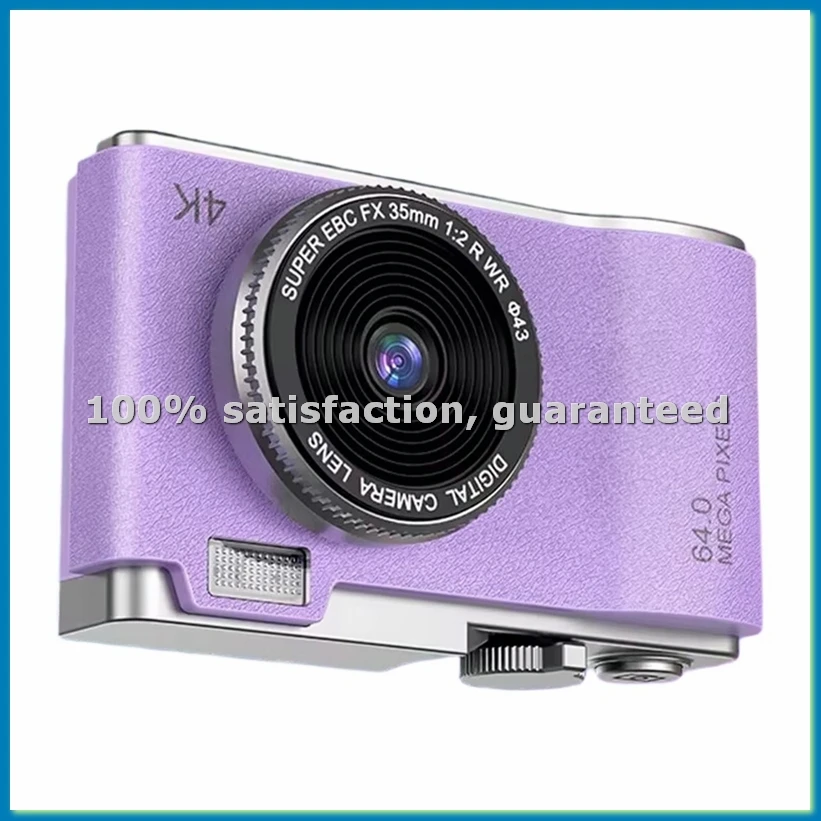
Aperture: The aperture setting controls the amount of light that enters the camera. For night photography, you’ll want to use a wider aperture (lower f-stop number) to let in more light. Keep in mind that a wider aperture will result in a shallower depth of field, so you may need to adjust your focus accordingly. Play around with different aperture settings to achieve the desired effect in your night pictures.
Perfecting White Balance
White balance is crucial for capturing accurate colors in your night photos. Adjusting the white balance setting on your digital camera can make a significant difference in the outcome of your images. To achieve the perfect white balance, consider the lighting conditions of your surroundings. For example, if you’re shooting under streetlights or neon signs, your camera’s auto white balance may not be able to capture the true colors of the scene. In such cases, manually adjusting the white balance to match the type of lighting can help you achieve more realistic and vibrant colors in your night pictures.
Experimenting with Long Exposure
One technique to capture stunning night pictures is to experiment with long exposure settings on your digital camera. Long exposure allows more light to enter the camera sensor over an extended period, resulting in brighter and more detailed images.
Setting up your Camera
Start by selecting a sturdy surface or tripod to avoid camera shake during the long exposure. Set your camera to manual mode and adjust the shutter speed to a slower setting, typically between 10-30 seconds, depending on the desired effect.
Playing with Light Trails
Experiment with capturing light trails from moving vehicles or stars in the night sky by using long exposure. Set up your camera in a location with minimal light pollution and try different exposure times to achieve the desired effect.

Capturing Light Trails
One creative technique for taking good night pictures with a digital camera is capturing light trails. This involves photographing moving light sources, such as cars or bicycles, to create dynamic and visually interesting images.
Setting Up Your Camera
To capture light trails effectively, set your camera to a long exposure mode. This allows the sensor to gather light over a longer period, resulting in the streaking effect of the moving lights. Use a tripod to keep your camera steady during the long exposure.
Choosing the Right Location
Find a location with traffic or other sources of light movement, such as a busy street or a highway overpass. Experiment with different angles and perspectives to capture the light trails in a unique way.
Enhancing Night Photos in Post-Processing
After capturing your night photos, you can enhance them further in post-processing to make them even more stunning. Here are some techniques you can use:
| 1. Adjust White Balance: | Correct the color temperature to make sure the colors in your night photos look natural and balanced. |
| 2. Increase Contrast: | Boosting the contrast can make the details in your night photos pop and create a more dynamic look. |
| 3. Reduce Noise: | Since night photos can often have more noise, use noise reduction tools to clean up the image and make it clearer. |
| 4. Enhance Sharpness: | Sharpening the details in your night photos can make them appear crisper and more defined. |
| 5. Adjust Exposure: | Fine-tune the exposure settings to ensure the overall brightness and darkness levels are balanced in your night photos. |
FAQ
What are some tips for taking good night pictures with a digital camera?
To take good night pictures with a digital camera, you should use a tripod to keep your camera steady, adjust your camera settings for low light conditions, use a longer exposure time, and avoid using the camera’s flash. Additionally, you can experiment with different angles and compositions to create unique night shots.
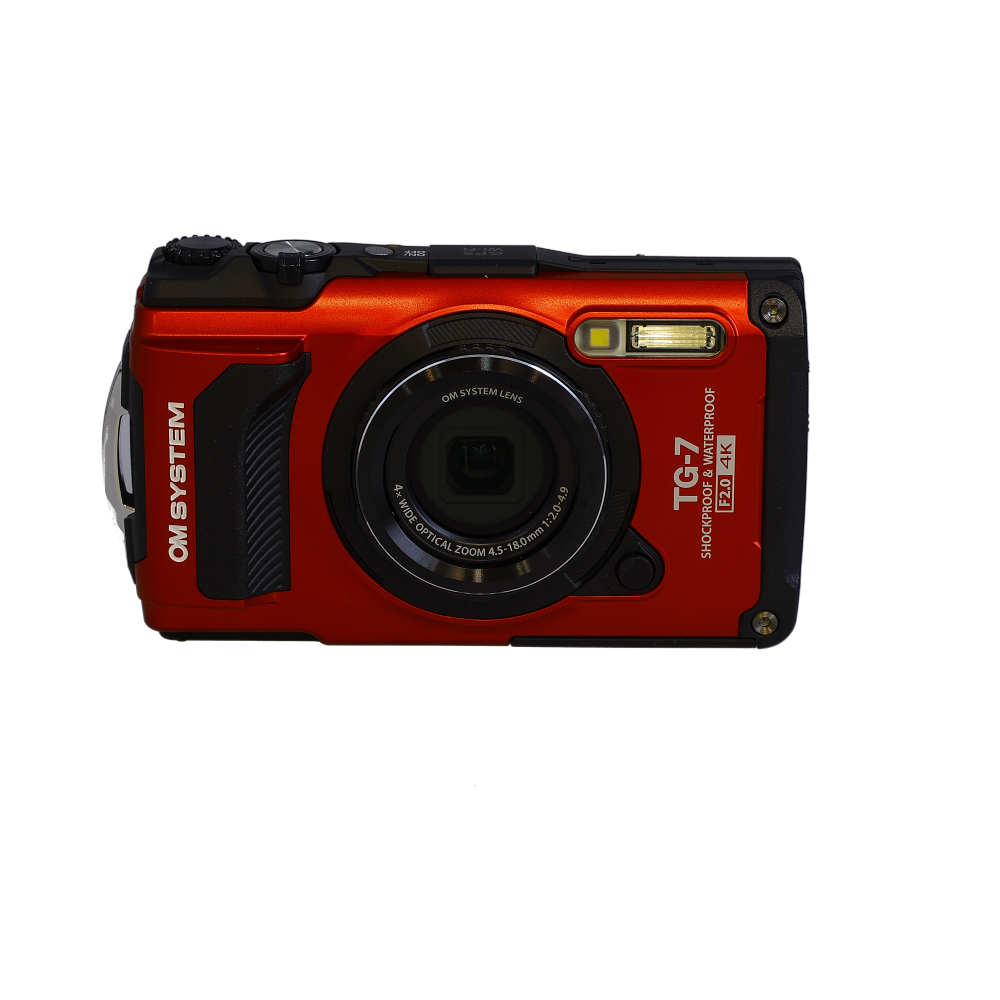
How can I reduce noise in my night pictures taken with a digital camera?
To reduce noise in your night pictures taken with a digital camera, you can use a lower ISO setting, which will result in less grainy images. You can also use noise reduction software or techniques during post-processing to improve the overall quality of your night shots. Additionally, capturing multiple exposures and blending them together can help reduce noise and improve the final image.


I tried using a tripod last weekend while shooting the skyline at night. The difference was incredible! I was able to capture shots that were crisp and clear. I also experimented with longer shutter speeds and got some cool light trails from cars. It really made my photos pop. Anyone else had success with this?
What ISO settings do you recommend for really dark environments? I often struggle with noise in my night shots.
Great question! For dark environments, starting at ISO 800 is a good baseline. If noise is an issue, try not to exceed ISO 1600, and consider using noise reduction during post-processing.
I've had good results with ISO 800, but it really depends on your camera. Some cameras handle noise better than others.
I find that using a flash can actually help in some night shots, especially when trying to capture subjects up close. I disagree with the idea that it should always be avoided.
That’s a fair point, but I think it can wash out the background. I prefer natural lighting for the ambiance.
Can you clarify how to manually adjust white balance for night photography? I usually just use auto settings.