
 Carmen J. Moore

Bokeh photography is a popular technique that involves capturing images with a beautifully blurred background. This effect can add a sense of depth and artistry to your photos, making them stand out from the crowd. While bokeh photography is often associated with high-end cameras and lenses, you can achieve stunning bokeh effects with a digital camera as well.
To capture a bokeh picture with a digital camera, you’ll need to pay attention to a few key factors. First, you’ll want to use a lens with a wide aperture, such as f/2.8 or lower, to create a shallow depth of field. This will help blur the background and make your subject stand out. Additionally, positioning your subject a good distance away from the background can enhance the bokeh effect.
Lighting is another important consideration when taking bokeh pictures. Soft, natural light is ideal for creating a dreamy bokeh effect, so try shooting outdoors or near a window. You can also experiment with using fairy lights or other small sources of light in the background to create a more dramatic bokeh effect.
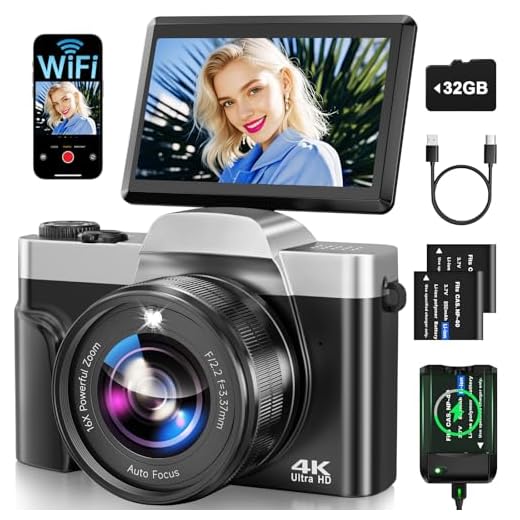
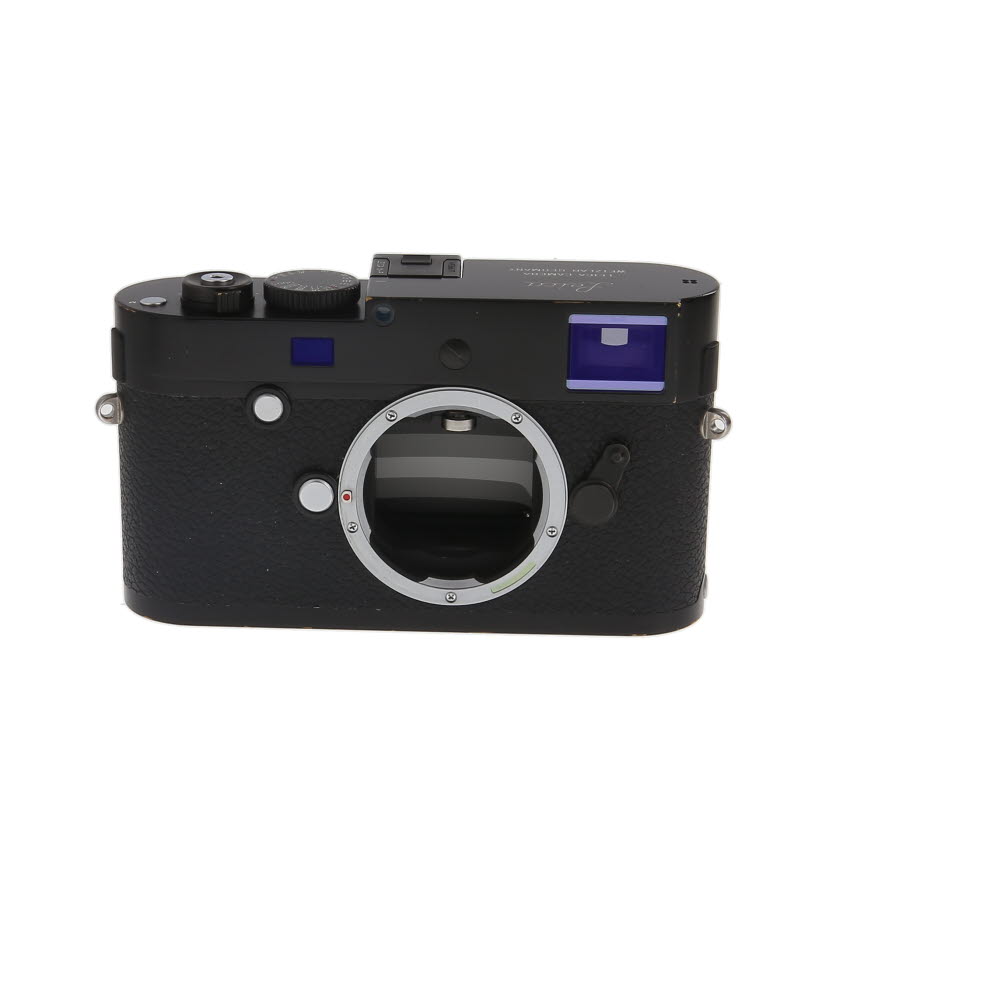
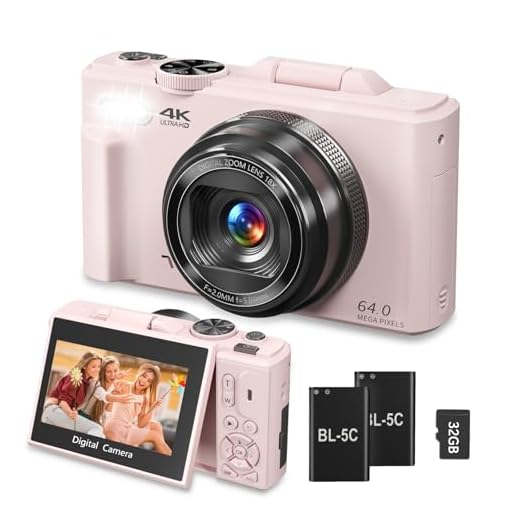
Mastering the Bokeh Effect
One of the key elements of creating a beautiful bokeh effect is understanding how to control the depth of field in your images. By adjusting the aperture settings on your digital camera, you can achieve a shallow depth of field that will blur the background and make your subject stand out.
Another important factor in mastering the bokeh effect is choosing the right lens. A lens with a wide maximum aperture, such as f/1.8 or f/2.8, will help you achieve a more pronounced bokeh effect. Prime lenses are often preferred for capturing bokeh due to their wider apertures.
When composing your shot, consider the distance between your subject and the background. The further away the background is, the more pronounced the bokeh effect will be. Experiment with different distances and compositions to achieve the desired effect.
Lastly, pay attention to the quality of light when capturing bokeh images. Soft, diffused light can enhance the bokeh effect and create a dreamy, ethereal look. Consider shooting during the golden hour or in overcast conditions for the best results.
| Tips for mastering the bokeh effect: |
| 1. Use a wide aperture |
| 2. Choose the right lens |
| 3. Control the distance between subject and background |
| 4. Pay attention to lighting conditions |
Understanding Bokeh Photography
Bokeh is a term used to describe the aesthetic quality of the out-of-focus areas in a photograph. It refers to the way the lens renders out-of-focus points of light and how they appear in the final image. Bokeh can add a sense of depth and dimension to a photograph, creating a beautiful and dreamy effect.

How Bokeh is Created
Bokeh is created by using a wide aperture setting on your camera lens. A wide aperture (such as f/1.8 or f/2.8) allows more light to enter the lens, resulting in a shallower depth of field. This means that objects in the foreground and background of your subject will be blurred, creating the bokeh effect.
Tip: To enhance the bokeh effect, try shooting your subject against a background with small points of light, such as city lights or Christmas decorations.
Choosing the Right Lens
When capturing bokeh images with a digital camera, the right lens can make all the difference. A lens with a wide aperture, such as f/1.8 or lower, is ideal for creating a shallow depth of field and achieving that beautiful bokeh effect. Prime lenses are often preferred for bokeh photography due to their wider apertures and ability to produce creamy, smooth bokeh.
Consider the focal length of the lens as well. A longer focal length, such as 85mm or 100mm, can further enhance the bokeh effect by compressing the background and isolating the subject. On the other hand, a wider focal length may not produce as strong of a bokeh effect but can still create interesting background blur.
Ultimately, the choice of lens depends on the desired outcome of your bokeh photography. Experiment with different lenses to see which one best suits your style and vision.
Adjusting Aperture Settings
One of the key factors in creating a bokeh effect is adjusting the aperture settings on your digital camera. The aperture controls the amount of light that enters the camera lens, as well as the depth of field in your photos. To achieve a beautiful bokeh effect, you’ll want to use a wide aperture setting (low f-stop number) to create a shallow depth of field. This will blur the background and make your subject stand out.
Experiment with different aperture settings to see how they affect the bokeh in your photos. Keep in mind that a wider aperture will produce a more pronounced bokeh effect, while a smaller aperture will result in a sharper background. Play around with the settings until you achieve the desired look for your bokeh shots.
| Aperture Setting | Bokeh Effect |
|---|---|
| Wide (low f-stop number) | Strong, blurred background |
| Narrow (high f-stop number) | Sharper background, less pronounced bokeh |
Focusing Techniques for Bokeh
When capturing a bokeh picture with your digital camera, focusing is crucial to achieving the desired effect. Here are some focusing techniques to help you create stunning bokeh images:
1. Use a wide aperture: To create a shallow depth of field and beautiful bokeh, set your camera to a wide aperture (low f-stop number).
2. Manual focus: Consider using manual focus to ensure that your subject is sharp and the background is beautifully blurred.
3. Focus on the nearest subject: If you want to emphasize a specific subject in the foreground, focus on the nearest object to create a pleasing bokeh effect in the background.
4. Use the focus-and-recompose technique: Focus on your subject, then recompose the shot to achieve the desired composition while maintaining the focus on the subject.
5. Experiment with different focusing points: Try focusing on different points within the frame to see how it affects the bokeh quality and overall composition of your image.
Using Background Elements
One way to enhance the bokeh effect in your photos is to incorporate interesting background elements. These elements can add depth and dimension to your image, making the bokeh stand out even more.
Look for backgrounds with contrasting colors or textures to create a striking bokeh effect. Experiment with different distances between your subject and the background to achieve varying levels of bokeh intensity.

Tips for using background elements:
- Choose backgrounds with interesting patterns or shapes to add visual interest to your bokeh shots.
- Position your subject in front of a background with a good amount of distance to create a more pronounced bokeh effect.
Lighting Tips for Bokeh
When shooting bokeh photos with a digital camera, proper lighting is key to achieving stunning results. Here are some tips to help you make the most of your lighting:
| 1. Use a Fast Lens: | Choose a lens with a wide aperture (such as f/1.8 or f/2.8) to allow more light in and create a shallower depth of field for better bokeh. |
| 2. Shoot in Low Light: | Low light conditions can help enhance the bokeh effect. Try shooting during the golden hour or in the evening when natural light is softer. |
| 3. Position the Light Source: | Place the light source behind your subject to create beautiful bokeh balls in the background. Experiment with different angles for unique effects. |
| 4. Use Bokeh Shapes: | Consider using a bokeh shape filter to create custom bokeh shapes. This can add a creative touch to your bokeh photos. |
| 5. Avoid Harsh Light: | Avoid harsh direct sunlight, as it can create distracting glare and shadows in your bokeh photos. Opt for soft, diffused light for a more pleasing result. |
Experimenting with Bokeh Shapes
One fun aspect of bokeh photography is experimenting with different shapes and patterns in the out-of-focus areas of your photos. You can achieve this by using a custom bokeh filter or cutting out shapes from black paper and attaching them to the front of your lens.
Custom Bokeh Filters
Custom bokeh filters are specially designed discs that you attach to your lens to create bokeh shapes. These filters come in various shapes and sizes, allowing you to create unique and creative bokeh effects in your photos. Simply attach the filter to your lens and adjust your focus to see the bokeh shapes appear in the background of your image.
DIY Bokeh Shapes
If you want to get even more creative, you can make your own custom bokeh shapes using black paper. Simply cut out a shape (such as a heart, star, or flower) from the paper and attach it to the front of your lens using tape or a rubber band. When you take a photo with the shape in front of your lens, the out-of-focus areas will appear as the shape you cut out, adding a unique and personal touch to your bokeh photography.
Editing Bokeh Photos
After capturing a stunning bokeh photo with your digital camera, the next step is to enhance it through editing. Here are some tips to help you make your bokeh photos even more captivating:
1. Adjust Contrast and Saturation
One way to make your bokeh photos pop is by adjusting the contrast and saturation levels. Increasing the contrast can make the bokeh lights stand out more, while boosting saturation can make the colors more vibrant and eye-catching.
2. Apply Filters
Experiment with different filters to add a creative touch to your bokeh photos. Filters can help enhance the mood and atmosphere of the image, giving it a unique and artistic look. Play around with black and white filters, vintage filters, or color overlays to see what works best for your photo.
FAQ
What is bokeh and why is it important in photography?
Bokeh refers to the aesthetic quality of the out-of-focus areas in a photograph. It is important in photography as it helps to create a visually pleasing background that enhances the main subject of the photo.
Can I achieve bokeh with any digital camera?
Yes, you can achieve bokeh with most digital cameras, especially those with larger apertures and the ability to control depth of field. However, cameras with larger sensors and faster lenses tend to produce more pronounced bokeh effects.
What settings should I use on my digital camera to capture a bokeh picture?
To capture a bokeh picture, set your camera to aperture priority mode (typically denoted as “A” on the mode dial) and choose a wide aperture (small f-stop number). Additionally, focus on a subject that is separate from the background to enhance the bokeh effect.

Are there any post-processing techniques to enhance bokeh in a digital photograph?
Yes, you can enhance bokeh in a digital photograph using photo editing software like Adobe Photoshop or Lightroom. Techniques such as increasing contrast, applying a blur filter, or using layer masks can help amplify the bokeh effect in your image.


I don't think you need an expensive lens to achieve good bokeh. I've had decent results with my basic zoom lens at f/4. It just takes practice and finding the right backgrounds.
That's a valid point! While wider apertures do help, creative composition and background choices can also yield impressive bokeh results.
Can you clarify how much distance between the subject and the background is ideal for a strong bokeh effect? Is there a general rule of thumb?
Great question! Generally, the greater the distance between your subject and the background, the stronger the bokeh effect will be. A distance of several feet is often recommended, but it can vary based on your lens and composition.
I recently tried using a 50mm f/1.8 lens for bokeh shots, and the results were fantastic! I found that shooting during the golden hour made the bokeh even softer and more dreamy. It's worth experimenting with different backgrounds too. I used string lights in the background for a festive touch, and it made a huge difference.
That sounds awesome! Did you find that manual focus was necessary to really capture the effect? I sometimes struggle with focusing on the subject while blurring the background.
Great article! I'm curious, what specific lens would you recommend for someone just starting with bokeh photography? I have a basic DSLR.
I've been experimenting with bokeh for a while now, and I found that using a lens with a f/1.8 aperture really makes a difference. The background blur is so much nicer than with my kit lens at f/3.5. Last weekend, I shot some flowers against the sunset, and the bokeh came out dreamy!
Thanks for sharing your experience! A lens with a wider aperture does indeed enhance the bokeh effect significantly. For flowers, shooting during the golden hour is a great choice.
Do you think it's necessary to invest in a bokeh filter, or can I achieve similar effects just by adjusting settings?
I always thought bokeh required expensive gear, but I’ve had success using my kit lens at f/4. It’s not as pronounced but still looks nice!
I disagree with the idea that you need a prime lens to achieve good bokeh. I've gotten decent results with my zoom lens set to its widest aperture. Sometimes it's more about technique than the lens.
I see your point, but I've noticed that prime lenses usually provide a smoother bokeh. It really depends on what look you're going for. Both can work!
What kind of lens do you recommend for beginners who want to try bokeh photography? Are there specific brands or models that work best?
Can you explain more about the difference between using manual focus versus auto focus for bokeh shots?
Sure! Manual focus allows you to precisely control which subject is in focus, helping you achieve the desired bokeh effect. Auto focus can sometimes miss the mark, especially in low light or busy backgrounds.