
 Carmen J. Moore

Are you tired of flat, two-dimensional photos and want to add a new dimension to your photography skills?
With the advancements in technology, taking 3D images with a digital camera is easier than ever before.
By following a few simple steps and utilizing the right techniques, you can capture stunning 3D images that will bring your photos to life.

Choosing the Right Camera
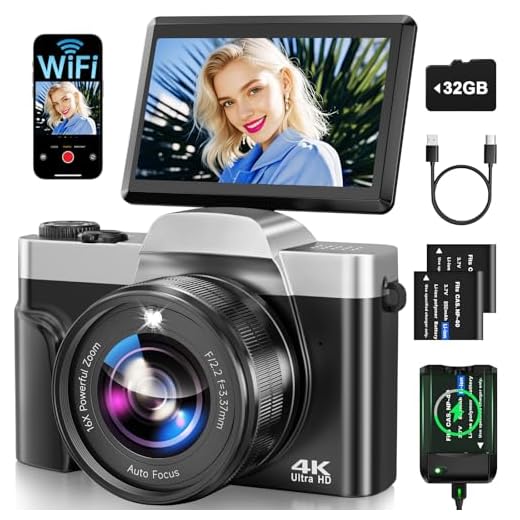
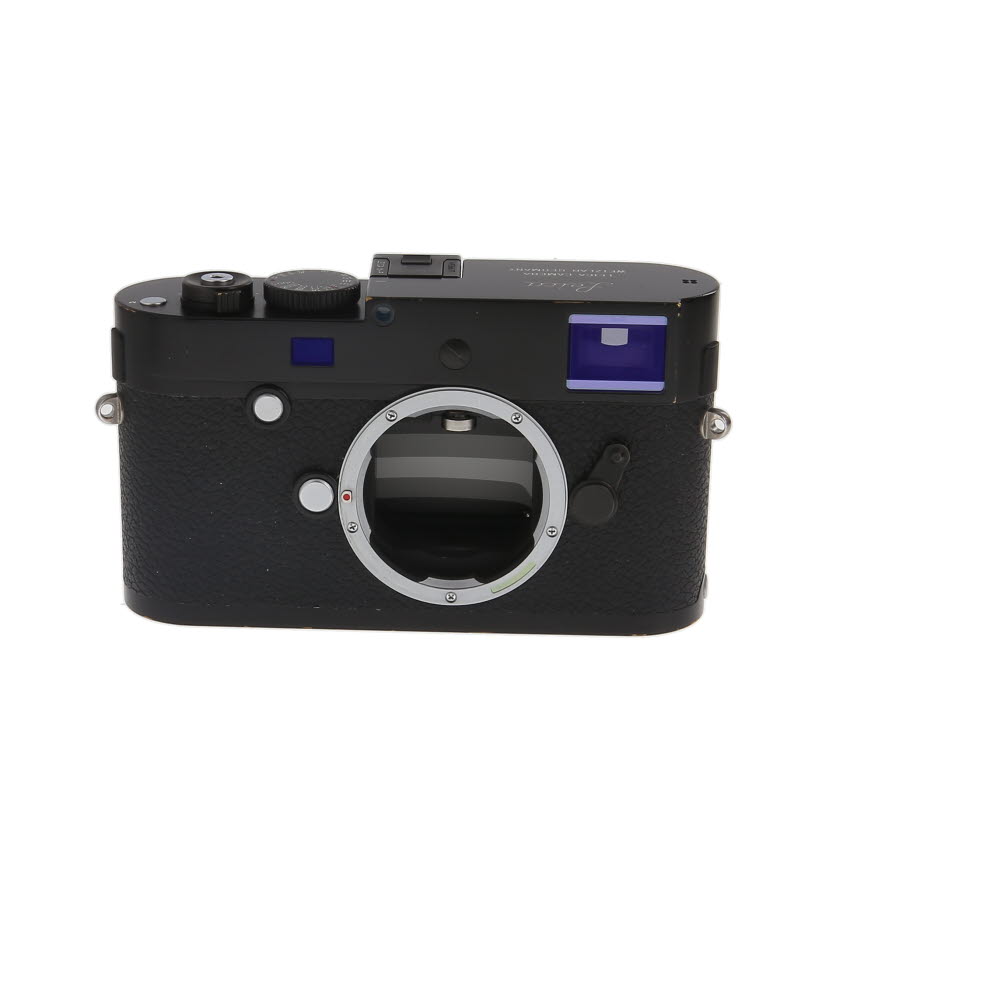
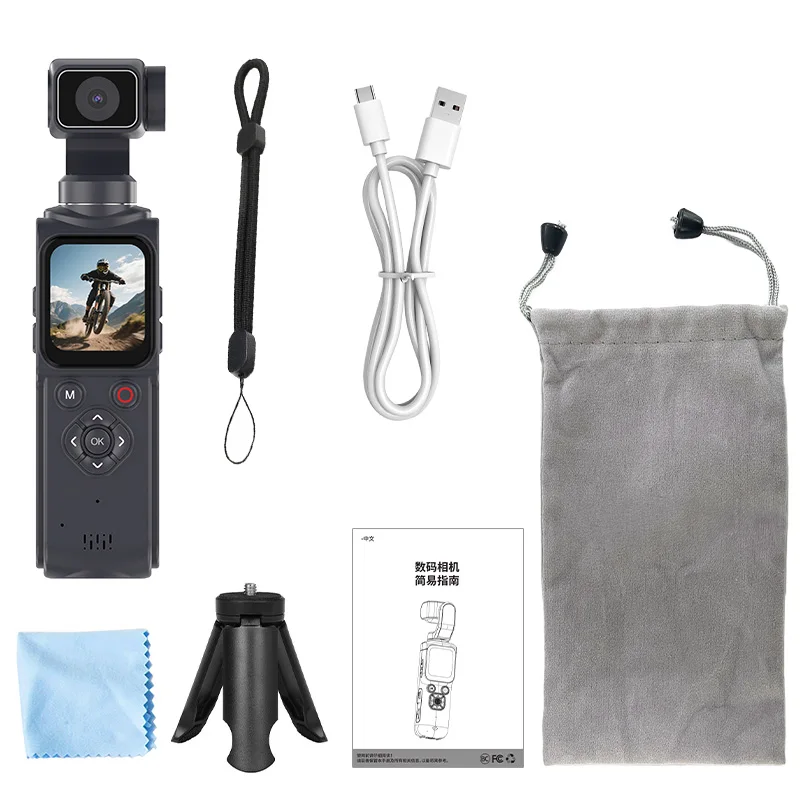
When it comes to capturing 3D images with a digital camera, choosing the right camera is crucial. Here are some factors to consider when selecting a camera for 3D photography:
- Image Quality: Look for a camera with high resolution and image quality to ensure sharp and detailed 3D images.
- Depth Sensing Technology: Consider cameras with depth sensing technology or dual lenses for better depth perception in 3D photos.
- Compatibility: Make sure the camera is compatible with 3D image capturing software and accessories for a seamless workflow.
- Portability: If you plan to take your camera on the go, opt for a lightweight and compact model for easy transportation.
- Budget: Set a budget for your camera purchase and choose a model that offers the best value for your money.
Understanding 3D Photography
3D photography, also known as stereoscopic photography, is a technique that captures images in a way that creates the illusion of depth. This is achieved by taking two slightly different images of the same subject from two different perspectives, mimicking how our eyes see the world in 3D.
How Does It Work?
To create a 3D image, a camera must capture two images that represent the left and right perspectives of the scene. These images are then combined or viewed together to create the illusion of depth. This process is called stereoscopy.
When viewing a 3D image, each eye sees a slightly different image, just like in real life. Our brain then combines these two perspectives to perceive depth and create a sense of three-dimensionality.
Types of 3D Photography
There are several techniques for capturing 3D images, including anaglyph, polarized, and autostereoscopic methods. Each method has its own advantages and limitations, but they all aim to create a realistic and immersive 3D experience for viewers.

Setting Up Your Shot
Before taking 3D images with your digital camera, it’s important to set up your shot properly to ensure the best results. Here are some tips to help you get started:
1. Choose a Subject
Decide on a subject for your 3D image. It could be a landscape, a person, a still life, or any other scene that you find interesting.
2. Consider Depth and Perspective
When setting up your shot, think about the depth and perspective of the scene. Try to create a sense of depth by including objects at different distances from the camera.
Pro Tip: Experiment with different angles and viewpoints to add interest to your 3D images.
Adjusting Camera Settings
Before capturing 3D images with your digital camera, it’s essential to adjust the settings to ensure optimal results. Here are some key settings to consider:
1. Select 3D Mode
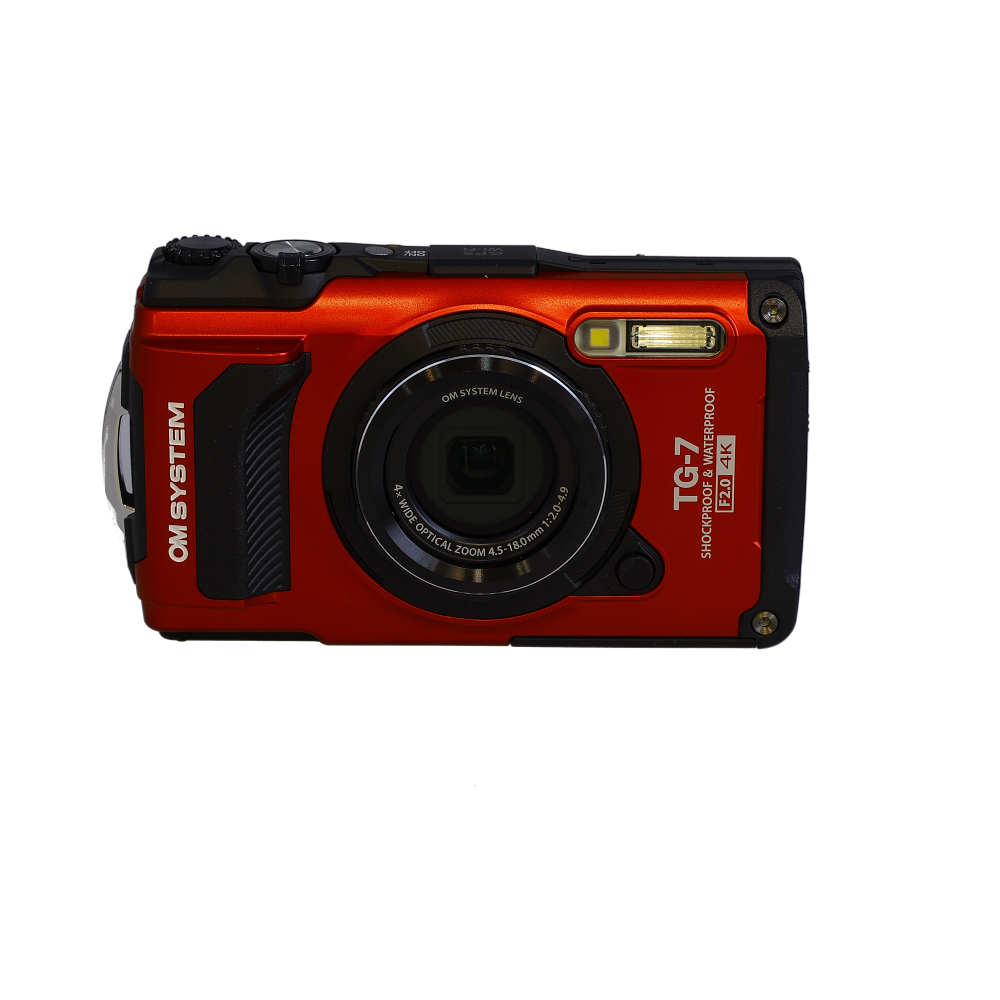
Make sure your camera is set to the 3D mode or dual lens mode if applicable. This mode allows the camera to capture two images simultaneously from two different perspectives to create a stereoscopic effect.
2. Adjust Depth of Field
Depending on the scene and desired effect, you may need to adjust the depth of field to control how much of the image appears in focus. A shallow depth of field can enhance the 3D effect by creating a sense of depth and dimension.
| Setting | Description |
| Aperture | Adjust the aperture to control the depth of field. A lower f-stop (wider aperture) creates a shallower depth of field. |
| Focal Length | Consider using a longer focal length to compress the depth and enhance the 3D effect. |
| Focus Point | Select the appropriate focus point to ensure the subject is sharp and well-defined within the 3D image. |
Taking the Perfect 3D Image
When capturing 3D images with your digital camera, there are a few key tips to keep in mind to ensure you get the best results.
1. Choose a subject that has depth and texture to make the 3D effect more pronounced.
2. Position yourself at the right distance from the subject to maintain the proper perspective.
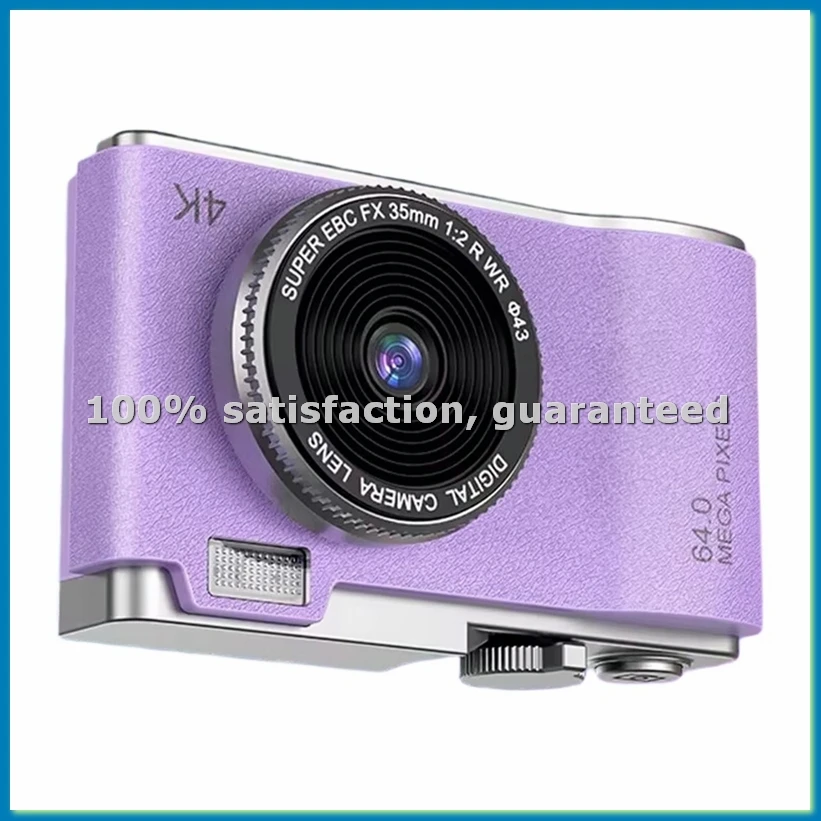
3. Use a tripod to keep your camera steady and avoid any blurriness in the final image.
4. Adjust the settings on your camera to optimize for 3D photography, such as adjusting the aperture and shutter speed.
5. Experiment with different angles and perspectives to find the most visually appealing 3D effect.
By following these tips, you can capture stunning 3D images with your digital camera that truly pop off the screen.
Editing and Enhancing Your Images
Once you have captured your 3D images with your digital camera, the next step is to edit and enhance them to make them even more stunning. There are several software programs available that can help you achieve this, such as Adobe Photoshop, GIMP, or even online tools like Canva.

Here are some basic editing techniques you can use to improve your 3D images:
| Adjust Brightness and Contrast: Enhance the overall look of your image by adjusting the brightness and contrast levels. |
| Crop and Resize: Remove unwanted elements from your image and resize it to fit your needs. |
| Add Filters: Apply different filters to give your image a unique look and feel. |
| Remove Distortions: Fix any distortions or imperfections in your image to make it look more professional. |
Experiment with different editing techniques to see what works best for your images and don’t be afraid to get creative!
Sharing Your 3D Images
Once you have captured stunning 3D images with your digital camera, you may want to share them with others. Sharing your 3D images can be a fun and exciting way to showcase your creativity and photography skills.
There are several ways you can share your 3D images:
| 1. Social Media: | Share your 3D images on popular social media platforms such as Facebook, Instagram, or Twitter. You can create albums or posts dedicated to your 3D photography to engage with your followers and receive feedback. |
| 2. Online Galleries: | Upload your 3D images to online photography galleries or websites like Flickr or 500px. These platforms allow you to showcase your work to a wider audience and connect with other photographers. |
| 3. 3D Viewing Devices: | If you have a 3D display or compatible virtual reality headset, you can share your 3D images in their full immersive glory. Invite friends and family to experience your 3D creations in a new and exciting way. |
| 4. Prints and Exhibitions: | Print your 3D images and display them in art shows, exhibitions, or galleries. This can be a great way to showcase your work in a physical space and attract potential clients or art enthusiasts. |
FAQ
What are the basic steps for taking 3D images with a digital camera?
To take 3D images with a digital camera, you first need to ensure that your camera has a 3D mode. Then, position your camera so that the subject is in the center of the frame. Make sure the subject is well-lit and in focus. Take two photos from slightly different angles to create a stereoscopic effect, which will give the illusion of depth when viewed together.
Can any digital camera be used to capture 3D images?
Not all digital cameras have the capability to capture 3D images. You will need a camera that specifically has a 3D mode or dual lenses to create the necessary stereoscopic effect. Make sure to check your camera’s specifications or manual to see if it supports 3D photography.
What are some tips for getting the best results when taking 3D images with a digital camera?
To get the best results when taking 3D images with a digital camera, ensure that your subject is well-lit and in focus. Try to avoid moving the camera between shots to maintain consistency in the angles. Experiment with different distances and angles to find the most effective 3D effect. Additionally, consider using a tripod to keep the camera steady and reduce blur.
Are there any specific settings or adjustments that need to be made on the camera for 3D photography?
When taking 3D images with a digital camera, you may need to adjust the camera settings to enable the 3D mode or select the appropriate shooting mode. Some cameras have a specific 3D setting that you can activate to help create the stereoscopic effect. Additionally, make sure to review your camera’s manual for any specific instructions related to 3D photography.
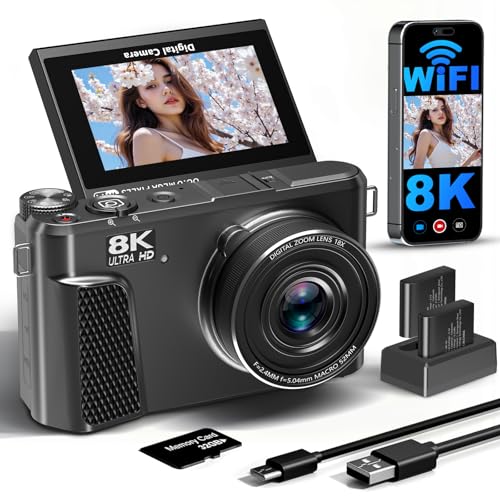


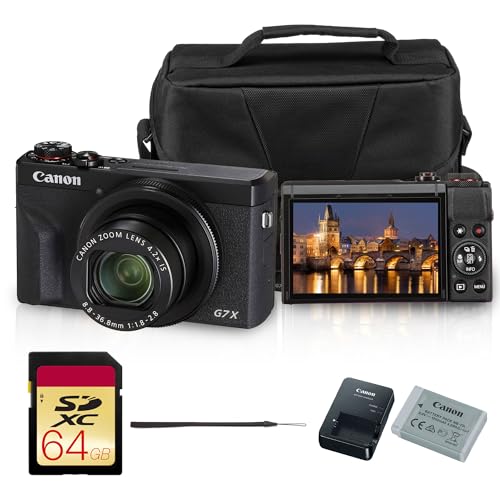
What types of cameras are best for capturing 3D images? I'm looking for specific recommendations since I'm not sure where to start.
I’ve had success with cameras like the Fujifilm FinePix 3D W3 and the Panasonic Lumix 3D. They both have dual lenses, which are great for 3D photography!
I recently tried taking 3D images at a local park using my DSLR. I followed the tips from the article, especially using a tripod. The results were amazing! I noticed that when I adjusted the focal length, it really improved the depth perception. There's something magical about seeing a landscape pop out in 3D. Just make sure to check your camera settings before you start shooting.
Thanks for sharing your experience! Using a tripod can indeed make a significant difference in the sharpness and overall quality of 3D images. It sounds like you’re getting the hang of it!
Can you clarify what 'depth sensing technology' means in terms of cameras? I'm not very familiar with that term.
Great question! Depth sensing technology allows cameras to gauge the distance of objects in a scene, often using dual lenses or sensors, which helps create a more accurate 3D effect. Cameras equipped with this feature can enhance your 3D photography significantly.