
 Carmen J. Moore

Photographing paintings with a digital camera can be a challenging task, but with the right techniques and equipment, you can capture the beauty and details of the artwork in high-quality images. Whether you are a professional artist looking to document your work or a photographer interested in capturing the essence of a painting, these tips will help you achieve stunning results.
When photographing paintings, lighting is key. Natural light is often the best option as it provides even illumination without causing glare or shadows. Position the painting near a window or in a well-lit room, but avoid direct sunlight as it can wash out the colors and create reflections.
Using a tripod is essential to ensure sharp and steady images. Set up your camera on a stable surface and adjust the height and angle to frame the painting properly. Keep the camera level to avoid distortion and use the camera’s timer or a remote shutter release to prevent camera shake.
Guide to Capturing Artwork
Photographing artwork is a crucial step in preserving and sharing the beauty of paintings with a wider audience. Whether you are a professional artist, art collector, or simply want to document your collection, capturing high-quality images of artwork is essential. Follow these tips to ensure you capture the best possible images of your paintings:


1. Lighting
- Use natural light whenever possible to avoid harsh shadows and color distortion.
- Position the artwork so that it is evenly lit from the side to reduce glare and reflections.
2. Camera Settings
- Set your camera to the highest resolution to capture fine details and colors accurately.
- Use a tripod to ensure stability and sharpness in your images.
By following these guidelines, you can create stunning images of your artwork that accurately represent the beauty and detail of the original paintings.
Choosing the Right Camera
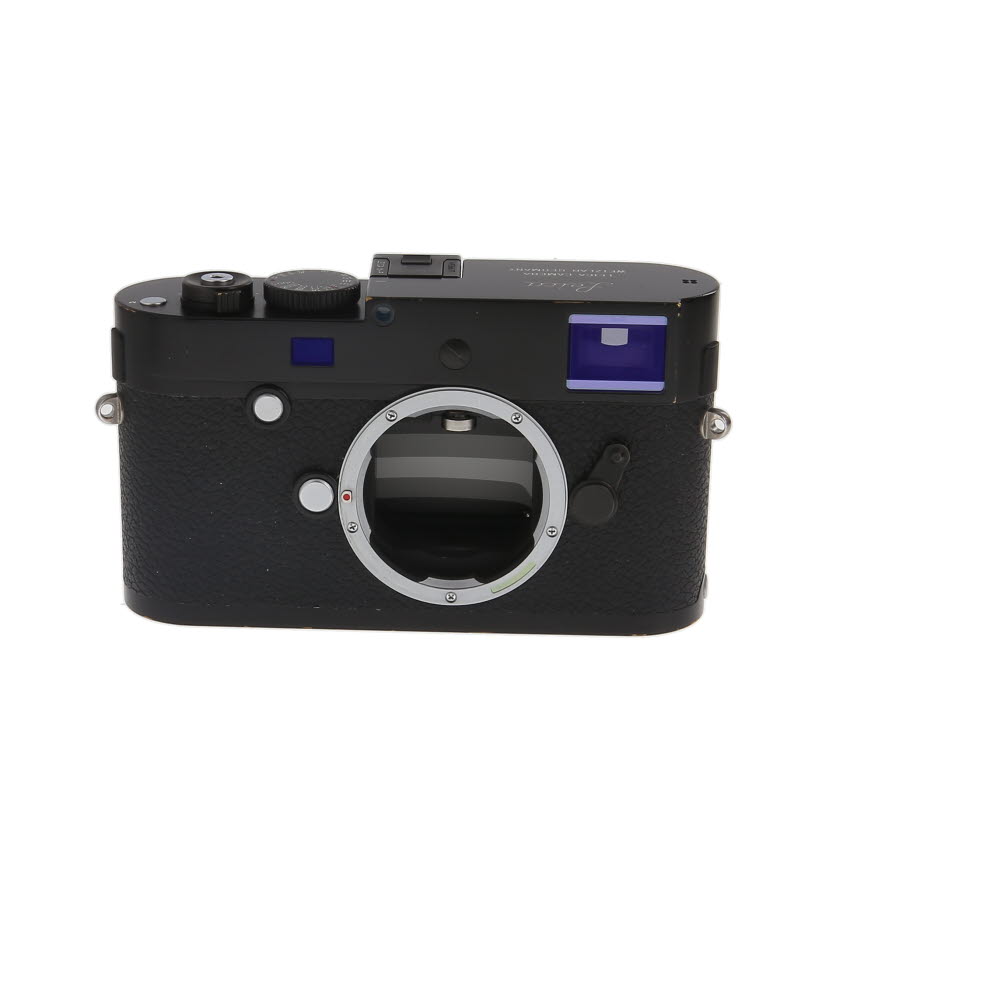
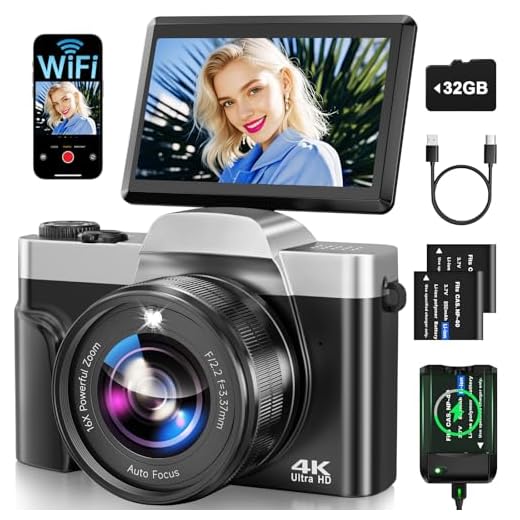
When photographing paintings, it is essential to choose the right camera to capture the details and colors accurately. Here are some factors to consider when selecting a camera for this purpose:
Resolution
Look for a camera with a high resolution to ensure the fine details of the painting are captured. A camera with at least 12 megapixels is recommended for quality images.
Manual Settings
Having manual settings on the camera allows you to adjust the exposure, white balance, and other settings to accurately represent the colors and details of the painting.
Tip: Consider using a DSLR camera for greater control over the settings and better image quality.
Setting up the Lighting
Proper lighting is essential when photographing paintings with a digital camera. Here are some tips to help you set up the lighting for optimal results:
1. Use Natural Light
Whenever possible, photograph paintings in natural light. Position the artwork near a window or in a well-lit room to capture the true colors and details of the painting.
2. Avoid Direct Light
Avoid using direct sunlight or harsh artificial light sources, as they can create glare and shadows on the painting. Instead, diffuse the light by using curtains or a light diffuser to achieve even lighting.
Positioning the Artwork
When photographing paintings with a digital camera, it is essential to position the artwork correctly to capture the best possible image. Follow these steps to ensure that your photographs turn out clear and accurate:
1. Lighting:
Place the artwork in an area with even lighting to avoid shadows and glare. Natural light from a window or diffused artificial light can work well. Avoid direct sunlight, as it can cause harsh shadows and reflections on the painting.
2. Angle:
Position the camera directly in front of the artwork at a slight angle to minimize distortion. Make sure the camera is parallel to the painting to capture it in its true dimensions. Avoid tilting the camera up or down, as this can result in a skewed image.
Adjusting Camera Settings
When photographing paintings with a digital camera, it is crucial to adjust the camera settings to ensure high-quality images. Here are some tips on how to optimize your camera settings:
- Use the manual mode: Switch to manual mode on your camera to have full control over settings such as aperture, shutter speed, and ISO.
- Set a low ISO: To minimize noise and maintain image quality, set a low ISO (e.g., ISO 100 or 200).
- Choose a small aperture: Select a small aperture (e.g., f/8 or higher) to ensure a sharp focus across the entire painting.
- Adjust white balance: Use the appropriate white balance setting to capture accurate colors of the painting.
- Use a tripod: To avoid camera shake and ensure sharp images, use a tripod when photographing paintings.
- Turn off flash: Disable the flash to prevent unwanted reflections on the painting surface.
- Shoot in RAW format: Capture images in RAW format to retain maximum image data for post-processing.
Framing the Shot
When photographing paintings with a digital camera, framing the shot correctly is crucial to capturing the artwork in its best light. Here are some tips to help you frame the shot effectively:
1. Positioning
Place the camera directly in front of the painting, ensuring that it is parallel to the artwork to avoid distortion. Make sure the painting fills the frame without cutting off any edges.
2. Composition
Consider the composition of the painting and frame your shot to highlight the key elements. Pay attention to the balance of colors and shapes within the frame to create a visually pleasing image.
| Tip: | Use the rule of thirds to guide your composition. Divide the frame into thirds both horizontally and vertically, and position key elements along these lines or at their intersections for a balanced composition. |
Taking Multiple Shots
When photographing paintings with a digital camera, it’s a good practice to take multiple shots of each artwork. This allows you to choose the best image later on and ensures you have a variety of options to work with.
Experiment with different angles, distances, and lighting conditions to capture the painting in its best form. By taking multiple shots, you can also account for any glare or reflections that may appear in some photos but not others.
Editing and Enhancing Images
After you have captured the images of the paintings with your digital camera, the next step is to edit and enhance them to make them look their best. Here are some tips for editing and enhancing your images:
- Use photo editing software like Adobe Photoshop or GIMP to adjust the brightness, contrast, and color balance of the images.
- Crop the images to remove any unwanted background or distractions.
- Resize the images to the appropriate dimensions for sharing or printing.
- Remove any dust or imperfections from the images using the healing brush tool.
- Consider adding a watermark or signature to protect your work before sharing it online.
Sharing Your Artwork Photos
Once you have captured high-quality photos of your paintings, you can share them with the world. Here are some tips on how to effectively share your artwork photos:
| 1. Create an Online Portfolio: | Build a website or use an online portfolio platform to showcase your artwork photos. This will make it easy for potential buyers and art enthusiasts to view your work. |
| 2. Social Media: | Share your artwork photos on social media platforms like Instagram, Facebook, and Pinterest. Utilize relevant hashtags to reach a wider audience. |
| 3. Art Communities: | Join online art communities and forums to connect with other artists and art lovers. Share your artwork photos for feedback and exposure. |
| 4. Collaboration: | Collaborate with other artists or businesses to promote your artwork photos. This can help you reach new audiences and expand your network. |
| 5. Print Products: | Consider printing your artwork photos on merchandise like prints, posters, or cards. This can be a great way to sell your art and reach a broader market. |
FAQ
What are the basic steps for photographing paintings with a digital camera?
The basic steps for photographing paintings with a digital camera include setting up proper lighting, using a tripod to ensure stability, adjusting the camera settings for the best image quality, and taking multiple shots from different angles to capture the painting in its entirety.

Why is it important to use a tripod when photographing paintings with a digital camera?
Using a tripod when photographing paintings with a digital camera is important because it helps to eliminate camera shake, resulting in sharp and clear images. It also allows for longer exposure times without blurring the image, especially in low-light conditions.


I recently tried photographing a painting using these tips, and it really made a difference! I positioned the artwork near a window and used a tripod. The images turned out sharper than ever, but I still struggled with glare. I plan on using a diffuser next time. Anyone else have success with diffusers?
I’ve used a light diffuser and it helped a lot! It softened the light and reduced glare significantly. It’s definitely worth trying if you’re still facing issues.
I’m wondering what specific camera settings you recommend for capturing really vibrant colors in paintings? Do you have any tips on white balance?
Great question! For vibrant colors, try setting your camera to manual mode and adjusting the white balance according to the light source. A daylight setting often works well for natural light. Also consider shooting in RAW format for better post-processing options!