
 Carmen J. Moore
Photographing a painting can be a challenging task, especially when you want to capture all the details and colors accurately. Using a digital camera to photograph a painting requires careful consideration of camera settings to ensure the best results.

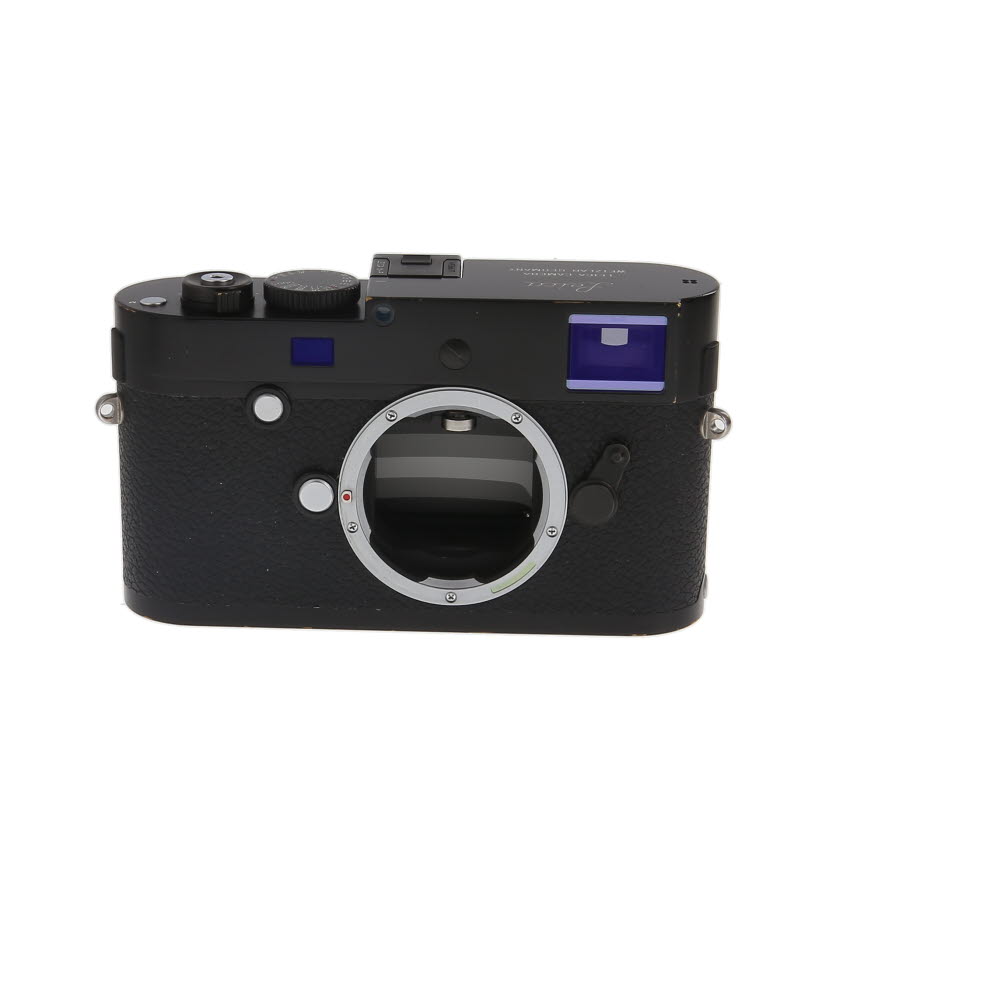
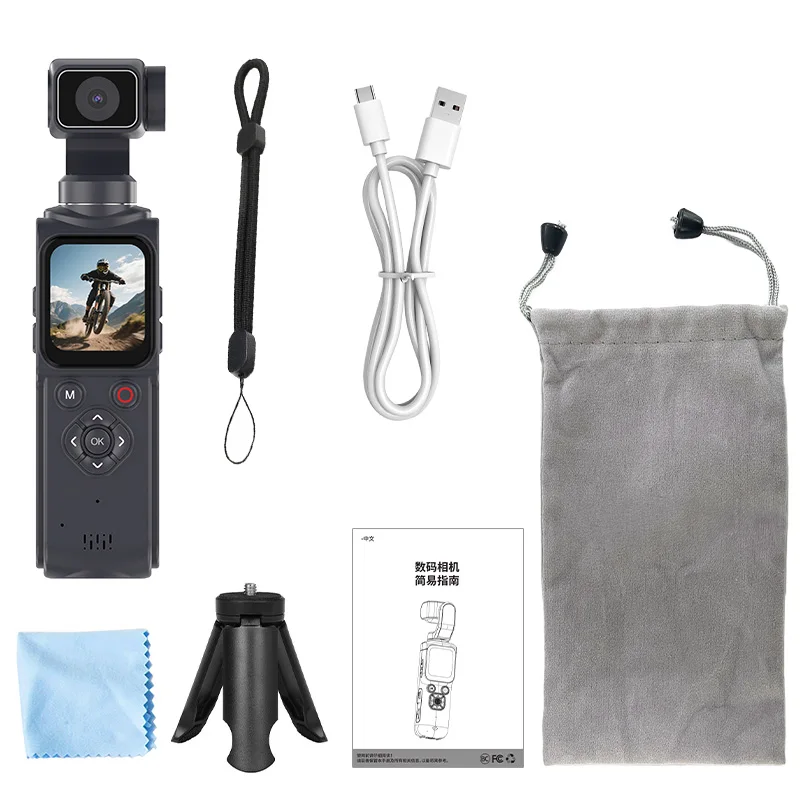

Setting up your digital camera properly is crucial for capturing high-quality images of paintings. Adjusting settings such as aperture, ISO, and white balance can make a significant difference in the final outcome of your photographs.
In this guide, we will explore the optimal digital camera settings for photographing a painting to help you achieve professional-looking results. By following these tips and techniques, you can showcase the beauty and details of your artwork with precision and clarity.
Guide to Capturing Art: Digital Camera Settings
When photographing a painting with a digital camera, the right camera settings are essential to ensure a high-quality image that accurately captures the colors and details of the artwork. Here are some tips to help you set up your digital camera for photographing paintings:
1. Use a Tripod
For sharp and clear images, it’s best to use a tripod to stabilize your camera. This will prevent any blurriness caused by camera shake.
2. Adjust the White Balance
Set the white balance on your camera to match the lighting conditions in which the painting is displayed. This will help reproduce the colors accurately and avoid any color casts.

- For indoor shots, use the “Incandescent” or “Fluorescent” white balance setting.
- For outdoor shots, use the “Daylight” or “Cloudy” white balance setting.
By following these tips and adjusting your digital camera settings accordingly, you can capture stunning images of paintings with true-to-life colors and details.
Choosing the Right Camera
When photographing paintings, it’s important to choose the right camera that can capture the colors and details accurately. Here are some factors to consider when selecting a camera:
- Resolution: Look for a camera with high resolution to ensure sharp and detailed images of the painting.
- Color accuracy: Make sure the camera can reproduce colors faithfully to capture the true essence of the painting.
- Manual settings: Opt for a camera that allows manual control of settings such as exposure, white balance, and aperture for better customization.
- Macro capability: A camera with good macro capabilities can help capture fine details of the painting up close.
- Stabilization: Consider a camera with image stabilization to prevent blurry photos, especially in low-light conditions.
Setting Up Your Artwork
Before you start photographing your painting, it’s important to set up your artwork properly to ensure the best results. Here are some tips:
1. Lighting
Make sure your artwork is well-lit to capture all the details and colors accurately. Natural light is the best option, so consider setting up near a window with indirect sunlight. Avoid harsh shadows by using a diffuser or reflector.
2. Background
Select a clean and neutral background to make your artwork stand out. A plain white or gray wall or backdrop works well to avoid distractions and focus on the painting itself.
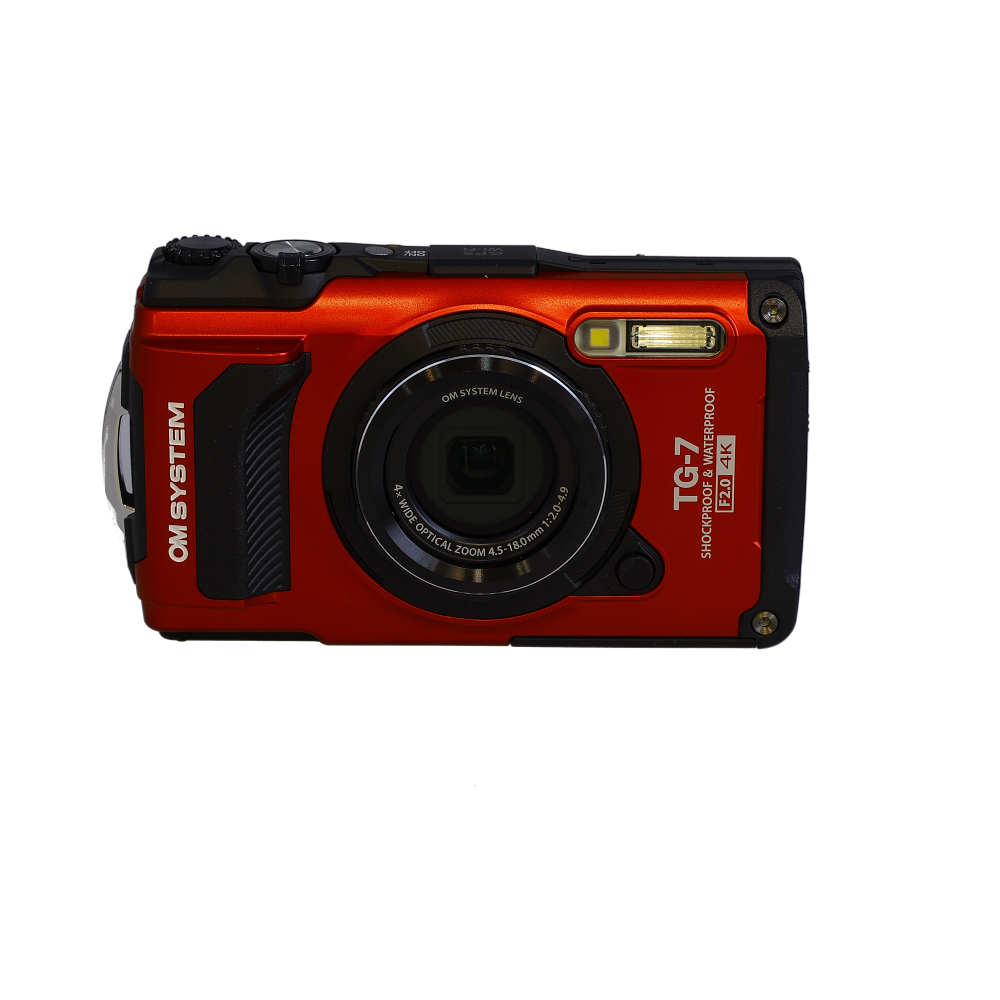
By following these tips and setting up your artwork correctly, you’ll be on your way to capturing stunning photos of your painting with your digital camera.
Lighting Considerations
When photographing a painting, it’s crucial to pay attention to the lighting conditions. Proper lighting can make a significant difference in capturing the true colors and details of the artwork. Here are some key lighting considerations to keep in mind:
1. Natural Light vs. Artificial Light
When possible, try to photograph the painting in natural light. Natural light provides a more accurate representation of the colors and texture of the painting. If natural light is not available or sufficient, you can use artificial lighting. Make sure the artificial light source is white and diffused to avoid harsh shadows and reflections.
2. Avoid Direct Light
Avoid direct light shining on the painting, as it can create glare and hot spots in the photo. Position the light source at an angle to the painting to minimize reflections and ensure even illumination across the surface.
By carefully considering the lighting conditions when photographing a painting, you can capture a high-quality image that accurately represents the artwork.
Camera Settings for Art Photography
When photographing paintings with a digital camera, the right camera settings are crucial to capturing the artwork accurately. Here are some recommended camera settings for art photography:
| Resolution: | Set your camera to the highest resolution possible to capture fine details and colors of the painting. |
| ISO: | Use a low ISO setting (ISO 100-400) to minimize noise and maintain image quality. |
| Aperture: | Select a medium aperture setting (f/8 to f/11) to ensure sharpness across the entire image. |
| Shutter Speed: | Use a tripod and a slower shutter speed to avoid camera shake and ensure a well-exposed image. |
| White Balance: | Set the white balance to match the lighting conditions to accurately represent the colors of the painting. |
| File Format: | Shoot in RAW format to preserve the most image data and have more flexibility in post-processing. |
Shooting Techniques for Great Results
When photographing a painting with a digital camera, there are several techniques you can use to ensure you capture the artwork accurately and in high quality.
1. Use a Tripod
Using a tripod will help stabilize your camera and reduce the risk of camera shake, resulting in sharper images. Make sure the tripod is positioned at the right height and angle to capture the painting in its entirety.
2. Adjust the Lighting
Proper lighting is crucial when photographing a painting. Avoid harsh direct light that can create glare or shadows. Use diffused natural light or artificial light sources to evenly illuminate the painting.
- Position the light source at a 45-degree angle to the painting to minimize reflections.
- Avoid using the camera’s flash, as it can distort the colors and texture of the painting.
By following these shooting techniques, you can achieve great results when photographing a painting with a digital camera.
Post-Processing and Editing Tips
After capturing the image of the painting with your digital camera, it’s essential to post-process and edit the photo to enhance its quality and accuracy. Here are some tips to help you achieve the best results:
1. Color Correction:
Adjust the color balance and saturation to match the original painting’s colors as closely as possible. Use editing software like Adobe Photoshop or Lightroom to fine-tune the colors.
2. Contrast and Sharpness:
Enhance the contrast and sharpness of the image to make the details of the painting stand out. Be careful not to overdo it, as it can result in a loss of image quality.
FAQ
What camera settings should I use to photograph a painting?
When photographing a painting, it’s important to use a tripod to keep your camera steady and ensure sharp images. Set your camera to Aperture Priority mode (A or Av) and choose a small aperture (high f-stop number) to increase depth of field and ensure the entire painting is in focus. Adjust your ISO to the lowest setting to reduce noise in the image. Use a remote shutter release or the camera’s self-timer to avoid camera shake when taking the photo.
Should I use natural or artificial lighting to photograph a painting?
It’s generally recommended to use natural lighting when photographing a painting as it provides a more accurate representation of the colors and details. Position the painting near a window where natural light is diffused to avoid harsh shadows. If natural light is not available or sufficient, you can use artificial lighting such as softbox lights to create a similar effect. Be mindful of the light temperature to ensure the colors in the painting are accurately captured.
Do I need to edit the photos of paintings after taking them?
Editing photos of paintings is often necessary to adjust the colors, contrast, and sharpness to match the original artwork. You can use photo editing software like Adobe Photoshop or Lightroom to fine-tune the image, correct any color discrepancies, and ensure the details are accurately represented. Be careful not to over-edit the photos, as it may distort the original artwork.
What are some common mistakes to avoid when photographing a painting?
Some common mistakes to avoid when photographing a painting include using improper lighting that distorts colors, taking photos at an angle that creates perspective distortion, not using a tripod for stability, and not adjusting the camera settings for optimal image quality. It’s important to ensure the painting is evenly lit, the camera is parallel to the artwork, and the settings are adjusted to capture the details accurately.


What white balance setting should I use for indoor paintings? I often struggle with color accuracy in my photos.
Can someone explain why a low ISO is preferred for photographing artwork? I always thought a higher ISO helps in darker conditions.
Great question! A low ISO reduces noise, which is crucial for capturing fine details in artwork. While higher ISO settings can be useful in low light, they often introduce graininess, which can detract from the clarity of the painting.
I've been photographing paintings for a while, and I can't stress enough how important it is to use a tripod! I tried shooting without one once and the results were just awful—everything was blurry. Also, natural light makes such a difference; I always try to shoot near a window. Great tips in this article!
I disagree about only using natural light. Sometimes, artificial lighting provides more control and consistency. It really depends on the space you’re working in.
I actually prefer using artificial lighting over natural light. It gives me more control over shadows and highlights. Natural light can be unpredictable!
That's a valid point! Artificial lighting can definitely provide more consistency, especially if you're able to control the intensity and direction.
What are the best camera settings for photographing paintings in low light? Sometimes my indoor shots come out too dark even when I adjust the exposure.
I've been photographing my paintings for a while now, and I’ve found that using a tripod is a game changer. It really helps with minimizing shake. Also, I always shoot in RAW—it makes editing so much easier later on. Does anyone have tips for dealing with reflections when using artificial lights?
I also struggle with reflections. I've started using a diffuser in front of the lights, and it helps a lot. Just make sure the light source isn’t too close to the painting!
I have both a DSLR and a mirrorless camera. I've noticed that my mirrorless camera captures colors more accurately when photographing art. Has anyone else experienced a difference based on the type of camera?
Yes, I feel the same! My mirrorless camera handles color much better, especially in low-light situations.