
 Carmen J. Moore
Light pollution is a growing concern in urban areas, affecting our health and the environment. To tackle this issue, researchers and enthusiasts are turning to digital cameras as a tool to measure and analyze light pollution levels.
By using a digital camera equipped with manual settings, individuals can capture images of the night sky and assess the amount of light pollution present in their area. This method, known as skyglow photography, provides a visual representation of light pollution that can help raise awareness and guide efforts to reduce its impact.
In this article, we will explore the process of measuring light pollution with a digital camera, including tips for capturing accurate images and interpreting the results. Join us on a journey to uncover the hidden world of artificial light and its effects on our night skies.
Understanding Light Pollution
Light pollution is the excessive, misdirected or obtrusive artificial light that brightens the night sky and interferes with astronomical observations, disrupts ecosystems, and affects human health and well-being. This type of pollution is caused by the overuse and misuse of artificial lighting sources, such as streetlights, advertising signs, and outdoor security lights.

Light pollution can be categorized into four main types: skyglow, glare, light trespass, and clutter. Skyglow is the brightening of the night sky over populated areas due to artificial light sources. Glare is the excessive brightness that causes discomfort or reduces visibility. Light trespass occurs when light spills over into areas where it is not needed or wanted. Clutter refers to the presence of bright and distracting lights in the environment.
Measuring and monitoring light pollution is essential to understand its impact on the environment and human health. By using digital cameras and specialized software, researchers can quantify the brightness of the night sky and assess the extent of light pollution in different locations. This data can help policymakers and city planners implement lighting regulations and design strategies to reduce light pollution and create a more sustainable and environmentally friendly lighting environment.
Impact of Light Pollution
Light pollution can have significant impacts on both the environment and human health. Excessive artificial light can disrupt ecosystems, affecting wildlife behavior, migration patterns, and reproduction cycles. It can also lead to a decrease in biodiversity and disrupt the natural balance of ecosystems.
Furthermore, light pollution can have negative effects on human health, including disrupting sleep patterns, contributing to obesity, and increasing the risk of certain diseases such as cancer. Excessive exposure to artificial light at night can also affect hormone regulation and melatonin production, which are important for maintaining a healthy circadian rhythm.
Environmental Impact
Studies have shown that light pollution can have detrimental effects on nocturnal animals, disrupting their natural behaviors and leading to population declines. For example, sea turtles are known to be affected by artificial light, leading hatchlings to head toward city lights instead of the ocean, which can be fatal.

Health Impact
Exposure to artificial light at night has been linked to a variety of health issues, including sleep disorders, obesity, diabetes, and even an increased risk of cancer. Disrupting the body’s natural sleep-wake cycle can have long-term consequences on overall health and well-being.
Measuring Light Pollution
Measuring light pollution with a digital camera can be a relatively simple and effective method. To do this, you will need to set up your camera on a tripod and take long exposure photographs of the night sky. By analyzing the images, you can identify areas of high light pollution based on the brightness and color of the sky. Additionally, software tools like Skyglow can help quantify the amount of light pollution in your images by comparing them to reference images of dark skies. This process can provide valuable data on light pollution levels in your area and help raise awareness about the issue.
Using a Digital Camera
When measuring light pollution with a digital camera, there are a few key steps to follow:
- Choose a digital camera with manual settings: To accurately measure light pollution, you will need a digital camera that allows you to manually adjust settings such as aperture, shutter speed, and ISO.
- Set up your camera on a stable tripod: To avoid any camera shake or movement during the measurements, it is essential to mount your camera on a sturdy tripod.
- Adjust camera settings for low light conditions: Set your camera to a low ISO setting (e.g., ISO 100) and a long exposure time to capture the ambient light levels accurately.
- Take multiple photos at different exposures: To ensure accurate measurements, take multiple photos at different exposure settings to capture a wide range of light levels in the scene.
- Analyze the photos using software: Once you have taken the photos, analyze them using software tools such as Adobe Lightroom or GIMP to measure the light pollution levels accurately.
Choosing the Right Equipment
When measuring light pollution with a digital camera, it is important to choose the right equipment to ensure accurate results. Here are some key considerations:
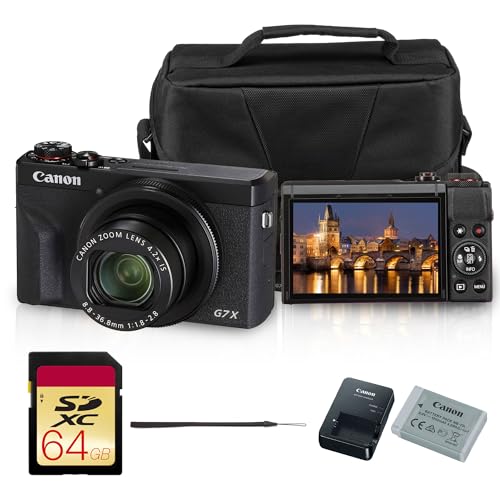
Camera: Select a digital camera with manual settings for exposure, ISO, and aperture. This will give you more control over the image quality and allow you to adjust the settings based on the lighting conditions.
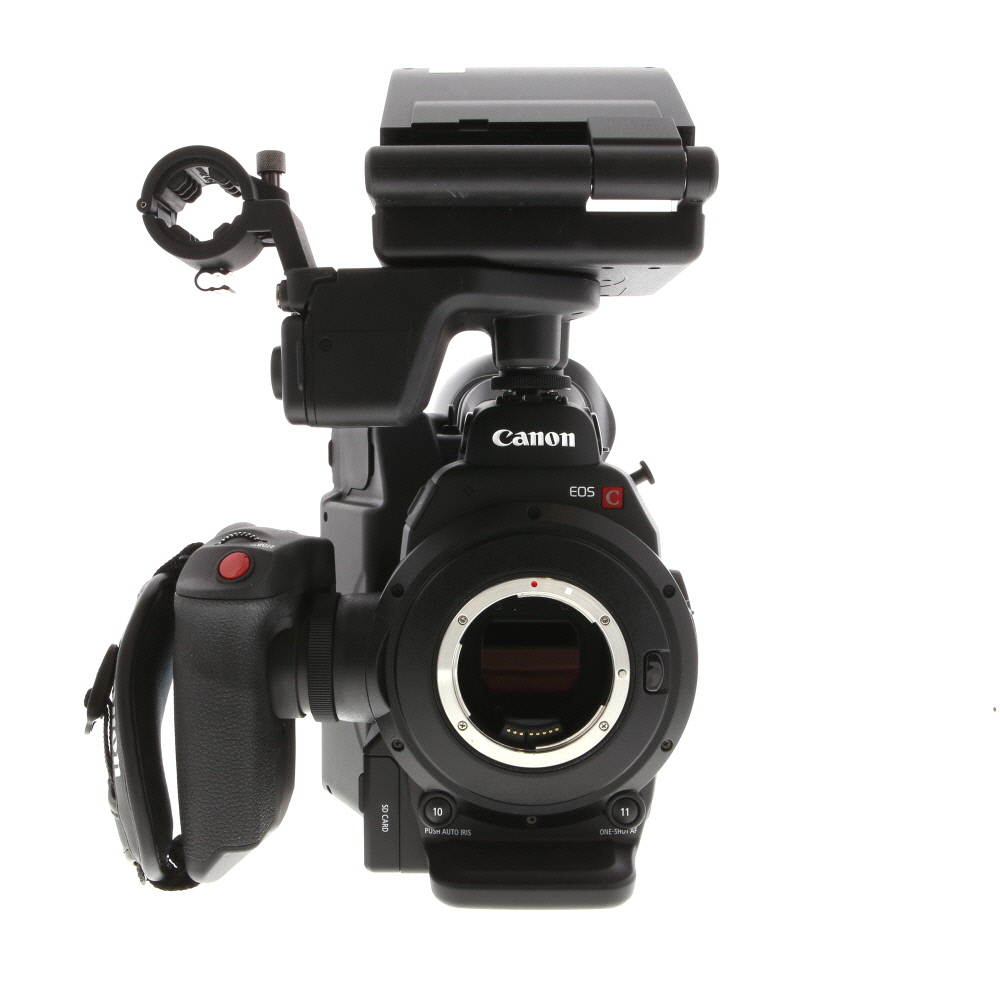
Lens: Use a fast lens with a wide aperture (e.g., f/2.8 or lower) to capture more light and detail in low-light situations. A wide-angle lens is also recommended for capturing a larger field of view.
Tripod: A sturdy tripod is essential for keeping the camera stable during long exposure shots. This will prevent camera shake and ensure sharp images.
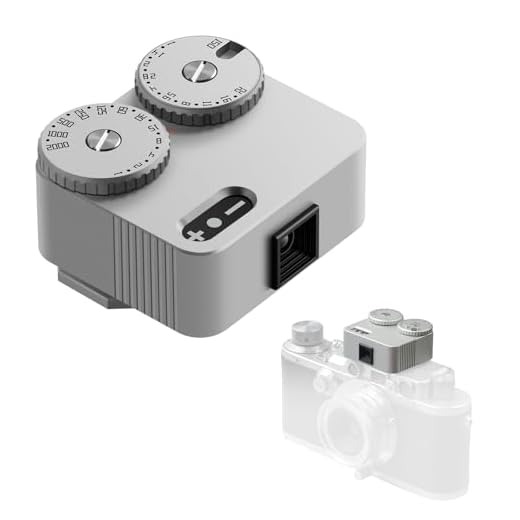
Remote Shutter Release: Using a remote shutter release or timer will further reduce the risk of camera shake and allow you to take long exposure shots without touching the camera.
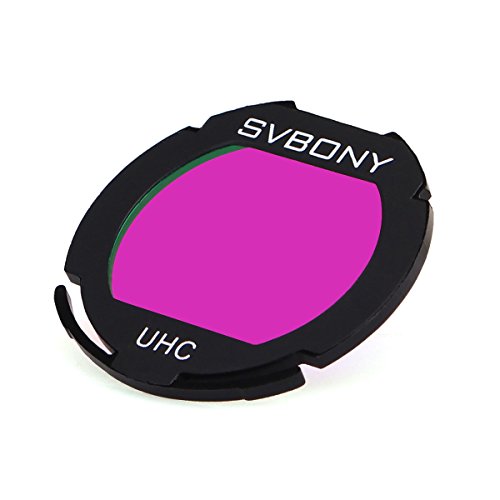
Filters: Consider using light pollution filters or color correction filters to reduce the impact of artificial light on your images and improve the overall image quality.
Setting Up Your Camera
Before you begin measuring light pollution with your digital camera, it’s important to set it up correctly to ensure accurate results. Here are some steps to follow:
1. Camera Settings
Make sure your camera is set to manual mode so you have full control over the exposure settings. Set the ISO to the lowest value to reduce noise in the images. Adjust the aperture to a medium value (around f/5.6) to capture a good amount of light without overexposing the image. Lastly, set the shutter speed to a value that allows enough light to reach the sensor without causing motion blur.
2. White Balance
Set the white balance of your camera to the appropriate setting for the lighting conditions you will be capturing. This will ensure accurate color representation in your images and help you identify different light sources accurately.
| ISO: Lowest value | Aperture: Medium value (around f/5.6) |
| Shutter Speed: Adjust for proper exposure | White Balance: Set for lighting conditions |
Taking Measurements
When using a digital camera to measure light pollution, it is important to follow a few key steps:
- Set up your camera on a stable surface or tripod to avoid camera shake.
- Choose a clear night with minimal cloud cover for accurate measurements.
- Adjust your camera settings to capture a long exposure shot, typically between 15-30 seconds.
- Point your camera towards the area you want to measure and take the photo.
- Use image processing software to analyze the photo and measure the light pollution levels.
Interpreting the Results
After capturing images of the night sky with your digital camera, you can use software to analyze the data and calculate the level of light pollution in the area. The results will typically be presented in units such as Lux or magnitudes per square arcsecond. Lower values indicate darker skies with less light pollution, while higher values suggest greater light pollution.
| Light Pollution Level | Interpretation |
|---|---|
| 0 – 10 Lux | Excellent dark sky conditions with minimal light pollution |
| 11 – 30 Lux | Good dark sky conditions with low to moderate light pollution |
| 31 – 50 Lux | Moderate light pollution with some impact on visibility of stars |
| 51 – 100 Lux | High light pollution affecting visibility of celestial objects |
| Above 100 Lux | Severe light pollution severely limiting visibility of stars |
By interpreting the results of your light pollution measurements, you can better understand the impact of artificial lighting in your area and take steps to reduce light pollution for improved stargazing and environmental conservation.

FAQ
How can I measure light pollution with a digital camera?
You can measure light pollution with a digital camera by taking long exposure photographs of the night sky and analyzing the images for light pollution levels. There are also apps and software available that can help you quantify the amount of light pollution in your area based on the images captured.
What are the benefits of using a digital camera to measure light pollution?
Using a digital camera to measure light pollution provides a visual representation of the problem, allowing for easy identification of areas with high light pollution levels. It also allows for accurate quantification of light pollution, enabling researchers and enthusiasts to track changes in light pollution over time.


Can you explain what exactly you mean by 'analyzing the photos' after taking them? What does that process involve?
Analyzing the photos typically involves using software like Lightroom or GIMP to adjust exposure and brightness levels. You can quantify light pollution by comparing your images to reference images of darker skies.
I'm curious about what kind of digital cameras are best for measuring light pollution. Are there specific brands or models you recommend?
I found using a remote shutter release to be a game changer for avoiding camera shake during long exposures!
I think light pollution isn’t that big of a deal. Most cities have beautiful lights at night! Why should we reduce it?
While city lights can be beautiful, they disrupt ecosystems and affect our health. It's important to balance aesthetics with environmental impact.
I recently tried measuring light pollution in my city using this method. I used a Canon DSLR with a sturdy tripod and took several long exposure shots. It was eye-opening to see how much light pollution there really was! I found the Skyglow software super helpful for analyzing my images.