
 Carmen J. Moore

One of the key techniques in photography is creating a beautiful background blur, also known as bokeh. This effect can help to isolate your subject and make them stand out in the image. Fortunately, achieving a blurred background with a digital camera is not as difficult as it may seem.

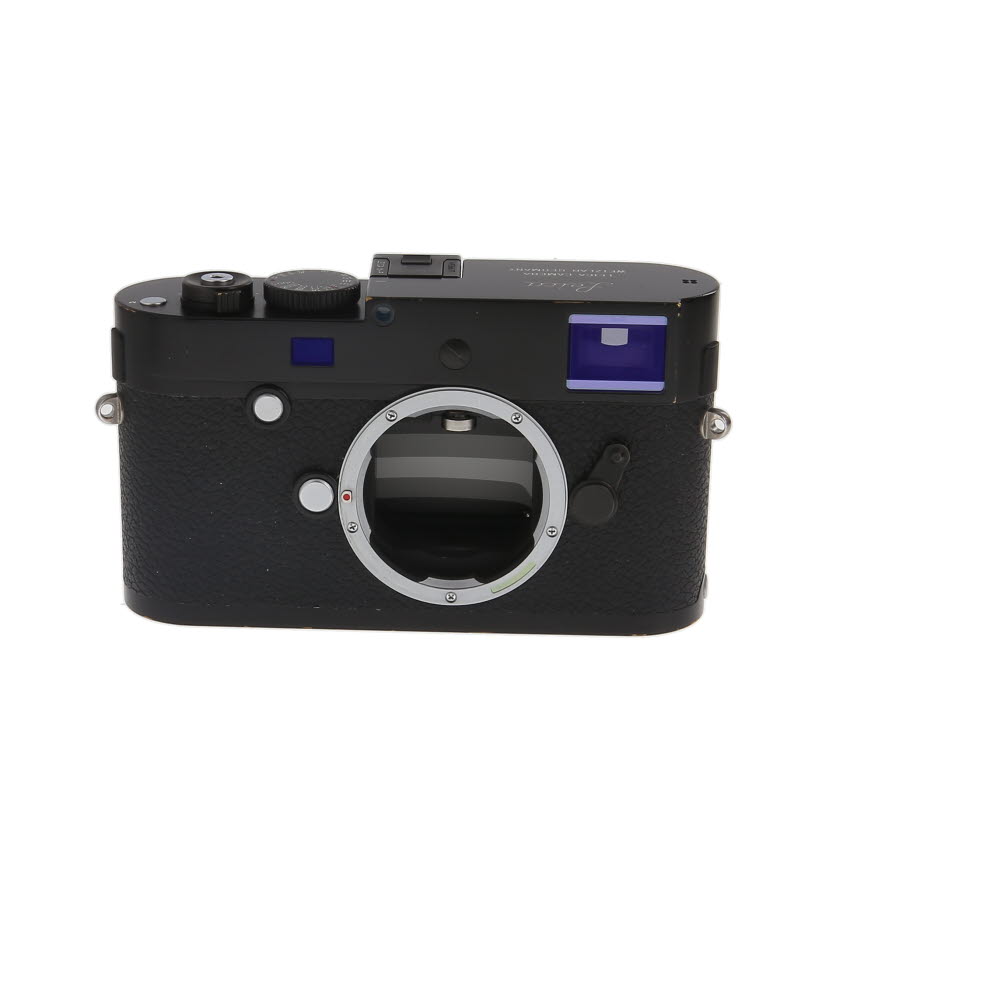
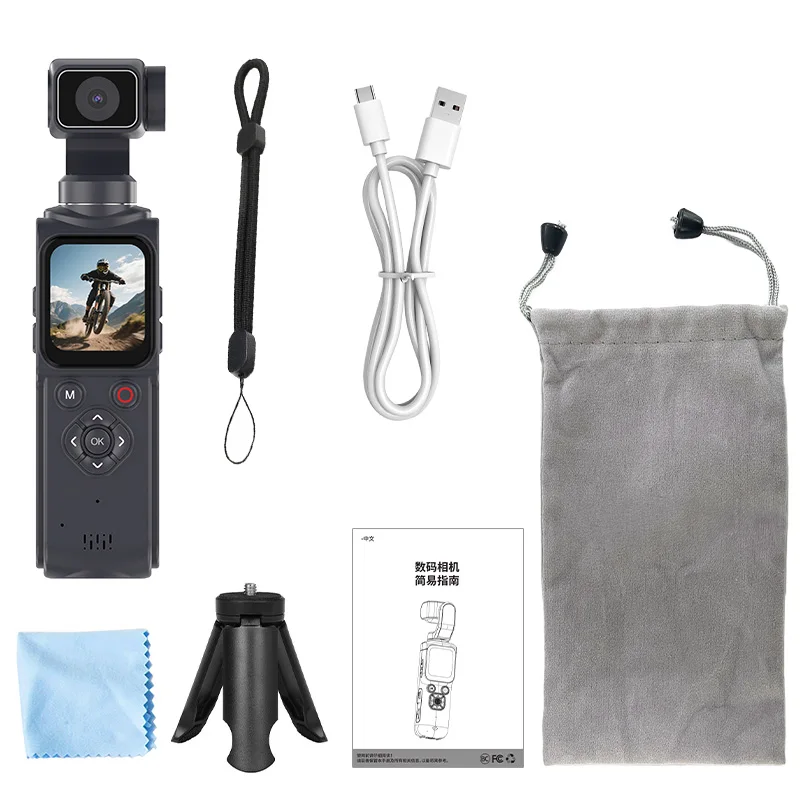

To create a background out of focus with your digital camera, you can start by using a wide aperture setting. Aperture is the opening in the lens that controls the amount of light entering the camera. A wider aperture (smaller f-number) allows more light to pass through and creates a shallower depth of field, resulting in a blurred background.
Another way to blur the background is by increasing the distance between your subject and the background. The farther away the background is from the subject, the more out of focus it will appear in the final image. This technique works well when shooting portraits or close-up shots.
Understanding the Basics
Before diving into the technical details of how to make the background out of focus with a digital camera, it’s important to understand the basics of depth of field. Depth of field refers to the range of distance in a photo that appears acceptably sharp. A shallow depth of field means that only a small portion of the image is in focus, while a deep depth of field means that more of the image is sharp.
Depth of field is influenced by several factors, including the aperture setting, focal length of the lens, and distance between the camera and the subject. By manipulating these variables, you can control the depth of field in your photos and achieve the desired out-of-focus background effect.
Creating a Blurred Effect
To create a blurred background effect with your digital camera, you can use a technique called “bokeh.” Bokeh refers to the aesthetic quality of the out-of-focus areas in a photograph. Here are some tips to achieve a beautiful blurred effect:

| 1. Use a Wide Aperture: | Set your camera to a wide aperture (low f-stop number) to decrease the depth of field and create a shallow focus. |
| 2. Get Closer to the Subject: | Position yourself closer to the subject you want to focus on, while keeping the background farther away. |
| 3. Use a Telephoto Lens: | A telephoto lens can help you achieve a more pronounced bokeh effect by compressing the background. |
| 4. Shoot in Manual Mode: | Adjust the settings on your camera manually to control the aperture, shutter speed, and ISO for optimal results. |
| 5. Experiment with Light: | Play with different lighting conditions to enhance the bokeh effect and create a dreamy, soft background. |
Choosing the Right Aperture
One of the key factors in creating a blurred background is choosing the right aperture setting on your camera. Aperture is the opening in the lens through which light passes. A wider aperture (small f-stop number) will result in a shallower depth of field, making the background more out of focus. On the other hand, a narrower aperture (larger f-stop number) will increase the depth of field, keeping more of the scene in focus.
For a more pronounced background blur, try using a wide aperture such as f/2.8 or lower. This will create a dreamy, soft background that makes your subject stand out. However, if you want more of the background to be in focus, consider using a narrower aperture like f/8 or higher.
Using Manual Focus
If your digital camera has manual focus capabilities, you can use this feature to create a beautiful background blur. Here are the steps to follow:
- Switch your camera to manual focus mode.
- Adjust the focus ring on your lens to achieve the desired level of blur in the background.
- Compose your shot and take the photo.
By using manual focus, you have more control over the depth of field in your images, allowing you to create a stunning background blur effect.
Experimenting with Distance
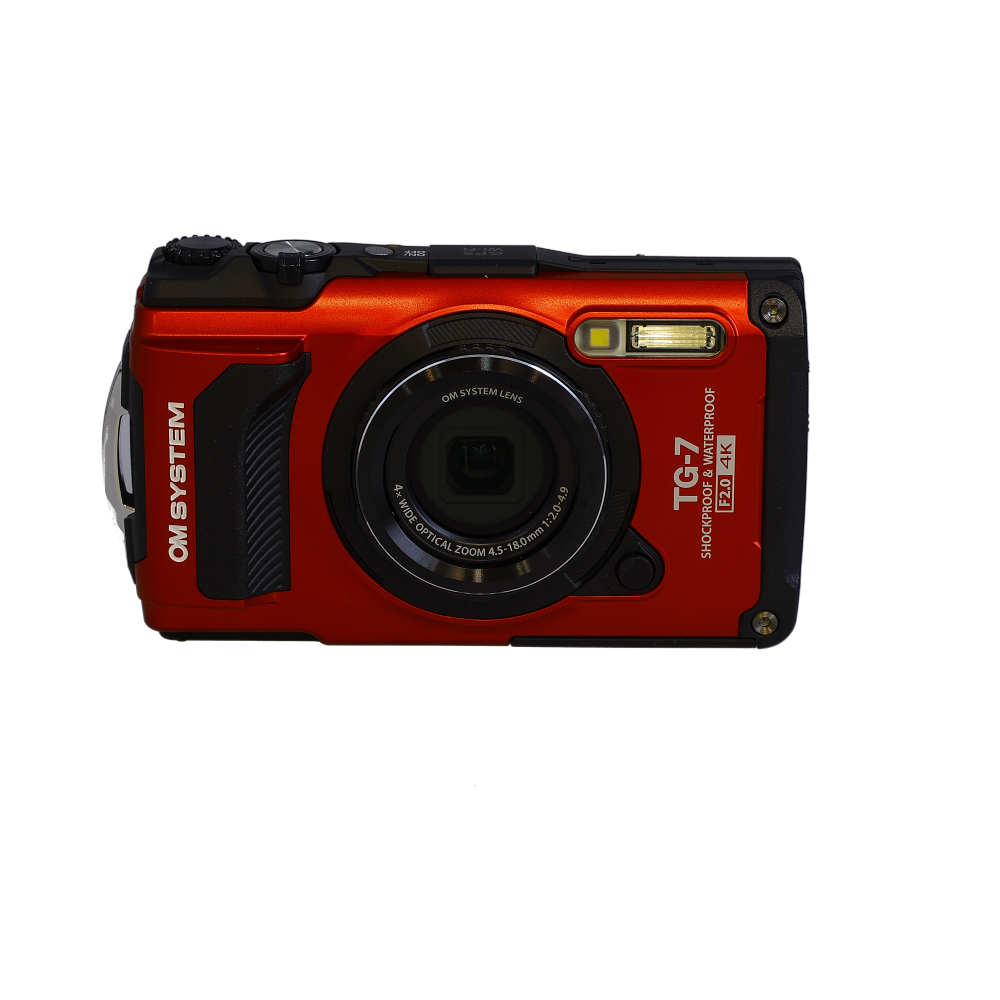
One of the key factors in achieving a blurred background is the distance between your subject and the background. Experiment with different distances to see how it affects the blur.
Getting Closer
Try moving closer to your subject while keeping the background at a distance. This can help create a more pronounced blur in the background.
Increasing the Distance
On the other hand, increasing the distance between your subject and the background can also result in a more blurred background. Play around with various distances to find the right balance for the effect you want to achieve.
Post-Processing Techniques
While achieving a blurred background in-camera is ideal, you can also enhance the background blur during post-processing. Here are some techniques you can use:
1. Gaussian Blur
One of the simplest ways to blur the background is by using the Gaussian Blur filter in photo editing software like Adobe Photoshop. This filter allows you to selectively blur certain parts of the image, including the background.
2. Depth of Field Enhancement
Another technique is to enhance the depth of field in your image by using tools like the Lens Blur filter. This can help simulate a shallow depth of field effect, making the background appear more out of focus.

- Adjust the blur settings to achieve the desired effect.
- Use masking tools to isolate the background for targeted blur.
By applying these post-processing techniques, you can further enhance the background blur in your images and create a more professional look.
FAQ
How can I achieve a blurry background in my photos using a digital camera?
To create a blurry background, you can use a technique called shallow depth of field. This involves using a wide aperture (low f-stop number) on your camera to limit the depth of field and blur the background while keeping your subject in focus.
What settings should I use on my digital camera to blur the background of my photos?
To blur the background, you can set your camera to aperture priority mode and choose a low f-stop number (e.g. f/2.8 or f/4) to achieve a shallow depth of field. You can also increase the distance between your subject and the background to enhance the blur effect.
Are there any specific lenses that work best for creating a blurred background with a digital camera?
Prime lenses with wide apertures, such as 50mm f/1.8 or 85mm f/1.4, are popular choices for achieving a blurry background. These lenses allow for a shallow depth of field, which can help separate your subject from the background and create a pleasing bokeh effect.




Could someone explain how distance between the subject and background affects the blur? I'm a bit confused about how much distance I need.
Great question! The more distance you can create between your subject and the background, the more pronounced the blur will be. Try to keep your subject close to you and the background further away for the best effect.
What is the best aperture setting for achieving a strong bokeh effect when using a kit lens?
Using a kit lens, aim for the widest aperture, typically around f/3.5 to f/5.6. While it won't provide as strong a bokeh as a prime lens, you can enhance the effect by getting closer to your subject and increasing the distance to the background.
I disagree that a telephoto lens is necessary for bokeh. I’ve gotten good results with a standard zoom lens. Sometimes the technique matters more than the equipment.
I see your point, but I've noticed that using a telephoto lens does help compress the background, making it easier to achieve that dreamy effect. It really depends on the situation.
What is the best aperture setting for achieving a strong background blur? I've read f/2.8 or lower, but I'm not sure if that's always the case.
I usually find that f/2.8 works well for most shots, but if you're using a lens that can go lower, like f/1.8, it can produce an even creamier bokeh.
I recently tried using a 50mm lens at f/1.8, and the background blur was amazing! It really makes the subject pop.
I tried using a telephoto lens for some portraits, and the background blur was incredible! Definitely worth experimenting with.
I've read that using a narrower aperture can still produce decent background blur. It's not always about going super wide. Am I missing something?
You make a good point! While a wider aperture typically creates a shallower depth of field, you can still achieve background separation with a narrower aperture by adjusting other factors like subject-background distance.
Using manual focus really does help control the blur effect. I’ve found that it gives me much better results compared to auto focus.
In the article, it mentions using manual focus for a blurred background. Can you explain more about how to adjust the focus ring effectively? Should I focus on the subject first or the background?
When using manual focus, first focus on your subject. Once that's set, you can adjust the focus ring to create the desired blur for the background. This method gives you more artistic control over the depth of field.
I'm trying to decide between a 50mm f/1.8 and an 85mm f/1.4 for portraits. Which one would give me better background blur? Any thoughts on the difference in bokeh quality between the two?
I've used both, and while the 50mm f/1.8 is great for tighter spaces, the 85mm f/1.4 gives a more pronounced blur and beautiful bokeh, especially for portraits.