
 Carmen J. Moore

Creating a short film with a digital camera can be an exciting and rewarding experience. Whether you’re a beginner or a seasoned filmmaker, the process of bringing your vision to life is both challenging and fulfilling. In this guide, we’ll walk you through the essential steps to help you produce a high-quality short film using just your digital camera.
First and foremost, it’s crucial to plan out your film before you start shooting. This includes developing a clear concept, writing a script, storyboarding, and creating a shot list. Having a solid plan in place will not only save you time during production but also ensure that your film has a cohesive and engaging narrative.
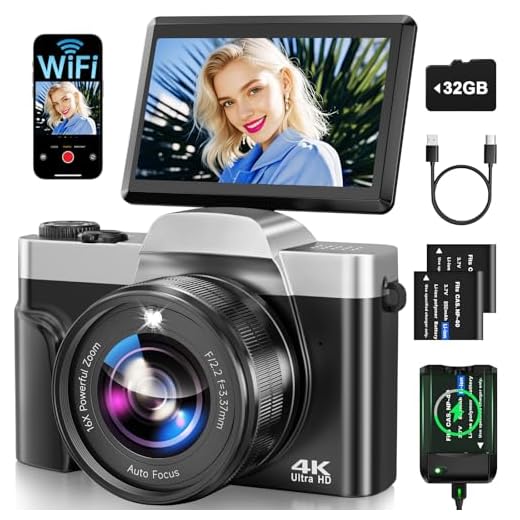
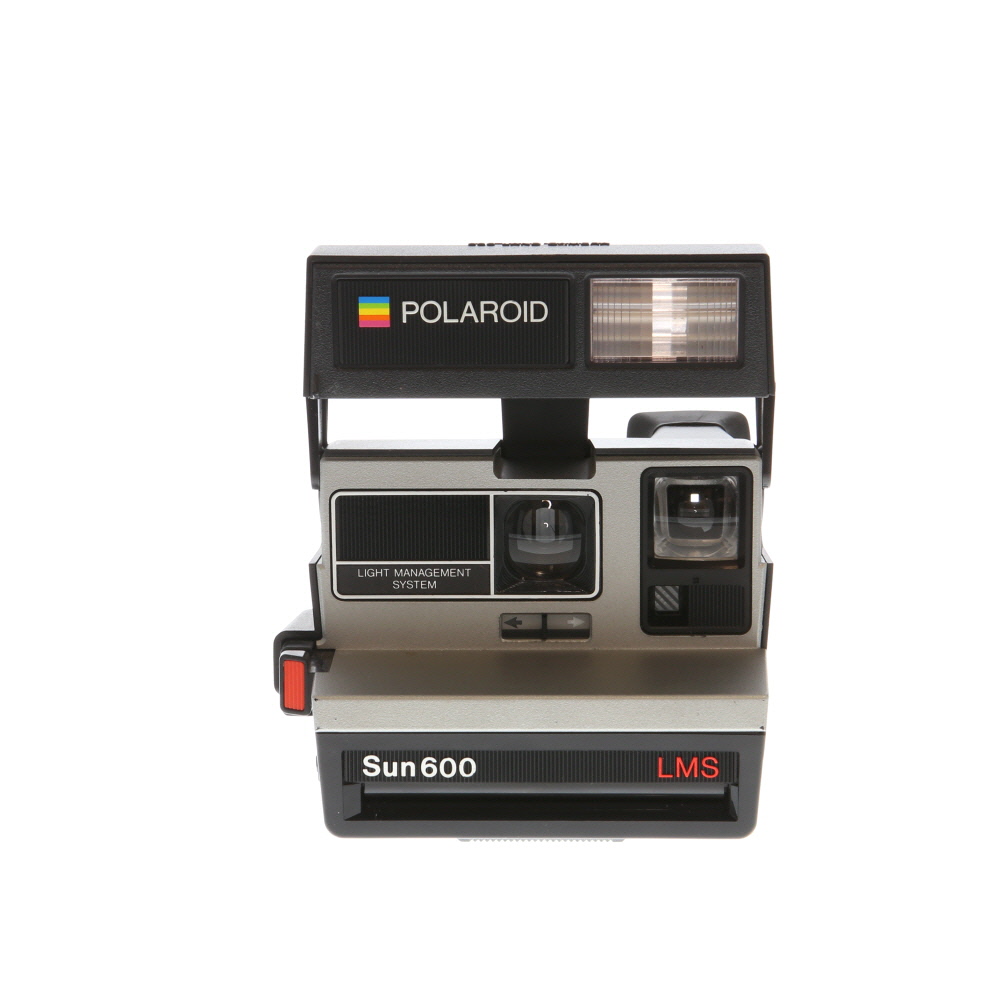
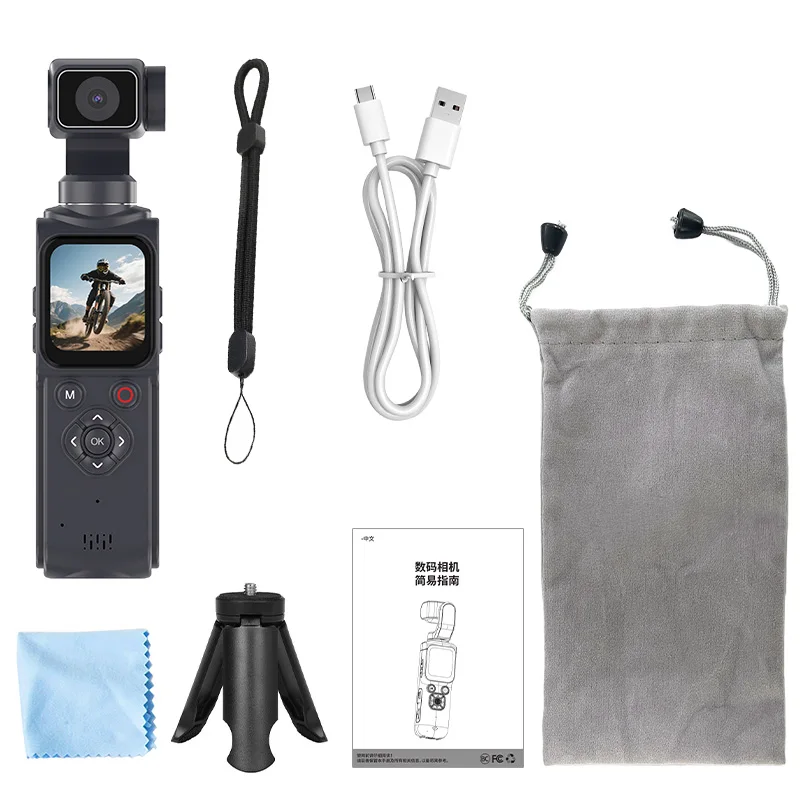

Once you have your plan in place, it’s time to start filming. Make sure to pay attention to lighting, sound, and composition to capture visually stunning footage. Experiment with different camera angles and movements to add depth and visual interest to your shots. Remember, the key to a successful short film is capturing compelling visuals that enhance your story.
Step-by-step guide to creating a short film
Creating a short film with a digital camera can be a fun and rewarding experience. Follow these steps to bring your creative vision to life:
Step 1: Develop your idea
Start by brainstorming ideas for your short film. Consider the genre, story, characters, and message you want to convey. Once you have a clear concept, write a script or outline to guide your production.
Step 2: Plan your shoot
Create a shot list and storyboard to map out the visual elements of your film. Decide on locations, props, costumes, and actors needed for each scene. Consider lighting and sound requirements as well.
| Location | Props | Costumes |
|---|---|---|
| Indoor | Minimal | Casual |
| Outdoor | Basic | Character-specific |
Ensure you have all necessary equipment, including a tripod, microphone, and spare batteries.

Choosing the right digital camera
When making a short film with a digital camera, choosing the right camera is crucial to achieving the desired quality and aesthetic. Here are some factors to consider when selecting a digital camera for your project:
Resolution
Ensure the camera you choose offers a high resolution to capture clear and detailed images. Look for cameras with at least 1080p resolution for optimal results.
Frame rate
Consider the frame rate capabilities of the camera, as it will impact the smoothness of motion in your film. Choose a camera with a higher frame rate for cinematic-looking footage.
| Feature | Consideration |
|---|---|
| Lens options | Look for a camera that allows for interchangeable lenses to give you versatility in capturing different shots. |
| Low light performance | Check the camera’s low light performance to ensure it can capture clear images in various lighting conditions. |
| Audio input | Consider cameras with audio input options to capture high-quality sound for your film. |
By considering these factors and choosing a digital camera that best suits your needs, you can ensure your short film looks professional and visually appealing.
Scriptwriting and Storyboarding Process
Before you start filming your short film, it’s crucial to have a well-developed script and storyboard. This will help you plan out the shots, dialogue, and overall flow of your film.

Scriptwriting:
- Begin by outlining the main plot of your film and developing your characters.
- Write a script that includes dialogue, action descriptions, and scene transitions.
- Make sure your script is concise and engaging, with a clear beginning, middle, and end.
Storyboarding:
- Create a storyboard that visually represents each scene in your film.
- Sketch out the key shots, camera angles, and visual elements for each scene.
- Use the storyboard as a guide during filming to ensure you capture all the necessary shots.
Setting up the perfect shot
Setting up the perfect shot is crucial for creating a visually appealing short film. Here are some tips to help you achieve that:
- Plan your shot in advance: Before you start filming, take the time to plan out your shot. Think about the composition, framing, and lighting that will best convey your message.
- Use a tripod: To ensure a steady shot, use a tripod to stabilize your camera. This will prevent shaky footage and make your film look more professional.
- Consider the rule of thirds: When framing your shot, keep the rule of thirds in mind. Divide your frame into thirds both horizontally and vertically, and place your subject or key elements along these lines to create a balanced composition.
- Adjust the exposure: Make sure your shot is properly exposed by adjusting the camera settings. Avoid overexposed or underexposed footage, as it can detract from the overall quality of your film.
- Pick the right location: Choose a location that complements your story and adds visual interest to your shot. Consider the lighting, background, and overall atmosphere of the place.
Lighting and sound considerations
When shooting a short film with a digital camera, proper lighting and sound are crucial elements to consider. Here are some tips to help you achieve the best results:
Lighting:
1. Natural light can be your best friend. Try to shoot during the golden hour for soft, flattering light.
2. If shooting indoors, use artificial lights such as softboxes or LED panels to create a well-lit scene.
3. Avoid harsh shadows by diffusing your light source or using bounce cards to fill in the shadows.
Sound:
1. Invest in a good quality microphone to capture clear audio. A shotgun microphone or lavaliere mic are popular choices.
2. Consider the background noise and try to shoot in a quiet location to minimize distractions.
3. Use a windscreen or dead cat to reduce wind noise when shooting outdoors.

By paying attention to lighting and sound considerations, you can significantly improve the overall quality of your short film.
Directing and working with actors
When directing a short film, it is important to work closely with your actors to ensure that they deliver the performance you are looking for. Communication is key in this process, so be clear in your direction and provide feedback to help them understand the character and the scene.
Here are some tips for working with actors:
- Hold rehearsals before filming to practice scenes and develop a rapport with your actors.
- Give clear instructions and feedback on their performance, but also allow them room to interpret the character in their own way.
- Encourage improvisation and creativity to bring authenticity to the characters and scenes.
- Be patient and supportive, as acting can be a vulnerable and challenging process.
- Provide a comfortable and safe environment for your actors to work in, so they can fully immerse themselves in their roles.
Editing and post-production techniques
Once you have all your footage captured, the next step is editing and post-production. This is where you bring your film to life and make it polished and professional. Here are some key techniques to consider:
1. Organize your footage
Start by organizing your footage into different scenes or sequences. This will make it easier to work with and ensure you don’t miss any important shots.
2. Use editing software
Invest in a good editing software like Adobe Premiere Pro or Final Cut Pro. These tools offer a wide range of features and effects to enhance your film.
3. Cut and trim
Trim down your footage to only include the best takes and moments. Cut out any unnecessary footage to keep your film engaging and concise.
4. Add transitions and effects
Enhance your film with transitions between scenes and effects like color correction, filters, and text overlays. This will give your film a professional look.
5. Sound design
Pay attention to sound design by adding background music, sound effects, and adjusting audio levels. Good sound quality can make a huge difference in the overall impact of your film.
6. Test and refine
After editing, preview your film and make any necessary adjustments. Get feedback from others and continue refining your film until you are satisfied with the final product.
Sharing your short film with the world
Once you have completed your short film, the next step is sharing it with the world. Here are some ways to get your film out there:
| 1. Film festivals: | Submit your short film to various film festivals to showcase your work to a wider audience and potentially win awards. |
| 2. Online platforms: | Upload your short film to popular online platforms like YouTube, Vimeo, or social media sites to reach a global audience. |
| 3. Create a website: | Build a website or blog to showcase your short film, share behind-the-scenes information, and engage with your viewers. |
| 4. Collaborate with influencers: | Partner with influencers or bloggers in the film industry to promote your short film to their followers. |
| 5. Film screenings: | Organize screenings of your short film at local theaters, community centers, or universities to connect with a live audience. |
Remember to engage with your audience, seek feedback, and continue to promote your short film to maximize its reach and impact.
FAQ
What equipment do I need to make a short film with a digital camera?
To make a short film with a digital camera, you will need a digital camera with video recording capabilities, a tripod for stability, external microphones for better sound quality, lighting equipment, and video editing software to edit and finalize your film.
How can I come up with a creative idea for a short film?
To come up with a creative idea for a short film, you can draw inspiration from your own experiences, dreams, or emotions. You can also brainstorm with friends or colleagues, watch other short films for inspiration, or explore different genres and themes that interest you.
What are some tips for filming a short film with a digital camera?
When filming a short film with a digital camera, make sure to plan your shots in advance, use natural lighting whenever possible, pay attention to sound quality, experiment with different angles and camera movements, and edit your footage to create a cohesive story. Don’t be afraid to take risks and try new techniques to make your film stand out.


I recently made my first short film using this guide and it was an amazing experience! Initially, I struggled with setting up shots, but following the tips on composition really helped. I used a simple DSLR and focused on natural lighting. It was challenging at first, but once I got the hang of it, I loved the process. I even used some DIY soundproofing tips to reduce outside noise while filming. Highly recommend anyone to just dive in!
Great to hear about your success! For editing, many beginners find software like iMovie or DaVinci Resolve to be user-friendly and effective for short films.
That sounds awesome! What editing software did you use? I’m curious about how to polish the final cut.
This article has some great tips! What are some recommended digital cameras for beginners who are just starting out with short films?
I started with a Canon EOS Rebel T7. It’s user-friendly and has good video quality for the price!