
 Carmen J. Moore

Are you ready to elevate your photography skills to the next level? With the advancement of digital cameras, capturing stunning images has become more accessible than ever. However, simply owning a digital camera is not enough to create captivating photos. To truly become a better photographer, you need to understand the technical aspects of your camera, develop your creative eye, and practice consistently.

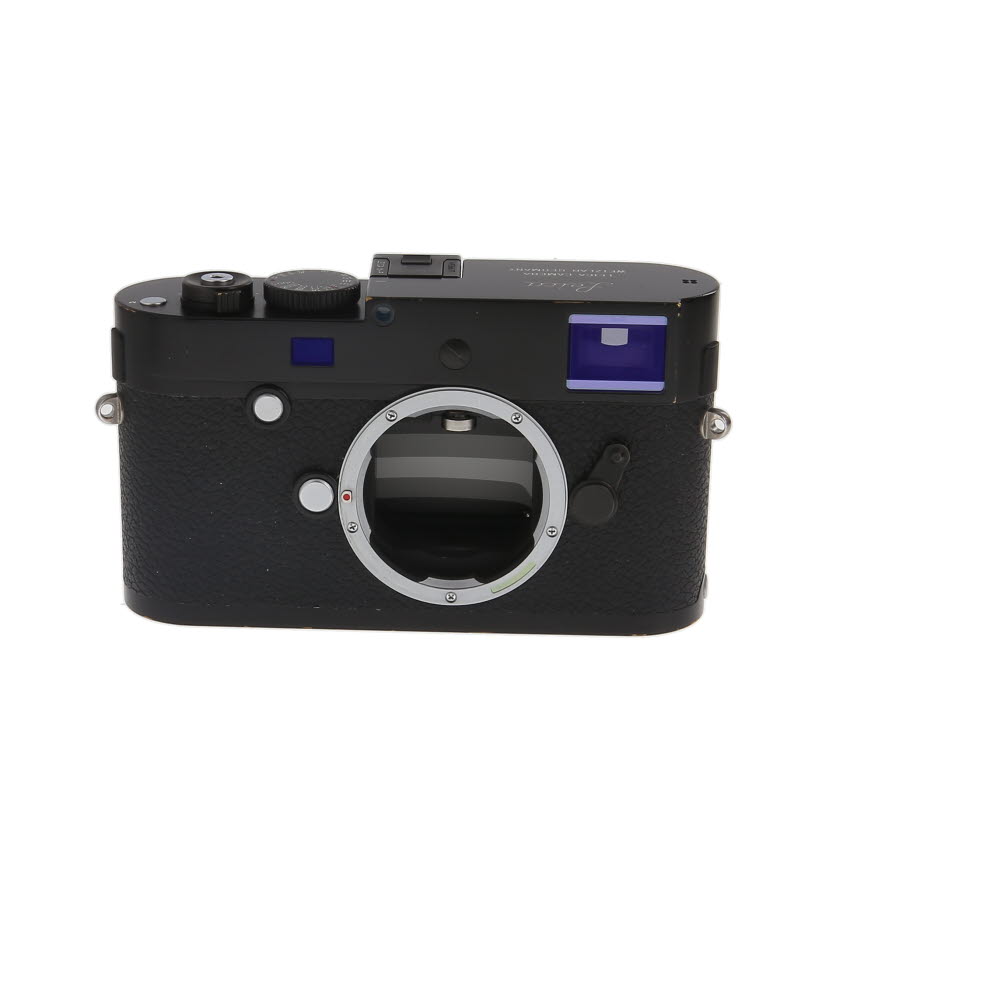
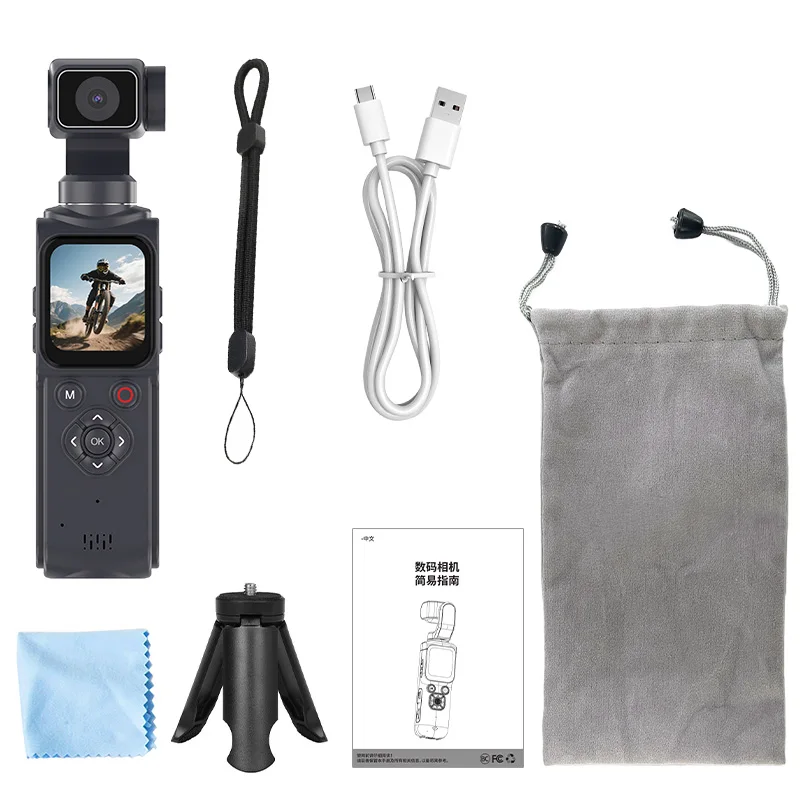
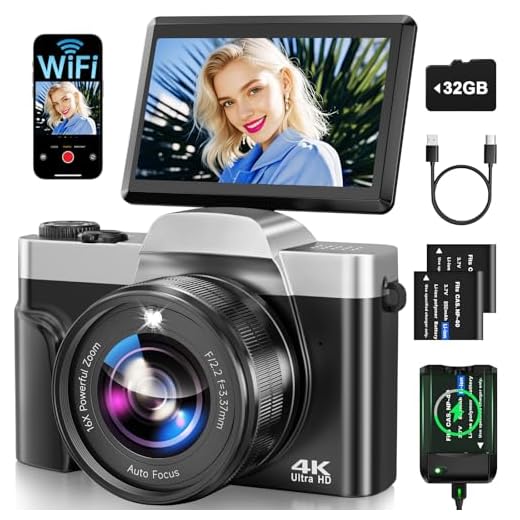
Learning how to maximize the potential of your digital camera is key to unlocking your creativity and producing high-quality images. In this guide, we will explore essential tips and techniques to help you become a better photographer with your digital camera. Whether you’re a novice or an experienced photographer looking to refine your skills, this article will provide you with valuable insights and practical advice to enhance your photography journey.
Learn the Basics of Photography
If you want to become a better photographer with your digital camera, it’s essential to start by learning the basics of photography. Understanding concepts such as composition, lighting, exposure, and focus will greatly improve the quality of your photos.
Take the time to study the rule of thirds, leading lines, and other composition techniques to create visually appealing images. Experiment with different lighting conditions to see how they affect the mood and atmosphere of your photos.
Learn how to adjust your camera’s exposure settings, such as aperture, shutter speed, and ISO, to achieve the desired effect in your photos. Practice using manual focus to ensure your subject is sharp and in focus.
By mastering the basics of photography, you’ll be able to take your digital camera skills to the next level and capture stunning images that truly stand out.

Understand Your Digital Camera
Before you can become a better photographer with your digital camera, it’s crucial to understand how your camera works. Take the time to read the manual that came with your camera to familiarize yourself with its features and settings.
Familiarize Yourself with the Basic Settings
Start by learning about the basic settings such as aperture, shutter speed, and ISO. Understanding how these settings impact your photos will help you take better pictures.
Experiment with Different Modes
Most digital cameras come with various shooting modes such as auto, portrait, landscape, and macro. Experiment with these modes to see how they affect your photos and when it’s best to use each one.
Experiment with Different Settings
One of the best ways to improve your photography skills with a digital camera is to experiment with different settings. Try adjusting the aperture, shutter speed, and ISO to see how they affect your photos. Play around with different white balance settings to achieve the desired color balance in your images. Don’t be afraid to try out different shooting modes, such as manual, aperture priority, or shutter priority, to gain a better understanding of how they work.
Tip: Take notes of the settings you used for each photo so you can review them later and learn from your experiences.

Master the Aperture and Shutter Speed
Understanding how to manipulate aperture and shutter speed is crucial for improving your photography skills with a digital camera. Aperture controls the amount of light that enters the camera, affecting the depth of field and the sharpness of your images. A wider aperture (lower f-stop number) creates a shallow depth of field, ideal for portraits and close-up shots, while a narrower aperture (higher f-stop number) increases the depth of field, suitable for landscapes and cityscapes.
On the other hand, shutter speed determines how long the camera’s shutter remains open, capturing motion and controlling the exposure. A fast shutter speed freezes action, perfect for sports and wildlife photography, while a slow shutter speed creates motion blur, great for capturing the flow of water or light trails. Experimenting with different combinations of aperture and shutter speed will help you achieve the desired effects in your photos.
Practice Composition Techniques
Composition is key to creating visually appealing photographs. Practice different composition techniques to improve your photography skills with a digital camera. Here are some composition techniques you can try:
| Rule of Thirds: Divide your frame into a grid of nine equal sections and place your subject off-center at the intersections of the lines to create a more dynamic composition. |
| Leading Lines: Use lines in your scene to lead the viewer’s eye towards the main subject, creating a sense of depth and movement in your photographs. |
| Frame Within a Frame: Look for natural frames within your environment, such as doorways, windows, or arches, to add depth and interest to your composition. |
| Negative Space: Experiment with negative space by leaving empty areas in your composition to draw attention to your subject and create a sense of balance. |
Utilize the Rule of Thirds
One of the fundamental principles of photography is the rule of thirds. This rule divides your frame into thirds both horizontally and vertically, creating a grid with nine equal sections. The rule of thirds suggests that placing your subject or points of interest along these lines or at the intersections will create a more visually appealing composition.
To apply the rule of thirds with your digital camera, most cameras have an option to display a grid on your screen or viewfinder. Use this grid to position your subject or key elements in your composition along the gridlines to create a balanced and engaging image.

Study Lighting and Exposure
One of the key elements in photography is understanding how to use lighting and exposure to create stunning images. Lighting can make or break a photo, so it’s important to learn how to work with natural light, artificial light, and various lighting techniques.
Here are some tips to help you master lighting and exposure:
- Experiment with different lighting conditions to see how they affect your photos.
- Learn how to adjust exposure settings on your camera to get the perfect balance of light and shadows.
- Study the work of other photographers to see how they use lighting to create mood and atmosphere in their images.
By studying lighting and exposure, you can take your photography skills to the next level and create images that truly stand out.
Use Natural Light to Your Advantage
One of the key factors in capturing great photos with your digital camera is utilizing natural light effectively. Natural light can enhance the colors and details in your photos, creating a more visually appealing image. Here are some tips on how to make the most of natural light:
| 1. Golden Hour: | Shoot during the “golden hour” – the hour after sunrise and before sunset when the light is soft and warm, creating a beautiful glow in your photos. |
| 2. Avoid Harsh Light: | Avoid shooting in harsh midday sunlight, as it can create strong shadows and wash out colors. Opt for shaded areas or use a diffuser to soften the light. |
| 3. Backlighting: | Experiment with backlighting to create interesting silhouettes or add a halo effect to your subjects. Position your subject between the light source and your camera for stunning results. |
| 4. Reflectors: | Use reflectors to bounce light onto your subject and fill in shadows. Reflectors can help balance the light and create a more even exposure in your photos. |
| 5. Window Light: | Indoor photography can benefit from natural window light. Position your subject near a window to take advantage of soft, diffused light for flattering portraits. |
FAQ
What are some tips for improving my photography skills with a digital camera?
One tip is to practice regularly and experiment with different settings on your camera. Additionally, studying composition techniques and learning how to use natural lighting effectively can greatly improve your photos. Don’t be afraid to try new angles and perspectives to add interest to your images.
How can I make my photos stand out when using a digital camera?
To make your photos stand out, focus on capturing unique moments or perspectives. Pay attention to details, such as framing and lighting, and try to tell a story through your images. Editing can also enhance your photos, so learning basic editing techniques can help make your photos more impactful.

What are some common mistakes beginners make when using a digital camera?
Common mistakes beginners make include not paying attention to composition, over-relying on the camera’s automatic settings, and not taking the time to review and learn from their photos. It’s important to practice and experiment to improve your skills and avoid these common pitfalls.
How important is post-processing in digital photography?
Post-processing can play a significant role in digital photography by allowing you to enhance and refine your images. While it’s important to strive for well-composed and well-exposed photos in-camera, post-processing can help you bring out the best in your images and correct any imperfections. Learning basic post-processing techniques can take your photography to the next level.




What are some creative ways to experiment with composition? I've tried the rule of thirds but want to push my creativity further.
Great question! Besides the rule of thirds, consider experimenting with leading lines to draw the viewer's eye, or frame your subject using elements in the environment. You can also explore using negative space to create a sense of balance and focus on your subject.
I recently started using the rule of thirds, and it really changed the way I compose shots. It feels more dynamic now.
What are the best settings for shooting in low light? I often struggle with grainy photos at night.
Try increasing your ISO, but be cautious with it as high ISO can add grain. Also, using a wider aperture can help let more light in.
Natural light makes a huge difference. I always try to shoot during golden hour for the best results.
Can you clarify the difference between aperture priority and shutter priority modes? When should I use each?
Aperture priority allows you to set the aperture while the camera adjusts the shutter speed for optimal exposure. It's great for controlling depth of field. Shutter priority lets you set the shutter speed, which is useful for capturing motion. Use aperture priority for portraits and shutter priority for sports or fast-moving subjects.
I don't think you should always follow the rule of thirds. Sometimes breaking the rules can lead to more interesting compositions.
That's a fair point! Some of my favorite shots break the traditional rules, but I think understanding them first helps to know when to break them.