
 Carmen J. Moore

Depth of field is a crucial concept in photography that can greatly enhance the visual impact of your images. Understanding how to control depth of field allows you to create stunning photos with a clear subject that pops against a beautifully blurred background.
With the advent of digital cameras, achieving the desired depth of field has become easier than ever. By manipulating your camera settings and understanding the principles of aperture, focal length, and distance, you can take your photography to the next level.


In this article, we will explore the techniques and tips for achieving the perfect depth of field with your digital camera, from creating dreamy bokeh to capturing sharp landscapes. Let’s delve into the world of depth of field and unlock the full potential of your photography skills.
Understanding Depth of Field
Depth of field refers to the range of distance in a scene that appears acceptably sharp in an image. It is affected by the aperture setting, focal length, and distance to the subject. A shallow depth of field results in a blurred background, while a deep depth of field keeps more of the scene in focus.
To achieve a shallow depth of field, use a wide aperture (small f-number) and move closer to the subject. This will create a more pronounced background blur, isolating the subject and adding emphasis to it. On the other hand, to achieve a deep depth of field, use a smaller aperture (large f-number) and focus at a greater distance. This will keep more of the scene in focus, suitable for landscapes or group shots.
Understanding depth of field is crucial for controlling the visual impact of your images. Experiment with different settings to achieve the desired effect and create more compelling photographs.
Definition and Basics
Depth of field refers to the range of distance in a photograph where objects appear acceptably sharp. Achieving a shallow depth of field can create a beautifully blurred background, while a deep depth of field keeps more objects in focus.

Understanding depth of field involves the aperture, focal length, and distance between the camera and the subject. A wider aperture (lower f-stop number) creates a shallower depth of field, while a smaller aperture (higher f-stop number) results in a deeper depth of field.
Factors Influencing Depth of Field
Depth of field in photography is influenced by several key factors that photographers need to consider when trying to achieve a specific effect. Understanding these factors can help you control the depth of field in your images.
1. Aperture
The aperture setting on your camera lens plays a significant role in determining the depth of field in your photos. A wider aperture (small f-stop number) will result in a shallower depth of field, while a narrower aperture (large f-stop number) will increase the depth of field.
2. Focal Length
The focal length of your lens also affects the depth of field. Longer focal lengths tend to produce a shallower depth of field, while shorter focal lengths can increase the depth of field. This means that using a telephoto lens will give you a more blurred background compared to a wide-angle lens.
- 3. Distance to Subject
The distance between your camera and the subject can impact the depth of field. The closer you are to your subject, the shallower the depth of field will be. Conversely, increasing the distance between the camera and subject will result in a deeper depth of field.
By considering these factors and experimenting with different settings, you can effectively control the depth of field in your digital camera photos to achieve the desired creative effect.
Choosing the Right Aperture
One of the key factors in achieving depth of field with a digital camera is selecting the right aperture. The aperture setting controls the size of the opening in the lens through which light enters the camera. A larger aperture (small f-stop number) will result in a shallower depth of field, while a smaller aperture (larger f-stop number) will increase the depth of field.
When choosing the aperture for your shot, consider the effect you want to achieve. If you want a blurred background with a sharp subject in the foreground, use a wide aperture (e.g. f/2.8). For landscapes or group shots where you want everything in focus, a narrow aperture (e.g. f/11 or higher) is ideal.
Keep in mind that the aperture setting also affects the amount of light entering the camera, so you may need to adjust your ISO or shutter speed to compensate for changes in aperture. Experiment with different aperture settings to find the right balance between depth of field and exposure for your desired shot.
Using Focal Length to Control Depth of Field
One of the key factors that can help you achieve the desired depth of field in your photos is the focal length of your lens. Focal length refers to the distance between the lens and the image sensor in your camera. Generally, a longer focal length will result in a shallower depth of field, while a shorter focal length will result in a deeper depth of field.

When you use a longer focal length, such as a telephoto lens, you can isolate your subject from the background and create a beautiful bokeh effect. This is ideal for portraits or close-up shots where you want your subject to stand out against a blurred background. On the other hand, using a shorter focal length, such as a wide-angle lens, can help you capture more of the scene in focus, making it great for landscapes or group shots where you want everything to be sharp.
Experimenting with different focal lengths can help you understand how they affect the depth of field in your photos and allow you to achieve the desired creative effect. Remember to consider the focal length when composing your shots to control the depth of field and create stunning images.
Techniques for Achieving Creative Depth of Field
Depth of field is a powerful tool in photography that allows you to control the sharpness and focus of your images. By adjusting your camera settings and using creative techniques, you can achieve stunning depth of field effects in your photos. Here are some techniques to help you enhance your depth of field:
1. Aperture Control
One of the most common ways to manipulate depth of field is by adjusting the aperture of your camera. A wide aperture (small f-stop number) will create a shallow depth of field, blurring the background and isolating your subject. On the other hand, a narrow aperture (large f-stop number) will increase the depth of field, keeping more of the scene in focus.
2. Focal Length
The focal length of your lens also plays a role in determining depth of field. Using a longer focal length will compress the scene and create a shallower depth of field, while a shorter focal length will result in a wider depth of field. Experiment with different focal lengths to achieve the desired effect in your photos.
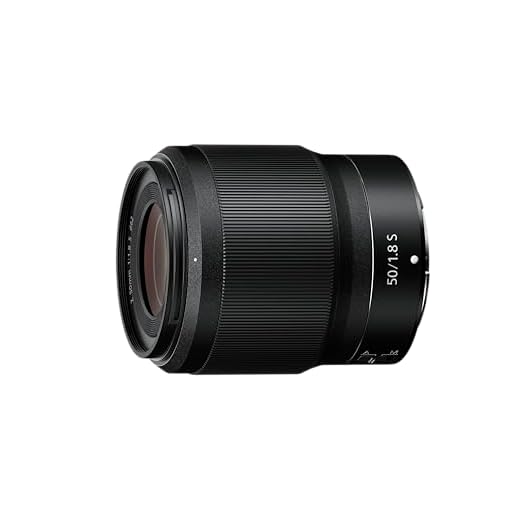
- Try using a telephoto lens for portrait photography to create a pleasing background blur.
- Use a wide-angle lens for landscape photography to keep the entire scene in focus.
By mastering these techniques and experimenting with different settings, you can achieve creative depth of field effects that enhance the visual impact of your photos.
Post-Processing for Depth of Field Enhancement
After capturing an image with your digital camera, you can enhance the depth of field in post-processing to create a more visually appealing result. Here are some techniques you can use:
1. Selective Blur
One way to enhance depth of field is to selectively blur the background or foreground of your image. You can achieve this by using tools like the blur or Gaussian blur in photo editing software. By blurring certain areas of the image, you can create a stronger sense of depth and focus on the main subject.
2. Focus Stacking
Another technique is focus stacking, where you combine multiple images taken at different focus points to create a final image with enhanced depth of field. This process involves aligning and blending the images together to ensure that all areas of the image are in sharp focus. Focus stacking can be a powerful tool for achieving greater depth of field in your photos.
| Technique | Description |
|---|---|
| Selective Blur | Blurring specific areas of the image to enhance depth of field. |
| Focus Stacking | Combining multiple images with different focus points to create a sharper final image. |
FAQ
What is depth of field in photography?
Depth of field in photography refers to the range of distance in a photo where objects appear acceptably sharp. It is determined by the aperture size, focal length, and the distance between the camera and the subject.
How can I achieve a shallow depth of field with a digital camera?
To achieve a shallow depth of field with a digital camera, you can use a wide aperture (small f-number), focus on a subject close to the camera, and use a longer focal length. This will blur the background and create a nice bokeh effect.
What are the benefits of having a deep depth of field in a photo?
A deep depth of field is useful when you want to keep the entire scene in focus, like in landscape photography or when shooting group portraits. It ensures that everything from the foreground to the background is sharp and clear.
Can I achieve depth of field with a smartphone camera?
Yes, you can achieve depth of field with a smartphone camera by using specialized apps or features like portrait mode. These tools simulate the effect of depth of field by blurring the background while keeping the subject in focus.
How does the distance between the subject and the camera affect depth of field?
The distance between the subject and the camera plays a significant role in determining the depth of field. The closer the subject is to the camera, the shallower the depth of field will be. Conversely, increasing the distance will result in a deeper depth of field.


Is there a rule of thumb for the minimum distance from the subject to achieve a shallow depth of field?
Good question! While there isn't a strict rule, generally, the closer you get to your subject, the shallower the depth of field. Experimenting will help you find the sweet spot for your specific lens.
I've been experimenting with depth of field, and using a 50mm lens at f/1.8 really made my portraits pop! It’s amazing how much difference it makes.
Great article! Can you explain how to determine the right aperture for different lighting conditions?
I’ve used both a 35mm and a 85mm lens for portraits, and I find that the 85mm gives a much better bokeh effect. Is that common with longer focal lengths?
Yes, that’s a common observation! Longer focal lengths like 85mm tend to compress the background more effectively, resulting in a smoother bokeh compared to wider angles like 35mm.